📚 How to Remember Everything You Read: A Practical, Science-Backed Guide
Most of us read a lot — books, articles, PDFs, research papers — but only remember a tiny fraction. If you’ve ever finished a chapter and…
📚 How to Remember Everything You Read: A Practical, Science-Backed Guide

Most of us read a lot — books, articles, PDFs, research papers — but only remember a tiny fraction. If you’ve ever finished a chapter and thought, “Wait… what did I just read?” 😅 you’re not alone.
Good news? Memory is NOT a mysterious superpower. It’s a trainable skill, built through simple, repeatable techniques.
This guide distills the best ideas from cognitive science, memory research, and elite learners into one highly practical roadmap to help you retain, recall, and truly understand what you read.
Let’s dive in. 👇✨
🔍 1. Start Smart: Encode the Right Way
Before you start reading, your brain needs a map.
🔸 Preview Before You Dive
Skim:
- Table of contents
- Headings
- Summary
- Introductions
This gives your brain a structure to “slot” new details into.
🔸 Ask Questions First
Questions activate curiosity (your brain’s fuel for learning). Before reading ask:
- What problem is this solving?
- What am I trying to learn?
- Why does this matter?
Your brain remembers what it finds meaningful. 🔥
🔸 Active > Passive Reading
Highlight lightly. Write small margin notes. Pause and paraphrase what you understood.
Your memory strengthens when you process information, not when your eyes scan it.
🎯 2. Memory Frameworks That Actually Work
Elite learners don’t rely on talent — they rely on systems.
🔸 Spaced Repetition
Review at scientifically optimal intervals:
- 1 day
- 7 days
- 30 days
Your brain retains more when you revisit what you learned just before forgetting.
Tools: Anki, calendar reminders (Your future self will thank you.)
🔸 Chunking
Group information into meaningful clusters. Example: Instead of remembering “14921776945”… remember “1492 / 1776 / 1945”.
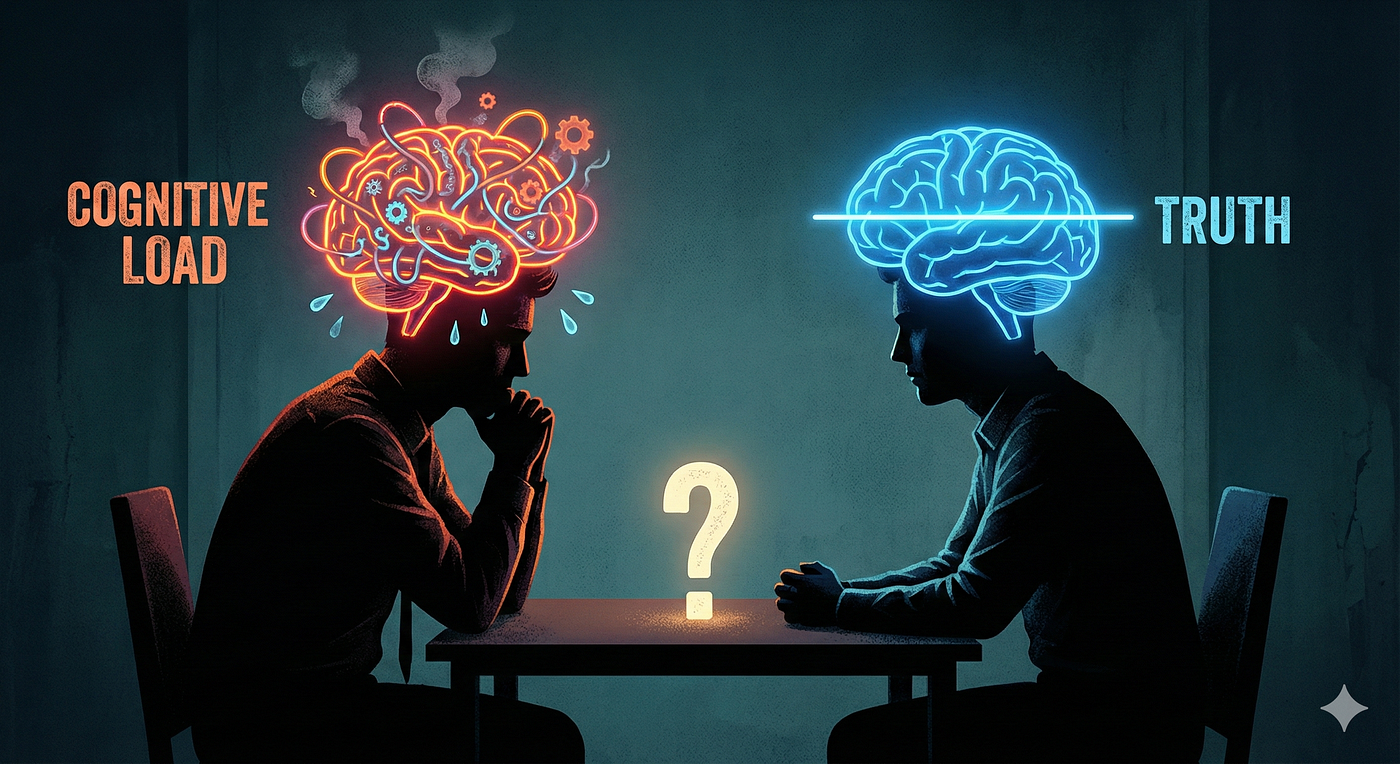
This reduces cognitive load and boosts long-term recall.
🔸 Memory Palace (Method of Loci)
Visualize placing ideas in familiar locations (your home, a street, your office). Your brain remembers images far better than raw text.
🔸 Elaboration
Ask “why?” and “how?” and relate ideas to things you already know. Connection = retention.
🧠 3. Synthesize, Don’t Just Consume
Reading provides inputs. Synthesis turns it into knowledge.
🔸 Connect New Ideas to Old Ones
After reading, ask:
- “Where have I seen this concept before?”
- “How does this relate to my life or work?”
- “What problem does this solve?”
This builds a latticework of knowledge — what Charlie Munger calls “worldly wisdom”.
🔸 Convert Reading Into Output
Teach it. Write it. Use it.
The more you apply, the more you remember.
Examples:
- Write summaries
- Discuss with someone
- Create notes or blog posts
- Try a small project based on the idea
Using knowledge is the highest form of understanding.
🔁 4. Retrieval: The Secret Weapon of Super-Learners
Most people re-read. Top performers recall.
🔸 Active Recall
Close the book and retrieve the information:
- What were the key ideas?
- How would I explain this to a 12-year-old?
This forces your brain to rebuild the memory — the most powerful way to strengthen it.
🔸 Progressive Review
Instead of long, painful review sessions, do short bursts:
- 5 minutes the next day
- 5 minutes next week
- 5 minutes after a month
Controlled forgetting → controlled remembering. 🔥
🔸 Simple Capture Systems
Use:
- Journals
- Notebooks
- Index cards
- Digital notes (Notion, Google Keep)
The goal isn’t perfection — it’s consistency.
💡 5. Mindset Matters More Than You Think
🔸 Curiosity Is Rocket Fuel
When you’re genuinely interested, your brain releases dopamine. Dopamine = stronger memories.
🔸 Growth Mindset Reading
Tell yourself:
“My memory improves every time I use the right strategies.”
This rewires your relationship with learning.
🔸 Patience & Deep Learning
You won’t master anything in one sitting. Real learning comes from spacing, reflecting, and revisiting.
🔸 Healthy Body = Healthy Brain
Your brain remembers better when you:
- Sleep well 😴
- Hydrate 💧
- Exercise regularly 🏃♂️
- Eat nutrient-rich foods 🥗
- Manage stress
A stronger brain = stronger learning.
🌟 Final Thoughts
Remembering what you read is not luck, talent, or magic. It’s the result of systems, not willpower.
If you follow this flow:
👉 Preview → Active Reading → Elaboration → Spaced Review → Retrieval → Application
You’ll retain knowledge more deeply than 99% of people.
Start small. Stay consistent. And watch your reading transform from information… to insight… to lasting wisdom. 🌱💡
메타데이터
- post_id
- 2ae90992d29c
- slug
- how-to-remember-everything-you-read-a-practical-science-backed-guide-2ae90992d29c
- url
- https://medium.com/@shankarganes1994/how-to-remember-everything-you-read-a-practical-science-backed-guide-2ae90992d29c
- canonical_url
- https://medium.com/@shankarganes1994/how-to-remember-everything-you-read-a-practical-science-backed-guide-2ae90992d29c
- author_url
- https://medium.com/@shankarganes1994
- status
- ok
- fetched_at
- 2026-08-11 20:42:03