Psychology of Thugs
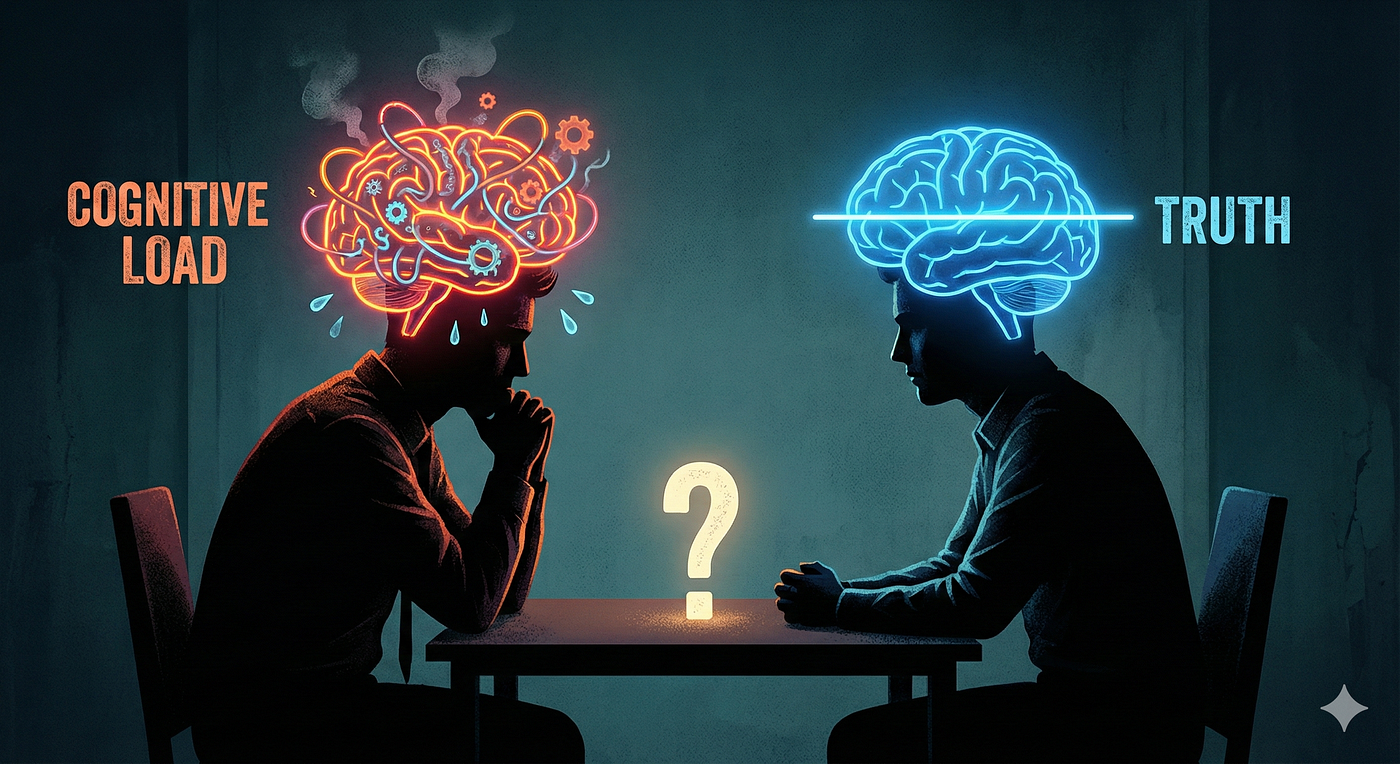
Psychology of thugs once they think they have me figured out:
Psychology of Thugs
Psychology of thugs once they think they have me figured out:
- Get acquaintances in the neighbourhood to monitor your movements.
- Instruct people to stalk and intimidate you by using known triggers to destabilise you emotionally.
- Create poor living conditions through noise and antisocial behaviour in order to wear you down psychologically.
- Make you afraid of going out and gradually drag you into depression.
- Use sleep deprivation and reminders of past hardships to keep you distressed and emotionally exhausted.
- Exploit known vulnerabilities, disabilities, difficult life experiences, and periods of hardship.
- Use personal and private information without authorisation, including CVs, DBS checks and other personal documents, to extract details about your life, circumstances, and vulnerabilities.
- Provoke emotional reactions and then use them against you.
- Create a constant atmosphere of stress, uncertainty, and apprehension.
- Try to convince you that you have more psychological work to do when, in reality, what you may need is rest and recovery.
- If you have already worked through those past experiences, attempt to reopen old wounds in order to pull you back into a state of emotional vulnerability.
- Encourage you to blame yourself for the effects of the hostile environment while the pressure continues around you.
My experience is that there is no single model of harassment that is applied to everyone. The details vary from person to person. After identifying an individual’s vulnerabilities, circumstances, past experiences, routines, and sources of stress, the harassment is tailored to that person. The methods may differ, but the central themes often remain the same: intimidation, emotional destabilisation, social pressure, sleep disruption, isolation, fear, uncertainty, and attempts to undermine confidence and wellbeing.
That is why it is important to pause and allow your feelings to settle before making a decision or taking any action. One of the biggest lessons I learned from Judaism, and one that I am thankful for, is restriction, which is very hard to apply but possible.
Other coercive, intimidating, or bullying behaviours that are often discussed include:
- Isolating you from friends, relatives, colleagues, or sources of support.
- Spreading rumours or misinformation to damage your reputation and credibility.
- Creating confusion by alternating between hostile and seemingly friendly behaviour.
- Making you question your judgement, memory, or perception of events.
- Exploiting periods of illness, exhaustion, unemployment, financial strain, bereavement, or other personal difficulties.
- Creating a constant sense of unpredictability so that you remain on edge.
- Encouraging others to participate indirectly while keeping the main instigators in the background.
- Using public humiliation, ridicule, mockery, or social exclusion to undermine confidence.
- Turning ordinary daily activities into sources of stress and apprehension.
- Targeting areas of personal importance, such as work, housing, family relationships, appearance, beliefs, nationality, disability, or past experiences.
- Keeping pressure at a low but persistent level so that each individual incident appears minor when viewed in isolation.
- Exploiting the fact that prolonged stress and lack of sleep can reduce concentration, confidence, motivation, and emotional resilience.
A person’s disability, health condition, or vulnerability should never be used as a tool for harassment, intimidation, discrimination, or exploitation. In the United Kingdom, many forms of conduct that target a person because of a disability are already prohibited under the Equality Act 2010, particularly in employment, housing, education, and the provision of services. A civilised society should protect people from being targeted because of characteristics or circumstances that may place them at a disadvantage rather than allowing those characteristics to be exploited against them. In general, everyone is entitled to fair treatment and respect, regardles of their background and circumstances.
As a broader observation, many intimidation campaigns, whether carried out by one person or a group, depend more on creating a continuous atmosphere of stress, uncertainty, and exhaustion. The cumulative effect is often more damaging than any single incident.
메타데이터
- post_id
- 2b033d5e555f
- slug
- psychology-of-thugs-2b033d5e555f
- url
- https://medium.com/@adrianapomella/psychology-of-thugs-2b033d5e555f
- canonical_url
- https://medium.com/@adrianapomella/psychology-of-thugs-2b033d5e555f
- author_url
- https://medium.com/@adrianapomella
- status
- ok
- fetched_at
- 2026-07-10 08:43:10