Best Ways to Turn Long Videos Into Shorts With AI
How Creators Are Scaling Content Without Spending Hours Editing
Best Ways to Turn Long Videos Into Shorts With AI
How Creators Are Scaling Content Without Spending Hours Editing

A single podcast episode, webinar, interview, online course, or YouTube video can contain dozens of valuable moments. The challenge is that most audiences no longer consume content in one sitting. Instead, they discover creators through short-form videos on platforms like YouTube Shorts, TikTok, Instagram Reels, and LinkedIn.
For creators, marketers, agencies, educators, and business owners, manually reviewing a one-hour video to find highlight clips can take more time than creating the original content. This is where AI-powered long video to shorts workflows have become increasingly useful.
Rather than searching through timelines frame by frame, AI tools can help identify key moments, generate captions, reformat videos for vertical viewing, and accelerate the entire content repurposing process. Understanding how these workflows work can help teams publish more consistently while making better use of existing content.
If you’re researching platforms that support this process, **TechVideoBlog **provides comparisons, reviews, and educational resources focused on AI video software and creator workflows.
Why Long-Form Content Is the Best Source of Short-Form Content
Many creators approach short-form video as a separate content strategy. In reality, some of the most effective short-form content already exists inside longer recordings.
A podcast interview may contain multiple memorable quotes. A webinar often includes concise explanations that work well as educational clips. Product demonstrations can generate numerous short tutorials. Even virtual events frequently contain moments that can be repurposed into standalone social content.
The advantage of starting with long-form content is that the ideas have already been developed. Instead of brainstorming entirely new content, creators can focus on identifying segments that deserve a second life.
AI tools help streamline this process by analyzing speech patterns, engagement signals, topic transitions, and other indicators that may suggest strong clipping opportunities. While human review remains important, AI can dramatically reduce the amount of time spent searching for highlights.
How AI Simplifies the Long Video to Shorts Workflow
Content Discovery
One of the most time-consuming stages of editing is finding moments worth sharing.
AI-powered systems can scan transcripts and identify sections that contain strong hooks, key insights, audience questions, storytelling moments, or educational takeaways. This helps creators narrow their focus before they begin editing.
Automatic Caption Generation
Captions have become a standard expectation for short-form video audiences. AI caption generators can automatically transcribe spoken content and create synchronized subtitles.
Since transcription accuracy can vary depending on audio quality, accents, and terminology, creators should always review generated captions before publishing.
Vertical Video Formatting
Long-form content is often recorded in horizontal formats designed for YouTube or presentations. Short-form platforms typically prioritize vertical video experiences.
AI editing tools can automatically crop, reframe, and track speakers throughout a clip. This helps maintain visual focus while adapting content for mobile-first viewing environments.
Social Media Optimization
Some platforms can suggest titles, clip lengths, visual layouts, and other editing recommendations designed to support social media publishing.
Capabilities vary across providers, so it is always worth reviewing current documentation and feature availability before choosing a platform.
Choosing the Right Long Video to Shorts Software
The growing number of AI video editing platforms can make software selection difficult. Instead of focusing on marketing claims, creators should evaluate tools based on workflow compatibility.
Content Type Compatibility
A podcast creator has different requirements than an eCommerce brand. Educational content creators often need accurate transcription and chapter segmentation. Marketing teams may prioritize branding and social publishing features.
Understanding your content format helps narrow the list of suitable solutions.
Editing Flexibility
Some AI tools emphasize automation while others provide more manual control.
Fully automated workflows may save time but offer fewer customization options. Teams with specific brand requirements often benefit from software that allows additional editing after AI processing.
Caption Quality
Caption accuracy directly affects audience experience.
Creators should test multiple videos before committing to a workflow. Industry terminology, speaker overlap, and audio quality can all impact transcription performance.
Output Formats
Publishing requirements vary across platforms. Teams should confirm supported export options, aspect ratios, and video quality settings before making a decision.
Those comparing available solutions may find **Best Long Video to Shorts Tools** helpful when evaluating different approaches to video repurposing.
What Most Creators Get Wrong
Many creators assume AI will completely replace the editing process. In practice, the most successful workflows combine automation with human judgment.
AI can identify potential clips, but it cannot always understand audience context, brand positioning, humor, emotional nuance, or platform-specific trends.
Another common mistake is publishing every clip generated by an AI tool. Quantity does not automatically lead to better results. Strong short-form content still requires selection, refinement, and editorial review.
Some teams also focus exclusively on clip creation while ignoring distribution strategy. Creating fifty Shorts each month will not necessarily improve performance if titles, thumbnails, captions, and publishing schedules are neglected.
Finally, many organizations choose software based solely on feature lists. A tool with fewer features but a smoother workflow often delivers better long-term results than a platform packed with options that remain unused.
Building a Sustainable Content Repurposing System
The most effective creators view short-form content as part of a larger content ecosystem.
A single workflow might look like this:
Record a podcast episode.
Generate a transcript.
Use AI to identify highlight segments.
Create multiple Shorts from key moments.
Publish clips across TikTok, YouTube Shorts, LinkedIn, Instagram Reels, and other relevant channels.
Use audience engagement data to identify topics worth expanding into future long-form content.
This approach transforms one recording session into dozens of content assets without requiring separate production efforts for every platform.
For agencies managing multiple clients, the efficiency gains can be even more significant. Teams can create repeatable workflows that reduce editing bottlenecks while maintaining quality standards.
Comparing AI Video Repurposing Platforms
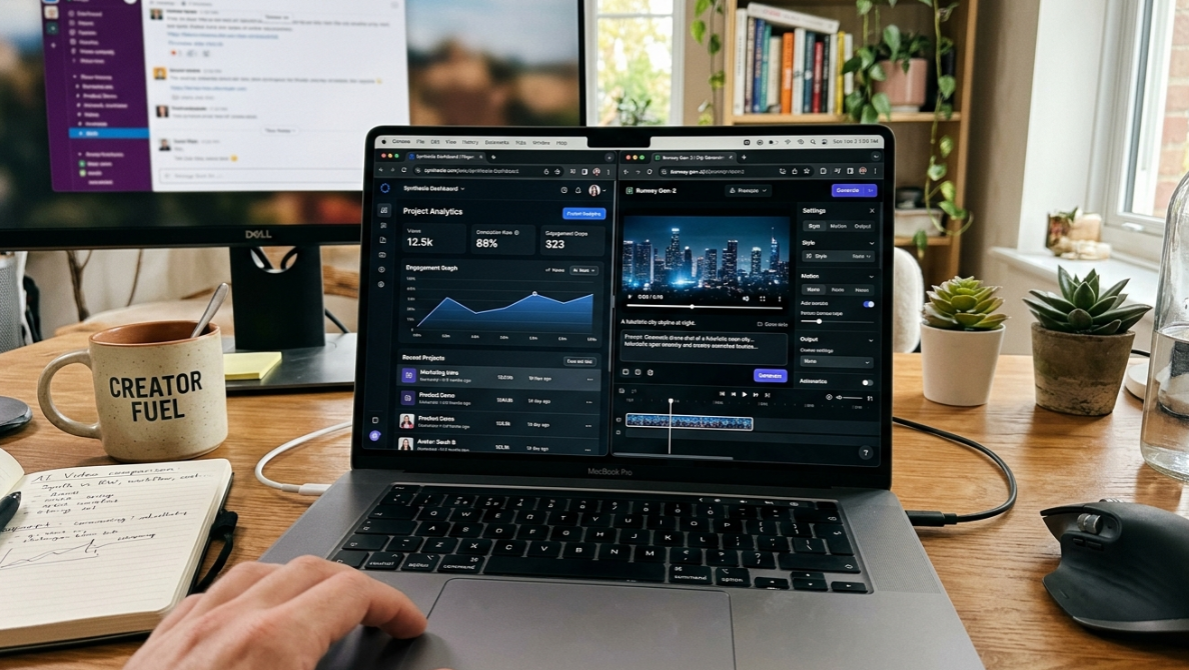
Not every platform approaches video clipping in the same way.
Some focus heavily on automated highlight detection. Others prioritize editing flexibility, caption customization, or social media publishing workflows.
For example, creators researching differences between popular clipping platforms may benefit from reviewing **Opus Clip vs Vizard**, which explores distinctions between two well-known solutions in the AI video repurposing space.
When evaluating any platform, creators should test real content rather than relying solely on feature descriptions. A workflow that works exceptionally well for podcasts may produce different results for webinars, educational videos, or product demonstrations.
Conclusion
Turning long videos into shorts is no longer just a productivity shortcut. It has become an essential strategy for maximizing the value of existing content and reaching audiences across multiple platforms.
AI tools can help identify highlights, generate captions, reformat videos, and streamline editing workflows, but successful content repurposing still depends on thoughtful editorial decisions and audience understanding. The best results come from combining automation with human creativity.
For creators, marketers, agencies, educators, and businesses looking to build efficient video workflows, researching available solutions before committing to a platform can save significant time and resources. Resources such as TechVideoBlog and its guides on long video to shorts software, AI video editors, and creator workflows can help simplify that evaluation process while keeping teams informed about evolving AI video technology.
메타데이터
- post_id
- 2b0ac27bbc96
- slug
- best-ways-to-turn-long-videos-into-shorts-with-ai-2b0ac27bbc96
- url
- https://medium.com/@miraflynn8203/best-ways-to-turn-long-videos-into-shorts-with-ai-2b0ac27bbc96
- canonical_url
- https://medium.com/@miraflynn8203/best-ways-to-turn-long-videos-into-shorts-with-ai-2b0ac27bbc96
- author_url
- https://medium.com/@miraflynn8203
- status
- ok
- fetched_at
- 2026-06-09 15:37:30





