RFID, GPS or BLE: Which asset tracking technology is right for your business?
Not all asset tracking is equal. The same technology that’s a dream come true for hospitals tracking medical devices is the complete wrong…
RFID, GPS or BLE: Which asset tracking technology is right for your business?
Not all asset tracking is equal. The same technology that’s a dream come true for hospitals tracking medical devices is the complete wrong technology for a logistics business monitoring long-haul trucks. Picking the correct approach all starts with understanding what the technology actually does — and where it doesn’t work.
This breakdown in simple language explains three of the most popular asset tracking technologies.
— -
RFID
Fast, precise, built for volume
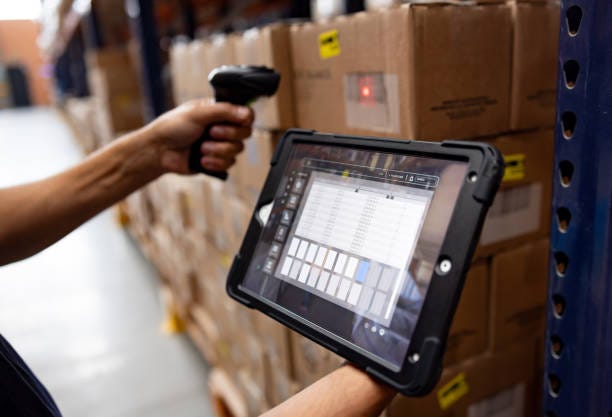
RFID operates by fitting small tags to individual assets. An RFID reader — either handheld or fixed at various entrance and exit points — quickly scans all tags, logging the data as they pass through. You don’t need line-of-sight to read the tag, and hundreds of items could potentially be scanned within a matter of seconds.
RFID is an excellent solution for places where large numbers of items need to be accurately monitored. Facilities such as warehouses, inventory rooms in shops, manufacturing facilities and data centers all benefit a great deal. This technology can quickly be implemented for inventory checks, tracking of item check-in and check-out procedures, and ensuring audit trails are maintained.
The one limitation is range, as RFID works well over very short distances only. Range can be from a couple of centimeters up to several meters depending on the frequency. While you can know that a piece of equipment passed through a particular gateway, the exact location of the equipment within a 10-acre facility is unknown at this point.
— -
GPS
Real-time location anywhere outdoors
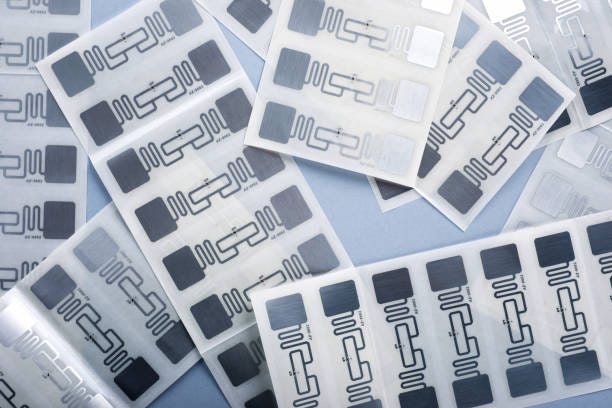
GPS trackers work by sending satellite signals to pinpoint the precise location of the asset at all times. Any movement of the asset will be clearly displayed in real-time on a map from anywhere in the world.
This is obviously a good option for anything that moves a lot, such as vehicles, heavy plant and machinery, containers being shipped around the world and various pieces of equipment working outdoors. GPS also facilitates the use of geofencing-which are virtual boundaries which will notify you as soon as an asset crosses them, providing a very effective deterrent to theft and giving you much greater fleet management control.
There is however a problem with GPS technology, which is the requirement for a clear line-of-sight to the satellites. GPS technology does not work indoors, in such places as warehouses or in busy city centers where signal interference is likely. It uses more power than most other tracking technologies which can be important if the asset you wish to track isn’t mobile, such as on non-motorized equipment, for example.

— -
BLE
Accurate indoor location without infrastructure constraints
BLE beacons are cheap and very easy to install as they do not rely on a lot of power. The tags emit a beacon signal which is picked up by a system of receivers enabling location to be calculated, indoors, within reasonable accuracy.
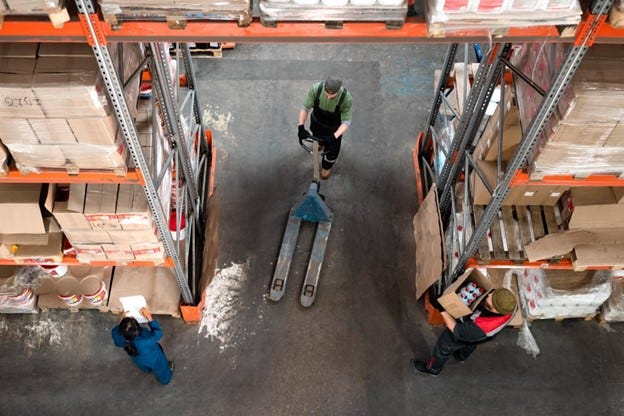
BLE is the best solution for tracking items in places like hospitals or even the average office building and multi-story premises. Nurses can track infusion pumps to specific wards, or office IT managers can track laptops within the building. This technology is much easier and cheaper to install than a fully operational RFID system and the low cost allows tags to be widely distributed within the building.
The compromise here is that BLE is nowhere near as accurate as the other two systems, and while it’s accurate enough for general location to be established within a room or defined zone it’s not able to establish exact location. In order to use BLE it is also necessary to have a receiver within the building.
— -
So which one should you be using?
The straightforward answer is that most companies eventually require more than one tracking method. A business with a distribution center, transport fleet and offices could require an RFID tracking system for items held in the warehouse, GPS tracking for vehicles and even a BLE tracking system for equipment within the office building — all fed into one cohesive system.
This is exactly what it is intended for in a united solution. Keeping track of 3 different systems across 3 different dashboards is the height of operational management challenges.
AssetTrackPro combines all RFID, GPS and BLE tracking systems, and further integrates them with IoT sensors, giving you everything you need all under one roof-one dashboard, one data source, and a clear view of every item you own.
Check out AssetTrackPro and find the right choice for your business.
메타데이터
- post_id
- 2b1395905abf
- slug
- rfid-gps-or-ble-which-asset-tracking-technology-is-right-for-your-business-2b1395905abf
- url
- https://medium.com/@smrativermawork/rfid-gps-or-ble-which-asset-tracking-technology-is-right-for-your-business-2b1395905abf
- canonical_url
- https://medium.com/@smrativermawork/rfid-gps-or-ble-which-asset-tracking-technology-is-right-for-your-business-2b1395905abf
- author_url
- https://medium.com/@smrativermawork
- status
- ok
- fetched_at
- 2026-06-10 12:26:30