Top 5 Accessories Every Amateur Astronomer Should Own
Astronomy is one of the most rewarding hobbies — there is nothing quite like capturing the beauty of the Moon, Saturn’s rings, or deep-sky…
Top 5 Accessories Every Amateur Astronomer Should Own
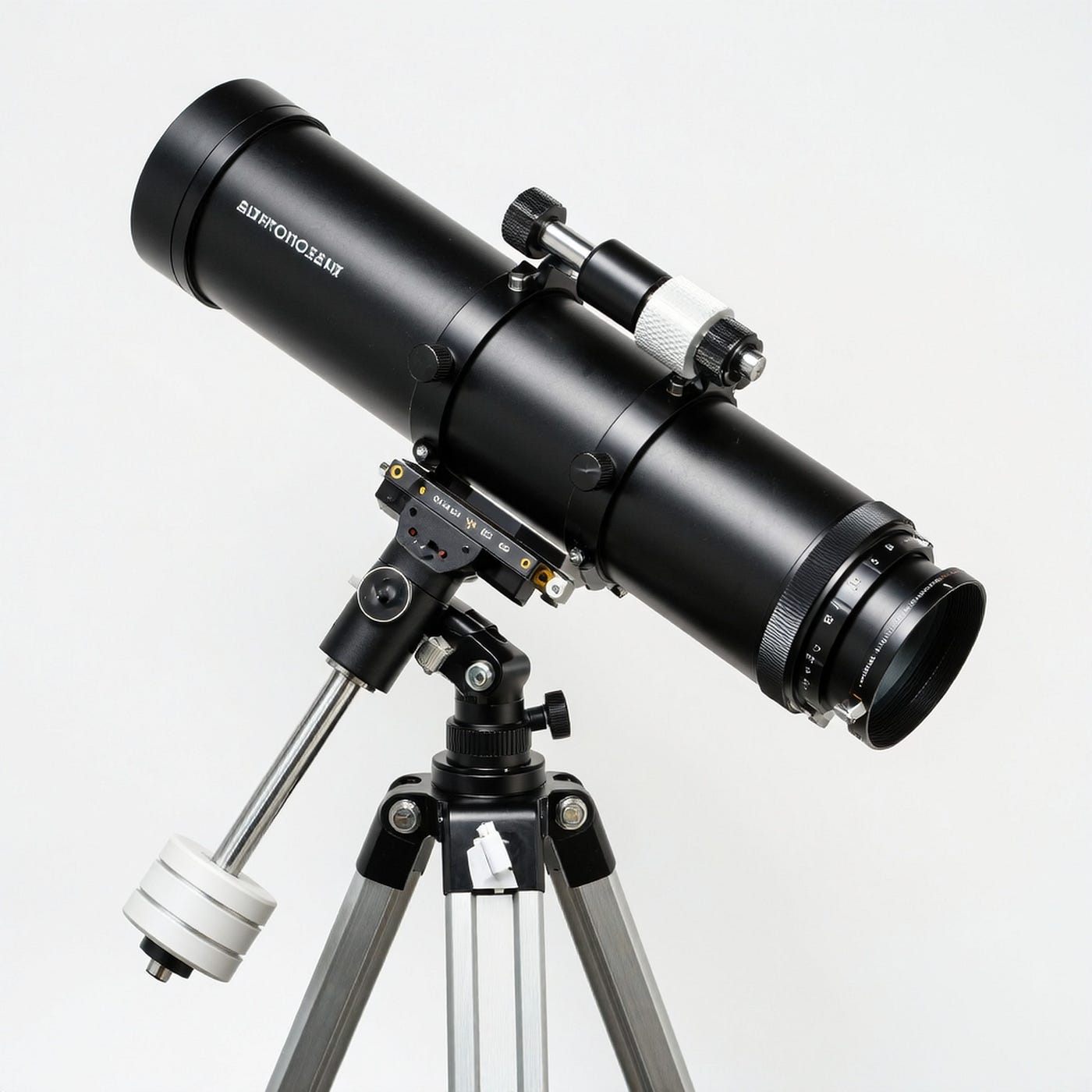
By Sky Deep — Your Trusted Astronomy & Telescope Store in Pakistan
Astronomy is one of the most rewarding hobbies — there is nothing quite like capturing the beauty of the Moon, Saturn’s rings, or deep-sky nebulae through your own telescope. Whether you are just getting started or already familiar with telescopes and astronomy, having the right accessories can dramatically improve your viewing and imaging experience.
Before discussing accessories, it’s useful to understand that the type of telescope you use affects what accessories you may need. Many beginners compare reflector vs refractor telescope models when choosing. Refractors are known for sharp planetary views, while reflectors usually offer larger aperture at a more affordable price. Models like the best refractor telescope, 150mm refractor telescope, or 6 inch refractor telescope are popular among enthusiasts due to their clarity and impressive light-gathering ability.
No matter which refractor or reflector telescope you own, the following accessories are essential for unlocking the best performance.
1. Quality Eyepieces
Eyepieces are as important as the telescope itself. A telescope’s optical tube gathers the light, but the eyepiece determines how it is delivered to your eye. Many stock eyepieces included with telescopes are basic and limit clarity.
Why you need good eyepieces:
- Clearer, sharper images
- Improved magnification options
- More comfortable viewing experience
Recommended eyepiece focal lengths:
- 8mm–12mm for planetary and lunar viewing
- 20mm–32mm for deep sky objects
A single telescope can perform like two or three different telescopes when paired with the right eyepieces. For example, pairing a 6 inch refractor telescope with a high-quality wide-angle eyepiece can reveal stunning star clusters and nebulae with excellent contrast.
2. Barlow Lens
A Barlow lens multiplies the magnification of your eyepieces (usually 2x or 3x), allowing you to view celestial objects in greater detail without purchasing additional eyepieces.
Benefits:
- Cost-effective magnification boost
- Better for viewing planets like Jupiter, Saturn, and Mars
- Makes smaller details easier to observe
For example, if you have a 20mm eyepiece and use a 2x Barlow lens, it behaves like a 10mm eyepiece — perfect for planetary viewing.
3. Star Diagonal or Zenith Mirror
A star diagonal helps you observe comfortably by redirecting the viewing angle. Instead of bending over awkwardly, you can look down through the eyepiece.
Advantages:
- More comfortable viewing posture
- Correct upright image (important for terrestrial viewing)
Refractor telescopes, especially the **best refractor telescope** models, benefit greatly from a high-quality diagonal to reduce light loss and improve image sharpness.
4. Telescope Mount & Tripod Upgrade
Even the world’s best telescope will disappoint if mounted on a shaky tripod. A solid equatorial or alt-azimuth mount provides stability and smoother tracking of celestial objects.
Equatorial Mounts: Best for astrophotography and long tracking Alt-Azimuth Mounts: Simple manual control for beginners
If you are exploring digital observing, Smart Telescopes now offer automated alignment, object locating, and tracking — making astronomy extremely beginner-friendly.
5. Filters (Moon, Light Pollution & Narrowband)
Filters are essential to enhance contrast and clarity, especially in cities where light pollution affects visibility.
Moon Filter: Reduces brightness and improves lunar detail Light Pollution Filter: Helps see nebulae and galaxies from city skies Narrowband Filters: Essential for deep-sky astrophotography
Pairing a light pollution filter with a 150mm refractor telescope can dramatically improve nebula visibility in urban areas like Lahore or Karachi.
Additional Pro Tip: Learn Post-Processing
For astrophotographers, capturing is only half the process. Software like Siril, DeepSkyStacker, and PixInsight allow you to enhance and refine your images to reveal hidden details in galaxies, clusters, and nebulae.
Telescope Price in Pakistan
Prices vary depending on aperture, brand, and features. Here’s a general idea:
Telescope Type Approx. Price Range in Pakistan Beginner TelescopesRs. 25,000 — Rs. 80,000Medium Refractor Telescopes (like 150mm)Rs. 200,000 — Rs. 500,000+Smart Telescopes / Advanced Astrophotography GearRs. 300,000 — Rs. 1,200,000+
Sky Deep provides **authentic telescopes**, accessories, and astrophotography equipment with guidance and nationwide delivery.
Conclusion
The right accessories make astronomy easier, clearer, and significantly more enjoyable. While the telescope is your foundation, accessories like eyepieces, Barlow lenses, filters, and stable mounts unlock its full potential.
Whether you’re learning the difference between reflector vs refractor telescope models or searching for the best refractor telescope available today, investing in the correct gear ensures every night under the stars is worth remembering.
메타데이터
- post_id
- 2b3f4e7e28ae
- slug
- top-5-accessories-every-amateur-astronomer-should-own-2b3f4e7e28ae
- url
- https://medium.com/@skydeep805/top-5-accessories-every-amateur-astronomer-should-own-2b3f4e7e28ae
- canonical_url
- https://medium.com/@skydeep805/top-5-accessories-every-amateur-astronomer-should-own-2b3f4e7e28ae
- author_url
- https://medium.com/@skydeep805
- status
- ok
- fetched_at
- 2026-07-17 14:15:42