5 Simple and Doable Tips to Heal Your Alcohol Damaged Brain
Is it time to repair that pickled brain?
THE SCIENCE OF ALCOHOL
5 Simple and Doable Tips to Heal Your Alcohol Damaged Brain
Is it time to repair that pickled brain?

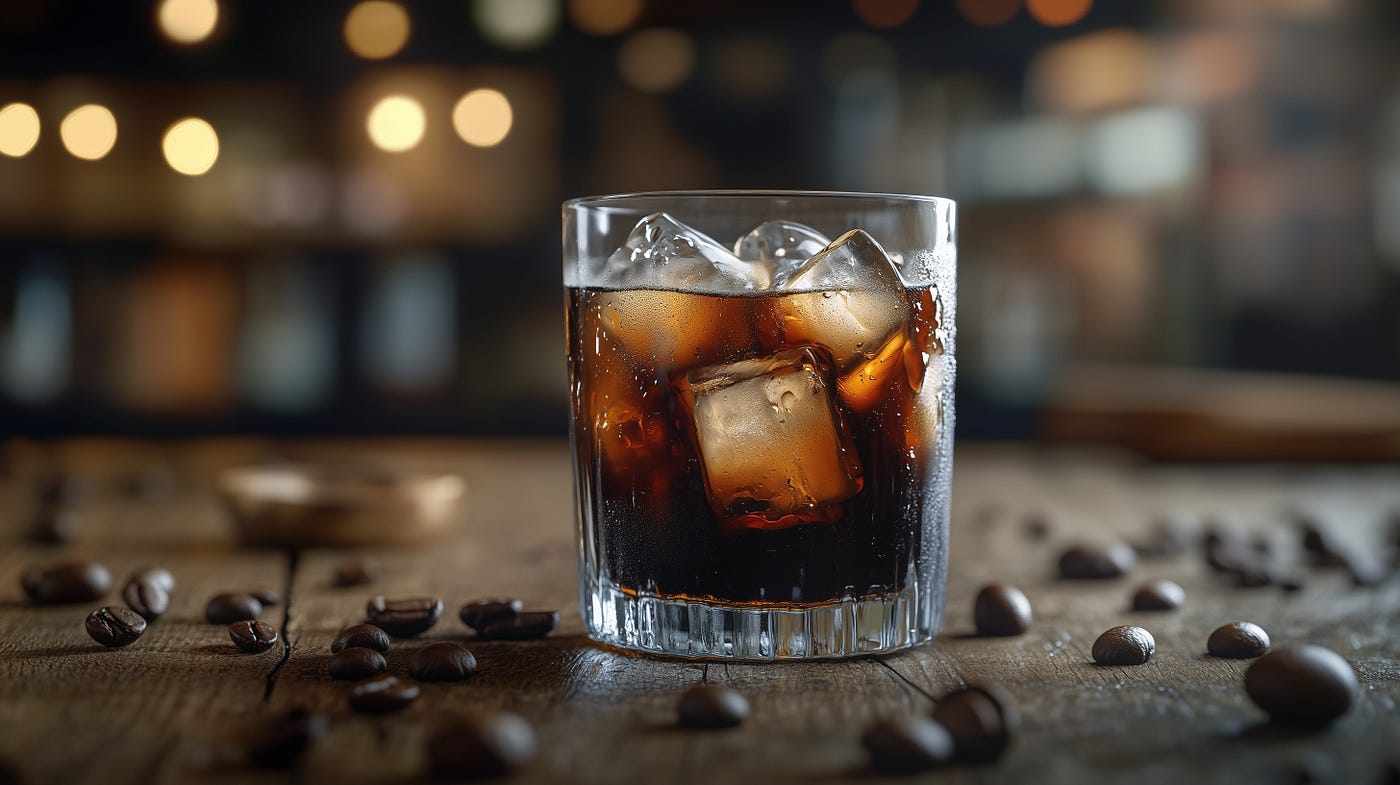
Alcohol on the brain is not a joke. The author is licensed by stock.adobe.com.
I used alcohol to escape.
To where I have no idea.
I was newly retired, reunited with my high school sweetheart after each of us had married, raised families, and divorced our spouses.
Life was easy. Maybe that was the problem.
I no longer had a purpose except to do what I pleased and enjoy the happy hour with hubby.
By the time I was retired for five years, I knew I had to quit drinking.
I didn’t sustain a drunken fall or have blackouts.
I did, however, have a major concern that I was damaging my brain beyond repair.
Something had to be done.
So, I quit.
No, not just like that. It took two full years of reading tons of quit-lit books before I was ready.
The message that alcohol was poison hit me hard.
There was not a single positive thing about it.
Plus, now we also know that the World Health Organization (WHO) states:
No level of alcohol consumption is safe for our health.
Why would I continue to put ethanol into my precious body?
I’m ashamed and a bit mortified that it took me so long to wake up and see the harm I was inflicting on my precious brain.
Signs of Alcohol-Induced Brain Damage
There are signs of alcohol-induced brain damage, and symptoms may vary depending on the type of brain damage caused.
- Confusion
- Decreased muscle coordination
- Difficulty learning
- Difficulty remembering things
- Inability to form new memories
- Slurred speech
- Agitation
- Unequal pupil size
- Decreased or no responsiveness
- Difficulty communicating
Photo by Usman Yousaf on Unsplash
I wrote about five more ways alcohol damages your brain. These are serious physical issues that we should not take lightly.
The NIH (National Institutes of Health) reports that the effects of abstinence from alcohol typically peak and are maintained after 5–7 years of complete abstinence. However, the most salient effects occur within the first year.
Any further damage due to alcohol abuse is also negated if one stops drinking. However, many of the changes that have occurred in the brain are not completely diminished.
The NIH further explains that the amount of physiological and functional impairment an alcohol abuser will continue to experience is dependent on:
- The length of time the person abused alcohol, and how much alcohol was typically consumed.
- Whether or not the individual used alcohol in conjunction with other drugs, including tobacco.
- Family history and genetic factors.
- Other general health factors, such as the individual’s dietary habits, the amount of exercise they typically get, and the presence of any co-occurring conditions.
As we see, healing the brain is dependent on many individual factors.
As I mentioned, I drank for many years, but only the last five were daily and excessive.
I also exercised throughout the years, and my diet was primarily healthy. (Except while imbibing — when I ate carelessly).
Here are 5 tips for healing the brain after quitting drinking:
- Exercise and Physical Activity
Exercise promotes physical health and offers numerous mental health benefits, including improved brain function and the growth of new brain cells.
Regular exercise can help reduce common relapse triggers such as stress and anxiety, making it a crucial part of the recovery routine to support brain healing.
Photo by Unsplash on Unsplash
2. Get Enough Sleep
Sleep is essential for overall health and well-being and is especially crucial for repairing damaged brain cells.
Chronic alcohol abuse can disrupt sleep patterns, making it challenging to get enough restful sleep. Aim for at least seven to eight hours of sleep each night to support your recovery and improve brain function.
Discuss strategies to improve sleep quality with your healthcare provider if you have trouble sleeping.
3. Eat a Balanced Diet
A healthy and balanced diet is essential for overall health and well-being, but especially important for healing the brain after alcohol abuse.
The brain requires specific nutrients to function correctly and repair damage caused by alcohol abuse. Plenty of fruits, vegetables, whole grains, and lean protein can provide the necessary nutrients to support brain healing.
Avoid processed foods, sugary drinks, and fats, which can interfere with healing.
4. Practice Mindfulness and Stress Reduction Techniques
Chronic stress can interfere with brain healing and can increase the risk of relapse. Mindfulness and stress-reduction techniques, such as meditation and yoga, can help promote relaxation. Incorporating these techniques into your daily routine can help support brain healing and improve overall well-being.
5. Seek Treatment
A professional treatment center can help you detox safely if that may be an issue.
To help with quitting and recovery, inpatient or outpatient facilities are available. As are 12-step programs, SMART Recovery meetings, and SAMHSA.
Therapy and medication can also be helpful tools to support brain healing and long-term recovery.
Photo by Vitaly Gariev on Unsplash
As you can see, whatever is good for your body is good for healing your brain.
I always exercised, but now I was excited and motivated to expand my routine and try pickleball.
I cleaned up my diet and added daily guided meditations (I use the Unplug and Insight Timer apps).
I began writing and sharing many areas of my life.
Eventually, I knew it was time to reveal the alcohol issue that was such a huge part of my life.
Writing and admitting my drinking problem was a relief. It helped me deal with the shame of my addiction.
Readers responded and reminded me that I wasn’t alone.
My life today is unrecognizable from the life I was living while drinking.
There is no reason ever to drink again.
Why would I want to return to a foggy mind, an uncooperative body, and an unproductive, unfulfilling life?
Yes, you can heal your brain — it begins with dumping ethanol from your life.
Begin today.
메타데이터
- post_id
- 2b3fcbdcc0e7
- slug
- 5-simple-and-doable-tips-to-heal-your-alcohol-damaged-brain-2b3fcbdcc0e7
- url
- https://ainyf.com/5-simple-and-doable-tips-to-heal-your-alcohol-damaged-brain-2b3fcbdcc0e7
- canonical_url
- https://ainyf.com/5-simple-and-doable-tips-to-heal-your-alcohol-damaged-brain-2b3fcbdcc0e7
- author_url
- https://medium.com/@dianaleotta
- status
- ok
- fetched_at
- 2026-06-15 20:49:13