Patience, Panic of Self-Publishing
What I Learned About Sales, Stats, Silent Suffering
Patience, Panic of Self-Publishing
What I Learned About Sales, Stats, Silent Suffering
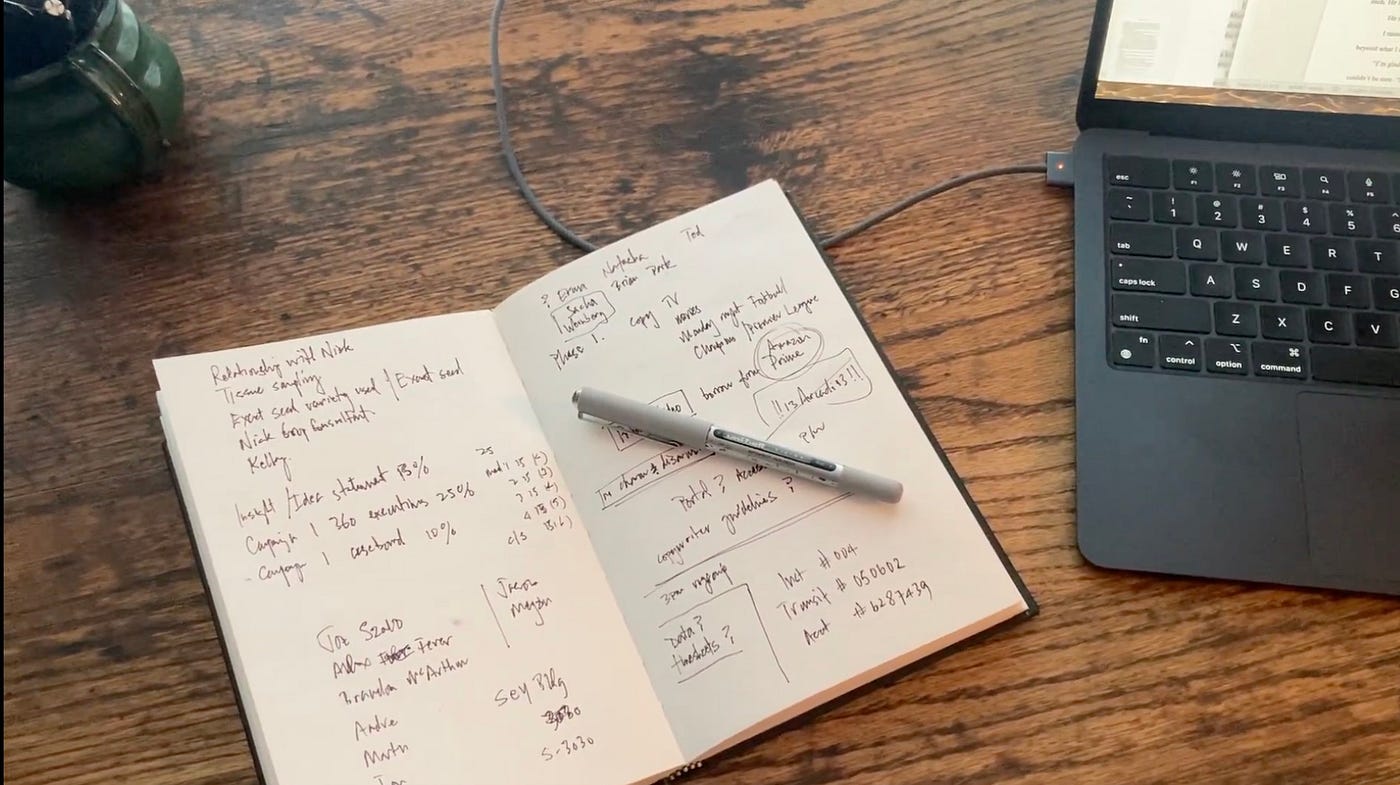
Photograph of the author’s writing desk
The Part Nobody Mentions
When you decide to self-publish, most of the advice you’ll find is practical. Covers, keywords, categories. Pricing strategies that sound like they were developed by economists who’ve never met a reader.
All of that’s useful. Some of it even works.
What doesn’t get mentioned nearly as often is what happens after you hit publish. Specifically, what happens to your brain. Because self-publishing isn’t just logistical. It’s emotional. And it turns out your inner life isn’t especially well-suited to real-time feedback.
The Dashboard Becomes a Personality
At some point, you’ll discover your sales dashboard. A useful tool, it feels harmless enough. A way to stay engaged with your “author business.”
Within a week, you’ll be checking it more often than your phone.
Numbers go up: you’re a genius. Numbers go down: literature is over. The dashboard doesn’t just report performance. It narrates your self-worth, in a tone that’s both confident and wildly unqualified.
Imposter Syndrome, Now With Data
Writers have always dealt with imposter syndrome. Self-publishing simply upgrades it with shiny analytics.
At your fingertips you have numbers. Precise, unblinking numbers that suggest fewer people are reading your book than you’d ideally like.
This doesn’t create imposter syndrome. It industrializes it. You don’t just feel like a fraud. You have charts.
Comparison Is a Full-Time Job
Self-publishing also introduces you to other writers. Not in any supportive sense. More in a “they’re doing things so much better than you” sense.
You’ll see posts about launches that went well. Ads that are “converting beautifully.” Series that are “gaining traction.” Nobody posts: “Sales were modest and my confidence fluctuated slightly.”
So you compare. Their numbers. Their progress. Their calm to your increasingly creative interpretations of disaster.
Comparison fatigue sets in. Not because you’re weak, but because the data is relentless.
Algorithm Anxiety Is Real
At some point, you’ll become aware of “the algorithm.” It’ll be described as something you can influence, understand, possibly even master with enough effort and the correct sequence of keywords.
When sales rise, you assume you’ve pleased it. When they fall, you assume you’ve offended it in some subtle, unknowable way.
So you adjust things. Blurbs. Prices. Ads. Occasionally your sense of self-worth.
Sometimes it helps. Sometimes it doesn’t. The connection between action and outcome is rarely as clear as you’d like. You’re left negotiating with a system that doesn’t return your calls.
The Long Silence
There’s a stretch after publishing where nothing appears to happen. No surge. No collapse. Just a steady, unremarkable silence where the book exists, but not in a way that generates excitement or validation.
This is where patience is supposed to take over. It doesn’t, at least not immediately. Instead, you get restlessness. Doubt. A growing suspicion that the book is already just a memory.
This is normal. It’s also the part most likely to derail you. Because the absence of response feels like feedback, even when it isn’t.
The Temptation to Overcorrect
When the numbers aren’t kind, the instinct is to fix something. Anything.
Rewrite the blurb. Change the cover. Adjust the price. Start a new series. Abandon the current one. Learn ads. Unlearn ads. Consider a mild career change.
Activity feels like control.
Sometimes it’s useful. Often it’s just motion. Not every dip requires intervention. Not every plateau is a problem. But it’s difficult to sit still when the data suggests something should be happening and isn’t.
What Actually Helps
What helps, in a distinctly unglamorous way, is returning to the work. Writing the next book. Not because it fixes everything immediately, but because it’s the only part of the process you control.
Consistency builds distance from the noise. One book is an event. Several books are a body of work. And a body of work is much harder for your brain to catastrophize about on a Tuesday afternoon.
Patience Is Not Passive
Patience, in self-publishing, isn’t waiting. It’s continuing. It’s showing up when the dashboard is unconvincing.
Panic will still appear. Almost always at inconvenient times. The goal isn’t to eliminate it. It’s to make sure it doesn’t get a vote.
The Illusion of Self-Control
Self-publishing gives you control. It also gives you visibility. And visibility comes with opinions — most of them generated by your own brain. You’ll question the work. The strategy. The entire premise of writing books in the first place.
And then, if you’re sensible or stubborn (ideally both), you’ll write another one. It’s less dramatic than the stories we like to tell about success. But it’s considerably more sustainable.
For more reflections on how to write a novel, and the self-publishing journey behind my series: the Andrew MacKay thrillers, visit my website. Or listen to my mini podcast. Or you can visit my YouTube channel.
If you found this essay useful, here are two other pieces you might like:
-
Self-Publishing Mistakes I Wish I Knew Before I Started
-
Self-Publishing Myths That Need to Die (Preferably with Fire)
메타데이터
- post_id
- 2b4168622b69
- slug
- patience-panic-of-self-publishing-2b4168622b69
- url
- https://medium.com/@jsdunlop/patience-panic-of-self-publishing-2b4168622b69
- canonical_url
- https://medium.com/@jsdunlop/patience-panic-of-self-publishing-2b4168622b69
- author_url
- https://medium.com/@jsdunlop
- status
- ok
- fetched_at
- 2026-06-22 00:13:37