School Divided People by Scores,But the World Moved Through Completely Different Abilities
Cole Healing Essays by 정성래
School Divided People by Scores,But the World Moved Through Completely Different Abilities
Cole Healing Essays by 정성래
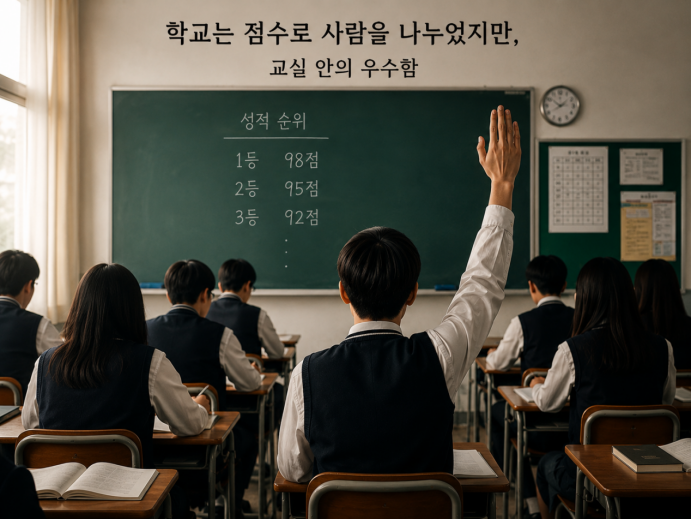
During our school years, we grew up believing in a formula so naturally that we rarely questioned it.
If you studied hard, you would enter a good university. If you entered a good university, you would get a good job. And if you got a good job, you would eventually become successful and happy.
Teachers said it. Parents repeated it. Society itself reinforced it. Test scores were treated not as simple numbers, but as predictions of a person’s future. Students with high grades were called “promising,” while those who struggled academically or appeared distracted were often seen as lacking something important.
There were always students like that inside every classroom.
The ones who sat upright during lessons, carefully copied every word from the board, memorized exam material precisely, and solved problems with almost no mistakes. Their names always appeared near the top of the rankings after every exam. Teachers looked at them with pride, and parents hoped their own children would become like them.
At the time, very few of us questioned this system. Academic performance appeared to be the most objective way to measure human ability.
But there were also completely different kinds of students sitting in the same classroom.
The ones who gathered around friends during every break, ran across playgrounds, wandered into other classrooms for no particular reason, and cared more about people than test scores. They struggled to focus on textbooks, yet they were deeply curious about the world around them. Some were constantly getting scolded for joking too much. Others seemed far more interested in relationships than exams.
Teachers often looked at them and asked, “What are you going to become if you keep acting like this?”
Back then, schools divided children in a very simple way.
Students who performed well academically were considered excellent. Those who did not were quietly categorized as average, careless, or inadequate.
But after stepping into society and living through enough years, many of us begin noticing something strange.
The students who achieved the highest grades during school do not always become the happiest or most successful people later in life.
Of course, academic ability is still a valuable talent.
Focus, discipline, comprehension, and self-management are meaningful strengths in adulthood as well. Many high-achieving students eventually enter respected universities and stable careers.
The problem begins after that.
Because stability and happiness are not the same thing.
One friend entered a prestigious corporation that everyone admired. The salary was excellent. The benefits were generous. From the outside, his life looked perfect.
But one night, during a reunion dinner after many years apart, he quietly placed his glass down and said something unexpected.
“I’m still afraid of Monday mornings.”
He had spent years living inside constant evaluation.
Watching his manager’s expressions. Reading the atmosphere of the organization. Remaining tense so he would never make mistakes. Inside the company, he was incredibly responsible and hardworking, yet the feeling of truly living his own life had slowly begun fading away.
Meanwhile, another friend who had never stood out academically opened a small restaurant.
The early years were brutally difficult. He woke before dawn to visit markets for ingredients and stayed late every night cleaning the store. Sometimes he worked the entire day and barely earned enough to rest comfortably.
Yet strangely, his face became brighter over time.
“It’s hard,” he once said, smiling, “but at least this is a life I’m building myself.”
There was a kind of energy inside those words that was difficult to explain.
Another friend had always been surrounded by people during school days.
At the time, most of us thought he simply enjoyed socializing too much. He was never famous for studying. But years later, he entered distribution and trade, and suddenly his strengths became obvious.
People trusted him naturally.
Business partners liked him. Relationships lasted. He understood that trust mattered more than contracts. Over time, his business expanded steadily, and eventually he achieved greater financial freedom than some of the classmates who had ranked first academically.
Looking back now, perhaps schools judged human ability far too narrowly.
Schools evaluate only a very small portion of what human beings are capable of.
They measure how quickly someone understands a problem, how accurately they memorize information, and how flawlessly they reproduce the correct answer. Those are certainly important abilities.
But they do not explain an entire human being.
People possess countless other forms of intelligence.
The ability to read emotions. The ability to build relationships. The instinct to recognize changing trends. The resilience to rise again after failure. The courage to make decisions under uncertainty. The warmth that makes others feel comfortable.
Schools rarely measure these things.
Yet society often depends on them.
Many entrepreneurs, business owners, and creators were never exceptional students. They may not have excelled at solving exam questions, but they possessed something equally powerful: the ability to understand people and reality itself.
They learned how trust works. How opportunities appear. What moves human hearts. How relationships become networks. How failure teaches lessons no textbook can offer.
And the real world rewards these abilities constantly.
Business has no answer sheet.
There is no fixed range of material to memorize. Human emotions do not move according to formulas, and society rarely unfolds exactly as predicted.
That is why the ability to read people and navigate uncertainty often becomes more valuable than simply solving problems correctly.
This difference becomes strangely visible during school reunions.
Everyone laughs together after years apart, shares old memories, and enjoys a meal together. Then eventually, the bill arrives.
At that moment, subtle differences begin to appear.
Some people quietly reach for calculators. They carefully calculate how much each person owes and wait for someone to mention splitting the bill equally.
Because for those living within salary structures, money often feels directly connected to labor and time. Spending naturally becomes something measured and calculated.
But then another classmate suddenly says with a smile,
“Don’t worry about it. Today is on me.” “We haven’t seen each other in years. Why are we calculating this?”
What is interesting is that the person saying this is not always the student who ranked first in school.
More often, it is the classmate who loved people, wandered everywhere, and seemed distracted during childhood.
Why?
Because people who have built businesses often begin seeing money differently.
Not simply as numbers to protect, but as flow.
Money used for relationships. Money used to create meaningful moments. Money spent preserving warmth, trust, and memories.
And in reality, many of those people eventually become financially successful as well.
The student who once appeared average inside the classroom sometimes grows into someone remarkably successful in society, while the top-ranked student may continue living safely within structured systems.
Because schools and real life reward completely different abilities.
Schools reward people who find the correct answer fastest.
But life often rewards those who continue moving even when no answer exists.
And happiness itself never arrives according to academic rankings.
Happiness often comes closer to the feeling of living a life that genuinely feels like your own.
Some people run small businesses with deep satisfaction and peace. Others earn enormous salaries while carrying endless anxiety and emptiness inside themselves.
Looking back now, schools divided people according to grades, but the world remembered people for entirely different reasons.
The ability to embrace others. The strength to continue after failure. The warmth to maintain relationships. The instinct to understand the flow of society. And the courage to build one’s own life independently.
Perhaps true success does not belong only to those who solved test questions most accurately.
Perhaps it moves closer instead to those who continued building their own lives until the very end.
And after enough years pass, the people we remember most are often not the ones whose names stood highest on scoreboards, but the ones who quietly built meaningful worlds around themselves and the people they loved.
Maybe life was never a simple ranking system after all.
Maybe it was always a long journey where different people completed their lives through completely different abilities.

학교는 점수로 사람을 나누었지만, 세상은 전혀 다른 능력으로 움직이고 있었습니다
학교를 다니던 시절, 우리는 아주 자연스럽게 하나의 공식을 믿으며 자랐습니다. 공부를 잘하면 좋은 대학에 가고, 좋은 대학에 가면 좋은 직장에 들어가며, 결국 성공하고 행복하게 살아가게 된다는 공식입니다. 선생님도 그렇게 이야기했고, 부모도 그렇게 말했습니다. 시험 점수는 단순한 숫자가 아니라 미래를 예언하는 기준처럼 여겨졌습니다. 그래서 성적이 좋은 학생들은 늘 “잘될 아이들”로 불렸고, 반대로 공부를 못하거나 산만하던 학생들은 어딘가 부족한 사람처럼 평가받기도 했습니다.
교실 안에는 늘 그런 학생들이 있었습니다. 수업 시간마다 반듯하게 앉아 선생님의 말을 받아 적고, 시험 범위를 정확하게 외우며, 실수 없이 문제를 풀어내던 학생들입니다. 시험이 끝나면 이름은 늘 상위권에 있었고, 선생님들은 그런 학생들을 보며 흐뭇해했습니다. 부모들은 자기 자녀가 그 아이들처럼 되기를 바랐습니다. 당시 우리는 그것을 거의 의심하지 않았습니다. 학교 성적이 곧 인간의 능력을 설명하는 가장 객관적인 기준처럼 보였기 때문입니다.
하지만 교실의 다른 한쪽에는 전혀 다른 종류의 아이들도 있었습니다.
쉬는 시간만 되면 친구들과 몰려다니고, 운동장을 뛰어다니며, 괜히 다른 반에 놀러 가던 아이들입니다. 공부에는 쉽게 집중하지 못했지만 사람 만나는 것을 좋아했고, 새로운 것에 대한 호기심이 많았습니다. 어떤 아이는 늘 장난을 치다가 혼나기도 했고, 어떤 아이는 시험보다 친구들과의 관계에 더 관심이 많았습니다. 선생님들은 종종 그런 학생들에게 “정신 차려라”, “커서 뭐가 되려고 그러냐”고 말했습니다.
당시 학교는 아주 단순한 방식으로 아이들을 구분했습니다. 공부를 잘하는 학생은 우수한 학생이었고, 그렇지 못한 학생은 부족한 학생처럼 취급되었습니다. 하지만 사회로 나와 오랜 시간이 흐른 뒤, 우리는 조금 이상한 현실을 자주 만나게 됩니다.
학창 시절 가장 공부를 잘했던 친구가 반드시 가장 행복하거나 가장 성공적으로 살아가는 것은 아니라는 사실입니다.
물론 공부를 잘하는 능력은 분명 중요한 재능입니다. 집중력과 이해력, 성실함과 자기관리 능력은 사회에서도 큰 힘이 됩니다. 실제로 성적이 좋던 학생들 중 상당수는 좋은 대학에 가고 안정적인 직장에 들어갑니다. 문제는 그다음부터입니다.
안정과 행복은 서로 다른 문제이기 때문입니다.
어떤 친구는 모두가 부러워하던 대기업에 들어갔습니다. 연봉도 좋고 복지도 좋았습니다. 겉으로 보기에는 완벽한 삶처럼 보였습니다. 그런데 오랜만에 만난 자리에서 그는 술잔을 내려놓으며 조용히 이런 말을 했습니다.
“나는 아직도 월요일 아침이 무섭다.”
그 친구는 늘 누군가의 평가 속에서 살아가고 있었습니다. 상사의 눈치를 보고, 조직의 분위기를 살피며, 실수하지 않기 위해 긴장했습니다. 회사 안에서는 누구보다 성실했지만, 정작 자기 삶을 살아간다는 감각은 점점 희미해지고 있었습니다.
반면 학창 시절 공부에는 큰 두각을 나타내지 못했던 어떤 친구는 작은 식당을 시작했습니다. 처음 몇 년은 정말 힘들었습니다. 새벽부터 시장에 나가 재료를 사고, 밤늦게까지 가게를 정리했습니다. 하루 종일 일하고도 남는 돈이 많지 않았습니다. 그런데 이상하게도 그는 점점 얼굴이 밝아졌습니다.
“힘들긴 한데 내가 직접 만드는 삶이잖아.”
그 말 속에는 설명하기 어려운 생기가 있었습니다.
또 다른 친구는 학창 시절 늘 사람들 사이에 있던 아이였습니다. 공부보다는 친구들을 연결하는 데 더 재능이 있던 친구였습니다. 당시에는 다들 그를 가볍게 봤습니다. 그런데 시간이 흐른 뒤 그는 유통업을 시작했고, 사람을 대하는 놀라운 능력을 보여주었습니다. 거래처 사람들은 그를 좋아했고, 한 번 맺은 관계는 오래 이어졌습니다. 그는 계약서보다 신뢰가 먼저라는 것을 알고 있었습니다.
결국 그의 사업은 점점 커졌고, 어느 순간부터는 학창 시절 전교 1등 하던 친구들보다 더 큰 경제적 여유를 가지게 되었습니다.
돌아보면 학교는 인간의 능력을 너무 단순하게 판단했던 것인지도 모릅니다.
학교는 인간이 가진 수많은 능력 중 극히 일부만 평가합니다. 주어진 문제를 얼마나 빠르게 이해하는지, 정답을 얼마나 정확하게 기억하는지, 그리고 그것을 얼마나 실수 없이 재현하는지를 평가하는 시스템입니다. 물론 그것도 중요한 능력입니다. 그러나 그것이 인간 전체를 설명하지는 못합니다.
인간에게는 너무나 다양한 능력이 존재합니다.
사람의 마음을 읽는 힘도 있고, 관계를 만드는 능력도 있으며, 새로운 흐름을 발견하는 감각도 있습니다. 실패 속에서도 다시 일어나는 힘도 있고, 위험 속에서 결정을 내리는 배짱도 있으며, 누군가를 편안하게 만드는 따뜻함도 있습니다.
하지만 학교는 그런 능력들을 거의 평가하지 않았습니다.
예를 들어 사업을 하는 사람들 중에는 학창 시절 성적이 뛰어나지 않았던 사람들이 적지 않습니다. 그들은 시험 문제에는 약했을지 몰라도 사람과 현실을 읽는 감각에서는 강했던 경우가 많습니다. 누가 믿을 만한 사람인지, 어디에 기회가 있는지, 사람은 어떤 말에 움직이는지 몸으로 배우며 살아왔기 때문입니다.
그리고 현실 사회는 바로 그런 능력들을 요구합니다.
사업에는 시험지가 없습니다. 정답도 없고 범위도 없습니다. 사람의 마음은 공식처럼 움직이지 않고, 세상은 늘 예측 밖에서 흔들립니다.
그래서 현실에서는 문제집을 잘 풀던 능력보다 사람과 세상을 읽는 감각이 더 중요해지는 순간들이 많습니다.
이 차이는 오랜만의 동창 모임에서도 묘하게 드러납니다.
모두가 웃으며 식사를 마치고 계산서를 바라보는 순간이 옵니다.
어떤 친구는 자연스럽게 계산기를 두드리기 시작합니다. 누가 얼마를 먹었는지 살피고, 더치페이 이야기가 나오기를 기다립니다. 월급 구조 안에서 살아온 사람에게 돈은 자신의 노동시간과 연결되어 있기 때문입니다. 그래서 지출에는 계산이 따라옵니다.
그런데 어떤 친구는 말이 끝나기도 전에 웃으며 이야기합니다.
“야, 오늘은 내가 낼게.” “오랜만에 봤는데 무슨 계산이냐.”
흥미로운 것은 그런 말을 하는 사람이 꼭 학창 시절 1등 하던 친구는 아니라는 점입니다. 오히려 친구 좋아하고 여기저기 돌아다니던 친구들 중에 그런 사람이 많은 경우가 있습니다.
왜냐하면 사업을 해본 사람들은 돈을 단순한 숫자보다 흐름으로 바라보는 경우가 많기 때문입니다.
사람에게 쓰는 돈, 좋은 관계를 만드는 돈, 함께 웃었던 시간을 남기는 돈의 가치를 몸으로 배우며 살아왔기 때문입니다.
그리고 실제로 시간이 흐른 뒤 경제적으로 더 크게 성장하는 사람들 중에는 그런 부류가 적지 않습니다.
학교에서는 평범했던 사람이 사회에서는 훨씬 크게 성공하기도 하고, 학교에서는 늘 상위권이던 사람이 안정적인 구조 속에서 살아가는 모습도 현실에서는 흔히 나타납니다.
결국 학교와 현실 사회는 요구하는 능력이 다르기 때문입니다.
학교는 정답을 가장 잘 찾는 사람에게 높은 점수를 줍니다. 그러나 현실은 정답이 없는 곳에서 움직일 수 있는 사람에게 더 큰 기회를 주는 경우가 많습니다.
그리고 행복 역시 성적순으로 오지 않습니다.
행복은 높은 점수보다 자기 삶을 자기 방식으로 살아간다는 감각에 더 가까운 경우가 많습니다. 누군가는 작은 가게를 운영하면서도 깊은 만족 속에서 살아가고, 누군가는 높은 연봉 속에서도 끊임없는 불안과 공허를 안고 살아갑니다.
돌아보면 학교는 인간을 성적표로 줄 세웠지만, 세상은 훨씬 더 다양한 능력으로 사람을 기억하고 있었습니다.
사람을 품는 능력, 실패 속에서도 다시 움직이는 힘, 관계를 이어가는 따뜻함, 세상의 흐름을 읽는 감각, 그리고 자기 삶을 스스로 만들어가는 용기.
어쩌면 진짜 성공은 시험 문제를 가장 잘 풀었던 사람에게만 주어지는 것이 아니라, 자기만의 삶을 끝까지 살아낸 사람에게 조금씩 가까워지는 것인지도 모릅니다.
그리고 세월이 한참 흐른 뒤 결국 오래 기억되는 사람은, 한때 성적표 위에 이름이 있던 사람이 아니라 사람들 곁에서 자기 세계를 만들어가던 사람일 때가 많습니다.
어쩌면 인생은 학교가 말했던 것처럼 단순한 성적순이 아니라, 각자가 가진 서로 다른 능력으로 자기 삶을 완성해가는 긴 과정이었는지도 모릅니다.
Cole Healing Essays · 정성래 Walking quietly with Mulbang-ul, Korean writer of long-form reflections on healing and human dignity
메타데이터
- post_id
- 2b717c15ce39
- slug
- school-divided-people-by-scores-but-the-world-moved-through-completely-different-abilities-2b717c15ce39
- url
- https://medium.com/@rzbabo/school-divided-people-by-scores-but-the-world-moved-through-completely-different-abilities-2b717c15ce39
- canonical_url
- https://medium.com/@rzbabo/school-divided-people-by-scores-but-the-world-moved-through-completely-different-abilities-2b717c15ce39
- author_url
- https://medium.com/@rzbabo
- status
- ok
- fetched_at
- 2026-07-13 06:23:13