Here’s What Your Body Count Reveals About Your Psychology
Modern dating is filled with questions few people are willing to confront honestly, and one of the most controversial is the idea of body…
Here’s What Your Body Count Reveals About Your Psychology

Modern dating is filled with questions few people are willing to confront honestly, and one of the most controversial is the idea of body count — how many partners someone has had, and what that number actually reveals about their psychology, their relationship readiness, and their emotional patterns. Although everyone thinks about it, very few are willing to speak about it openly. This conversation matters not just for men, not just for women, but for anyone navigating relationships in today’s world.
I’m Rahul, and I help men build the social skills, communication skills, and mindset needed for deeper connection — whether in friendships, love, or professional success. This topic is one I see affecting people across every stage of their dating lives, often without them even realizing it. So let’s break down what a person’s body count actually signals, and why it influences everything from attraction to decision-making to long-term relationship potential.
The First Stage: Zero Body Count and the Weight of Inexperience
The Psychological Pressure of the First Experience
Having zero body count is completely normal for people in their early twenties. But once someone moves past twenty-five or twenty-six with no intimate experience at all, the psychology behind their first relationship begins to shift. Intimacy becomes more than an act; it becomes a symbol. The person places massive emotional and moral weight on something that should be experienced gradually and naturally.
This creates a dangerous psychological setup. When someone with zero experience finally receives affection, their brain interprets it as something monumental. Attraction becomes overwhelming. Judgment becomes clouded. Red flags become invisible. That first spark of intimacy feels like the most important connection in the world, even when it isn’t.
The Risks for Men and Women
For men, this often manifests as desperation. Some pursue unhealthy shortcuts just to feel wanted; others settle for low-quality relationships simply to escape the fear of inexperience. For women, the risk often appears in the form of emotional entanglement with toxic partners. Because they waited so long, the first connection becomes something they cling to, even when it harms them.
This isn’t weakness — it’s biology. Humans are built for connection, touch, companionship, and emotional closeness. Suppressing these needs doesn’t make them disappear; it only intensifies them when they finally surface. Experience isn’t just a physical milestone; it’s a psychological teacher. With a little exploration and trial-and-error, people learn what they want, how they communicate, and who they are in relationships.
The Mid-Range: A Healthy Body Count of 2–10
The Sweet Spot of Emotional Maturity
The vast majority of healthy, grounded adults fall into the two-to-ten range. This is the zone of balanced experience: enough history to understand intimacy without being controlled by it. People in this stage no longer confuse attraction with compatibility, nor do they fall into relationships out of desperation or fantasy.
By this point, the illusions of fairytale romance have faded. People learn that great relationships are not magical — they’re built. They require communication, conflict resolution, emotional awareness, and effort.
Self-Knowledge Through Experience
With a moderate level of experience, individuals begin to understand their patterns. They can recognize their own red flags, emotional triggers, and relational weaknesses. They become clear about what they need from a partner and, equally important, what they cannot tolerate. Not every flaw is a deal-breaker, and not every disagreement is a catastrophe. People in this stage gain the ability to separate real problems from ordinary human imperfections.
They’ve also learned how to navigate conflict without destruction and breakups. Healthy disagreement, open communication, and emotional regulation are skills no book can teach — only experience can.
As a result, people in this range typically date with clarity. They filter quickly, choose wisely, and approach relationships with maturity. They are far more likely to build long-term, compatible partnerships because they understand themselves and the realities of romantic connection.
Finding healthy relationships:
Ideally, almost everyone in this range will be able to find the right partner for themselves in this range if you’re dating intentionally and consciously. If your goal is to find love and build a healthy, long-term relationship, then understand that you don’t need an endless variety of relationships and dating experiences.
Every relationship you should go into, you should go with the intention of building a long-term partnership, not just casual sex or friends with benefits setting. This way, you will be able to identify the right relationship without having to go through dozens of intimate encounters.
The High Body Count Stage: Ten or More and Its Psychological Implications
The Stigma and the Reality
Once body counts climb past ten and into the twenties or thirties, society often reacts harshly. Many jump to conclusions about morality or character, and while these assumptions are often exaggerated, there can be deeper psychological patterns beneath higher numbers.
Some individuals pursue many partners due to narcissism, addiction to validation, or a natural incompatibility with monogamy. Others simply have extremely high sex drives or view intimacy as a primary form of expression. None of these traits makes someone a bad person, but they do affect compatibility and long-term stability.
If you’re truly a non-monogamous person and don’t want to be in a committed relationship/marriage, then you should be true to yourself and accept the trade-offs that come with it. There’s a small percentage of humans that are naturally not designed for monogamy, and if you ignore your personality and psychology, it will only increase your dissatisfaction. So, accept it and live life the way you want to, and just find a way to deal with or maneuver societal criticism. Don’t expect the society at large to accept you or understand you; they never will. Find your tribe and accept the pros and cons of an alternative lifestyle.
Dopamine Conditioning and Relationship Instability
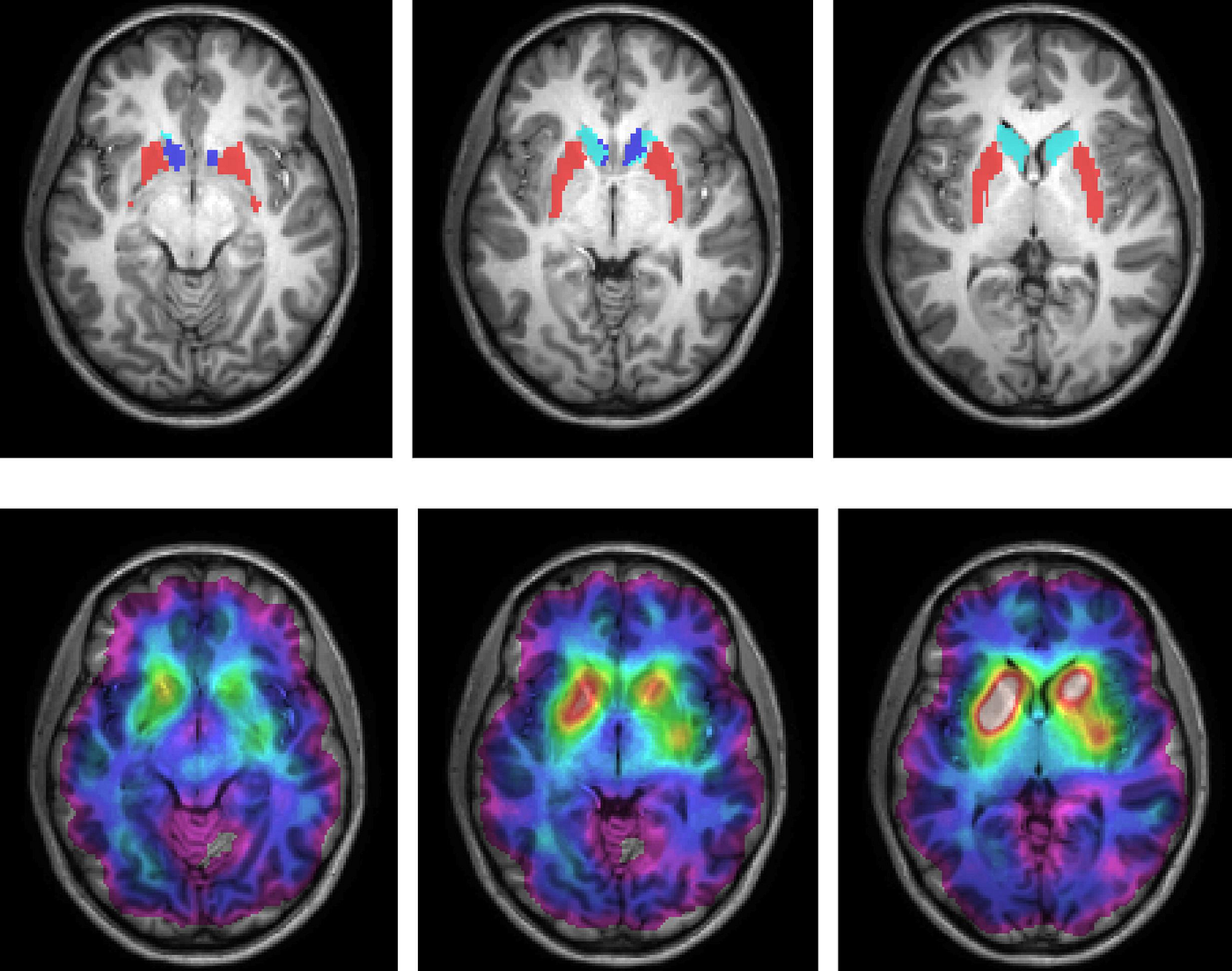
The biggest issue with very high body counts is neurological conditioning. Constant novelty, new partners, new bodies, new excitement trains the brain to crave stimulation. The dopamine spikes from endless pursuit alter expectations of relationships.
Long-term love, however, is not built on spikes. It’s built on stability, routine, familiarity, and depth. What feels comforting to others may feel boring or suffocating to someone conditioned for endless novelty. This mismatch can sabotage relationships before they even begin. People may get restless, lose interest quickly, or chase new excitement even when they’re already with a good partner.
Trauma, Validation, and the Search for Safety
Yet not everyone with a high body count is driven by thrill-seeking. Many come from unstable childhoods, emotional trauma, or periods of profound loneliness. For these individuals, sex becomes a way to feel wanted, secure, or temporarily valued. They use intimacy as a coping mechanism — a way to quiet inner wounds. This is different from naturally polygamous people.
This path is not irreversible. With self-awareness and therapeutic work, people can break free from patterns rooted in pain or past experience. Healing reshapes how they seek connection, allowing for healthier, more stable relationships built on more than temporary reassurance.
Final Reflections: What Your Number Really Means
The truth is simple: body count matters, but not just because of morality or social judgment. It matters because it reflects patterns, habits, and psychological development.
Zero experience often leads to emotional overwhelm. Moderate experience creates balance, clarity, and relationship maturity. High experience may reflect deeper emotional tendencies or trauma, and it can condition the brain to expect novelty over stability. None of these categories makes someone inherently good or bad; they simply reveal where someone is in their relational development.
Self-awareness is the goal. Understanding your history, your habits, your needs, and your patterns is how you build healthy relationships. Whatever your number is, use it as a mirror, not a label. Let it guide your growth rather than define your worth.
메타데이터
- post_id
- 2b89b7fa3dc4
- slug
- heres-what-your-body-count-reveals-about-your-psychology-2b89b7fa3dc4
- url
- https://medium.com/@menoverse/heres-what-your-body-count-reveals-about-your-psychology-2b89b7fa3dc4
- canonical_url
- https://medium.com/@menoverse/heres-what-your-body-count-reveals-about-your-psychology-2b89b7fa3dc4
- author_url
- https://medium.com/@menoverse
- status
- ok
- fetched_at
- 2026-07-15 13:12:27