Tableau Saturday XXIX, 7th September, 2024
Our sole mission is to help people see and understand data.
Tableau Saturday XXIX, 7th September, 2024
Our sole mission is to help people see and understand data.
— Tableau©️ 2003

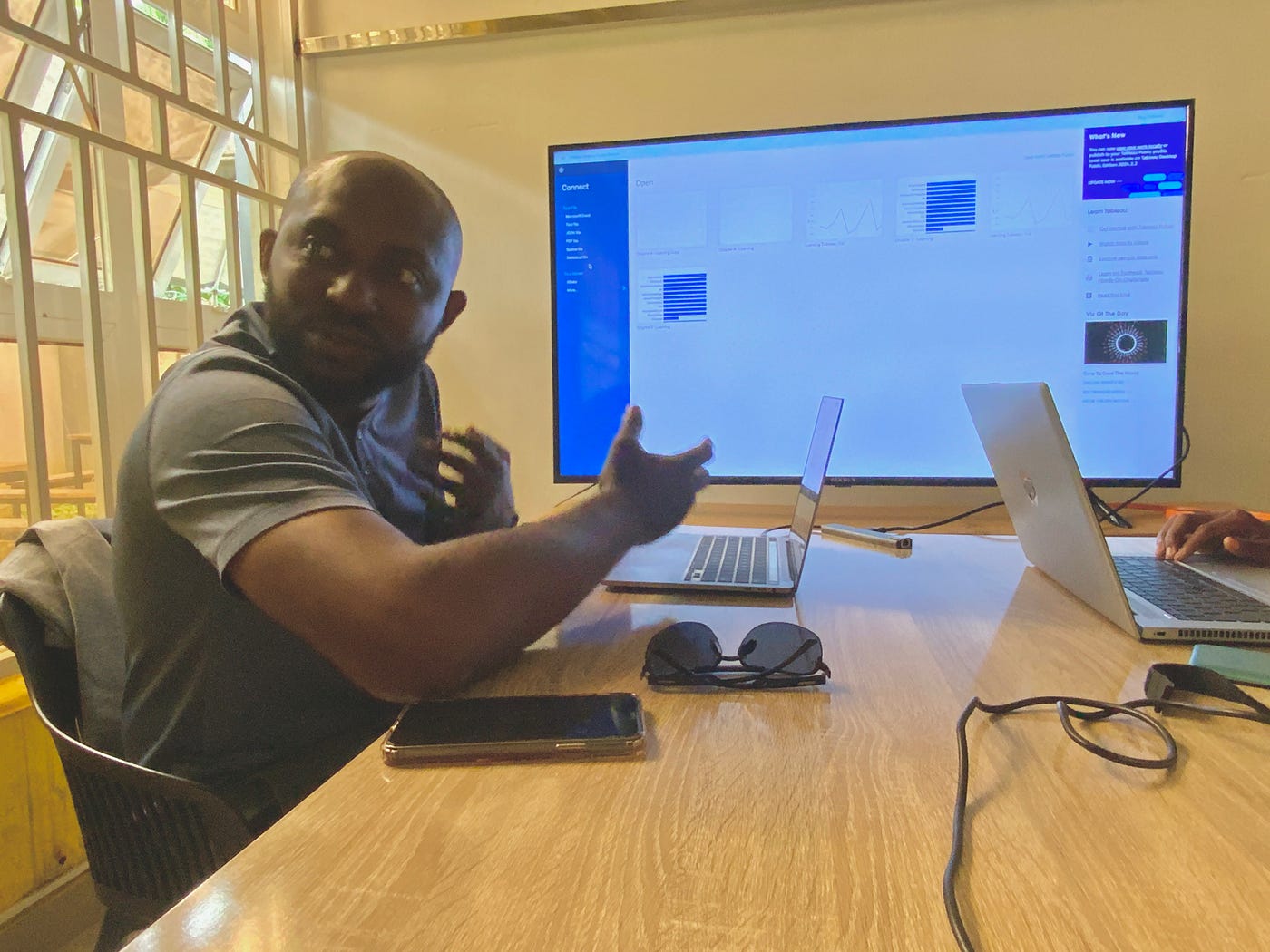
Hi Everyone, I would like to thank those who made it to the Tableau©️ Saturday Colab Kaduna in-person event, especially our host Sanusi Ismaila and tutor Peter Okwukogwu aka Pablo.
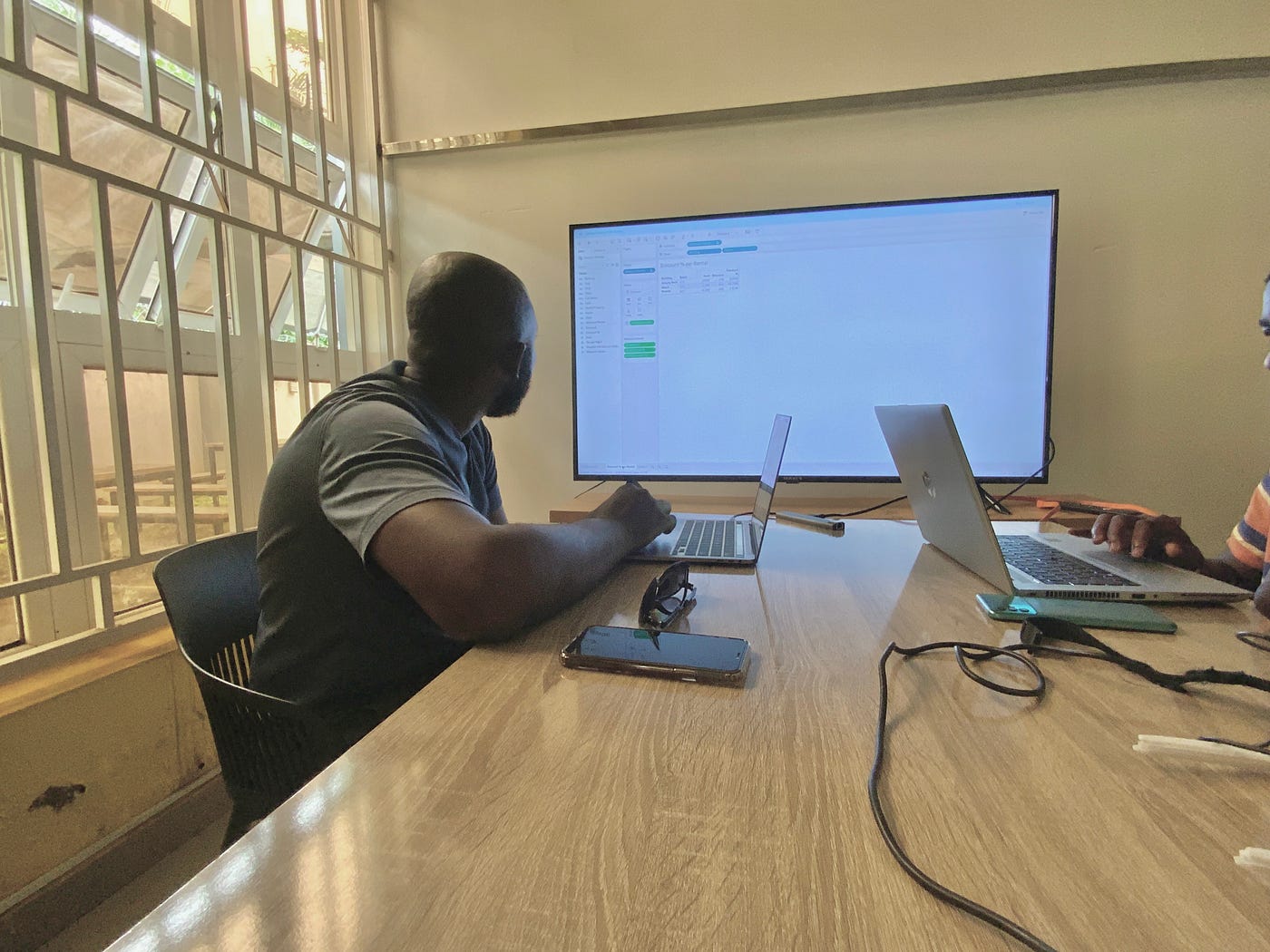
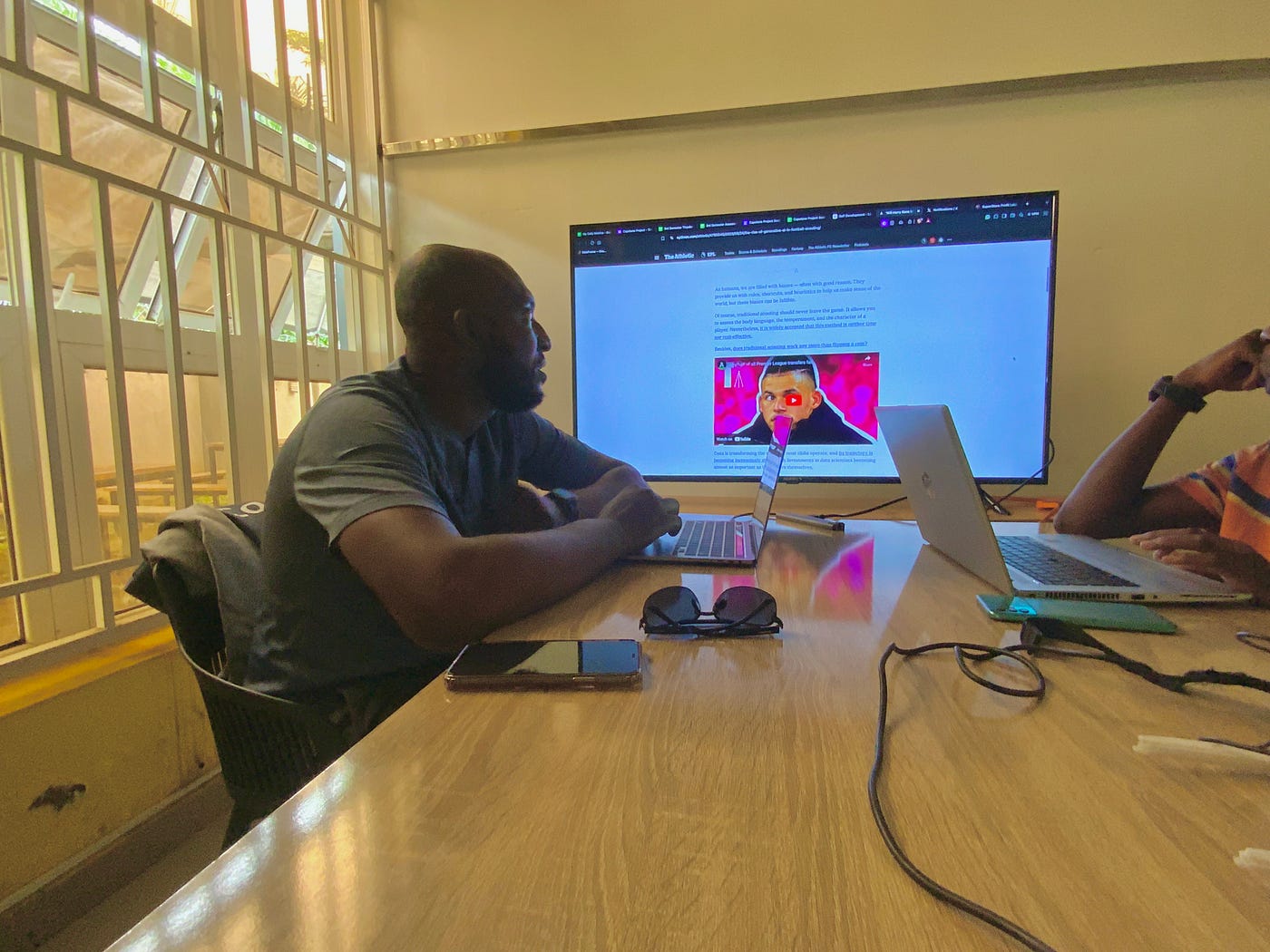
Peter took us on a journey through, Tableau public, Python and Generative AI.

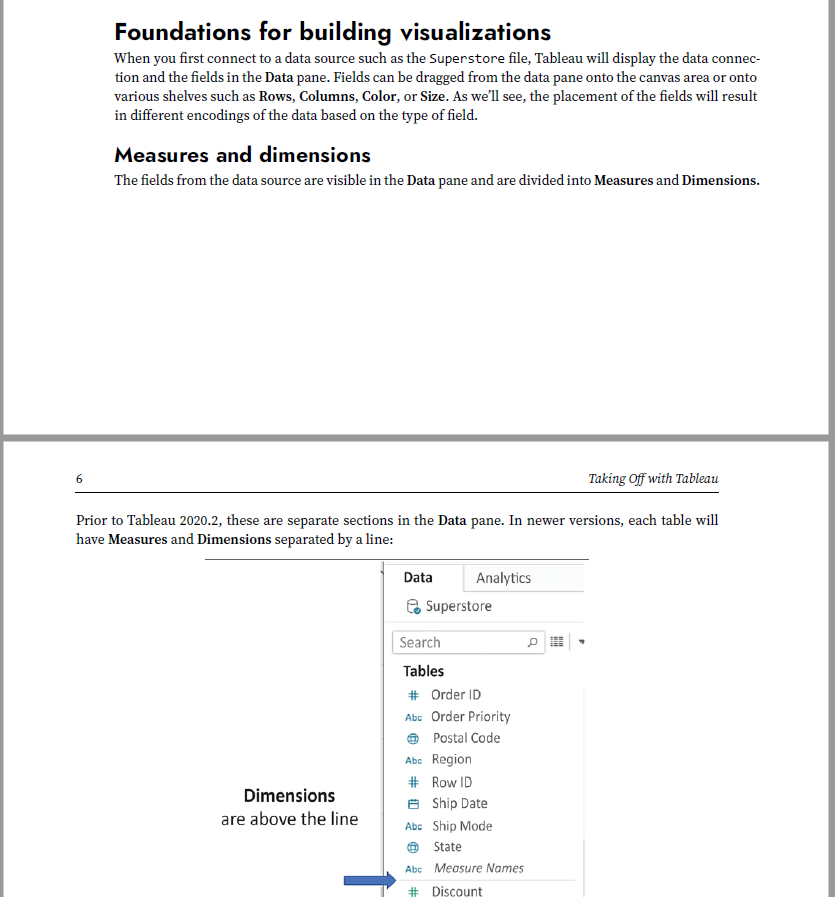
On Tableau, you can communicate the data, not to obscure it in needless complexity. We looked at :
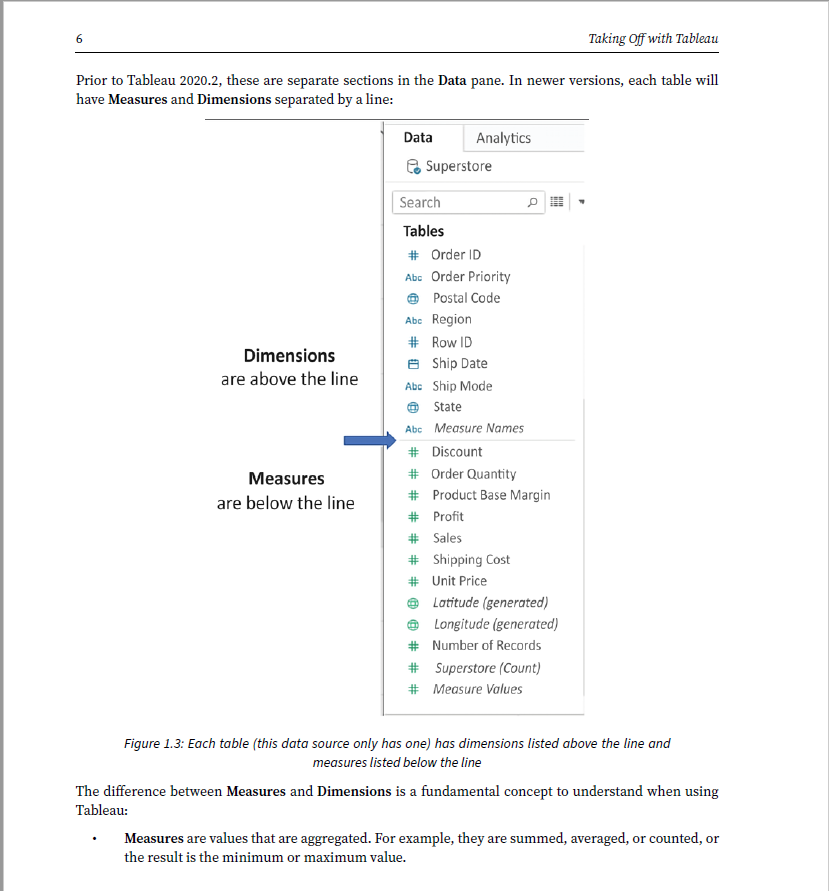
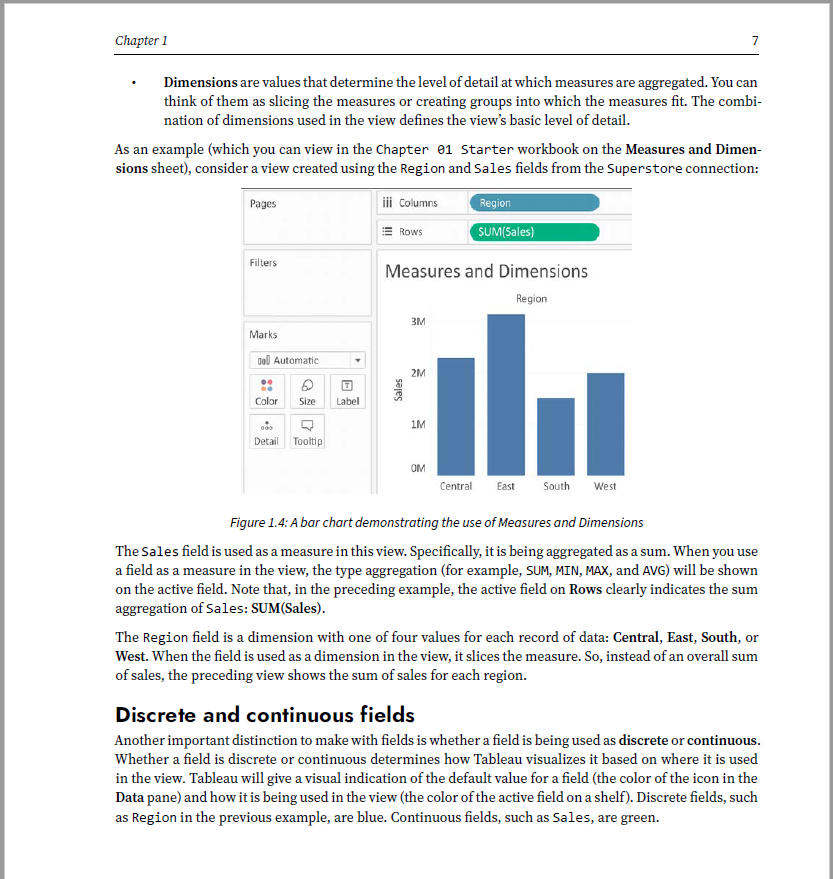
- Measures
- Dimensions
- Data-related job roles
- Connecting Data.
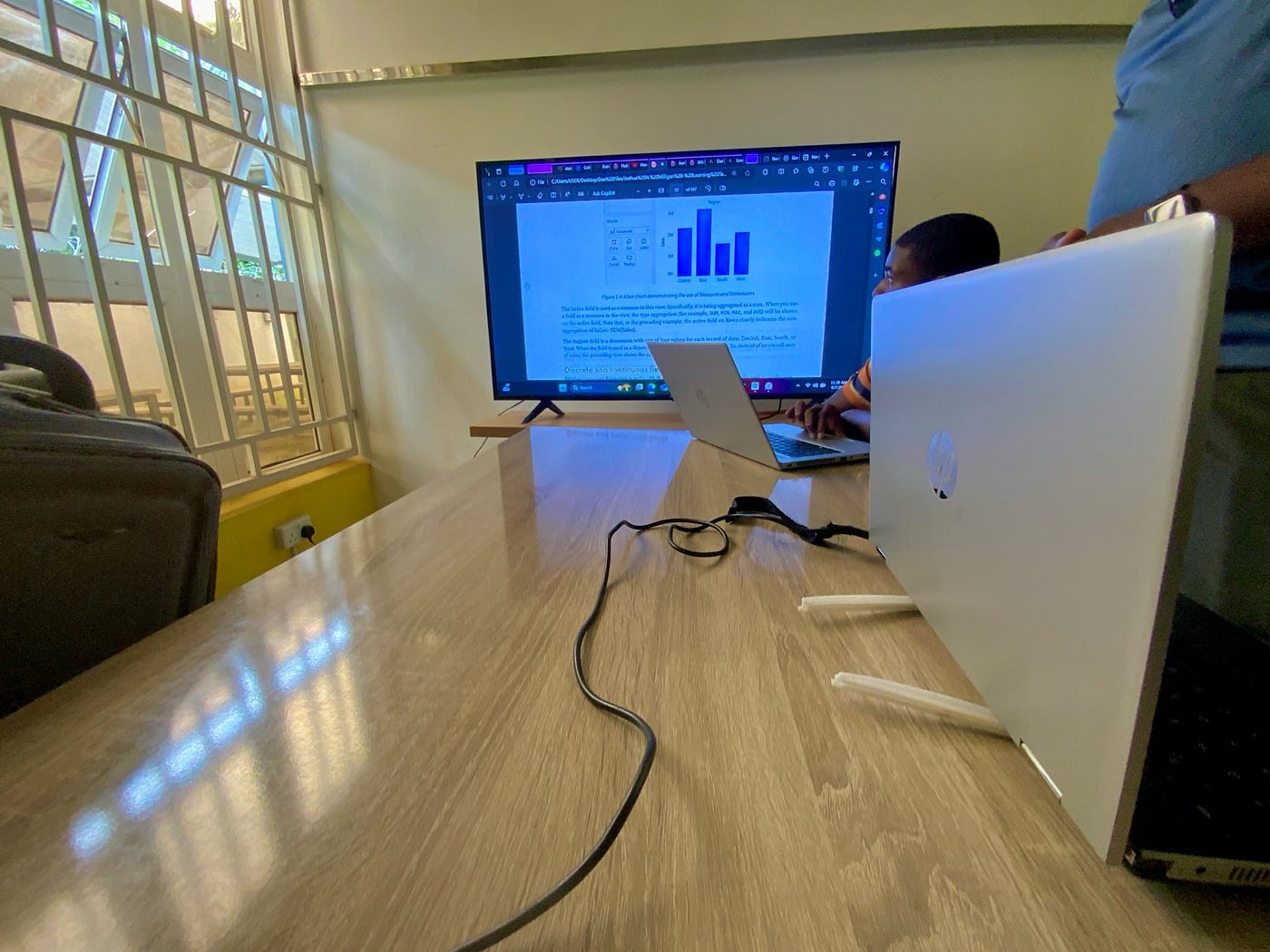
We started by discussing foundational knowledge.
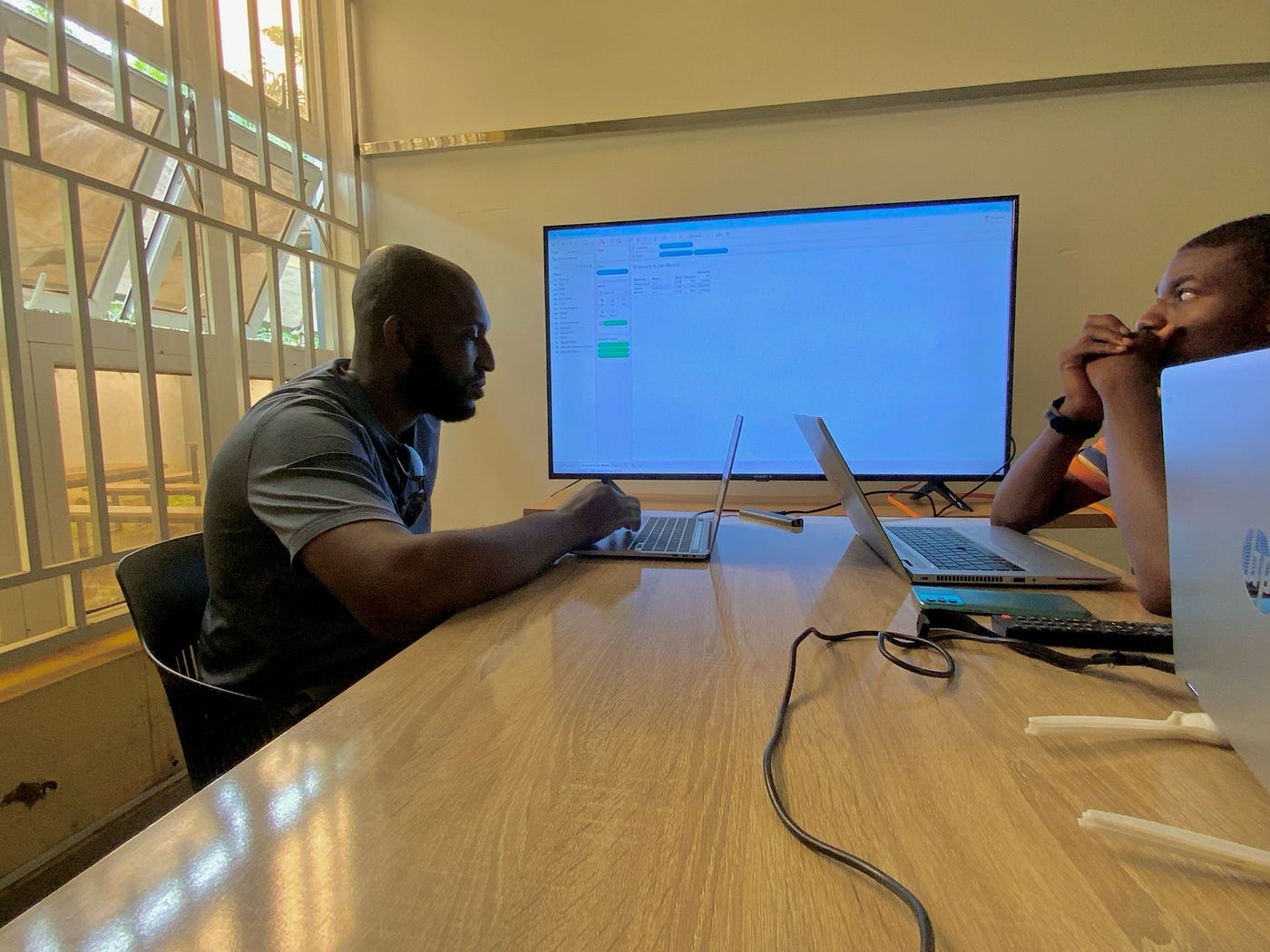
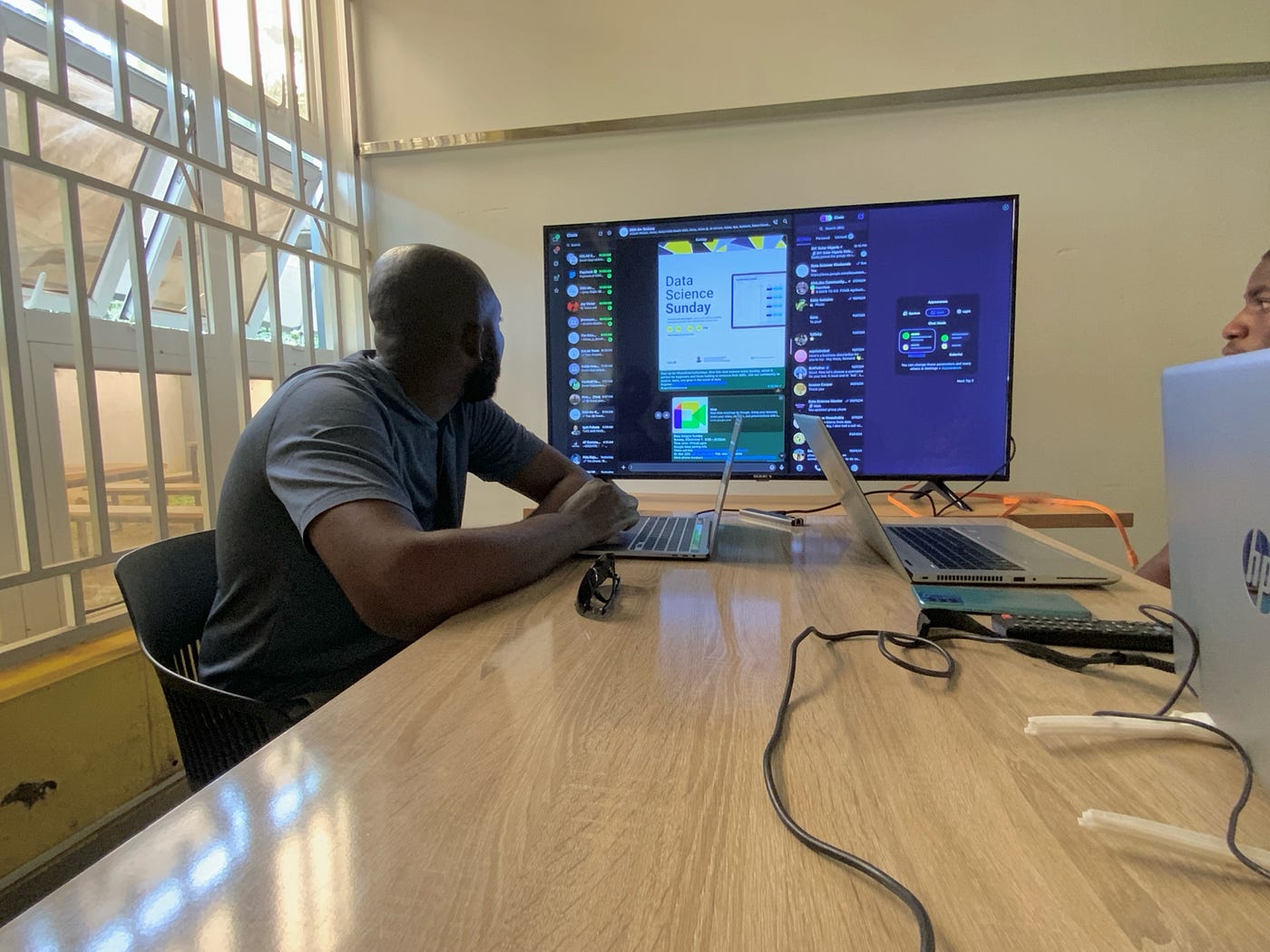
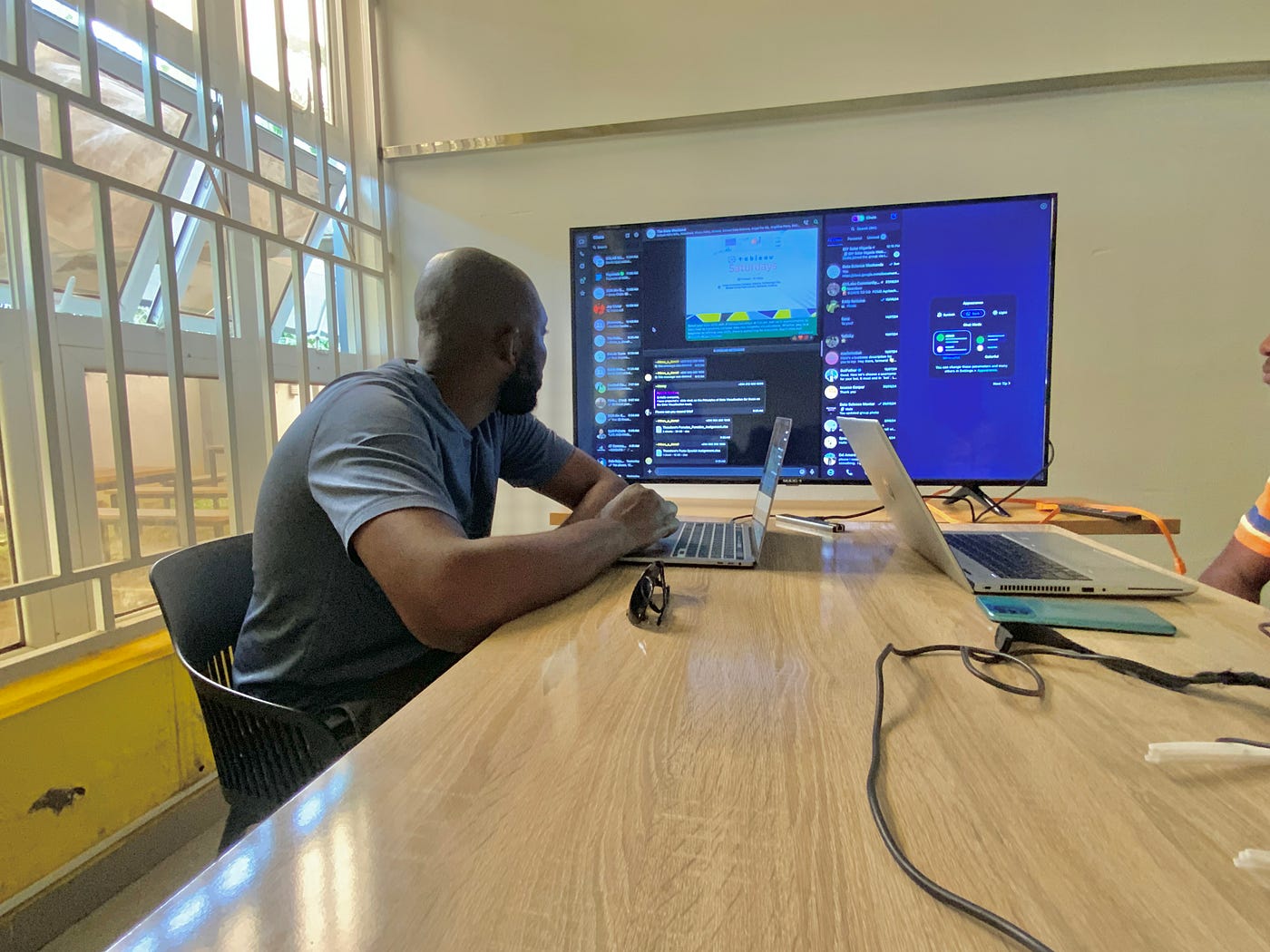
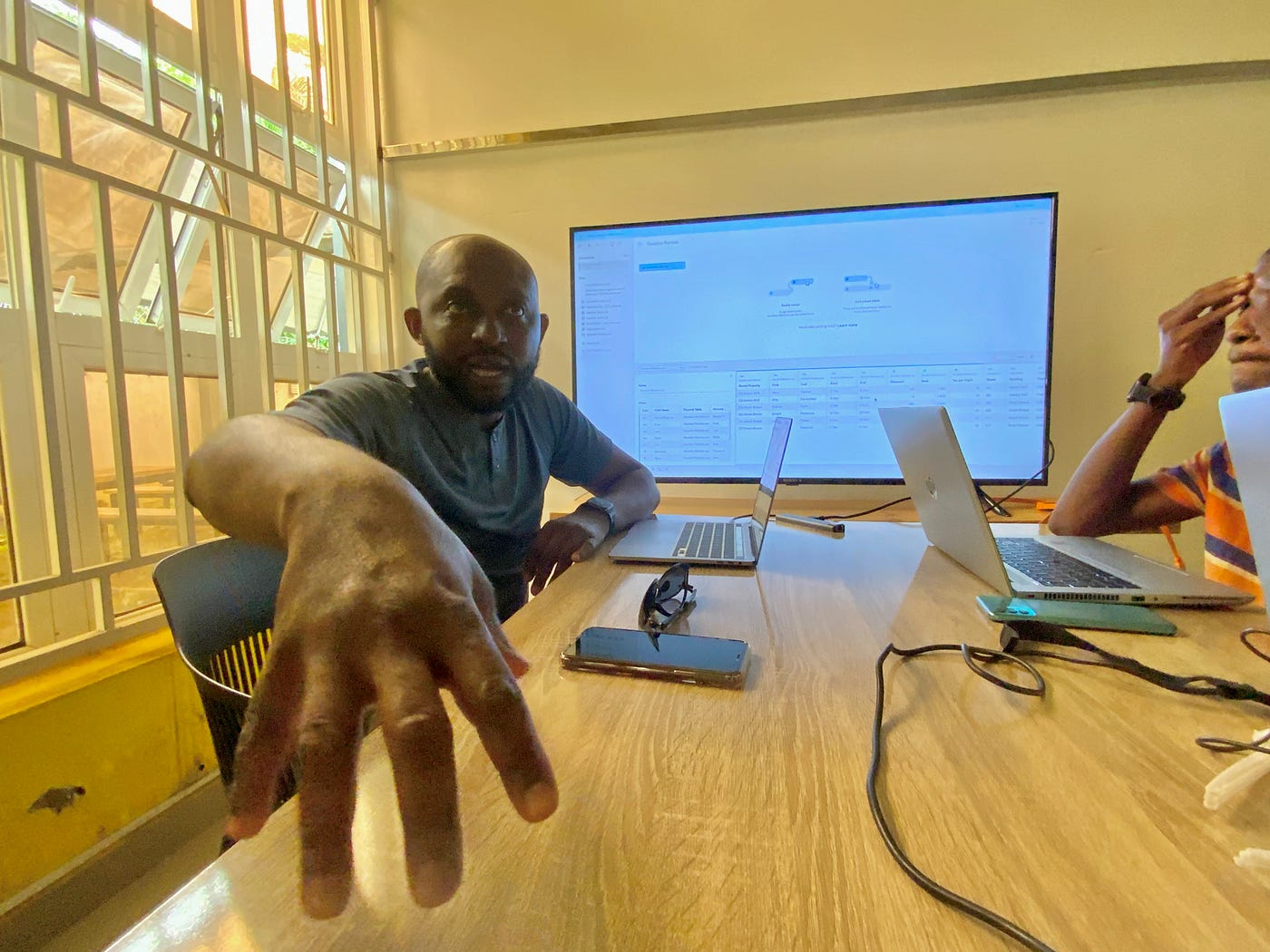
One critical aspect of learning is understanding the concept and tools, especially when looking at Tableau.
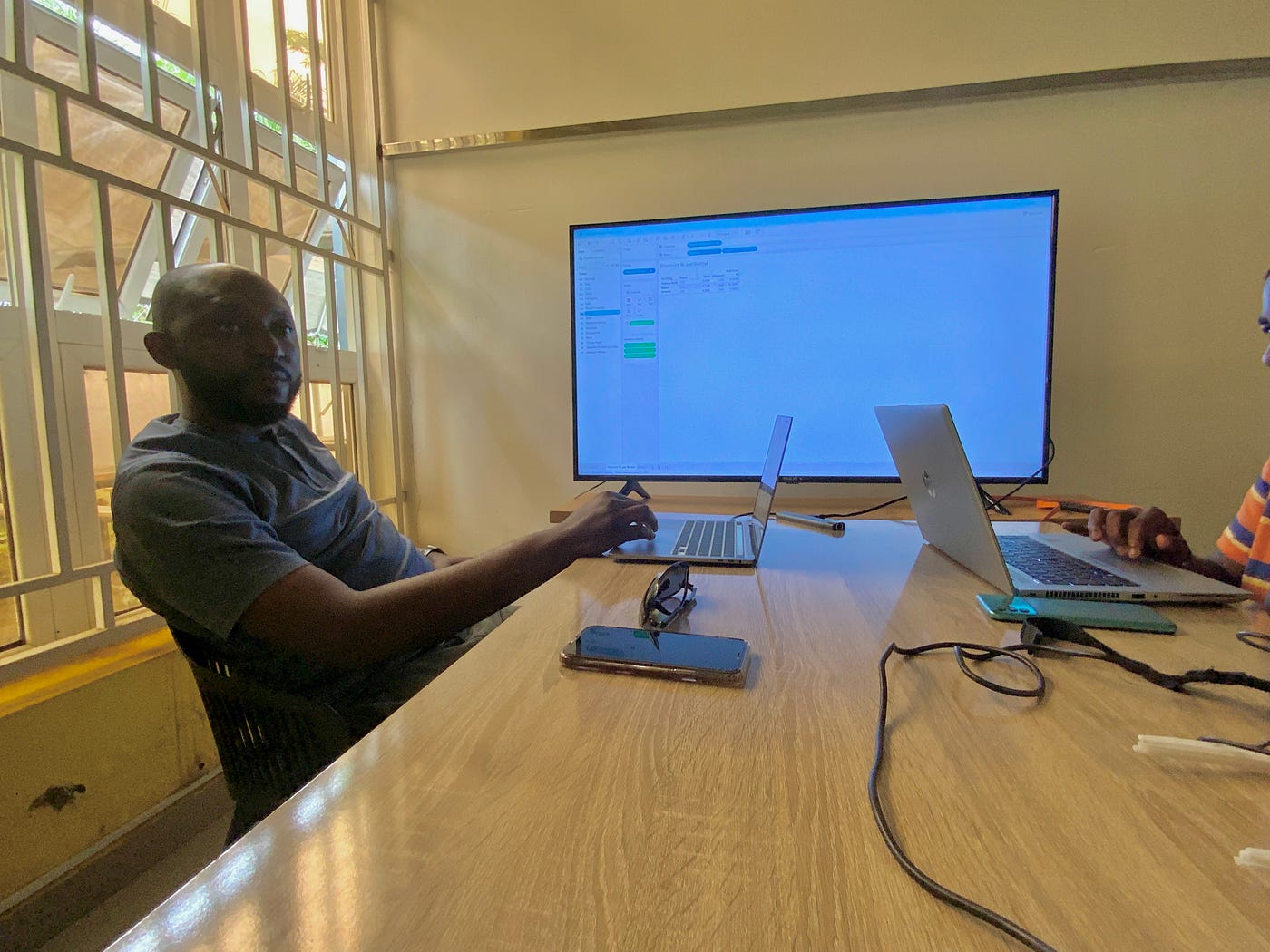
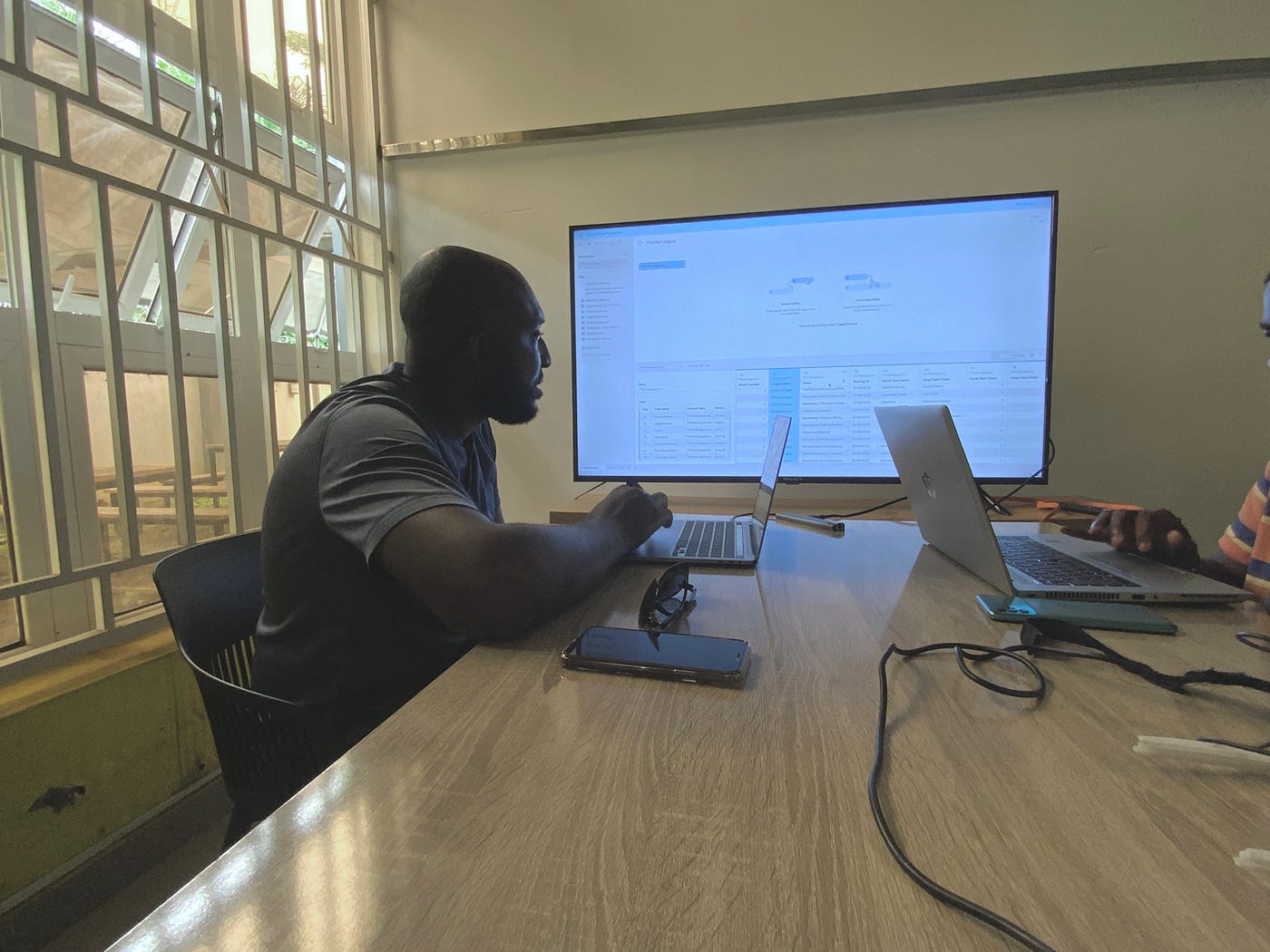
From Yorubas being stereotyped, Ibos (Igbo) have been stereotyped

We have many stereotypes in our society.
Every day we feed stereotypes to people as kids expecting that that would happen in life to each of them, expecting it to come to pass.
When the person stereotyped shows up we act wrongly.
Stereotypes are almost always wrong.
— Peter Okukogwu
Stereotypes are bad predictors. It’s difficult to rely on such data.
Eg. Fear yoruba guys they are Yoruba demons 😈.
That data doesn’t work.
We say because he is smiling he is rotating girlfriends.
When feeding the stereotype data makes you go round and round and round. We can’t use data that does not work. We can’t test reality with this data.
When you meet stereotyped individuals you too can create your own stereotype if you aren’t careful.
If you have a stereotype as a poorly made machine model, is like feeding a machine model how to make “Eba” *, by. Telling it to make Garri and hot water multiple times. On your tokens, the next time it asks do you want to make Eba?
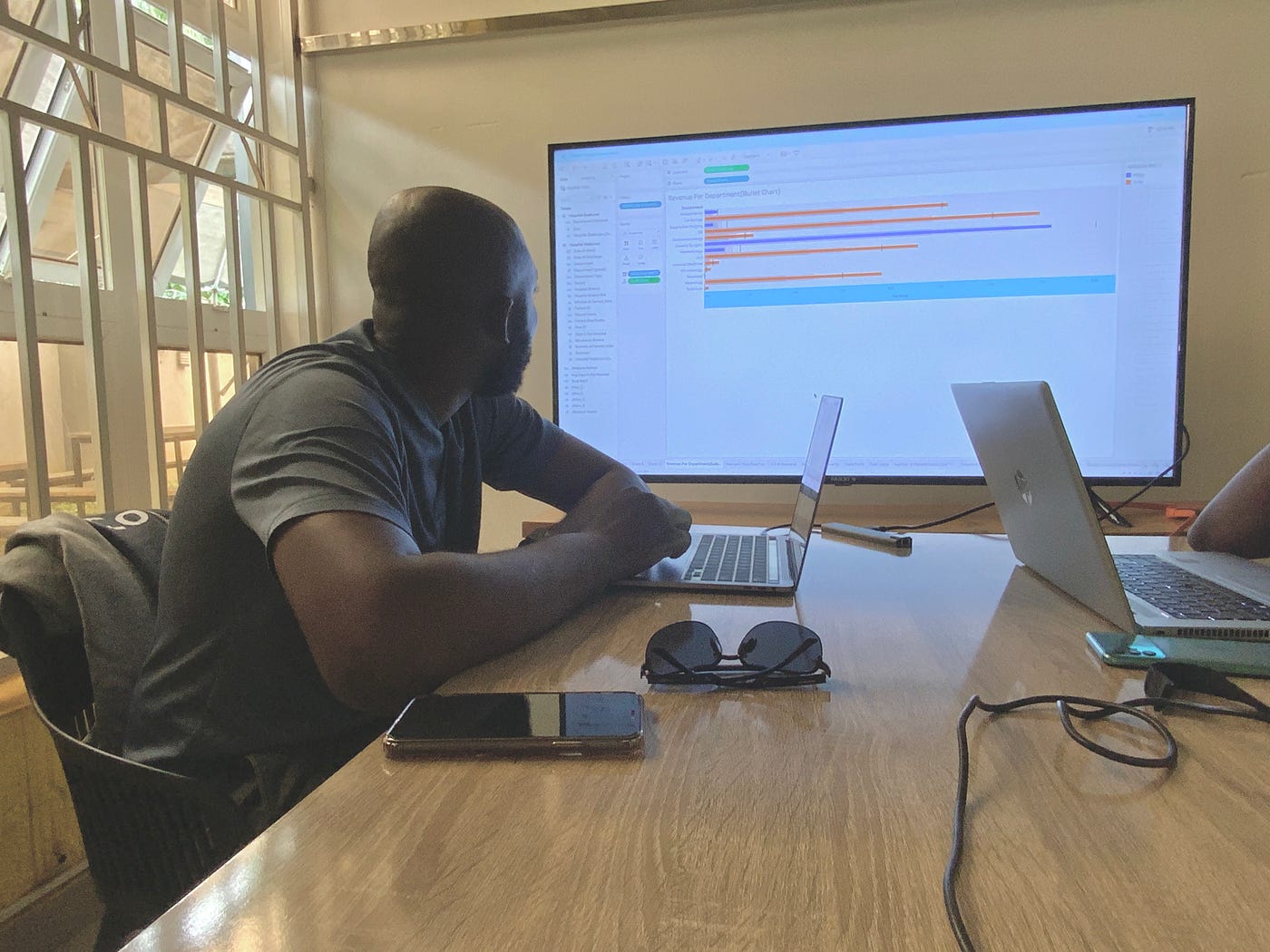
It’s a critical thing. To use the right dimensions.
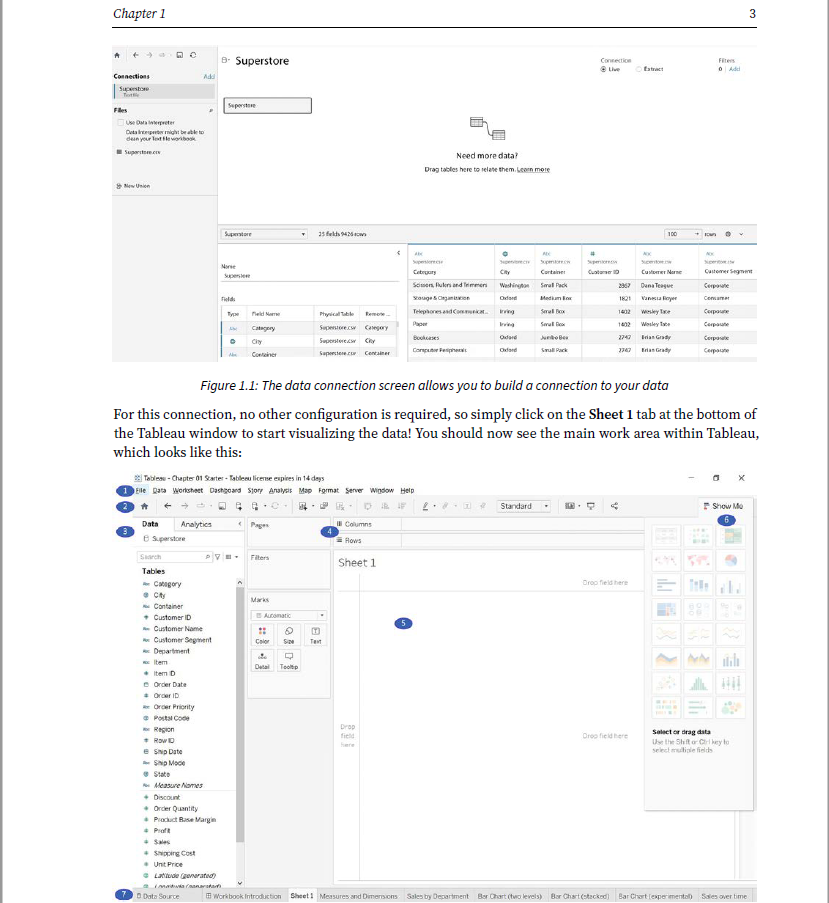
Using the dimensions we have, from full name, discounts, .
Fields with the = sign are created from calculated fields.
Many things are important when you are trying to make sense of calculated fields.
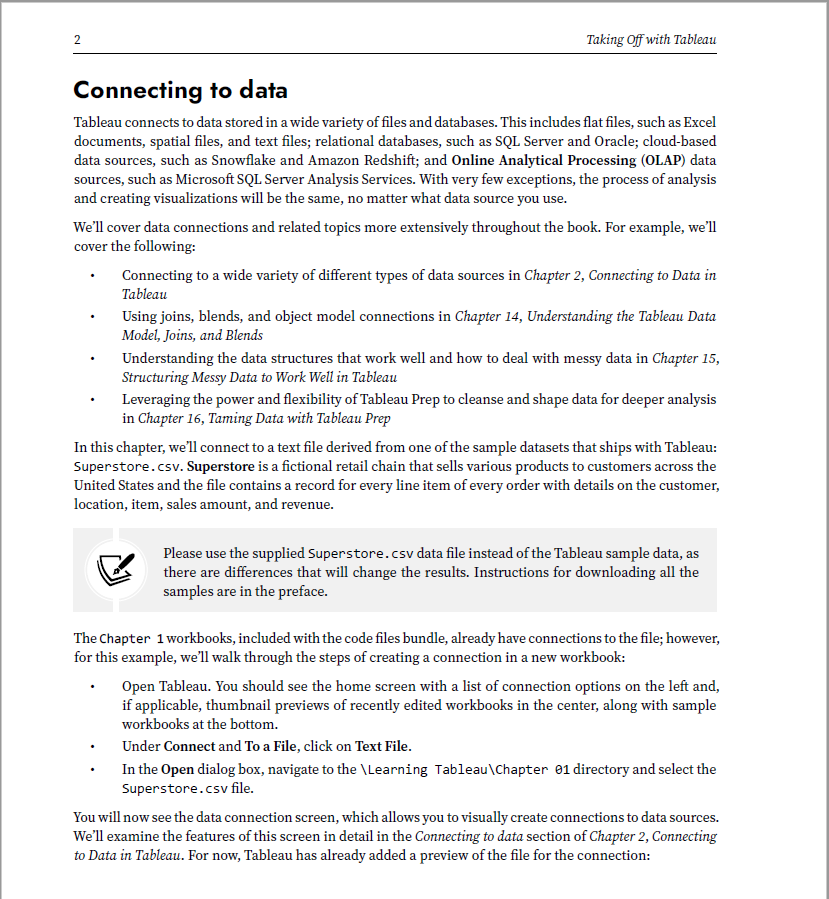
A Calculated field is a field you get to create when a feature is non-existent in a data set.
This is evident in the data set we have.
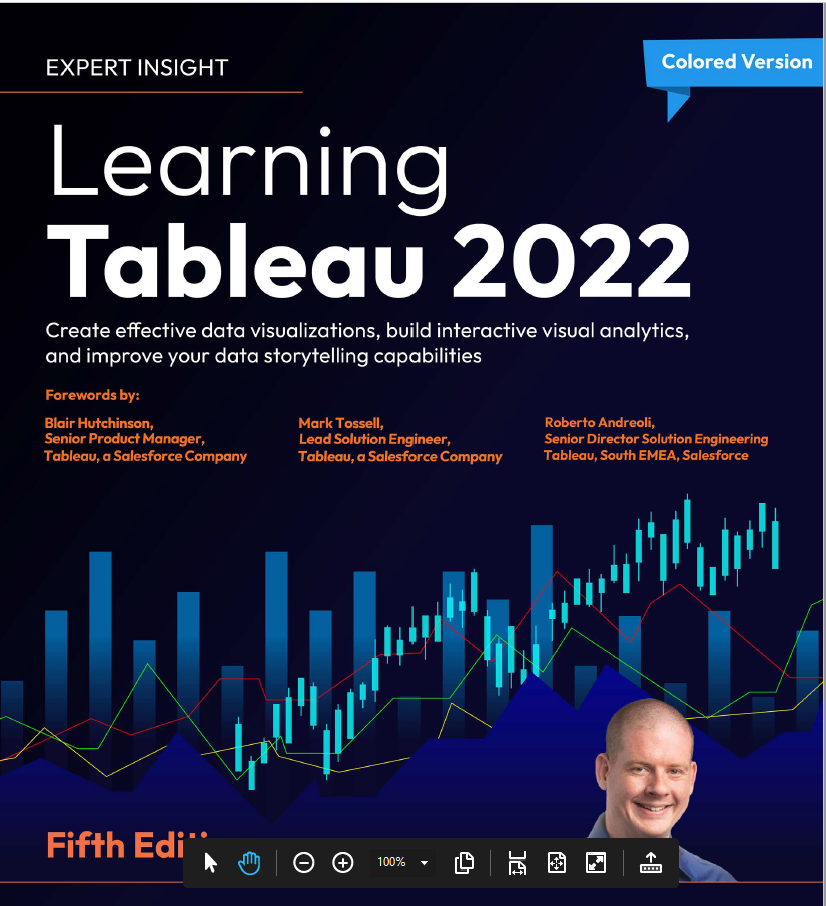
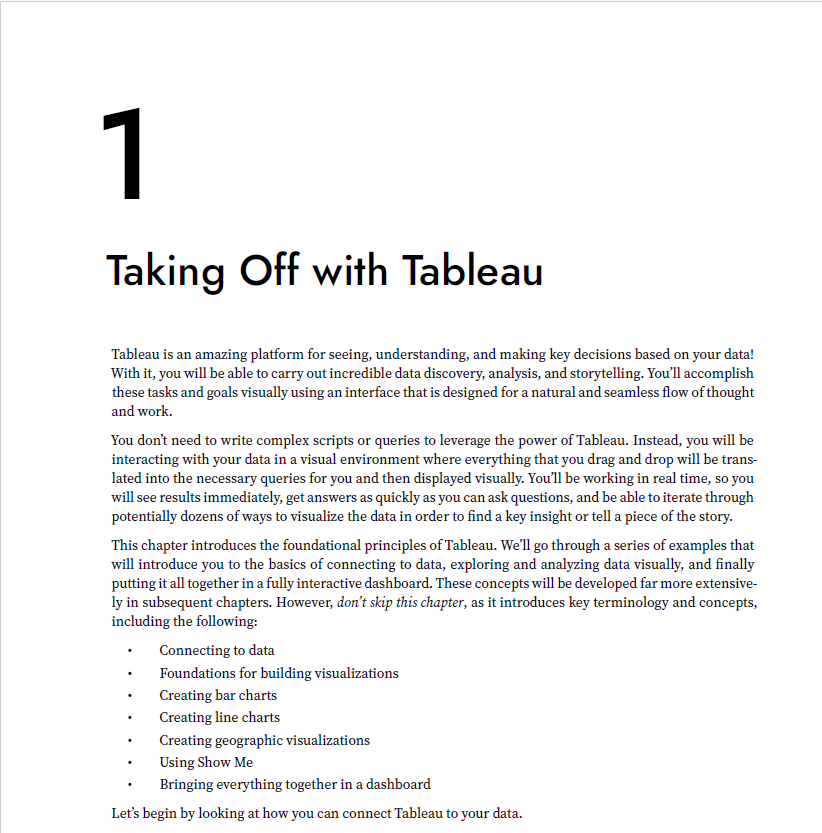
We went over Chapter One again, and the preface of the book “Learning Tableau 2022” by Joshua Milligan.
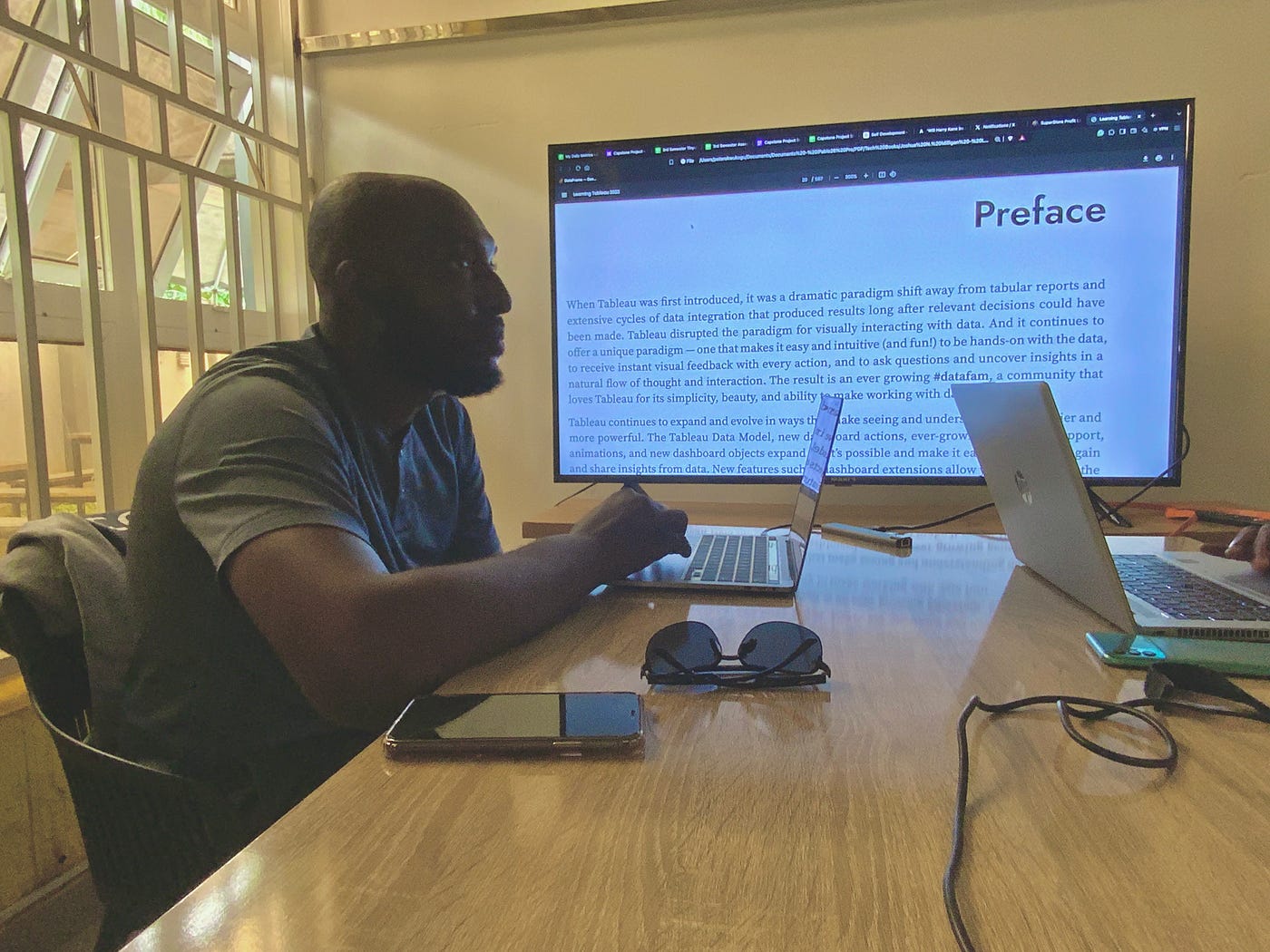
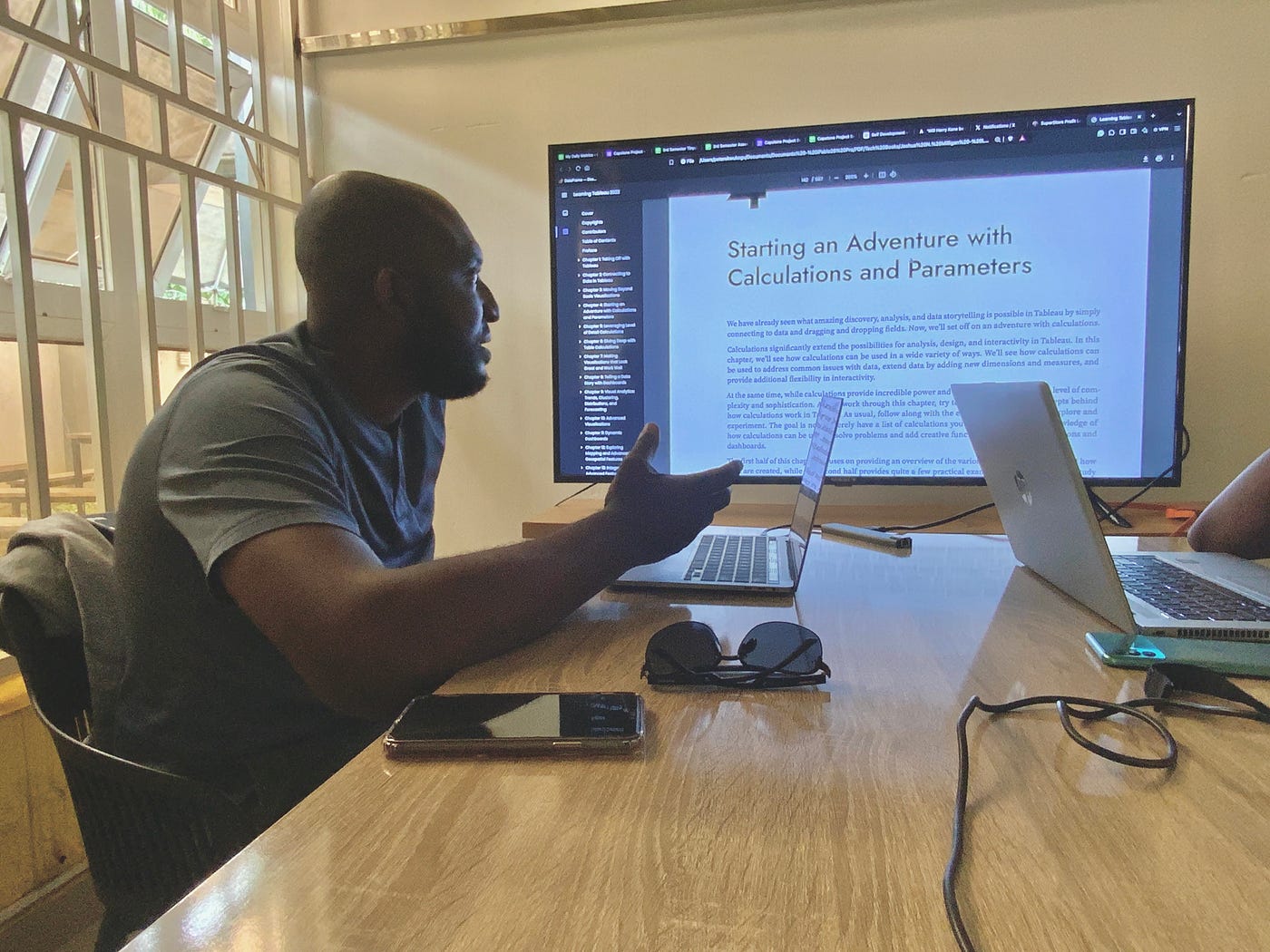
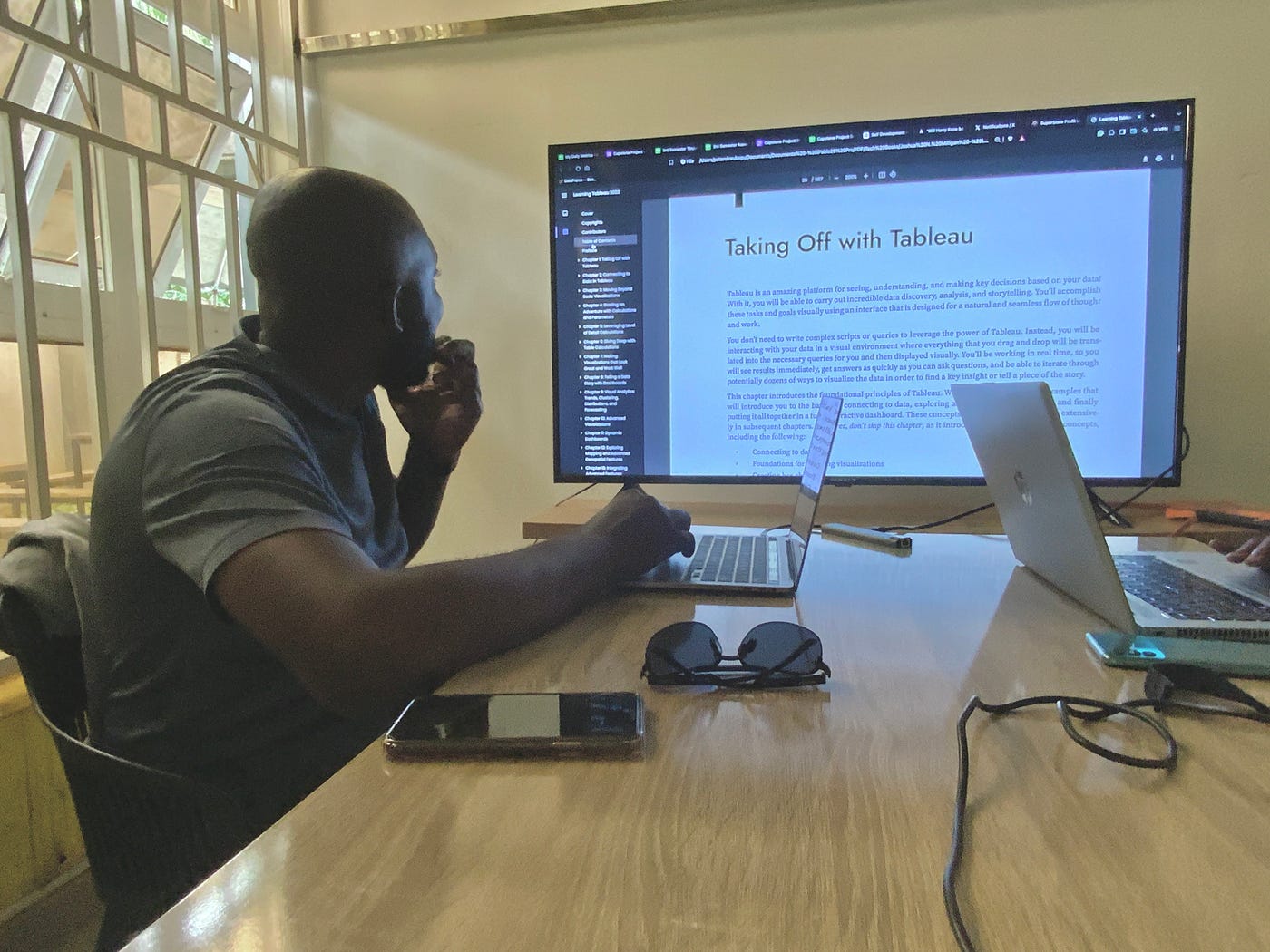
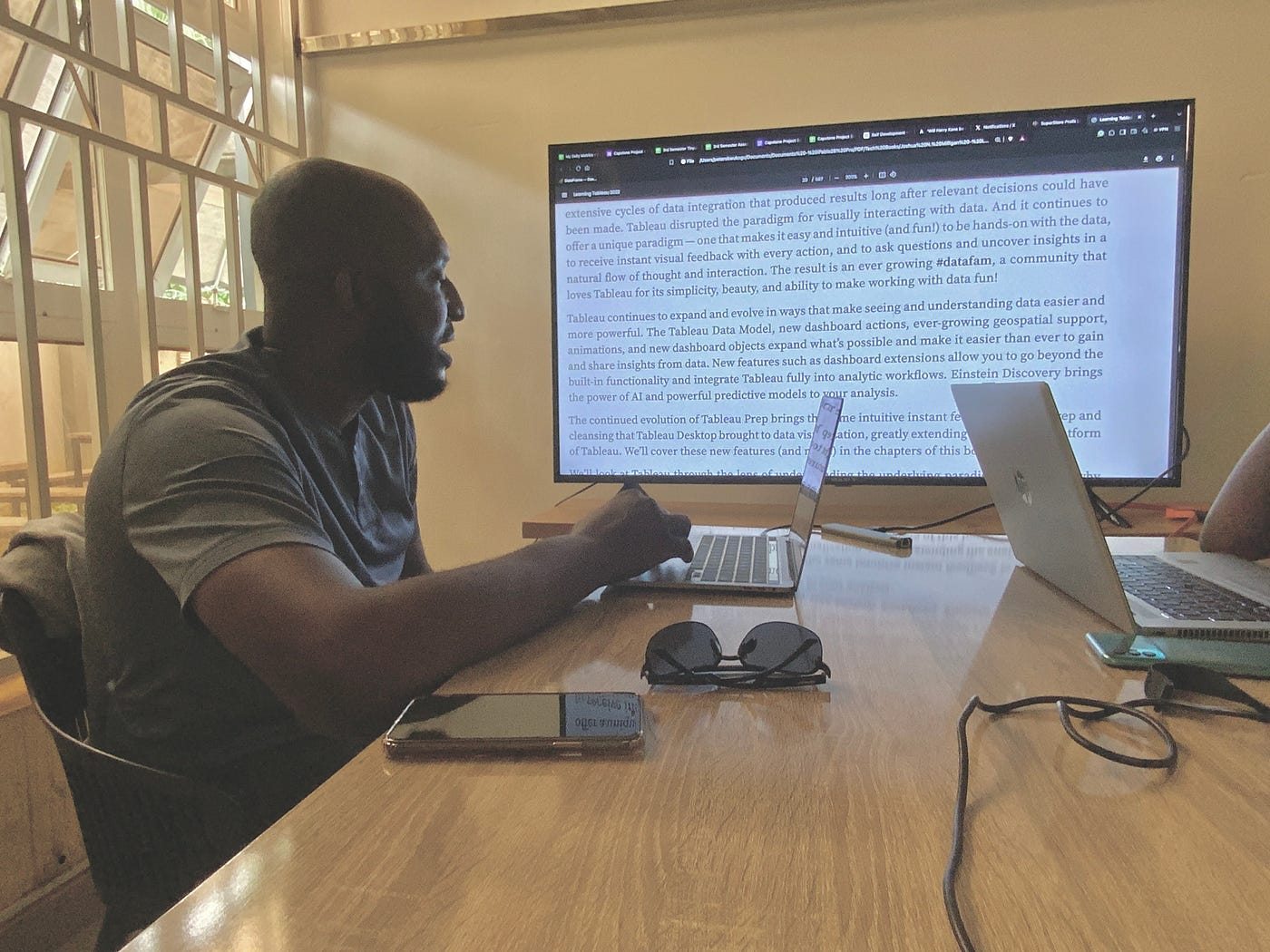
It was a dramatic Paradigm shift, tableau disrupted a paradigm,
offered insights into the natural flow of thoughts
Data models and new dashboards expand what is possible.
New features and extensions.
Integrating tableau
Einstein Discovery.
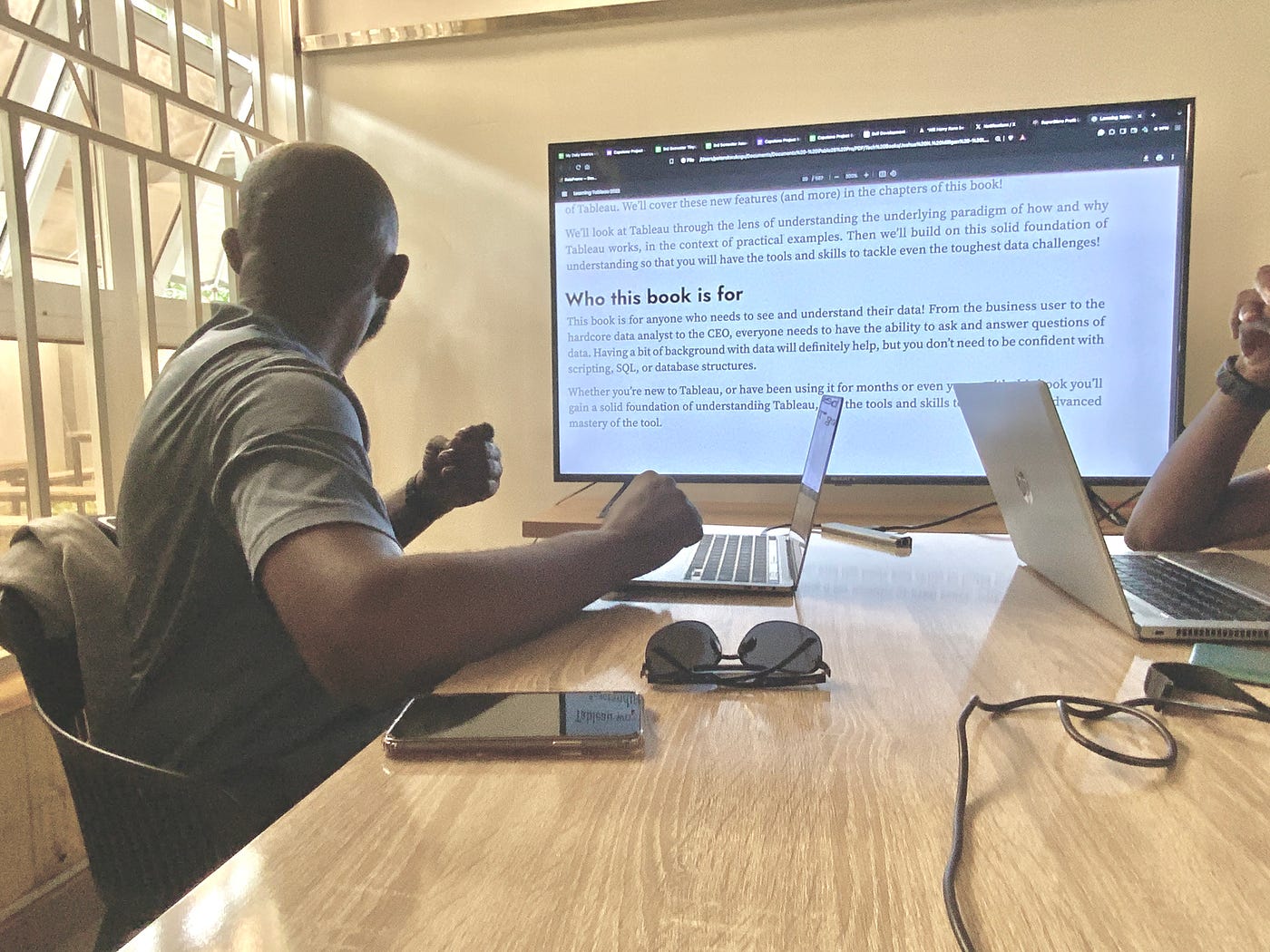
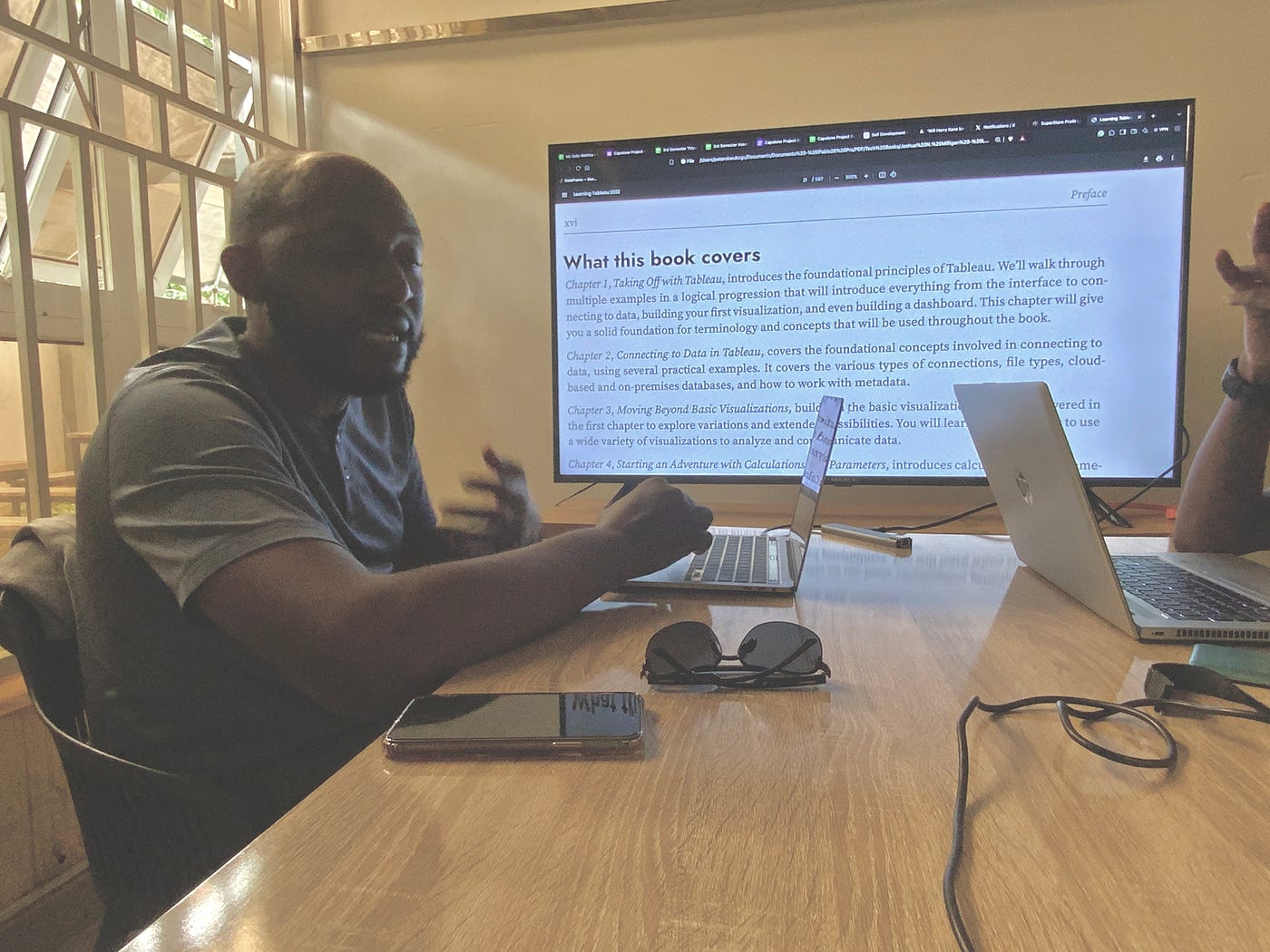
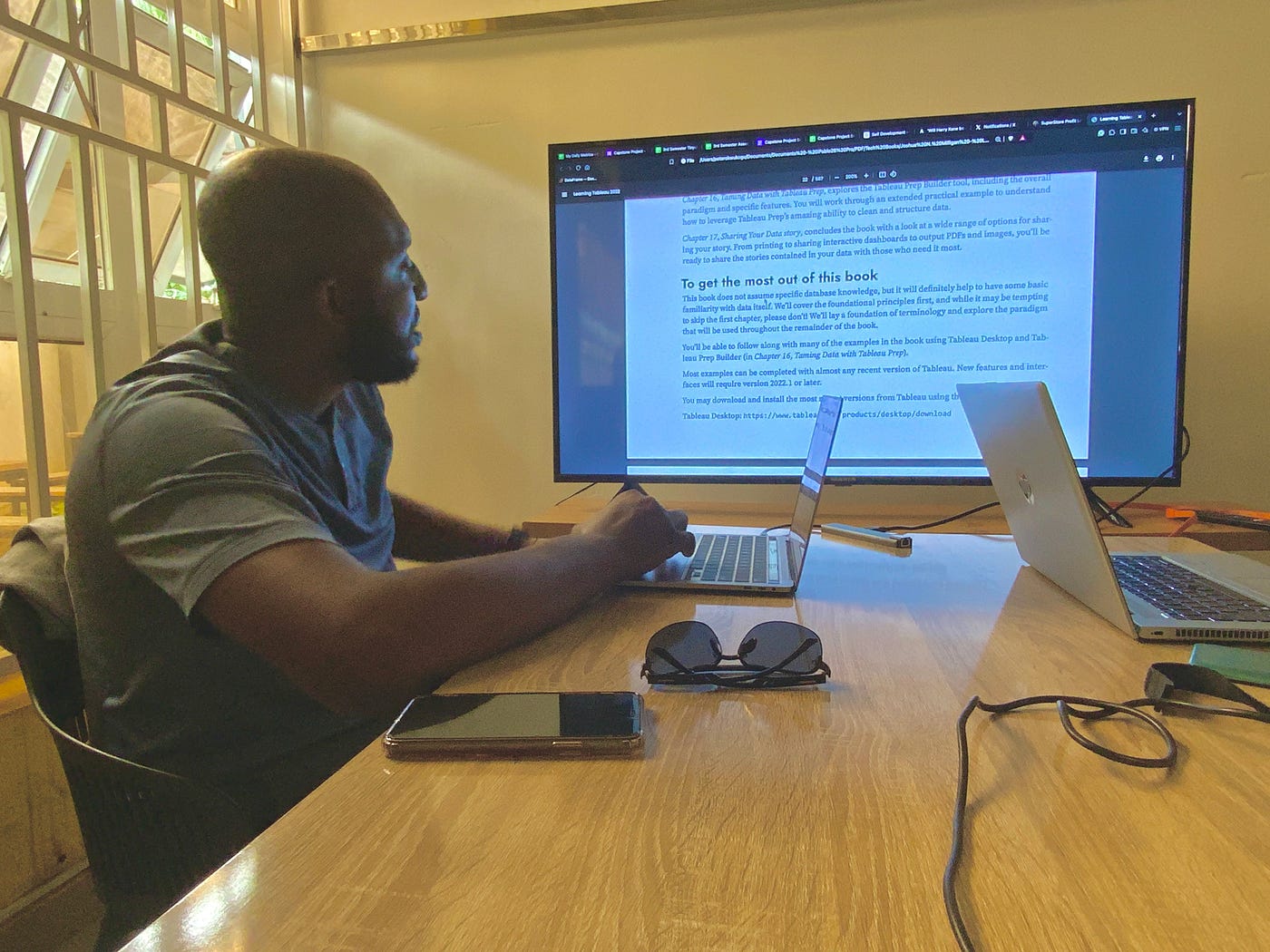
The Preface tells you the possibilities that are there, explaining visuals intuitively.
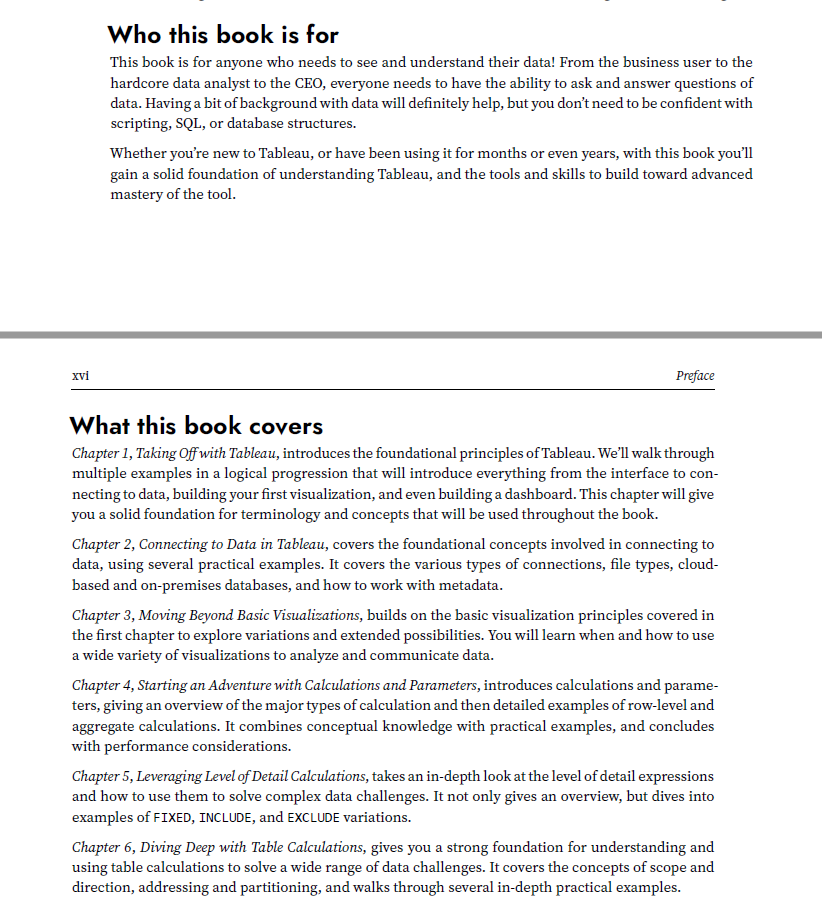
“ This book is for hardcore data, CEOs, “
Data Analysis is the backbone of anything data.
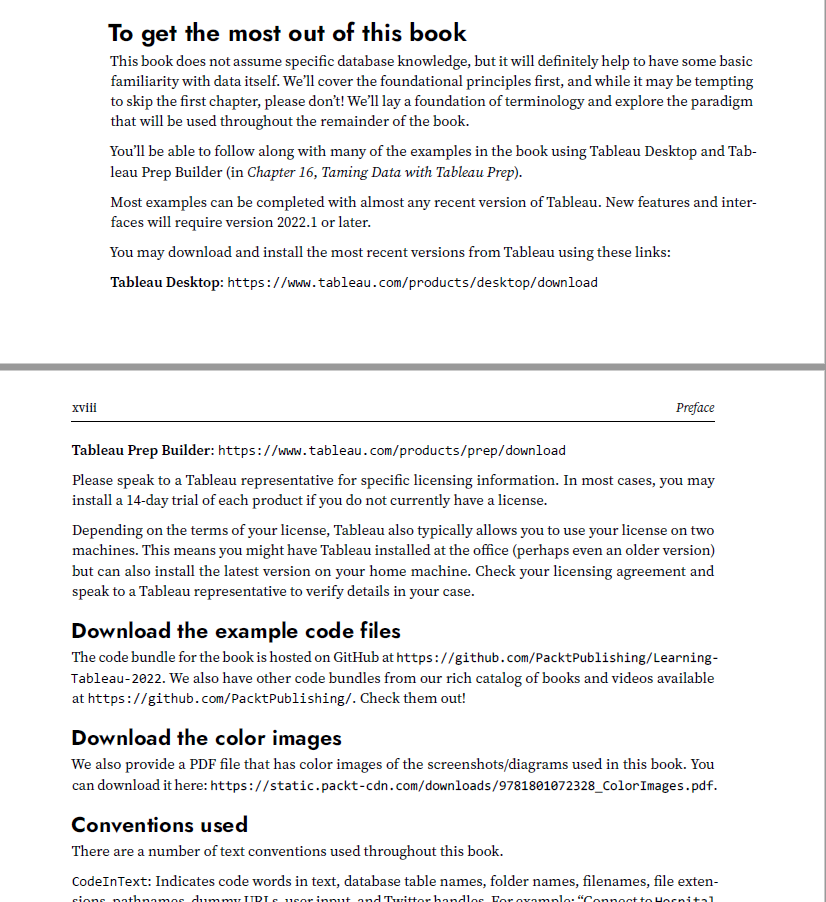
You can be anywhere in data, there are so many opportunities.
Data is for everybody from CEO to Users, everyone needs the ability to ask questions and Answer questions in data, Learning how to ask questions is imperative.
“Whether you have been using Tableau or a new user, you will pick something from the book”
To get the most out of this book, this book does not assume some data knowledge, while it may be tempting to skip the first chapter, “PLEASE DONT”
“You will be able to follow along if you going to download Tableau public”
Note :
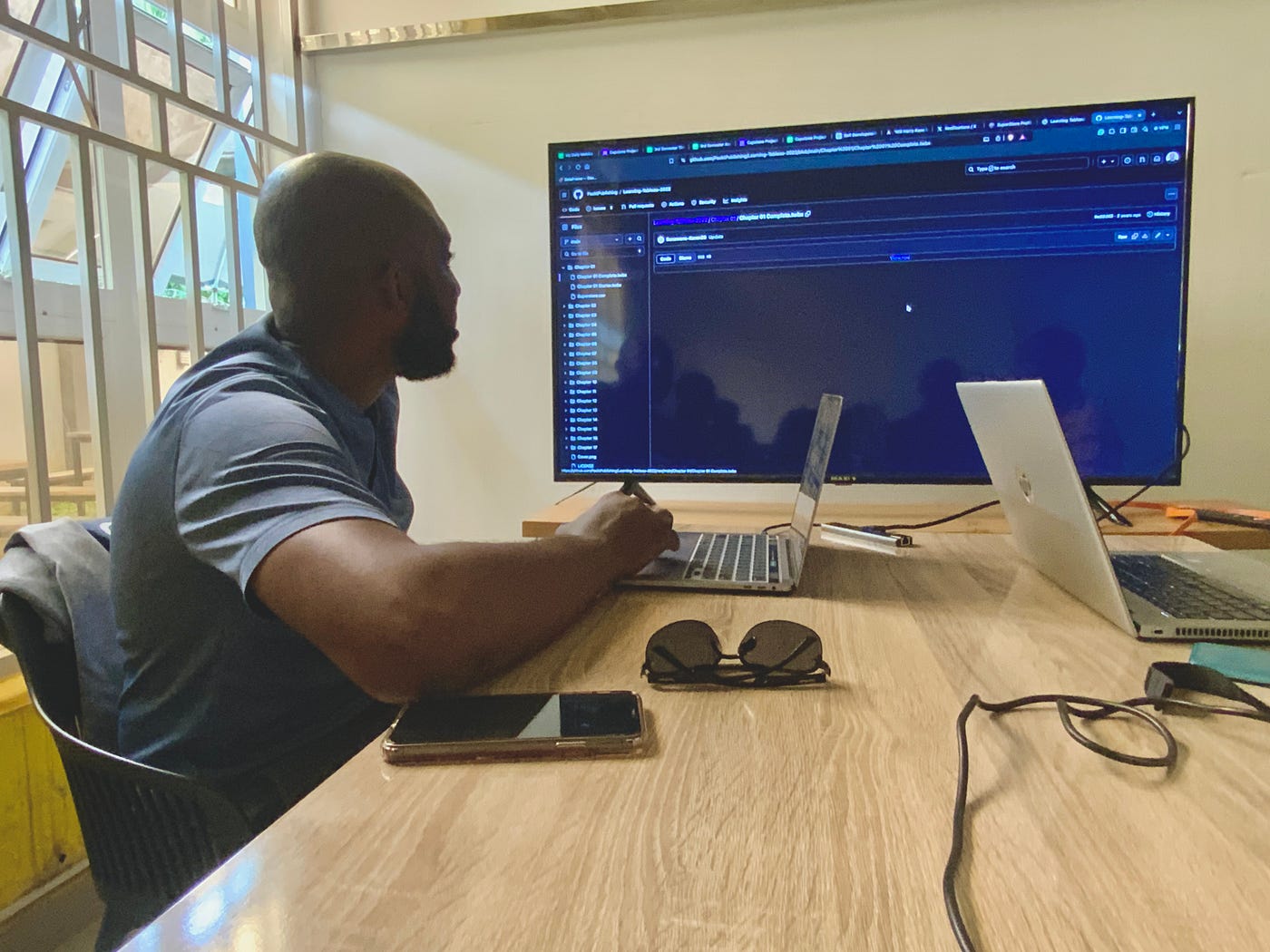
At the point of the book being published Tableau did not have the save to local drive functionality.
Note:
The code bundle for the book is hosted on GitHub.
The package workbook, the starter.
Note :
Books use certain conventions and they are explained
E.g Code in text, database documents,
Anything in bold is an important word, italics instance, a warning.
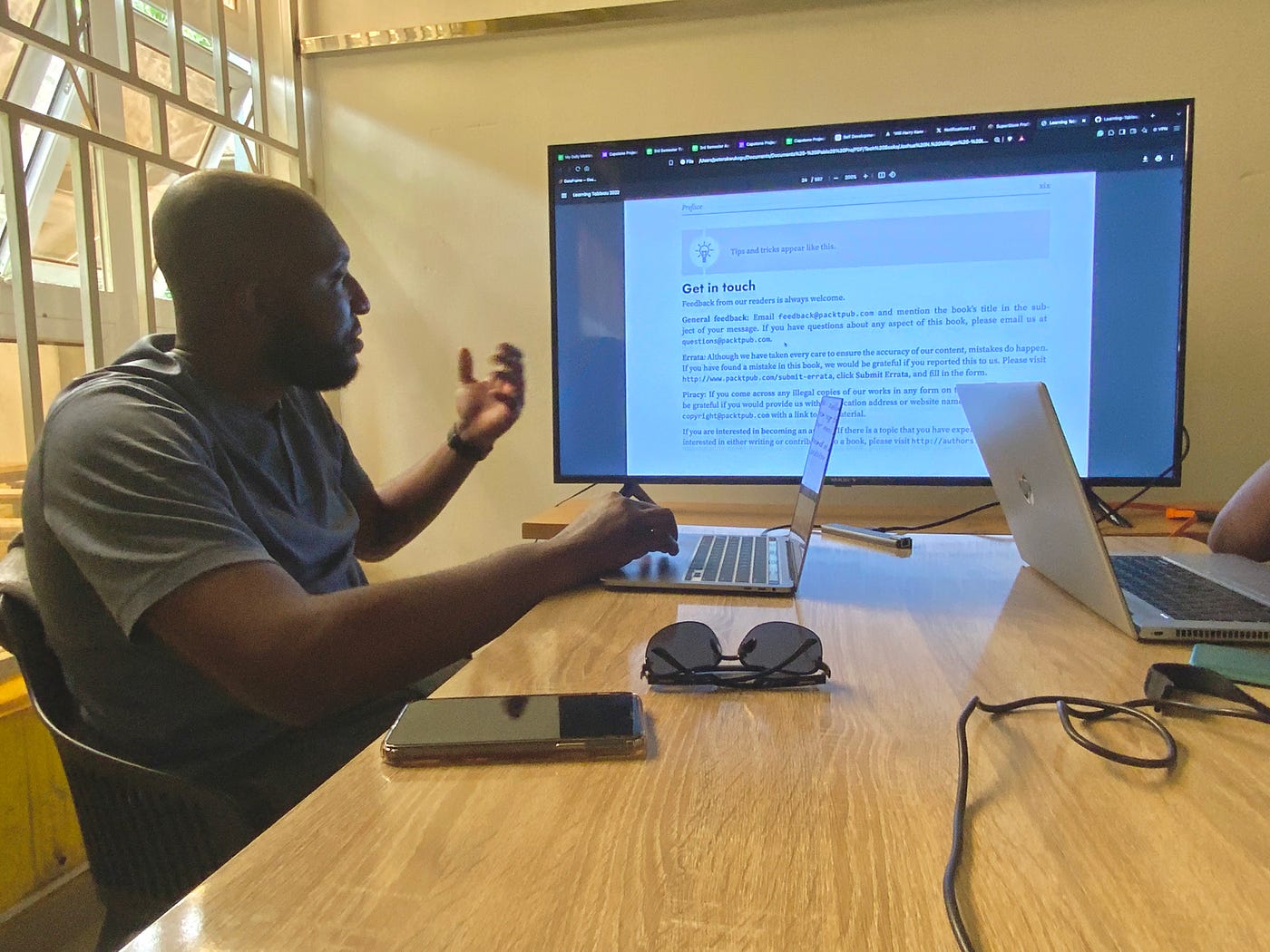
The culture of Skipping pages/chapters in books is a disadvantage.
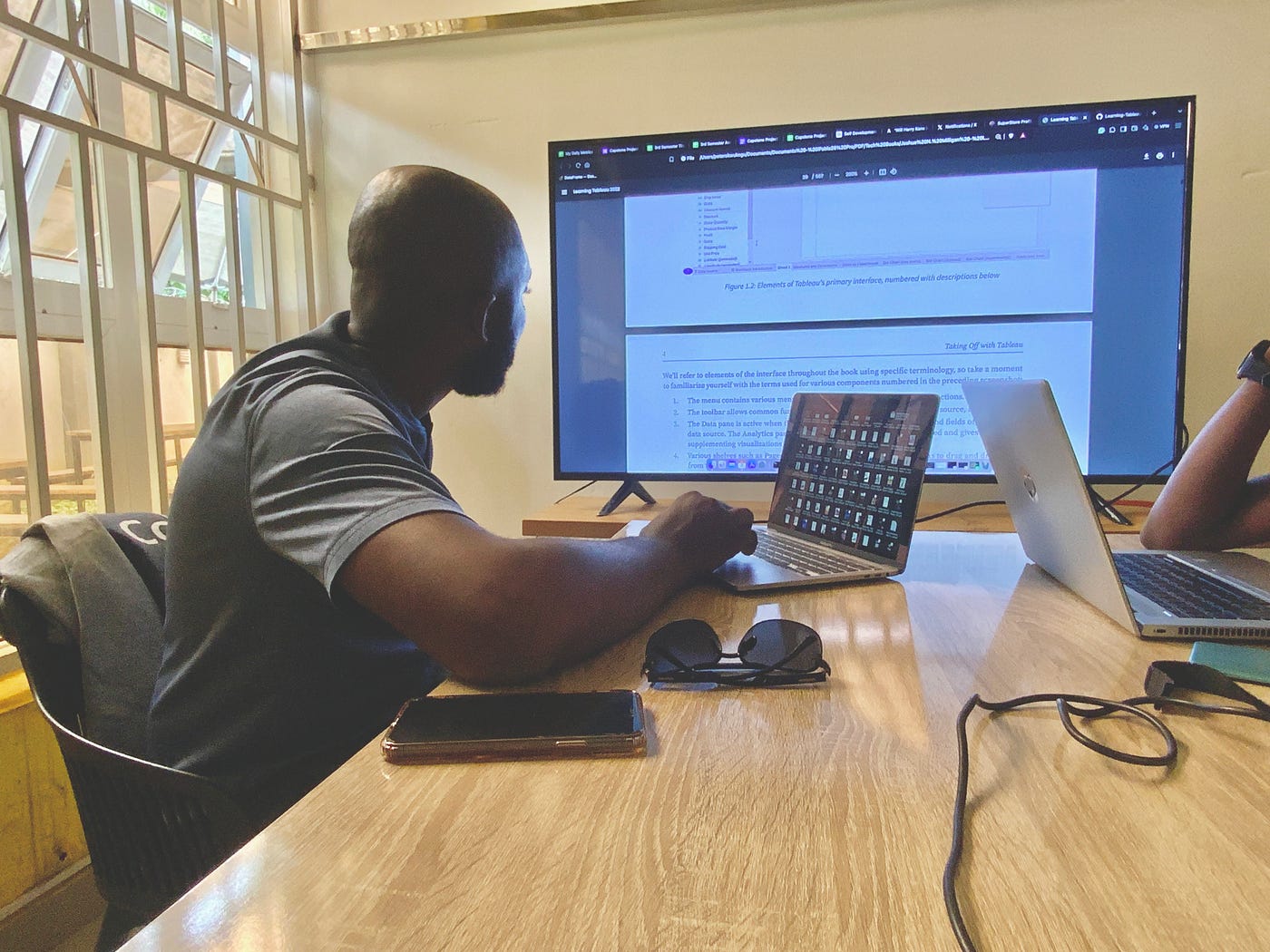
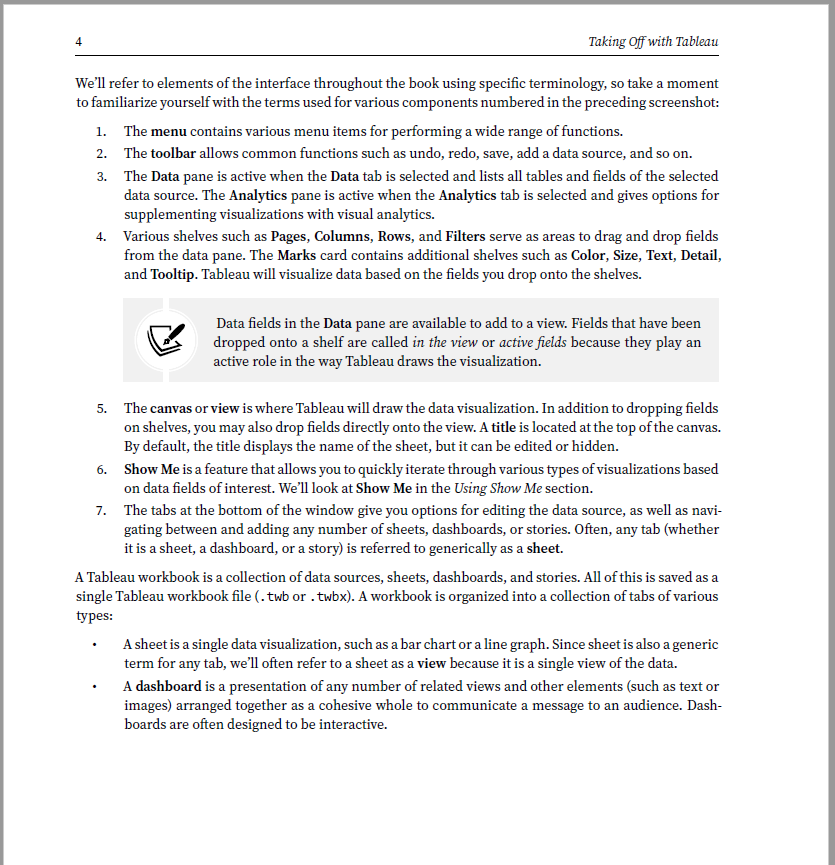
Always check out the menu bars and toolbars to see what is available.
Someone reached out a while back to Peter to do a data task without any introduction or context, you can’t jump into what you haven’t prepared well for.
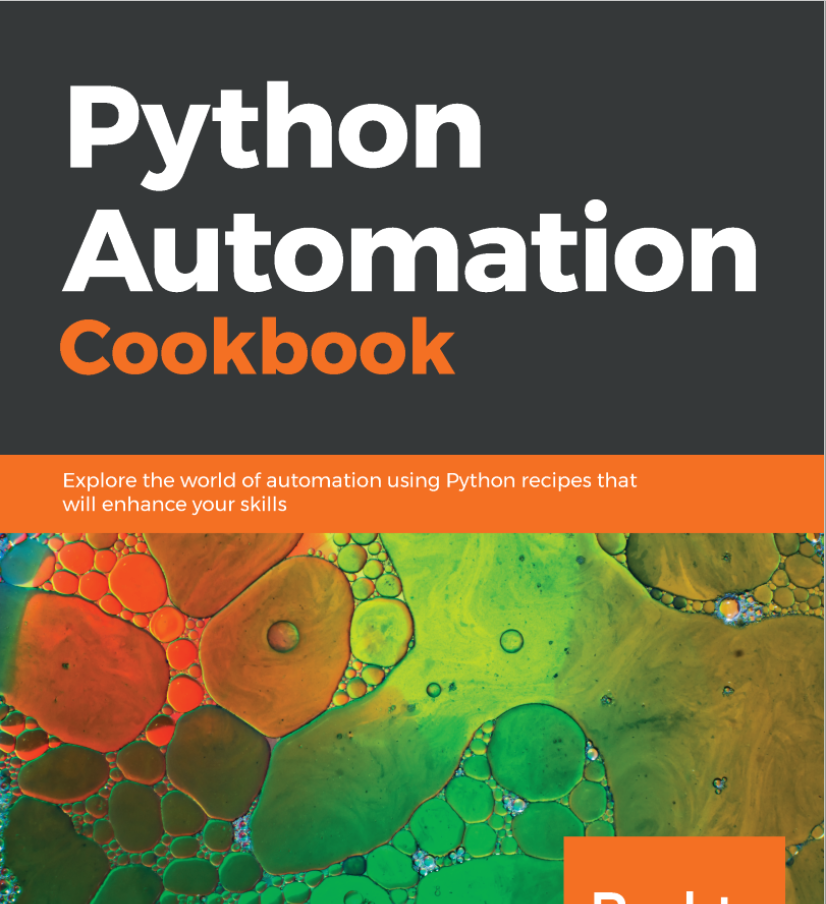
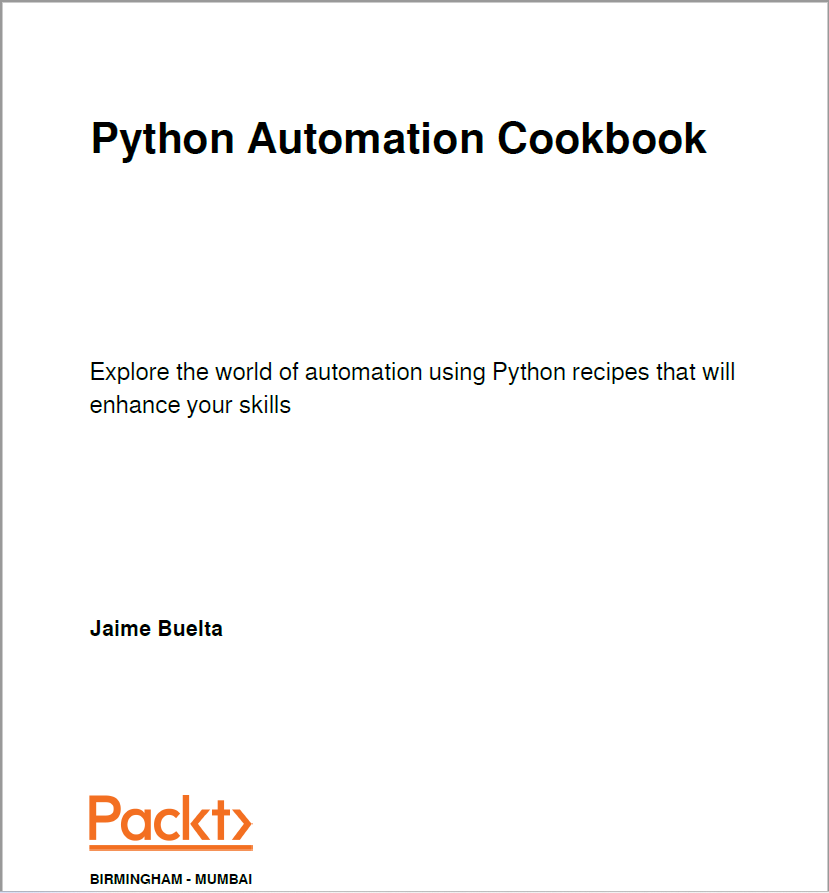
We looked at Python Cook Book, by Jaime Buelta,
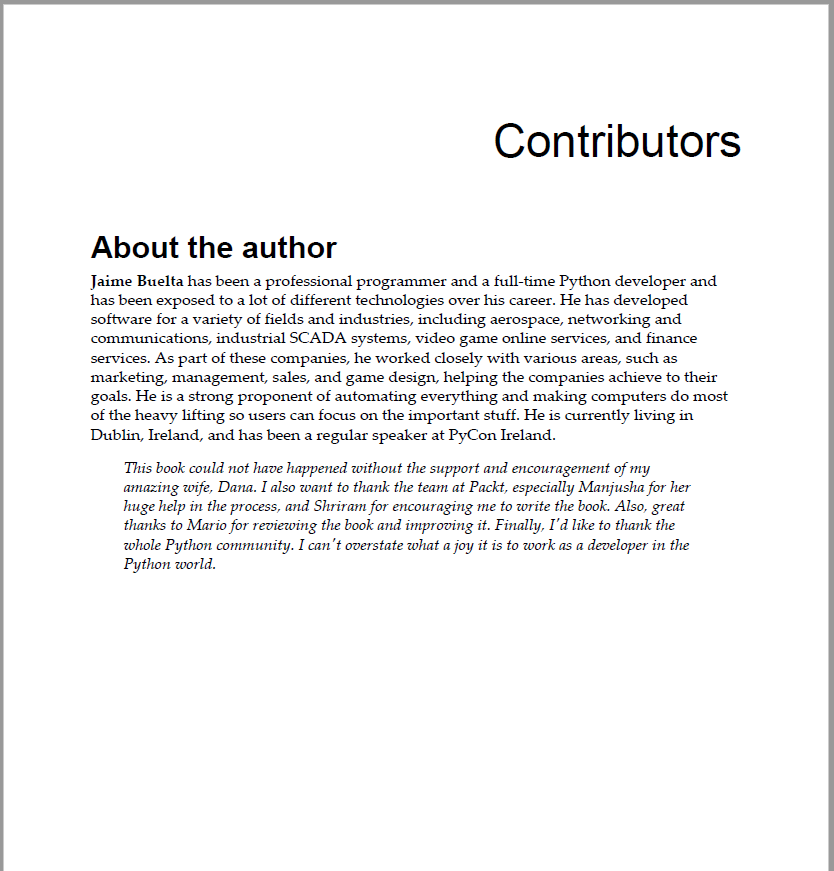
We looked at the about page and it gave an idea of the authors’ background, from aerospace, networking, communications, industrial scads systems, and video game online services.
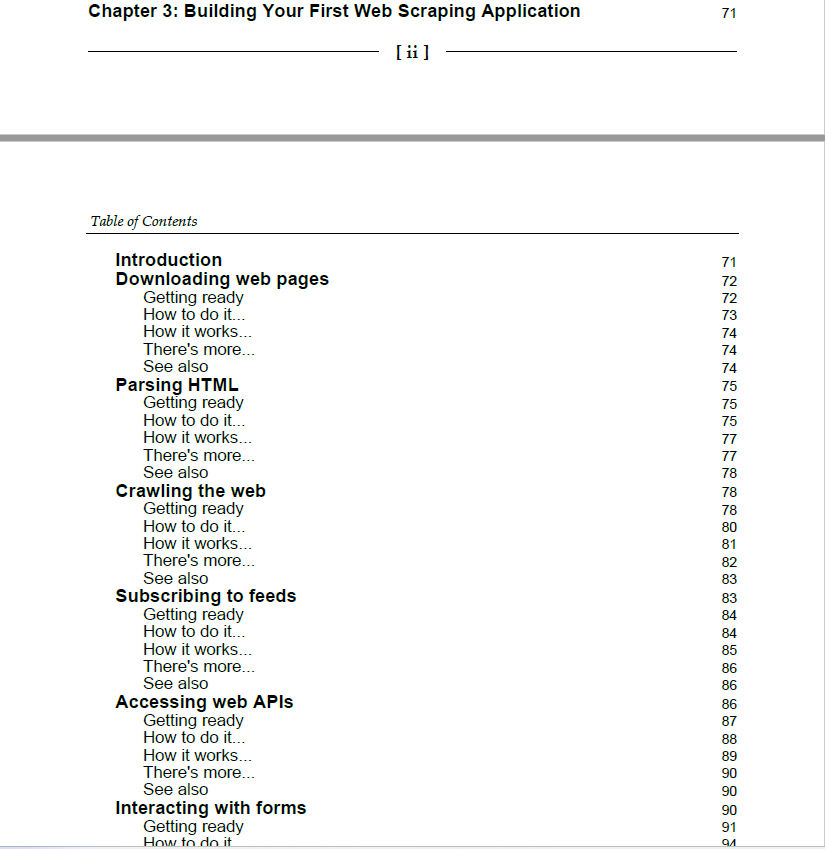
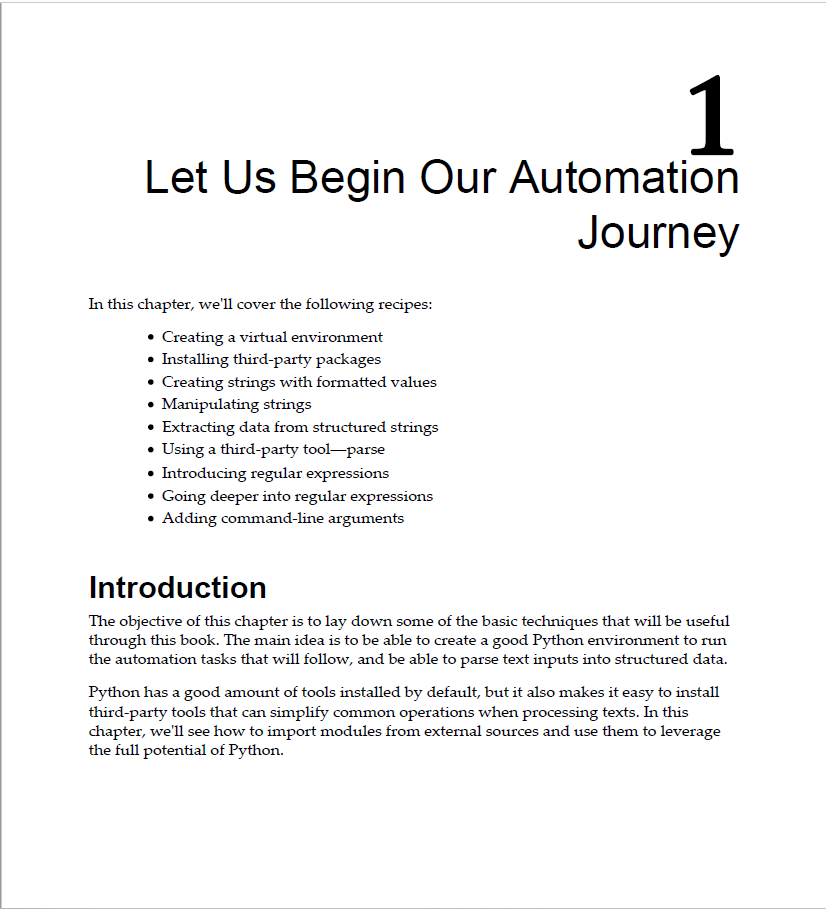
If you truly want to understand Python automation it’s a good read, but the instance you jump over chapter one to get to chapter 3 Because it says “Building your First Web Scraping Application” would be a disservice because you have missed the foundational information in chapter one that talks about creating a virtual environment, installing third-party packages, creating strings, manipulating strings extracting data,, using third-party tools- parse, Introducing regular expressions, more regular expressions and adding command line.
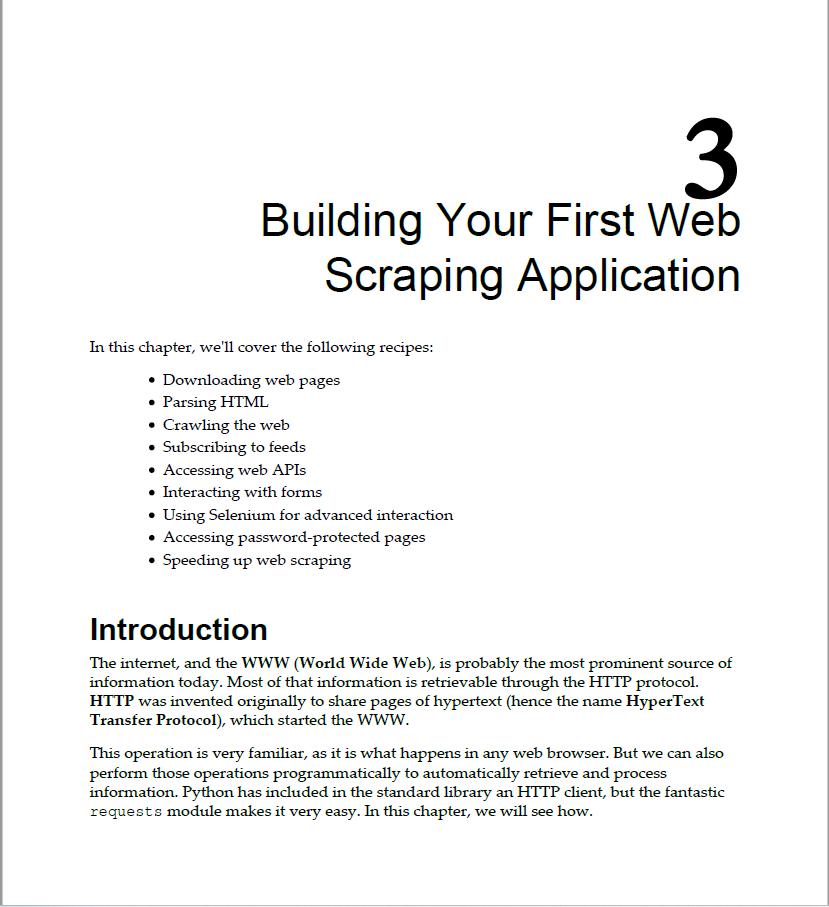
You would miss the objective of the chapter that would help you to lay down basic techniques.
You communicate better on a subject matter you have read well on.
We also talked about stacked overflow which is best understood by reading.
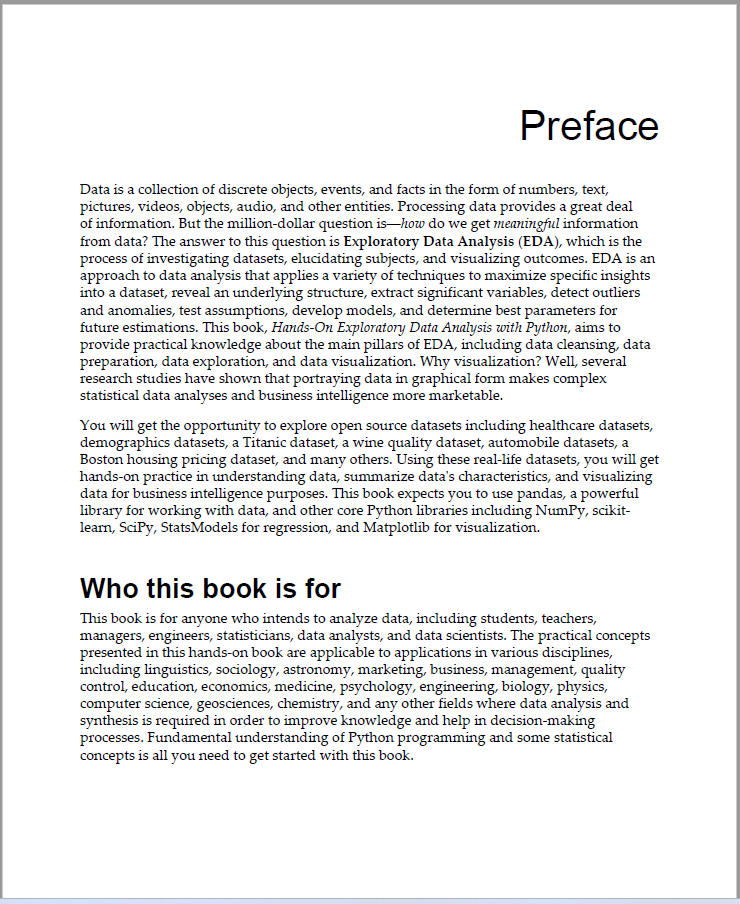
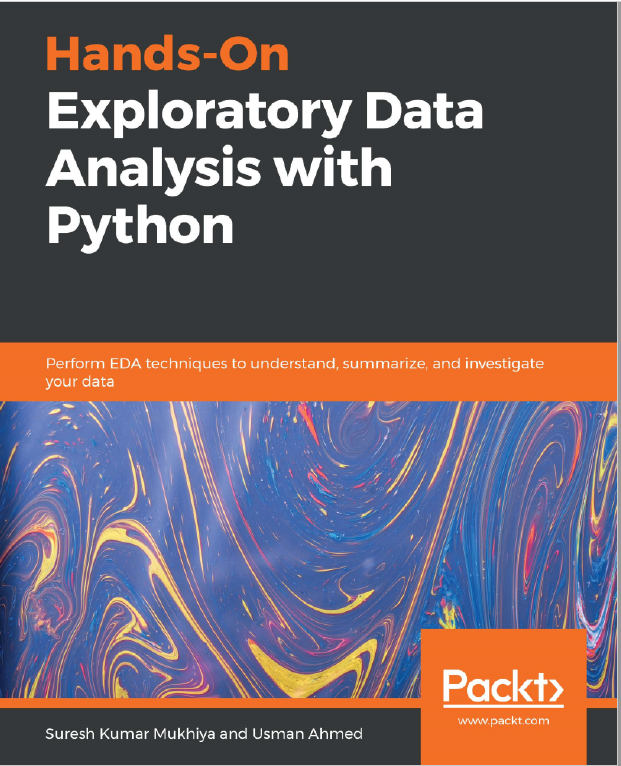
We also looked at Hands-On Exploratory Data Analysis with Python by Suresh Kumar Mukhiya and Usman Ahmed
My takeaway from this meeting is :
- You have various options to connect data to Tableau.
- Following the step-by-step guides help learning easier.
- Get a hang of the introduction and preface of Authored works.
- The resulting calculations show on data panes as fields in the connect data window.
- There has to be foundational knowledge before data is analyzed
I am looking forward to the next meeting on Tableau, we will be talking about sports journalism.
Do comment below on how your journey into Tableau has been.
*Eba
- Eba is a popular Nigerian dish made from cassava flour. It is one of the staple foods in Nigeria and is commonly enjoyed alongside various soups and stews.
- Eba, also known as Garri, has been a part of Nigerian cuisine for centuries. It is believed to have originated from the Yoruba tribe in southwestern Nigeria. The Yorubas have been cultivating cassava, the main ingredient of eba, for generations, making it an integral part of their traditional diet.
- What is Eba Nigerian Food?
Eba is a classic Nigerian food made from fermented and dried cassava roots that are ground into fine flour. This flour is then cooked with hot water to form a stiff, dough-like consistency. It is typically eaten with various Nigerian soups and stews.
* Yoruba Demon
Yoruba demon is slang for a young man, typically of Yoruba descent who has the uncanny gift to effortlessly make ladies fall for them very easily. He is believed to be naturally a gifted smooth talker and a Casanova, who prides himself in being able to acquire a huge group of beautiful female admirers and side chicks.
메타데이터
- post_id
- 2b98c844b4e5
- slug
- tableau-saturday-xxix-7th-september-2024-2b98c844b4e5
- url
- https://medium.com/@oyesinaoyerinde/tableau-saturday-xxix-7th-september-2024-2b98c844b4e5
- canonical_url
- https://medium.com/@oyesinaoyerinde/tableau-saturday-xxix-7th-september-2024-2b98c844b4e5
- author_url
- https://medium.com/@oyesinaoyerinde
- status
- ok
- fetched_at
- 2026-08-08 10:10:36