Baseball Pitching Assessment Explained: From Mechanics to Velocity
A youth baseball pitching assessment is like a personal check-up for your pitching skills. It looks at how you throw, how fast the ball…
Baseball Pitching Assessment Explained: From Mechanics to Velocity
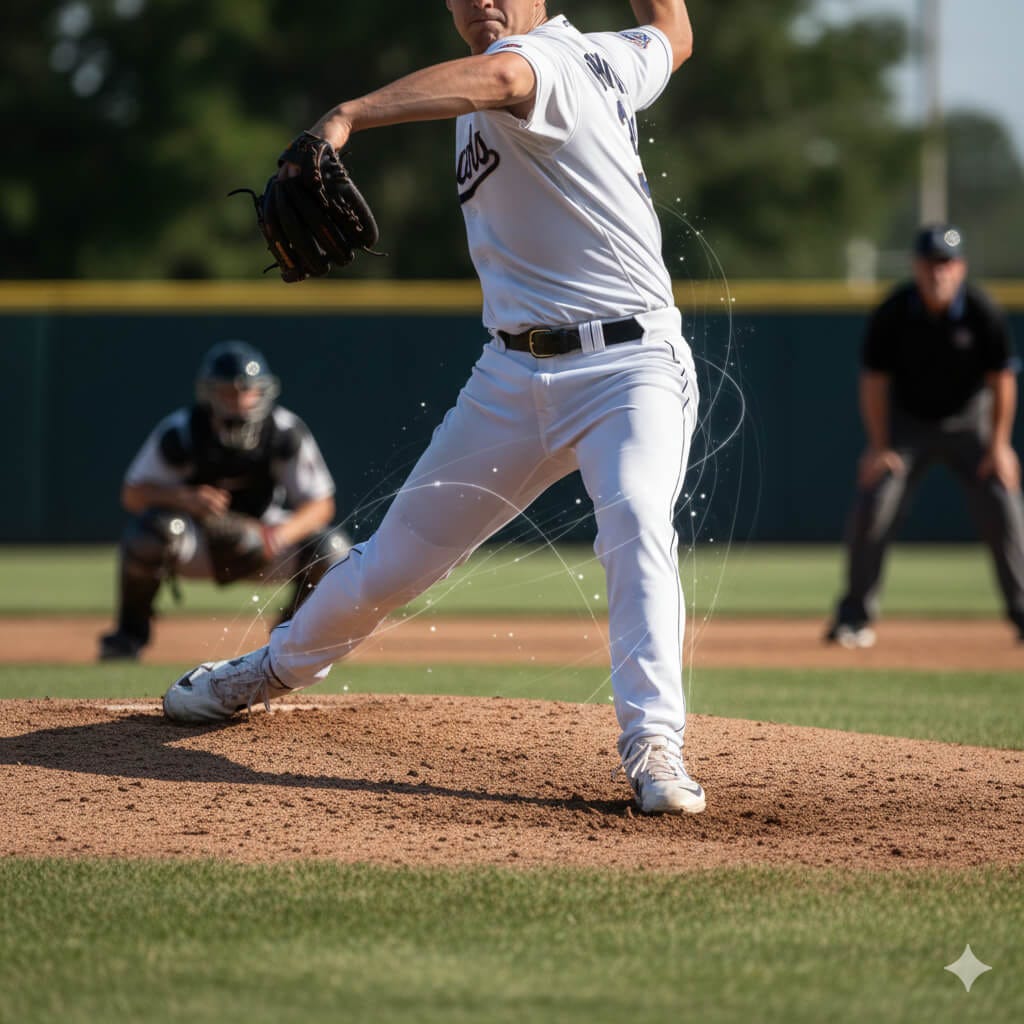
A **youth baseball pitching assessment** is like a personal check-up for your pitching skills. It looks at how you throw, how fast the ball goes, and how well you hit your target. Coaches can see what you’re doing well and what needs work. This helps you throw stronger, more accurate pitches, stay healthy, and get better faster. Think of it as a map showing exactly how to reach your best game.
Why Pitching Assessment Matters More Than Ever
Pitching isn’t just about throwing hard. Doing it the right way keeps you safe and helps you improve faster. A youth baseball pitching assessment shows what you’re doing right and what needs fixing. Starting young means you can build good habits that last.
Simple Key Points:
- Helps you avoid common pitching injuries
- Shows your strengths and weaknesses
- Builds confidence on the mound
- Lets you track improvement over time
The Hidden Secrets Behind a Fast, Accurate Pitch
A great pitch comes from little details. How your arm moves, your wrist, and your body posture all make a difference. A pitching assessment shows these details so you can throw faster and more accurately than you thought possible.
Simple Key Points:
- Arm angle changes pitch speed
- Wrist movement affects control
- Posture affects consistency
- Proper mechanics reduce stress on joints
Breaking Down the Mechanics: How Every Motion Counts
Every move in pitching matters from pushing off the mound with your legs to rotating your shoulders. A good assessment breaks it down so you can see exactly what to practice. Learning the “why” behind each motion makes training smarter, not harder.
Simple Key Points:
- Strong leg push boosts speed
- Shoulder rotation adds power
- Proper hip alignment improves balance
- Follow-through helps prevent injuries
Tools & Techniques: Measuring Velocity and Spin Like a Pro
Tech can help you see how well you pitch. Radar guns, video, and sensors show your speed, spin, and accuracy. Knowing the numbers makes it easier to focus on what to improve.
Simple Key Points:
- Radar guns track pitch speed
- Spin rate shows pitch effectiveness
- Videos help spot mechanical mistakes
- Sensors measure arm speed and angle
Common Mistakes That Hold Pitchers Back
Many young pitchers make small mistakes that slow them down. Relying on arm strength alone or not finishing your throw properly can be a problem. Assessments find these mistakes early so you can fix them and get better faster.
Simple Key Points:
- Using arm too much without leg help
- Wrong grip or release point
- Poor follow-through
- Inconsistent mechanics under stress
How Improving Mechanics Boosts Your Game Instantly
Fixing even small things in your pitching can make a big difference. You’ll throw faster, hit your target more often, and feel confident. Many young pitchers see real results in just a few weeks.
Simple Key Points:
- Gain more pitch speed
- Hit strikes more consistently
- Reduce risk of shoulder/elbow injuries
- Improve quickly in games
Pitching Insights That Can Take You From Average to Elite
Assessment results show exactly where you can improve. By focusing on the right things, you can train smarter, practice more effectively, and start playing like a top pitcher.
Simple Key Points:
- Personalized tips for your game
- Drills that target weak spots
- Track your improvement over time
- Learn how to pick the right pitch
Success Stories: Pitchers Who Transformed Their Velocity
Many young pitchers have added 5–10 mph to their fastball after an assessment. They fixed small mistakes and improved mechanics, giving them confidence and better results in games.
Simple Key Points:
- Real-life examples of speed gains
- Fewer injuries
- Confidence boosts
- Motivation to keep training
Get Your Own Pitching Assessment Today
Don’t wait to get better. Book a youth baseball pitching assessment to see where you stand and get a plan to improve. Coaches will show exactly what to work on for the best results.
Simple Key Points:
- Find certified assessment centers
- Schedule online or in-person
- Get a report with easy tips
- Start improving now
Tips to Start Tracking and Improving Your Pitching Stats
Keep track of your speed, accuracy, and spin. Tracking helps you see progress and stay motivated. Combine this with drills for faster improvement.
Simple Key Points:
- Record every practice and game
- Check speed and accuracy often
- Watch videos of your mechanics
- Set small, achievable goals
Next Steps: Drills, Training, and Expert Guidance
Once you know your strengths and weaknesses, start training the right way. Use drills, work on weak spots, and follow a plan to get faster, stronger, and more accurate.
Simple Key Points:
- Stretch and warm up properly
- Work on different pitch types
- Practice consistently
- Learn from experienced coaches
FAQs
Q: What age is best for a youth baseball pitching assessment? Any age works, but 8–15 is ideal. Young players can develop good habits early.
Q: How often should a pitcher get assessed? Every 3–6 months. This helps track growth and adjust training.
Q: Can assessments prevent injuries? Yes! Fixing mechanics early reduces the risk of arm and shoulder injuries.
Q: Do assessments improve velocity? Yes! Better mechanics, arm strength, and proper motion increase speed safely.
Final Thoughts
A youth baseball pitching assessment is more than just checking speed — it’s a roadmap to better pitching. The earlier you learn your mechanics, the faster you improve. Don’t guess or hope for progress. Start tracking, training, and leveling up your game today. Are you ready to throw faster, pitch smarter, and play like a pro?
메타데이터
- post_id
- 2bb23ed90d18
- slug
- baseball-pitching-assessment-explained-from-mechanics-to-velocity-2bb23ed90d18
- url
- https://medium.com/@sportsguide1/baseball-pitching-assessment-explained-from-mechanics-to-velocity-2bb23ed90d18
- canonical_url
- https://medium.com/@sportsguide1/baseball-pitching-assessment-explained-from-mechanics-to-velocity-2bb23ed90d18
- author_url
- https://medium.com/@sportsguide1
- status
- ok
- fetched_at
- 2026-07-25 05:01:28