The Sleep Change I Take More Seriously Than Snoring
The subtle shift that often appears before fatigue becomes obvious.

The Sleep Change I Take More Seriously Than Snoring
The subtle shift that often appears before fatigue becomes obvious.
I sometimes imagine sleep as an invisible night shift.
Every evening we hand over the keys and leave. The lights go out. The machinery quiets. The day’s conversations, frustrations, decisions, and small accumulations of wear are left where they fell. Then, sometime after midnight, an unseen crew seems to arrive.
They sort records that were left in disarray. They carry away debris. They patch small cracks before anyone notices them. Memories are filed where they belong. Muscles negotiate their repairs. Emotional bruises that felt sharp at bedtime often return dulled by morning. For most of our lives, the process works so reliably that we rarely stop to think about it.
Sleep feels automatic because it usually works.
Then, often so gradually that it escapes notice, something changes. A person begins sleeping a little later on weekends. Afternoon naps become more appealing. Recovery takes longer than it once did. None of these changes seems important in isolation. Together, however, they can create a subtle impression that the relationship between sleep and restoration is no longer as straightforward as it once was.
As a physician, I pay attention to snoring. Obstructive sleep apnea remains one of the most common and underdiagnosed sleep disorders, and loud snoring accompanied by pauses in breathing deserves attention.
Over time, however, another pattern has begun to interest me just as much.
It appears in people who are sleeping longer than they once did yet feeling less restored when they wake.
The Sleep Pattern I Listen For
When people talk about sleep, they usually begin with arithmetic. The conversation quickly settles on familiar numbers, as though the mystery can be solved by accounting alone. Seven hours is considered healthy. Six sounds concerning. Eight feels ideal. The discussion revolves around quantity because quantity is easy to measure.
Restoration is harder.
Most people can estimate how long they slept the night before. Far fewer can describe whether sleep is still providing what it once provided.
Over the years, I have found myself listening less to the number and more to the stories surrounding it. The clues rarely arrive in medical language. They emerge in passing remarks that might otherwise seem forgettable.
Someone mentions that Saturday mornings have quietly disappeared into sleep. Another person explains that Sundays have become recovery days. A third laughs about needing ten hours in bed and then admits that fatigue still settles over the afternoon. None of these observations sounds particularly alarming. In fact, many people regard them as an ordinary part of getting older.
Yet taken together, they often suggest something worth exploring.
Many adults continue to function at a high level while gradually requiring more recovery time than they once did. They keep working, exercising, traveling, caring for family members, and meeting obligations. What changes is not their ability to function but the amount of effort required to maintain the same level of function. The margin begins to shrink.
Sleep often reflects that shift before people recognize it elsewhere.
If you enjoy essays about the small changes that often appear before health, energy, and resilience begin to decline, you can join my free newsletter here. Every week, I share one observation from medicine, aging, and everyday life that most people miss until much later:

Many people notice changes in recovery long before they notice changes in health.
When More Sleep Becomes A Signal
Several years ago, I noticed a recurring theme in clinic conversations. Patients rarely arrived worried that they were sleeping too much. Most viewed the extra sleep as a sensible response to a demanding life.
What caught my attention was the broader context.
One patient told me she spent much of Sunday recovering from the week. Another described becoming increasingly cautious about evening plans because she could never predict how much energy she would have left. A recently retired man mentioned that he was sleeping longer than ever, yet somehow felt less energetic than he had while working full-time.
None of these stories sounded dramatic. That was precisely the point.
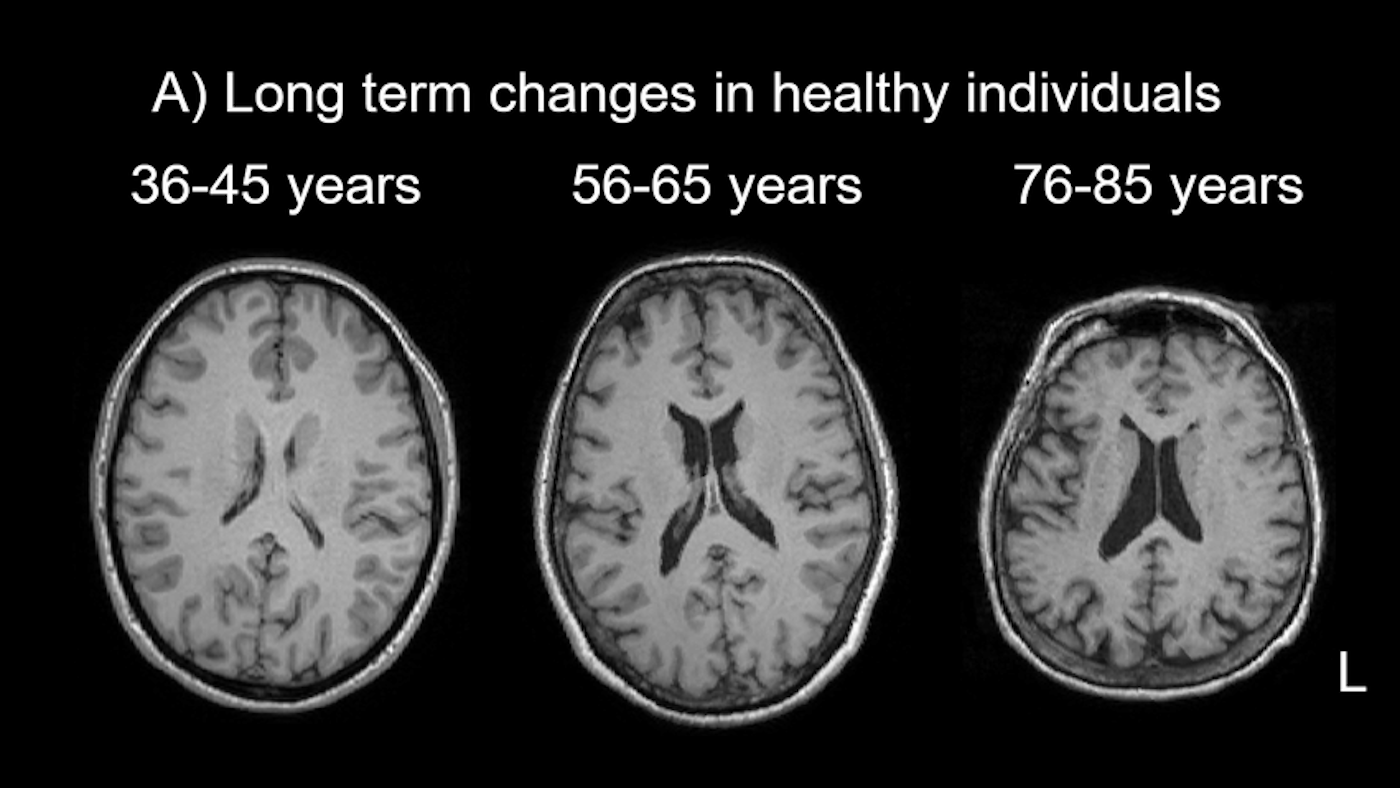
Many physiological changes begin long before they become severe enough to attract attention. Before people become obviously frail, they often become slightly less resilient. Before exhaustion becomes undeniable, recovery quietly expands to fill a larger share of life. Capacity rarely disappears all at once. More often, it recedes gradually, allowing people to explain each individual change while missing the larger pattern.
The body seldom announces these transitions loudly. More often, it leaves clues.
What The Research Actually Shows
Most discussions about sleep focus on deprivation, and rightly so. Chronic sleep restriction has been associated with impaired cognition, metabolic dysfunction, cardiovascular disease, mood disorders, and a host of other problems.
Less attention is given to the opposite end of the spectrum.
Large observational studies have repeatedly found associations between habitual long sleep duration and conditions such as frailty, depression, cardiovascular disease, cognitive decline, and increased mortality. These findings are sufficiently consistent to warrant attention, but they require careful interpretation.
Long sleep is not necessarily causing these outcomes.
In many cases, the additional sleep may reflect underlying physiological strain already present. Chronic inflammation, depression, sleep disorders, medication effects, systemic illness, and age-related changes can all increase the body’s need for recovery. The extra sleep may be less a cause than a clue.
That distinction matters because it changes the conversation. Rather than viewing longer sleep as a problem in itself, it encourages us to ask what might be driving the change.
A new need for substantially more sleep is often more interesting than the number of hours alone.
This pattern reminds me of something I explored recently in Why Sleeping Too Much May Be a Warning Sign, Not Recovery. One of the most common assumptions in health is that needing more recovery automatically means we are recovering better. Often the opposite is true. Sometimes, increased sleep, downtime, and recovery needs are the first signs that the body’s reserve capacity is beginning to shrink.
If you missed that essay, you can read it here: Why Sleeping Too Much May Be a Warning Sign, Not Recovery.
Restoration Matters More Than Duration
Modern health culture is increasingly built around measurement.
We count steps, calories, heart rates, glucose levels, protein intake, and sleep duration. These metrics can be useful, but they sometimes create the illusion that health can be reduced to numbers alone.
Sleep resists that simplification.
Two people can spend the same amount of time in bed and wake with entirely different reserves of physical and mental energy. One moves through the day with ease. The other feels as though the night accomplished very little.
The difference is not trivial.
The purpose of sleep is restoration. Hours matter because they contribute to that goal, not because they are the goal itself. When restoration begins to decline despite increasing time spent asleep, the change warrants attention even if no obvious illness is present.
Capacity is harder to measure than sleep duration, but it is often the more meaningful signal.
Much of my writing begins with observations like these. A small change in sleep. A subtle shift in energy. A behavior that seems ordinary until it starts appearing again and again.
Each week, I share one of these patterns with newsletter readers, along with the research and real-world observations that shaped it. If you’d like more essays about the hidden signals that often appear before obvious health decline, you can join me here: **KIT LINK**

Recovery is often where the earliest changes in health first appear.
Final Thoughts
Most of us spend decades trusting sleep without thinking much about it.
We close our eyes, disappear for a few hours, and return ready to continue. The arrangement feels so dependable that we rarely question it. Sleep repairs what needs repairing. The night shift arrives, does its work, and quietly leaves before morning.
That confidence is one reason changes in sleep deserve attention. When people begin sleeping longer but feeling less restored, the natural assumption is that they simply need additional rest. Sometimes that explanation is correct. Life can be demanding. Recovery can take time. Aging itself changes many aspects of physiology.
What interests me is not the occasional weekend spent catching up on sleep. It is the gradual pattern in which more time in bed produces less of the renewal that sleep is supposed to provide. The shift is often subtle enough to dismiss and persistent enough to matter.
The invisible night shift may still be showing up every evening. Yet if it increasingly seems to require longer hours to accomplish the same work, I have learned to become curious about the reason. In medicine, some of the most important signals are not dramatic symptoms but quiet changes in function, capacity, and recovery that appear long before obvious disease.
Sleep is no exception.
Many of the ideas in this essay grew out of a larger project I’ve been working on about capacity, recovery, and the subtle changes that often appear before more obvious decline. I recently collected two of those resources into The Capacity Collection, a new set of short books exploring these themes in greater depth.
Learn more here: https://achievewellness.gumroad.com/l/squnlc
Michael Hunter, MD, is a radiation oncologist who writes about health, attention, and how small, quiet changes reduce strain before burnout. His work focuses on what actually helps people feel better in real life.
메타데이터
- post_id
- 2c0845bb932f
- slug
- the-sleep-change-i-take-more-seriously-than-snoring-2c0845bb932f
- url
- https://medium.com/dr-michael-hunters-wellness/the-sleep-change-i-take-more-seriously-than-snoring-2c0845bb932f
- canonical_url
- https://medium.com/dr-michael-hunters-wellness/the-sleep-change-i-take-more-seriously-than-snoring-2c0845bb932f
- author_url
- https://medium.com/@drmichaelhunter
- status
- ok
- fetched_at
- 2026-06-21 23:24:37