AI makes Outputs. Humans make Art.
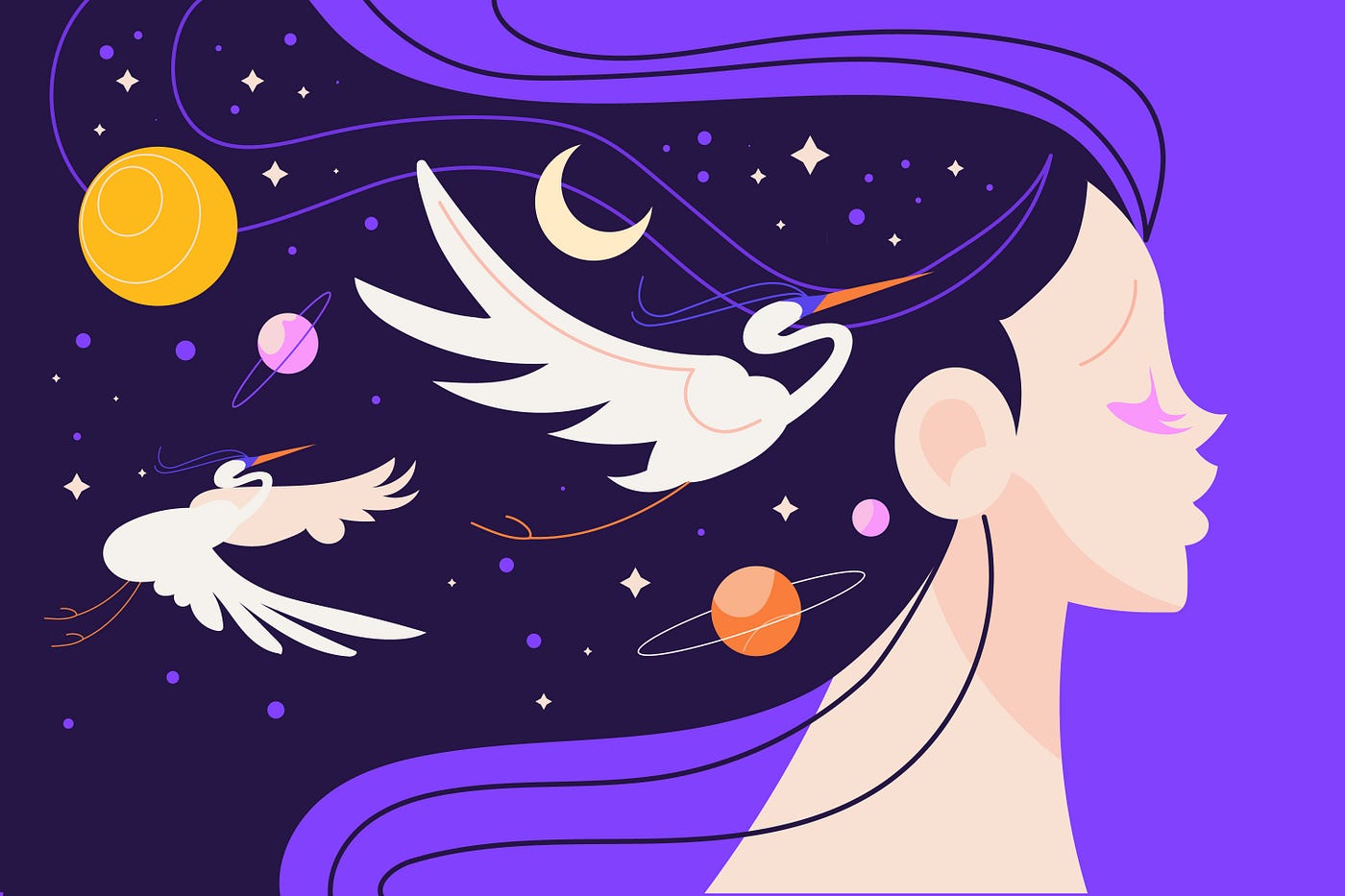
What is art? Is it not but the expression of human emotions? Or is it merely pixels?
AI makes Outputs. Humans make Art.
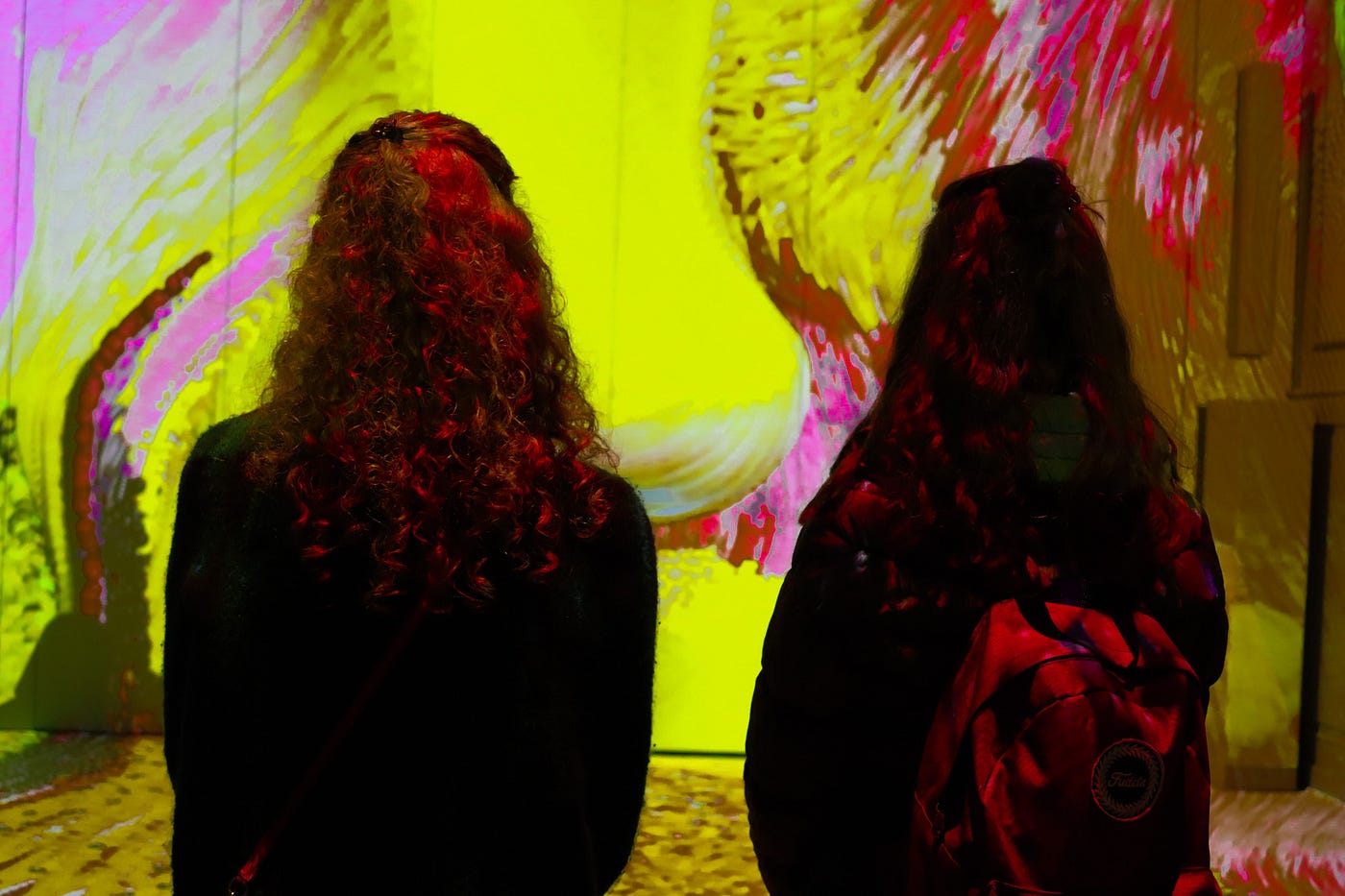
What is art? Is it not but the expression of human emotions? Or is it merely pixels?
A highly debated topic, is AI art even “art”?
For the longest time, art was the ultimate expression of what someone with breath and bone felt.
Art comes in many forms, as a painting, as a piece of jewellery, a building or even the logo you see on the billboard! Where do we draw the line when we say AI generated images are unacceptable? AI “art” has many ethical concerns surrounding it, particularly copyright issues and the devaluation of human artistic skills. Apart from these concerns, AI kills creativity as people rely more and more on it, everyday to do their creative tasks.
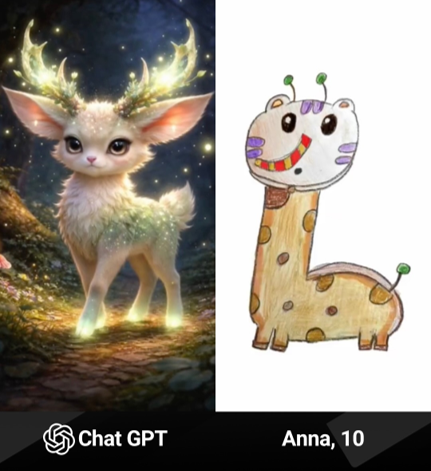
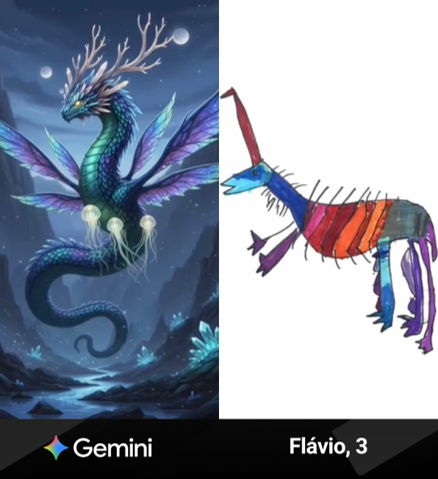
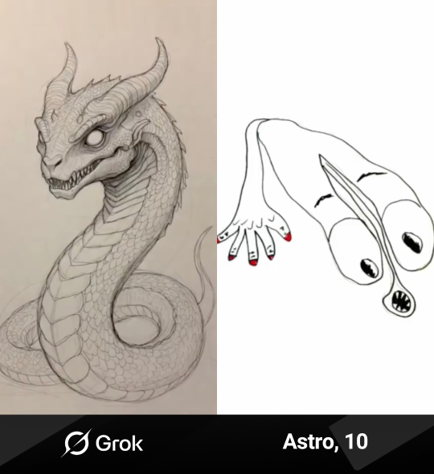
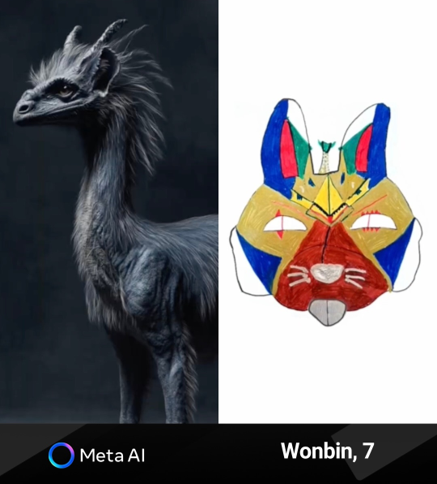
Korean-American designer Ji Lee recently conducted an experiment in which he gave the same prompt to both children and AI, the prompt was to “draw an animal that does not exist”. Some of the results are as follows:
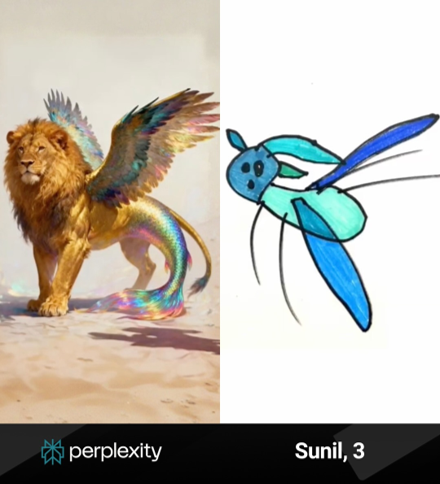
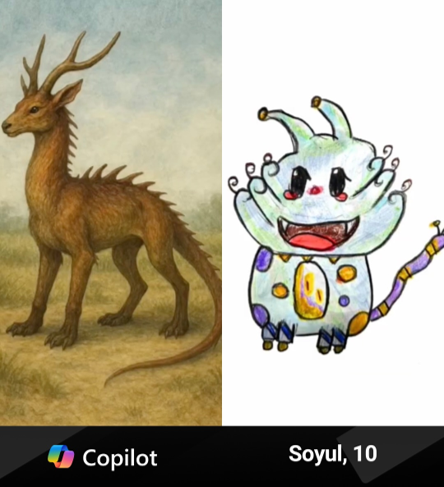
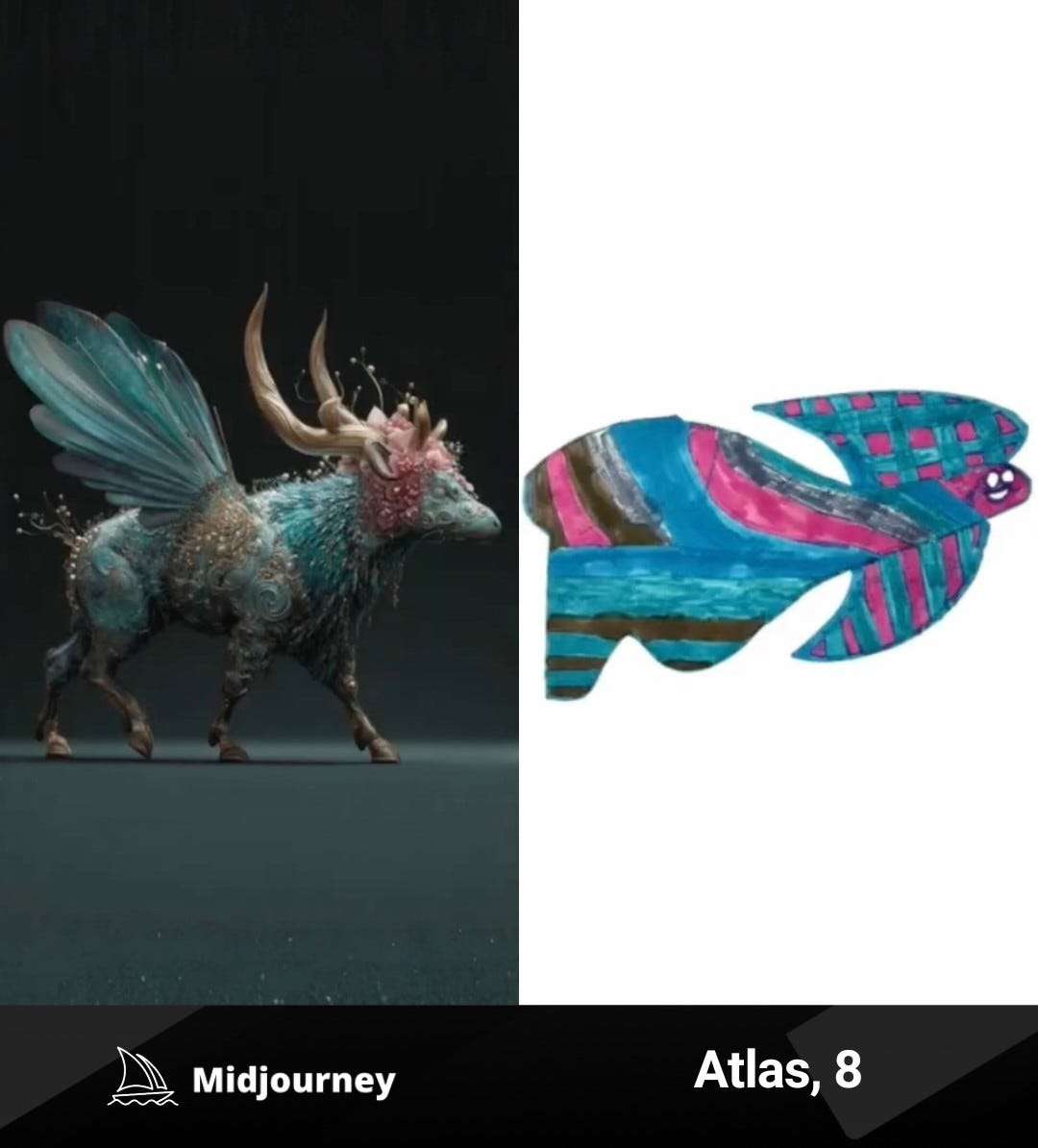
Source of images : instagram @jileecious @art_dailydose
What resonated most among the audience was how AI could only combine existing animals and create images from familiar patterns, while the creatures of the children’s imagination actually feel outlandish. The children were able to ignore existing logic and invent new non-existent creatures. They were able to switch between imagination and intuition in a way that machines could not.
Ji Lee says he conducted this experiment to bring awareness about the impact of AI on children, on originality and creativity, he quoted Sydney J Harris in his reel,
The real danger is not that computers will begin to think like humans, but that humans will begin to think like computers.
The experiment hit the mark and sparked an important conversation about how over exposure to AI images can make us lazy that at one point, we cannot think, we can only see. It also shows us how art made by people has soul to it, something that AI cannot replicate as it only mimics, it does not create.
It was also not very long ago that a lot of us were trying to “Ghibli-fy” our photos. Studio Ghibli is an internationally acclaimed Japanese animation film studio in Tokyo, Japan. It is widely considered one of the most influential and celebrated animations in cinema history. What makes their movies special is that Ghibli artists meticulously hand-paint landscapes, skies and cities using watercolours and poster paints.
Many around the world were trying to give their images a Studio Ghibli aesthetic without knowing what it was. While one does not have to know what Ghibli really is to put in a prompt and generate an image, knowing the context changes how we value art. When people use the name without knowing the source, it separates the style from the real extreme human effort that created it. Learning this, not only honors this effort but also prevents cultural erasure, as when a style becomes just a viral trend, the original meaning gets lost. If millions around the world know Ghibli as merely an internet filter, the actual movies, stories and Japanese cultural roots get overshadowed. Apart from this, every single film and character of Studio Ghibli is actually fully copyrighted and heavily protected by law which brings us to the question,
How is AI able to replicate this aesthetic?
This is because though specific expressions of the style and characters can be copyrighted, an aesthetic cannot be. AI filters are able to get away with this (for now) because they are not copy pasting actual film pixels into your picture. Instead, AI has analyzed many thousands of Ghibli frames to learn the patterns of their colour palette, line weight and shading. Because the law views style as an uncopyrightable concept, these filters operate in a massive legal loophole.
Many people are also under the misconception that Ghibli is a public domain as Studio Ghibli released many HD film stills on their official site for anyone to download for free. But, they explicitly stated that these images are only free to use for personal and non-commercial use. On top of this, The studio’s co-founder Hayao Miyazaki famously publicly stated that AI animation is an “insult to life itself”. Using AI to mimic his life’s work goes directly against his artistic philosophy.
However, though AI can mimic the surface level colours and textures of the Studio Ghibli frame, it cannot replicate the human choices, personal memories, philosophies and deliberate imperfections that gives the films their soul. Like all human made art, Ghibli also derives its beauty not just from the art itself but also the experiences, influences and the history of the artist that make it.
Like we have seen previously with the drawings made by the kids, human genius relies on defying expectations and taking wild, unpredictable creative leaps that defy statistical probability.
Most artists’ complaint against AI “art” is about how AI is trained on datasets that scrape living artists’ life works without their consent or compensation. The ability of anyone to generate good looking (albeit not intentional or meaningful) pieces quickly by typing prompts also sparked concerns about the future viability of making a living as an artist.
AI can also cause gradual decline of skill by weakening neural pathways and shrinking active vocabulary as we use AI to write for us, to draw for us, to think for us! Over time, this also makes us lose our own personal voice and style and the longer we let AI write for us, the more intimidating a blank page becomes. It also makes it harder for our brain with each passing day to structure thoughts and express them independently.
There is no doubt that AI is a massive game changer and brings undeniable value to the table, we must also be careful of its disadvantages. However, instead of replacing human creativity, AI should be used in areas where it shines best, like data crunching, where it can instantly find hidden patterns and trends within massive spreadsheets, summarizing huge content or automated scheduling and organization where it manages your calendar invites and meeting times automatically. We must actively choose to seek out and support human made art. We must choose to sit with a blank page even when it’s uncomfortable, like it is an exercise for us. Importantly, we must push for laws that require consent and compensation when artists’ works are used to train AI models. We should not be outsourcing our humanity to algorithms by letting them make our art or write our personal stories. Instead, the right approach, in my opinion is to let AI handle the tedious grunt work which frees up our time and mental space, letting us do more deep, authentic creative thinking. By design, AI generated images lack originality. Art is human expression captured in sketches, paintings, architecture, writing, cinema, music, dance etc,. AI does not have an expression to capture. It cannot bleed onto a page and for that reason, it cannot create real art.
메타데이터
- post_id
- 2c65837d426e
- slug
- ai-makes-outputs-humans-make-art-2c65837d426e
- url
- https://medium.com/the-ai-entrepreneurs/ai-makes-outputs-humans-make-art-2c65837d426e
- canonical_url
- https://medium.com/the-ai-entrepreneurs/ai-makes-outputs-humans-make-art-2c65837d426e
- author_url
- https://medium.com/@sreeja-p
- status
- ok
- fetched_at
- 2026-06-21 15:33:18