Mercury and Autism in Astrology.
Understanding Neurodivergence through the Lens of Astrology.
Mercury and Autism in Astrology.
Understanding Neurodivergence through the Lens of Astrology.
Astrology has long attempted to understand the diversity of human psychology, behavior, and perception. Among the many subjects modern astrologers explore today is the connection between astrology and neurodivergence — especially Autism Spectrum Disorder.
This is an important topic that requires care, maturity, and ethical understanding.
Autism is a neurological condition, not a spiritual flaw or karmic punishment. No astrological placement can “cause” autism, and no birth chart alone can diagnose it. However, astrology can sometimes reflect unusual communication patterns, sensory processing differences, hyperfocus, emotional wiring, and nontraditional cognition.
In astrology, the planet most associated with these themes is Mercury.
Mercury governs:
- speech.
- communication.
- nervous system activity.
- perception.
- learning patterns.
- social interaction.
- information processing.
- cognitive style.
When Mercury is heavily intensified, restricted, isolated, overstimulated, or connected to karmic planets like Rahu and Ketu, astrologers sometimes observe traits associated with neurodivergent thinking.
This article explores those symbolic patterns in depth.
Why Mercury matters so much?
Mercury represents how the mind organizes reality.
A balanced Mercury usually communicates in socially expected ways:
- conversational rhythm.
- verbal adaptability.
- social learning.
- flexible thinking.
- quick interpretation of cues.
But when Mercury becomes unusually configured, the mind may process information differently from societal norms.
This does not automatically indicate autism.
Instead, it may show:
- nonlinear cognition.
- sensory intensity.
- hyperfocus.
- literal interpretation.
- social exhaustion.
- communication delays.
- deep specialization.
- obsessive interests.
- unusual intelligence patterns.
Many neurodivergent individuals do not lack intelligence at all. In fact, their charts often show extremely powerful mental signatures.
The issue is not absence of cognition — but difference in cognitive processing.
Mercury and Saturn.
The Silent or Structured Mind.
One of the most discussed combinations is Mercury connected to Saturn.
This can occur through:
- conjunction.
- aspect.
- Saturn in Mercury’s nakshatra.
- Mercury in Saturn’s sign.
- Saturn influencing the 3rd house.
Possible Manifestations.
- delayed speech.
- reserved communication.
- social inhibition.
- extreme self-monitoring.
- difficulty expressing feelings verbally.
- preference for routine.
- repetitive thought patterns.
- discomfort with unpredictable interaction.
Some children with strong Saturn-Mercury influence speak late but develop extraordinary intellectual precision later in life.
Others may communicate minimally yet possess exceptional memory or analytical capacity.
Example.
A child with:
- Mercury conjunct Saturn in the 3rd house.
- Moon under Saturn’s influence.
- strong earthy signs.
may:
- avoid eye contact.
- dislike overstimulation.
- prefer solitude.
- communicate through facts rather than emotion.
- become deeply attached to routines.
But the same combination can also produce:
- researchers.
- coders.
- mathematicians.
- linguists.
- archivists.
- highly disciplined thinkers.
Saturn does not necessarily weaken Mercury. Often, it compresses and concentrates it.
Mercury and Rahu.
Hyperactive Intelligence and Obsessive Cognition.
Rahu amplifies whatever it touches.
When connected strongly to Mercury, the mind can become:
- obsessive.
- overstimulated.
- highly analytical.
- unconventional.
- socially unusual.
- technologically inclined.
- intensely curious.
Possible Manifestations.
- hyperfixation.
- repetitive interests.
- unusual speech rhythm.
- rapid information absorption.
- fascination with systems.
- unconventional humor.
- difficulty understanding social norms.
Some individuals with strong Mercury-Rahu combinations display astonishing pattern recognition abilities.
They may:
- memorize maps.
- obsess over numbers.
- study one topic for years.
- develop deep niche expertise.
- struggle with ordinary conversation.
Example.
A chart with:
- Mercury conjunct Rahu in Gemini.
- strong 11th house activity.
- Uranian tendencies (in Western astrology).
might produce someone who:
- learns through obsession.
- speaks rapidly or irregularly.
- struggles socially.
- excels in technology or symbolic systems.
- feels mentally “ahead” of peers.
This combination is common in charts of unconventional intellectuals.
Mercury and Ketu.
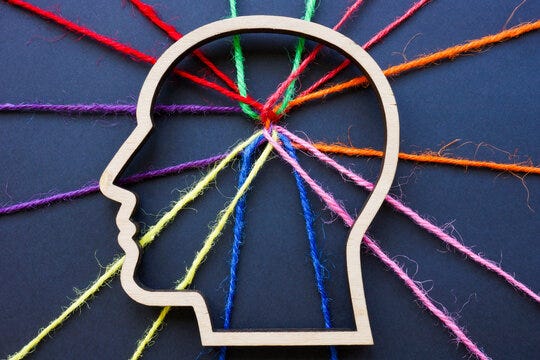
The Detached or Internalized Mind.
Where Rahu amplifies, Ketu disconnects.
Mercury-Ketu combinations often create:
- inward cognition.
- silence.
- abstract processing.
- difficulty verbalizing thoughts.
- social withdrawal.
- unusual learning styles.
These individuals may understand concepts deeply but struggle to explain them conventionally.
Possible Manifestations.
- nonverbal communication tendencies.
- spiritual or symbolic thinking.
- sensory detachment.
- preference for isolation.
- difficulty with social pacing.
- internalized intelligence.
Example.
A person with:
- Mercury conjunct Ketu in Pisces.
- Moon in the 12th house.
- strong water dominance.
may:
- retreat into imagination.
- struggle with direct communication.
- communicate better through art, music, or symbols.
- become overwhelmed by social environments.
Sometimes these charts show profound intuitive intelligence that society misunderstands.
Mercury and the Moon.
Sensory and Emotional Processing.
The Moon governs emotional receptivity and sensory absorption.
When Mercury and Moon interact intensely, the nervous system becomes highly sensitive.
Difficult Manifestations.
- sensory overload.
- emotional-verbal disconnect.
- anxiety around communication.
- emotional shutdowns.
- overstimulation.
- fluctuating concentration.
Positive Manifestations.
- photographic memory.
- emotional intelligence.
- symbolic imagination.
- exceptional creativity.
- intuitive pattern recognition.
Example.
A chart with:
- Moon conjunct Mercury in Cancer.
- afflicted by Saturn or Rahu.
- strong water houses.
may indicate someone who:
- feels overwhelmed by noise or crowds.
- struggles translating emotions into language.
- remembers emotional details vividly.
- becomes exhausted by excessive interaction.
Houses often seen in Neurodivergent Charts.
3rd House.
Communication, speech, nervous system.
Strong affliction or intensity here may indicate:
- delayed speech.
- unusual learning style.
- repetitive communication patterns.
6th House.
Health and neurological functioning.
Mercury connected here sometimes reflects:
- nervous system sensitivity.
- developmental challenges.
- mental overstimulation.
8th House.
Deep psychology and unconventional perception.
Can produce:
- obsessive thinking.
- unusual cognition.
- intense inner worlds.
12th House.
Withdrawal, altered perception, isolation.
Strong Mercury here may create:
- inward mental processing.
- social exhaustion.
- fantasy immersion.
- heightened subconscious activity.
Nakshatras frequently associated with Neurodivergent Traits.
Some Vedic astrologers observe recurring patterns involving nakshatras connected to intensity, perception, or unusual psychology.
Ashlesha Nakshatra.
- hypersensitivity.
- deep psychological perception.
- intense nervous energy.
Ardra Nakshatra.
- chaotic mental activity.
- extreme curiosity.
- unconventional thinking.
Shatabhisha Nakshatra.
- detachment.
- isolation.
- analytical perception.
- unusual mental processing.
Revati Nakshatra.
- sensitivity.
- dreamlike cognition.
- emotional absorption.
Again, these are symbolic observations — not diagnostic markers.
The problem with calling Autism “Weak Mercury.”
Many old astrologers made the mistake of equating social difficulty with intellectual weakness.
But modern observation shows something very different.
Many autistic individuals possess:
- extraordinary memory.
- mathematical brilliance.
- artistic genius.
- deep specialization.
- powerful concentration.
- advanced pattern recognition.
- intense authenticity.
Astrologically, this often looks like:
- an overloaded Mercury.
- a hyperfocused Mercury.
- a differently functioning Mercury.
- or a Mercury disconnected from conventional social conditioning.
The mind is not “less.” It is operating through a different architecture.
Historical and Symbolic Examples.
Highly unconventional thinkers throughout history may have shown neurodivergent traits.
Figures often discussed include:
- Isaac Newton.
- Nikola Tesla.
- Albert Einstein.
These individuals displayed:
- obsessive focus.
- social eccentricity.
- unusual communication styles.
- intense specialization.
- sensory or behavioral rigidity.
Astrologers studying such charts often notice strong Mercury-Saturn, Mercury-Rahu, or 12th-house patterns.
However, retroactive diagnosis is speculative and should be approached carefully.
Ethical responsibility in Astrology.
Astrology should never be used to:
- shame neurodivergence.
- label children negatively.
- predict disability fearfully.
- spread stigma.
- replace medical support.
A responsible astrologer asks: “How does this mind perceive reality differently?”
not: “What is wrong with this person?”
That shift changes astrology from judgment into understanding.
The connection between Mercury and autism in astrology is ultimately symbolic, not medical.
Astrology may reflect:
- unusual cognition.
- sensory intensity.
- communication differences.
- nonlinear intelligence.
- deep specialization.
But neurodivergence is far more complex than any single placement.
Some minds are not designed to process the world conventionally.
And astrology, at its best, helps us understand those differences with compassion rather than fear.
메타데이터
- post_id
- 2c71ffcc2b62
- slug
- mercury-and-autism-in-astrology-2c71ffcc2b62
- url
- https://medium.com/astrology-unveiled/mercury-and-autism-in-astrology-2c71ffcc2b62
- canonical_url
- https://medium.com/astrology-unveiled/mercury-and-autism-in-astrology-2c71ffcc2b62
- author_url
- https://medium.com/@KarunaAstrology
- status
- ok
- fetched_at
- 2026-06-09 15:37:30