The Computer Company That Was Right About Everything Except the Future
DEC built serious machines for serious people — then computing stopped being serious
IT HISTORY
The Computer Company That Was Right About Everything Except the Future
DEC built serious machines for serious people — then computing stopped being serious
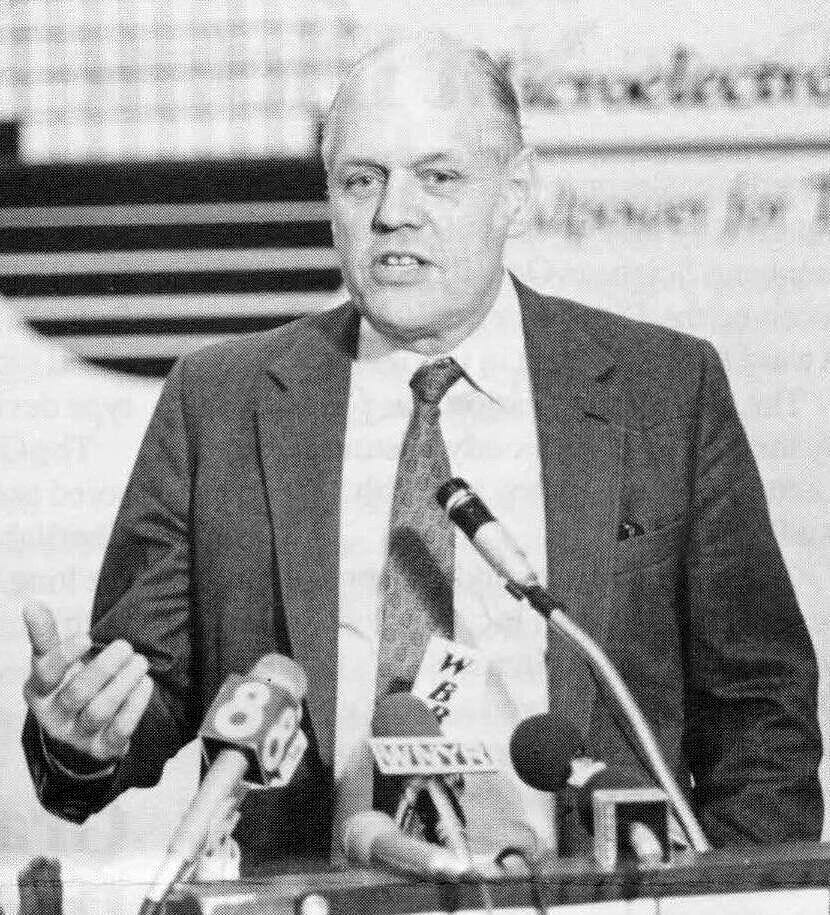
Kenneth Olsen / Rochester Institute of Technology / Wikimedia Commons / Public domain
In January 1998, a personal computer company announced it would buy the company that had spent 40 years explaining to the world what a serious computer was supposed to be.
Compaq paid roughly $9.6 billion for Digital Equipment Corporation. It sounded like an acquisition. It was closer to a historical verdict.
DEC had built the PDP-8, the machine that helped define the minicomputer. It had built VAX, the system that made engineering computing feel inevitable. It had built VMS, one of the great operating-system cultures of the late twentieth century. It had built Alpha, a 64-bit processor so ambitious it looked less like a retreat than a final act of defiance.
And still, it lost to the world it helped create.
That is the strange thing about DEC. It was not a company that failed because it could not build computers. It failed because the meaning of "computer" changed beneath it.
DEC was right about the machine.
It was wrong about where the machine would live.
The Mill where Serious Computing Learned to Shrink
Digital Equipment Corporation was founded in 1957 by Ken Olsen and Harlan Anderson in Massachusetts.
The origin story matters because DEC did not begin as a toy company, a hobbyist company, or a personal-computer company. It came out of the world of serious engineering: laboratories, universities, industrial customers, defense research, scientific computing. This was the age when a computer was still a room, a budget line, an institutional possession.
A computer was something a department fought for. Something people scheduled time on. Something the organization owned, and the individual borrowed.
DEC’s insight was not yet that every person would own a computer. That would have sounded absurd to many serious people in the 1950s. Its insight was narrower and, in some ways, more important: computing could move closer to the people doing the work.
Mainframes had centralized computing. DEC helped decentralize it.
Not all the way to the home. Not yet in the pocket. But from the corporate temple into the laboratory, the engineering group, the university department, the factory floor.
If IBM represented computing as infrastructure, DEC represented computing as an instrument. A mainframe was like a power station. A DEC machine could be more like a lathe, an oscilloscope, a bench tool: still expensive, still serious, but close enough to touch.
That closeness changed behavior.
When a team had access to its own machine, it could experiment in different ways. It could fail faster. It could build tools for itself. It could think of computing not as an occasional service but as part of daily work.
This is the part of DEC that history sometimes forgets later. Before the personal computer put a machine on a desk, DEC helped put one within reach of the people who could imagine what to do with it.
It taught engineers that computers did not have to be distant.
That lesson would eventually come back for the teacher.
The PDP-8 and the Birth of the Minicomputer
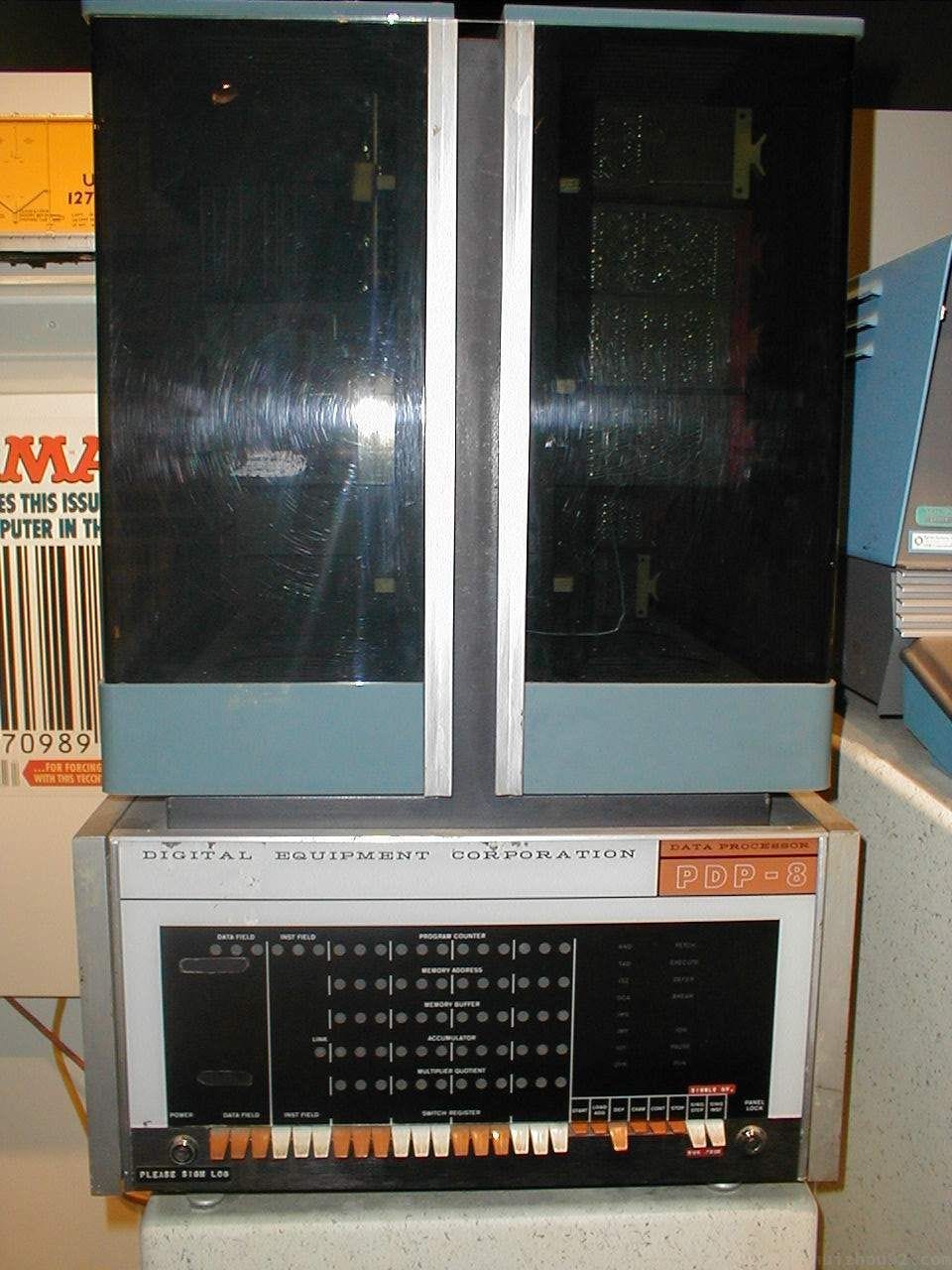
DEC PDP-8 / Wikimedia Commons / Public domain
In 1965, DEC introduced the PDP-8.
It was a 12-bit minicomputer, and the word "mini" needs to be read on the right historical scale. This was not mini like a laptop. It was mini, like a smaller building is mini compared with a cathedral.
But in the world of the 1960s, the PDP-8 was a radical act of compression.
It sold for far less than the mainframes that dominated institutional computing. It became one of the defining machines of the minicomputer era, with commonly cited lifetime sales above 50,000 units. More importantly, it changed who could plausibly have a computer.
Not a family. Not a teenager in a bedroom.
A laboratory. A small company. A research team. A factory line. A university department that did not want to wait for the central machine.
That was enough.
The PDP-8 did not put a computer in every home. That would take another generation. But it put one close enough for a small team to begin treating it as theirs.
Ownership is not just a legal condition. It is a psychological one.
When a machine is yours, you use it differently. You are more willing to customize it. You build habits around it. You take risks with it. You stop seeing it as an expensive priesthood and start seeing it as part of your own practice.
DEC understood this better than almost anyone.
Its machines were built for serious users who wanted control. They were interactive in a way older batch-processing systems often were not. They invited engineers to sit near the machine, talk to it through terminals, write tools for it, wire it into instruments, and make it part of the work itself.
This is why DEC’s cultural influence became larger than its revenue. Generations of engineers learned computing on DEC machines. They learned that a computer could be responsive, local, programmable, and intimate without being unserious.
That combination — intimate but serious — was the bridge from mainframe culture to personal computing culture.
DEC helped build the bridge.
But it did not fully cross it.
VAX: the Machine that Made DEC Feel Inevitable
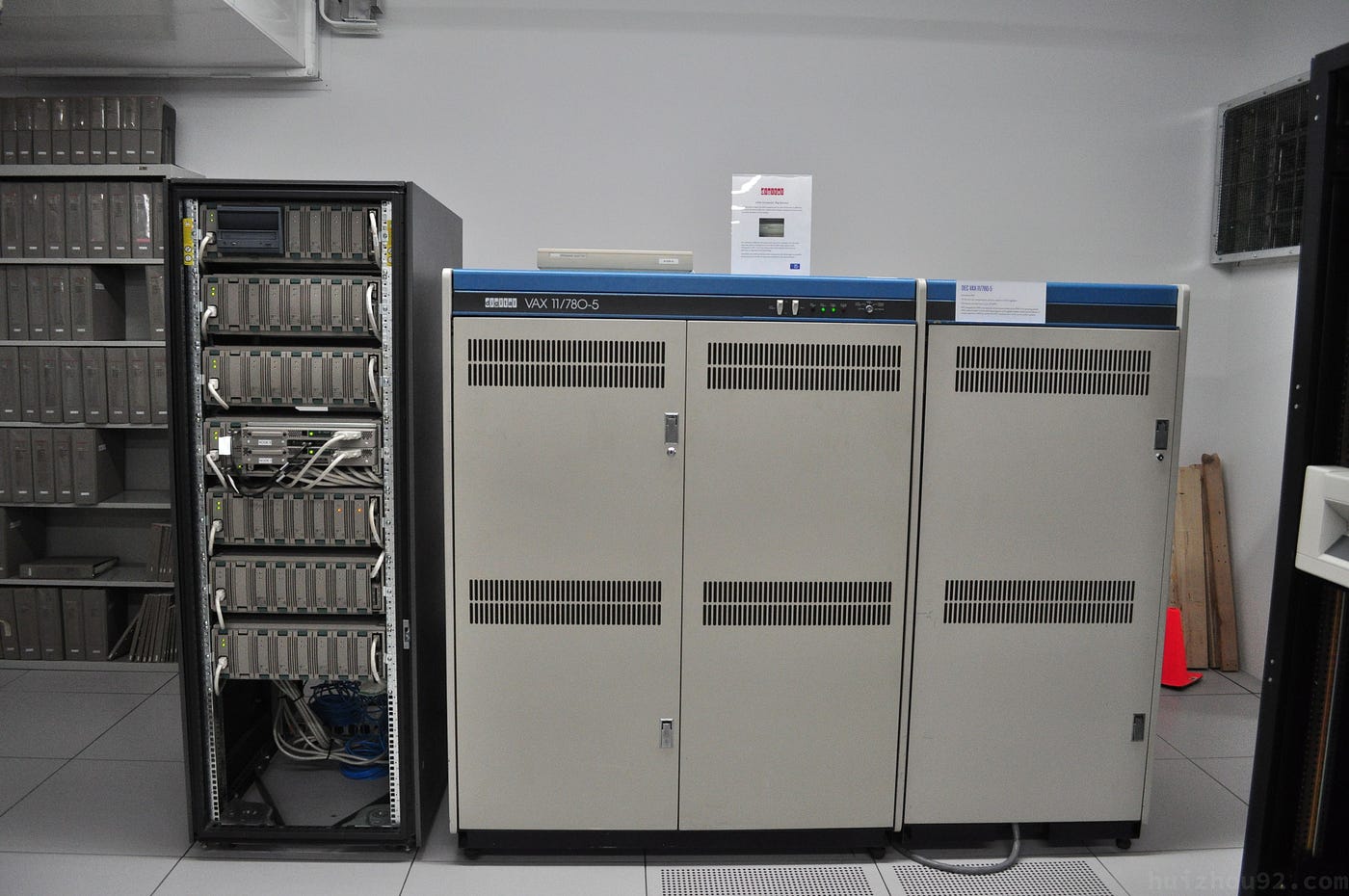
DEC VAX-11/780 / Joe Mabel / Wikimedia Commons / CC BY-SA 3.0
If the PDP-8 made DEC important, VAX made it feel inevitable.
The VAX-11/780 arrived in 1977. VAX stood for Virtual Address eXtension, and the system was a 32-bit architecture with virtual memory at its core. To many customers, that technical description mattered less than the feeling the machines produced.
A VAX was a world.
There was the hardware, the operating system, the compilers, the documentation, the terminals, the support organization, the institutional knowledge, the rituals of system administration, the local experts who knew exactly which command to type when something went wrong.
Great computer companies once sold not just boxes, but complete environments.
A modern reader may underestimate how powerful that was. Today we are used to components: a processor from one company, an operating system from another, a cloud provider somewhere else, open-source packages glued together by people whose names we never learn. The system is assembled from parts.
DEC came from an older idea. The system should be coherent. It should have a shape. It should have an architecture in the human sense, not merely the processor sense.
VAX and VMS gave DEC that architecture.
They made the company central to universities, engineering organizations, research labs, and enterprises that needed reliable interactive computing. If you lived inside that world, DEC did not look like a company that would be displaced by cheap beige boxes. It looked like one of the places where serious computing happened.
The latter failure is hard to explain as simple blindness. DEC had talent, operating-system depth, and hardware credibility. It had an installed base that trusted it. It had engineers who understood the whole stack, from silicon to system software.
People later associated with other computing empires passed through DEC’s orbit. Dave Cutler, who worked on DEC operating systems, including VMS, before joining Microsoft, became a key architect of Windows NT. That does not mean Windows NT was simply VMS reborn. History is rarely that neat. But it does show how much system knowledge DEC produced.
The habits did not stay inside the company.
They escaped.
And when they escaped, they helped build the next world.
The Sentence Everyone Remembers, and why it is Too Small
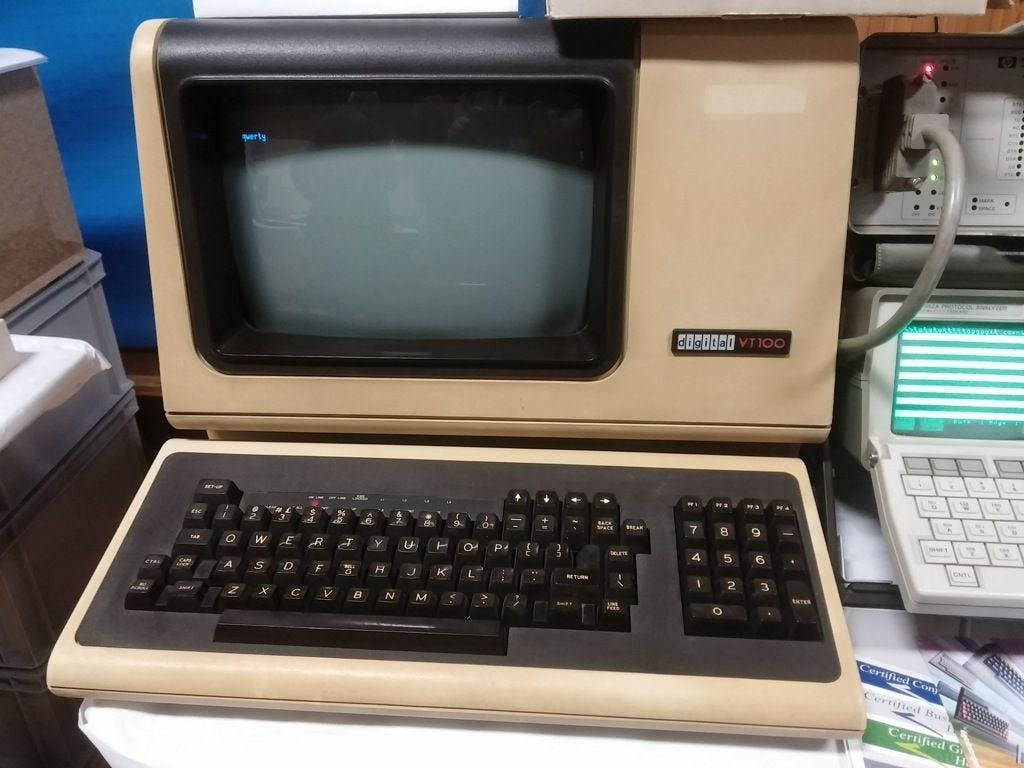
DEC VT100 Terminal / Wolfgang Stief / Wikimedia Commons / CC0
The easiest version of the DEC story fits into one famous sentence.
Ken Olsen is often quoted as saying in 1977: “There is no reason for any individual to have a computer in his home.”
It is a perfect historical quote because it seems to explain everything. The founder of a great computer company failed to imagine the home computer. Then the home computer arrived. Then his company died.
Clean. Memorable. Wrong in the way that clean stories usually are.
The quote deserves careful handling. Its context is frequently flattened. In 1977, the phrase "computer in the home" did not automatically mean a laptop, a web browser, a smartphone, a game console, a home office, or every social and commercial system we now associate with personal computing. The early home-computer market was young, fragmented, and often primitive. Many serious computer people saw it as hobbyist territory, not as the center of the industry.
Olsen was not uniquely foolish for having doubts.
What matters more than the quote itself is the mental model it reveals.
DEC understood computers as serious machines for serious work. Even when it shrank them, it shrank them into labs, departments, engineering teams, and organizations. It was very good at making computing local to professional work.
But the personal-computer revolution was not just another shrink.
It changed the owner.
That distinction mattered. A minicomputer still belonged to an institution, even if a smaller one. A PC belonged to a person. It could be underpowered, ugly, unreliable, and badly standardized, yet still win because it taught users a different relationship to computing.
The person did not borrow the machine.
The person owned it.
Once that happened, the direction of improvement changed. The rough little machines got better. The software ecosystem grew. Standards emerged. Networks connected them. The toy became a tool, and then the tool became the default.
DEC’s tragedy was not that it failed to notice small computers. Its own history was about making computers smaller.
The tragedy was that it did not fully accept that less serious computers could become serious by spreading first.
That is a much harder error to avoid.
Alpha: The Brilliant Engine in the Wrong Vehicle
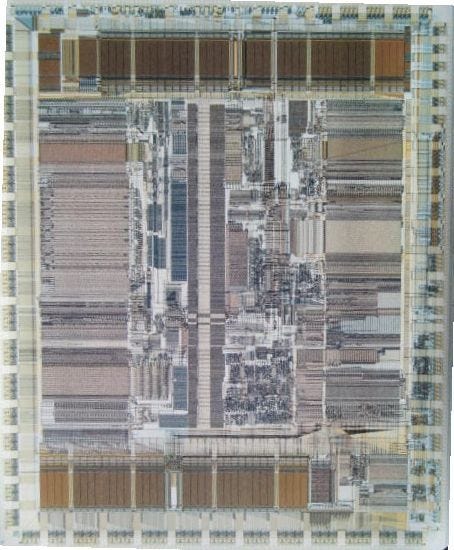
Alpha AXP 21064 die photo / Dyl / Wikimedia Commons / CC BY-SA 3.0
By the 1990s, DEC was not out of ideas.
That is another lazy version of the story: the old company gets comfortable, stops innovating, and is destroyed by younger competitors. DEC’s reality was stranger. It could still produce extraordinary engineering even as the market moved away from the kind of company that engineering supported.
Alpha is the proof.
DEC Alpha was a 64-bit RISC architecture designed to replace the VAX and compete in the high-performance Unix workstation and server markets. It was technically ambitious, fast, and forward-looking. In another version of the computer industry, Alpha might have been the foundation of a new DEC era.
But by then the road had changed.
Alpha was a superb engine. DEC’s problem was that the road had been rebuilt for cheaper cars.
The forces pressing against DEC were not one rival and one mistake. They were a system.
Intel x86 kept improving. Microsoft Windows, especially in the NT era, became a serious enterprise platform. Commodity PC supply chains learned to build at volumes DEC could not match. Unix workstations fought for the high end. Servers became more standardized. Customers cared less about the elegance of a vertically integrated system and more about price, compatibility, staffing, procurement, and ecosystem.
The buying logic changed.
A DEC machine might be better. But was it standard? Could you hire people for it? Would your software vendors support it? Would it get cheaper every year because a vast commodity ecosystem was pushing in the same direction?
Great engineering companies suffer when they want the argument to be about the quality of the thing, but the market makes it about the system around the thing.
DEC had spent decades building cathedrals: coherent, durable, carefully integrated systems that rewarded deep expertise.
The industry was moving toward Lego: standardized pieces, cheap enough to overbuy, replaceable enough to tolerate failure, open enough for many companies to build on top of them.
A cathedral can be more beautiful than Lego.
That does not mean it wins every construction project.
The Company that Could not Become Its Own Student
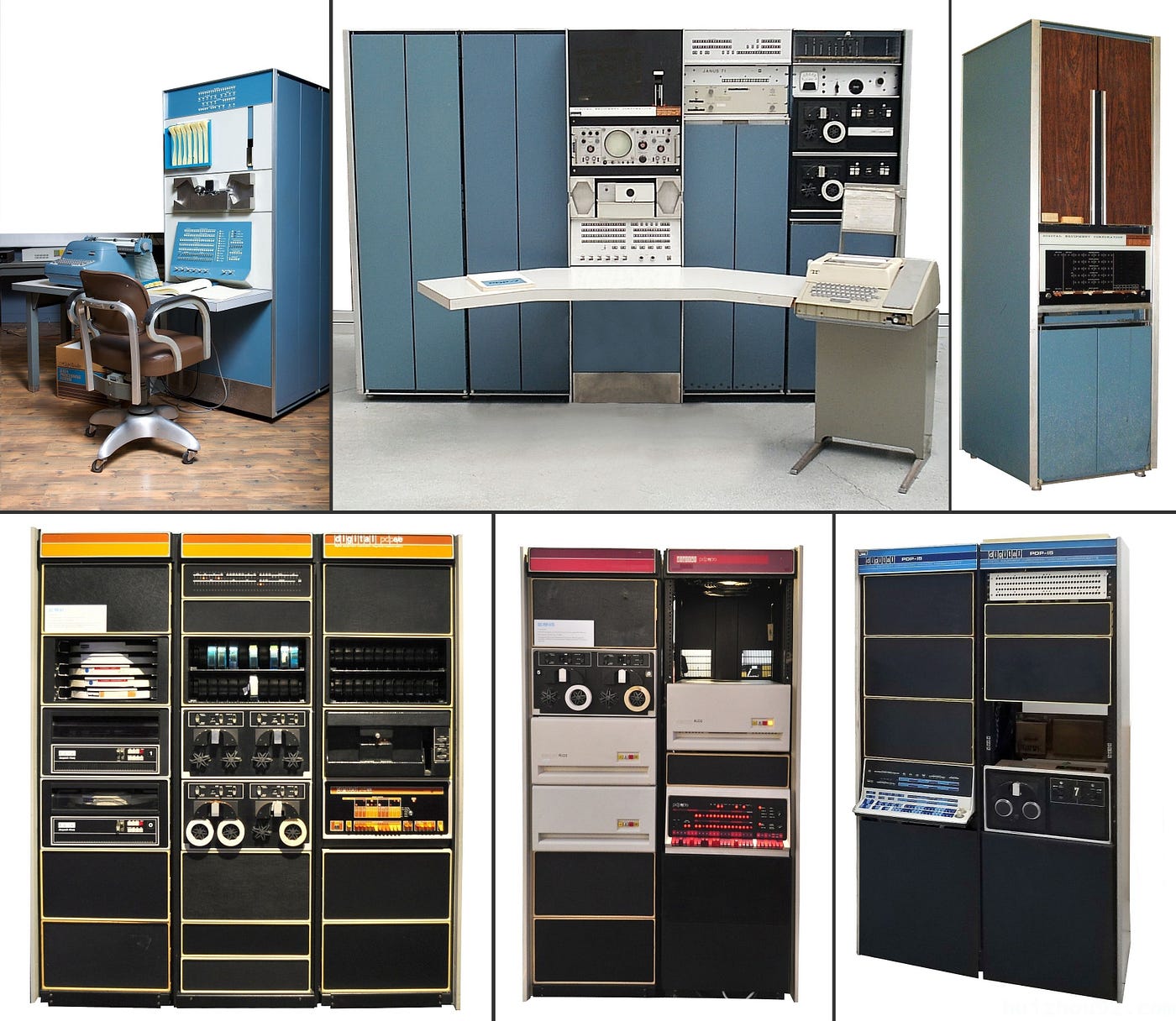
Six DEC minicomputers / Wikimedia Commons / CC BY-SA 4.0
The students were everywhere.
Sun Microsystems recognized the opportunity to give engineers serious computing power right at their desks. Microsoft absorbed operating-system talent and enterprise ambitions. Compaq and the PC-compatible world learned the brutal lesson of the scale of commodity hardware. Unix culture, internet culture, open systems, and later commodity servers all extended ideas that DEC had helped make plausible: interactive computing, local control, engineers with machines of their own.
DEC had trained the industry to want computers closer to users.
Then the industry kept going.
That is why DEC’s failure feels different from the usual story of corporate decline. It was not simply beaten by a better product. It was beaten by a new definition of progress.
For DEC, progress meant a better system: more coherent, more capable, more reliable, more deeply engineered.
For the PC and commodity-server world, progress often meant something else: cheaper, more standard, more widely owned, good enough to improve in public.
The second version looked inferior for a long time.
Then it became the world.
The trap of being right for too long is that it feels like vindication. DEC’s worldview had worked. It had produced real machines, real customers, real revenue, real technical respect. Its culture was not a delusion. It was a competitive advantage for decades.
But a strength can become a structure, and a structure can become a cage.
Vertical integration made sense when customers wanted complete systems and trusted the vendor to provide the whole environment. High-margin hardware made sense when machines were rare and valuable. Deep engineering culture made sense when the hard problem was making computing powerful and reliable enough for serious organizations.
Then the hard problem shifted.
The world did not need every machine to be perfect. It needed millions of machines to be compatible. It did not need every customer to buy into a vendor’s complete vision. It needed parts that could be mixed, upgraded, replaced, and purchased from multiple suppliers.
DEC did not fail because its engineers forgot how to build.
It failed because the market stopped asking the question DEC was best at answering.
The Machines Are Gone, the Habits Remain
The Compaq acquisition did not preserve DEC as a living empire. Compaq itself would later be acquired by Hewlett-Packard. The logo faded. The product lines were absorbed, renamed, or ended. The Maynard world became history.
But the habits remained.
The idea that engineers should have direct access to powerful computing resources did not die with DEC. It became normal. The expectation that a team should be able to own machines, customize systems, build tools, and work directly with computing resources is now so ordinary that it is hard to see as an inheritance.
DEC helped make it ordinary.
The company disappeared as a company, but not as a set of assumptions. You can find its shadow in operating-system design, in enterprise computing, in the careers of people who carried its knowledge elsewhere, in the movement from centralized computing toward machines close to the work.
DEC lost to personal computers, commodity servers, and standardized platforms. But those worlds were not alien to DEC’s original impulse. They were the impulse that took computing further than DEC itself was willing to go — make computing smaller, move it closer, give the user more control.
DEC believed that deeply until the user stopped looking like DEC’s user.
The company did not disappear because it failed to understand computers. It disappeared because it understood one kind of computer so well that it could not quite believe the next kind deserved the name.
And by the time it did, the students had already bought the school.
Support writers. All our non-profit’s offerings here.
Click for Wordsmith, Mystery Writing, Write Like Stephen King, more

By the EIC Susan Brearley with Ideogram
메타데이터
- post_id
- 2c756000ead4
- slug
- the-computer-company-that-was-right-about-everything-except-the-future-2c756000ead4
- url
- https://medium.com/it-chronicles/the-computer-company-that-was-right-about-everything-except-the-future-2c756000ead4
- canonical_url
- https://medium.com/it-chronicles/the-computer-company-that-was-right-about-everything-except-the-future-2c756000ead4
- author_url
- https://medium.com/@hxzhouh
- status
- ok
- fetched_at
- 2026-06-14 11:28:49