I Thought My Store Was Crushing It. Then I Actually Did the Books.
For most of my first year running an online store, I judged the business by one thing: The deposits. Every few days a chunk of money would…
I Thought My Store Was Crushing It. Then I Actually Did the Books.
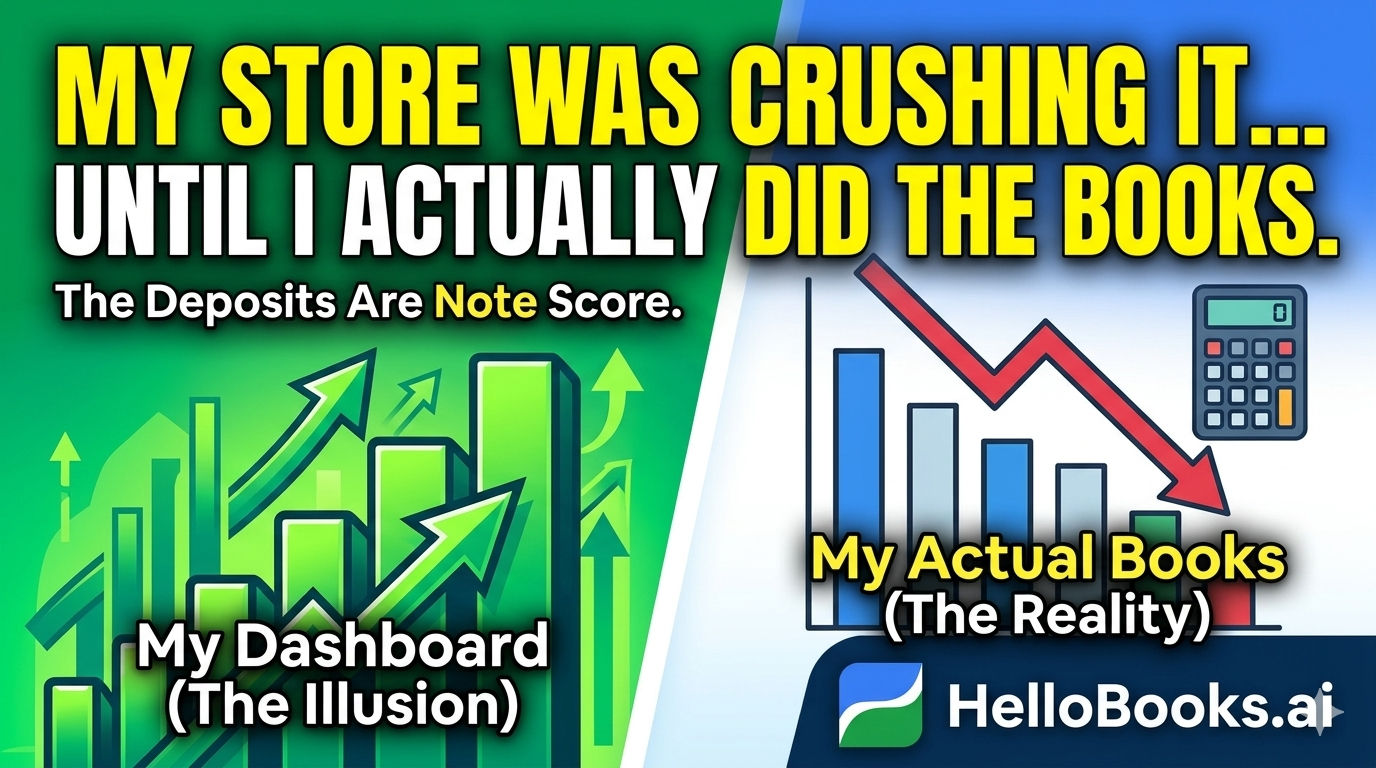
For most of my first year running an online store, I judged the business by one thing: The deposits. Every few days a chunk of money would land from my payment processor, and I’d feel that little hit of confidence. Sales were happening. Money was real. We were winning.
Then a friend who actually knows accounting asked me a question I couldn’t answer: “What’s your gross margin by product?”
I opened my books to look it up and realized I didn’t have books. I had a list of deposits labeled “sales.” And that’s when the floor quietly fell out.
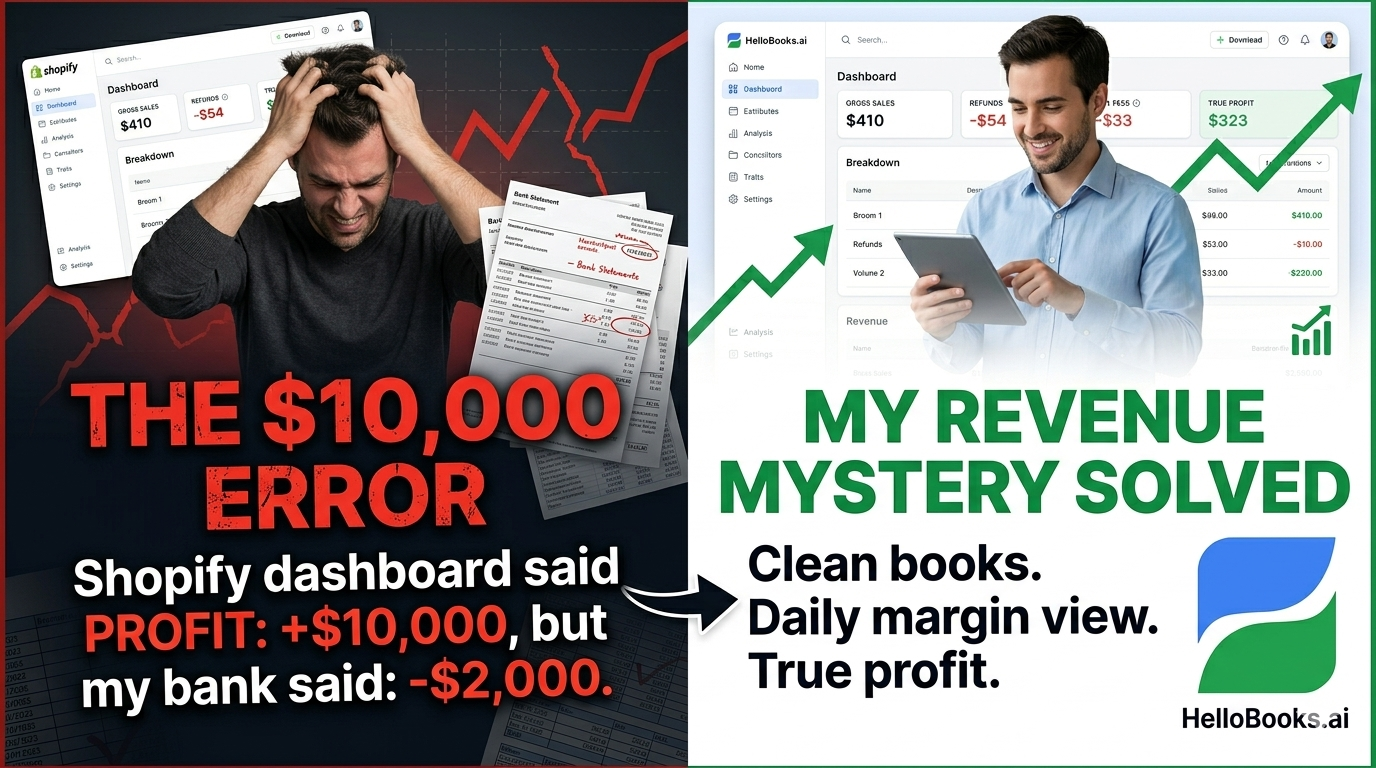
Here’s what I’d been missing. Every deposit I’d been recording as revenue was already net of a pile of stuff. Payment processing fees. Refunds I’d issued. A couple of chargebacks. And, embarrassingly, the sales tax I’d collected from customers, which I had been mentally counting as my money. It was not my money. It belonged to the state. I had been celebrating a top line that included a tax bill I hadn’t paid yet.
When I actually pulled the pieces apart, the picture changed. My revenue was lower than I thought once I stopped counting tax. My costs were higher than I thought once fees and refunds were visible. And my “best seller,” the product I’d been pouring ad budget into, turned out to have one of my thinnest margins after fees and shipping. I’d been scaling the wrong thing for months.
The inventory part stung too. I’d been treating every purchase order as an expense the day I paid for it. So in months I restocked heavily, the business looked like it was bleeding. In months I didn’t, it looked wildly profitable. None of it reflected what was actually happening. Inventory is supposed to sit as an asset until the item ships, then become a cost. Once I fixed that, the wild monthly swings flattened into something that finally looked like a real business.
The lesson that took me way too long to learn: in ecommerce, the money you see is almost never the money you earned. The gap between them is where all your real decisions live.
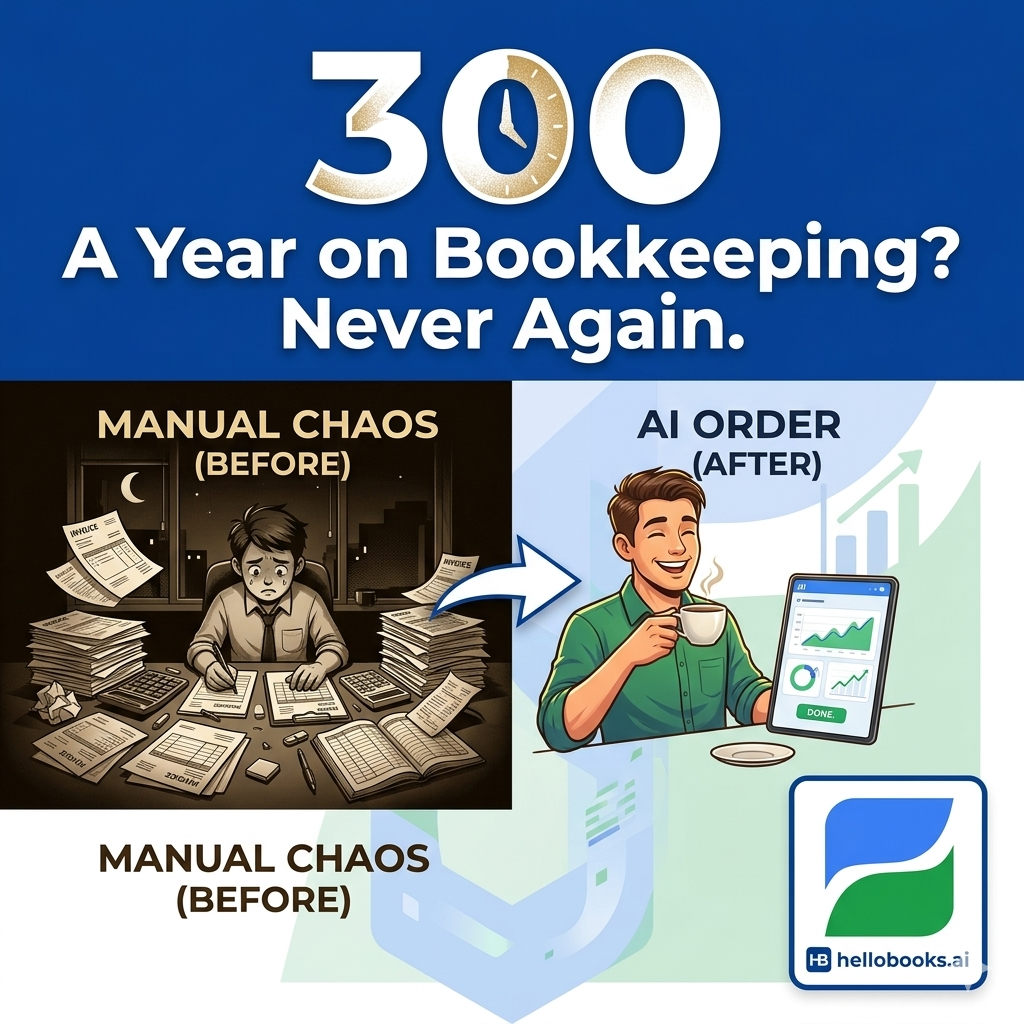
I tried to fix it the manual way first. Spreadsheets, weekend reconciliation sessions, a color-coded system I was very proud of for about three weeks. Then order volume climbed and the whole thing collapsed under its own weight. Manual bookkeeping doesn’t fail dramatically. It fails quietly, one skipped week at a time, until you’re months behind and afraid to look.
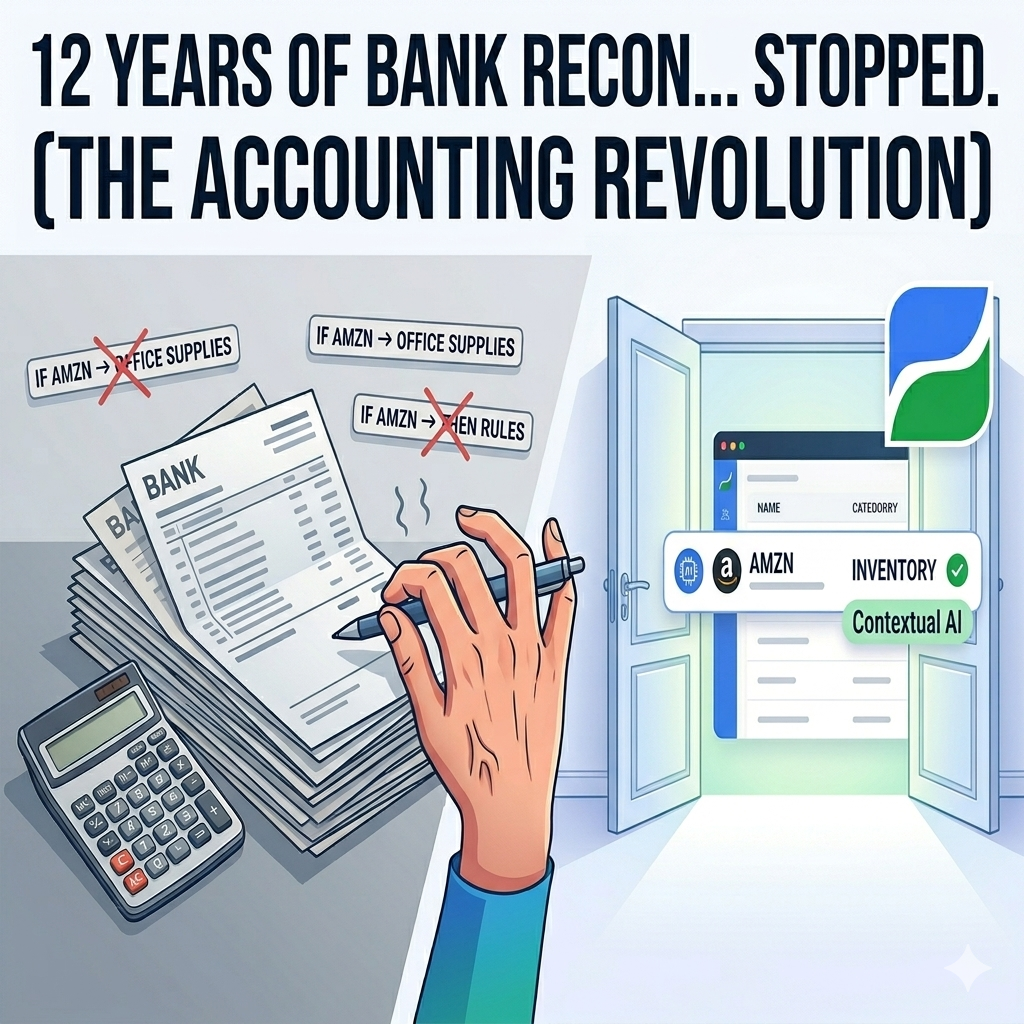
That experience is ultimately why I gravitated toward tools built specifically for this. We built HelloBooks.ai to automate exactly the mess I’d created: It uses AI to split each payout into sales, fees, refunds, and tax, categorize transactions, and reconcile accounts automatically, so the numbers stay honest without a heroic weekend effort. If you’re running a store, that’s worth checking out: hellobooks.ai
If I could go back and tell first-year me one thing, it would be this: the deposit is not the score. Open the books early, separate the pieces, and look at the real margin, even when, especially when, the dashboard looks green.
What did your books teach you that your dashboard never could?
메타데이터
- post_id
- 2c8b3faa9a9c
- slug
- i-thought-my-store-was-crushing-it-then-i-actually-did-the-books-2c8b3faa9a9c
- url
- https://medium.com/@hellobooks/i-thought-my-store-was-crushing-it-then-i-actually-did-the-books-2c8b3faa9a9c
- canonical_url
- https://medium.com/@hellobooks/i-thought-my-store-was-crushing-it-then-i-actually-did-the-books-2c8b3faa9a9c
- author_url
- https://medium.com/@hellobooks
- status
- ok
- fetched_at
- 2026-08-04 17:21:23