How to Choose the Right VR Headset for Business
Most people ask which headset is best. That’s the wrong question — and it’s costing companies the wrong answer.
How to Choose the Right VR Headset for Business
Most people ask which headset is best. That’s the wrong question — and it’s costing companies the wrong answer.
I Thought It Was a Hardware Decision
When my team first started looking at VR for business, I did what everyone does.
I googled “best VR headset for business” and started comparing specs.
Resolution. Battery life. Field of view.
I thought I was being thorough.
I wasn’t.
I was just asking the wrong question.
The Mistake Most Businesses Make
Here’s what actually happens.
A company decides to “try VR.” Someone buys a few headsets. They look impressive in a demo.
And then they sit in a cabinet for three months.
Not because the hardware was bad.
Because nobody asked: what problem are we actually solving?
Training? Collaboration? Client presentations?
Each one points to a completely different device.
And buying before answering that question is where most businesses go wrong.
The headset isn’t the decision. The use case is.
What Changes When You Ask the Right Question
Once you start with the use case, everything becomes clearer.
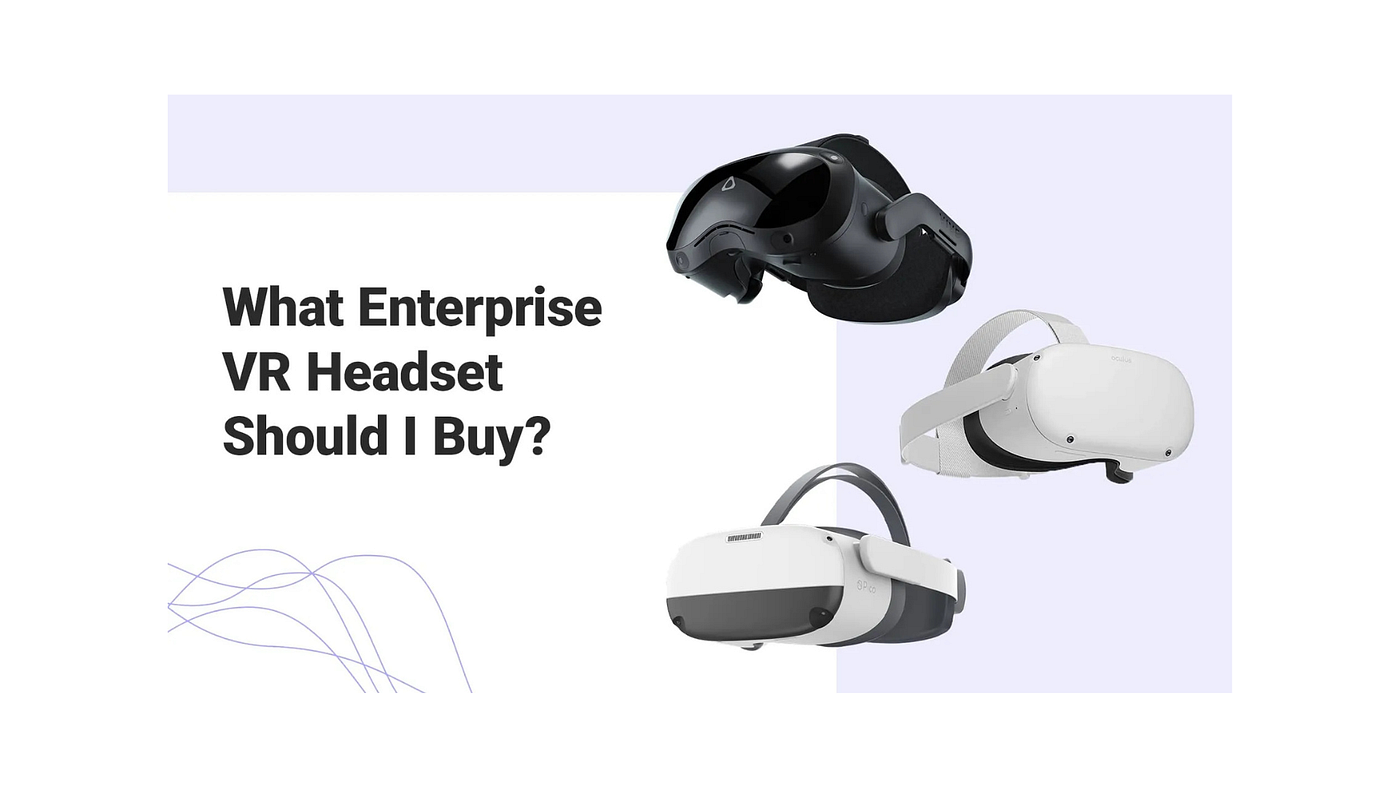
Need something for team training? You want standalone, easy to manage, no IT headache. That’s Meta Quest 3.
Running long industrial simulations? You need swappable batteries and enterprise durability. That’s the HTC Vive Focus 3.
Managing a large fleet across locations? Built-in MDM matters more than display quality. Look at Pico 4 Enterprise.
Impressing high-value clients in a boardroom? One Apple Vision Pro does more than ten average headsets.
Same question. Four completely different answers.
That’s why starting with specs is backwards.

The Part Nobody Talks About
Even after you pick the right headset you’re not done.
Who manages the devices? Who updates the firmware? What happens when someone gets motion sick?
These aren’t small questions. They’re the ones that kill VR rollouts quietly.
We learned this the hard way.
Fifteen units. No content ready. No management plan.
They sat untouched for weeks.
The hardware wasn’t the problem. The plan was.
A great headset with no plan is just an expensive box on a shelf.
What Actually Matters
Here’s what I’d tell anyone starting this process today.
Start with one question: what does my team need to do while wearing this?
Then lock your content strategy before you touch the hardware budget.
Then pilot small five to ten units before committing to a full rollout.
The technology is ready. Most businesses just aren’t prepared for what comes after unboxing.
And that gap between buying and actually using — is where most VR projects quietly fail.
Final Thoughts
Choosing the right VR headset for business isn’t really about the headset.
It’s about knowing what you need before you spend a single rupee on hardware.
Get that right, and the headset almost picks itself.
Get it wrong, and even the best device in the world won’t save your rollout.
The businesses winning with VR today didn’t start with the best hardware. They started with the clearest use case. That’s the real advantage, and it costs nothing to figure out.
메타데이터
- post_id
- 2c8bdefb8669
- slug
- how-to-choose-the-right-vr-headset-for-business-2c8bdefb8669
- url
- https://medium.com/@priyanka.foreexcel/how-to-choose-the-right-vr-headset-for-business-2c8bdefb8669
- canonical_url
- https://medium.com/@priyanka.foreexcel/how-to-choose-the-right-vr-headset-for-business-2c8bdefb8669
- author_url
- https://medium.com/@priyanka.foreexcel
- status
- ok
- fetched_at
- 2026-06-09 15:37:30