Horchata Cha Cha
Ecuador’s take on this iconic beverage
Horchata Cha Cha
Ecuador’s take on this iconic beverage
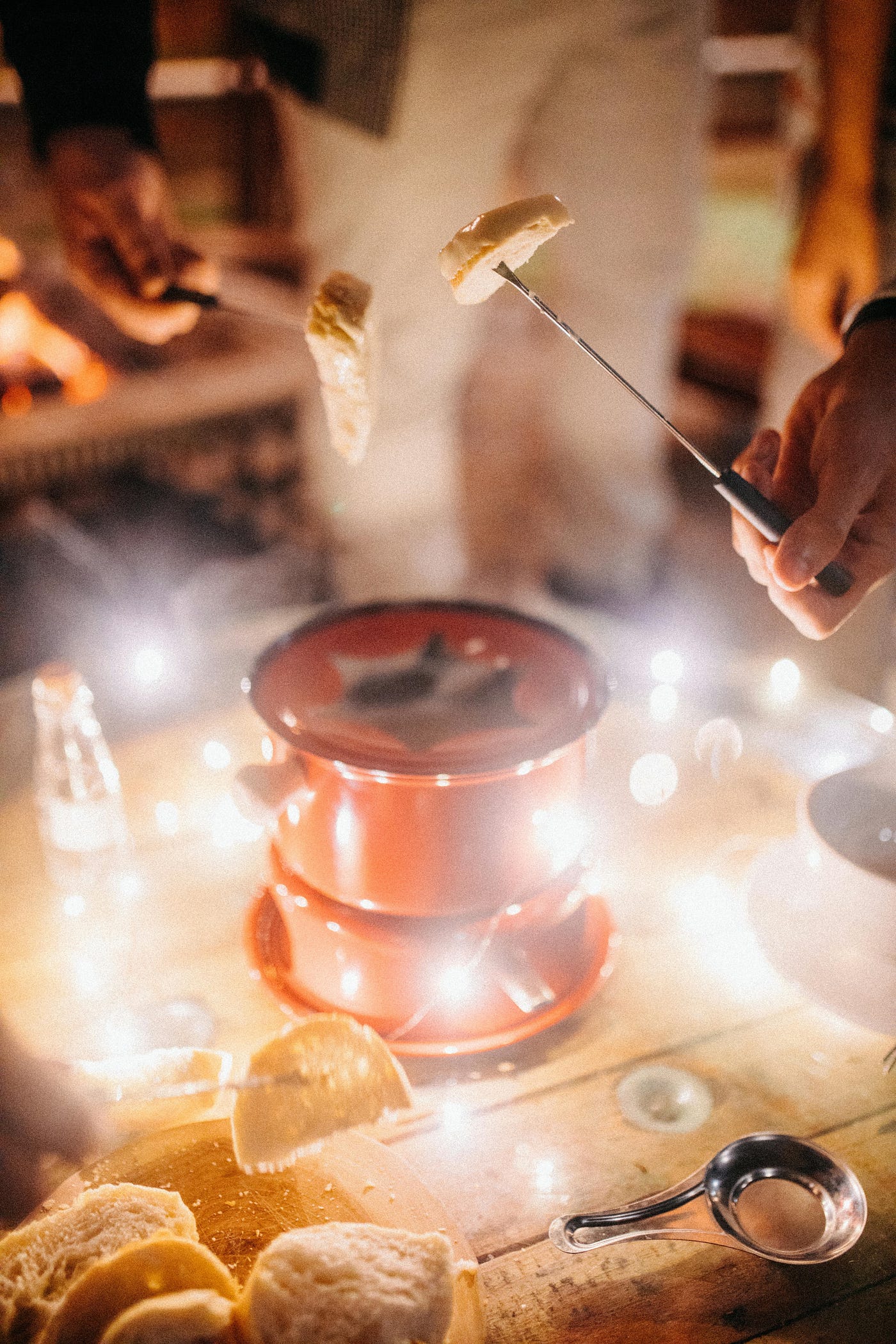
Photo by Kate Cullen on Unsplash
Kototama is a Japanese belief that words carry a spiritual power. What you say can shape reality, influence events, and affect the heart of the listener [1]. I read this on social media. Another post from Avellino Farms read, “Are you ready to join the resistance? Not the loud kind. The quiet kind that starts with dirt under your fingernails and ends with fewer people being told they’re ‘too poor,’ ‘too busy,’ or ‘too late’ to eat well.” Here on Substack, Angela Nickerson’s byline is “Gardening is an act of resistance!”
Like me, you may feel overwhelmed and powerless. Yes, I can march and protest and vote and write angry emails to my representatives, but my heart is in my garden — creating a habitat for endangered pollinators, composting my food waste, growing lettuce free of plastic packaging, brewing tea with my own herbs. I’m fighting a food system that makes us sick, a society that tells us to buy, buy, buy, and waste, waste, waste. I write about it, and hope that my words carry a spiritual power, help shape reality, and affect the heart of the reader. We still have to fight this fight while brave souls go to the streets. (I worked in the World Trade Center and ran the 2013 Boston Marathon — the one with the bombing — so I tend to avoid crowds.)
Every night, I’m decompressing before I go to bed — brewing tea, meditating, watching Bravo, whatever it takes. Last week, I wrote about 5 herbal teas I’m drinking this year. These are part of my evening ritual, my hygge if you will. Horchata from Ecuador is one that caught my eye, and I’m going to grow my own.
A Horchata Deep Dive
Horchata encompasses a family of drinks that are plant-based, but sometimes contain milk. Its origin can be traced back to Ancient Egypt, where they made a barley drink for nutrition and for religious purposes.
The drink spread across Northern Africa and eventually onto the Iberian Peninsula. In Valencia, Spain, this concept took off when the Spaniards replaced barley with tiger nuts. The tiger nuts made for a creamier texture and a nuttier flavor, more in line with modern-day horchata.
Next, it migrated to Mexico, where again they replaced the main ingredient with what was available — rice. Mexican horchata is perhaps the most widely known version, with cinnamon, vanilla, coconut, chocolate, and lemon all possible ingredients.
It continues to evolve today with its increasing popularity in lattes, ice cream, and cocktails — perhaps a post for another day. But the version that interests me the most is horchata from Ecuador.
A Tea From the Mountains
Ecuador has a special place in my heart. I have not been there, but every day I work with students and staff who have immigrated from there, hoping to escape drug cartels and create a better life for their families. The Spanish I learn is their dialect (with a little Colombian thrown in, too) as we help each other with our native languages. I’ll get there someday. Going to a rainforest in Costa Rica was one of the best experiences of my life. How cool would it be to see the Galapagos Islands?
Terrifying lizards being cute in the Galapagos Islands. Photo by Alan Alquist on Unsplash
One of the aides in my classroom, Maria, brought me a box of Ecuadorian horchata that she picked up at a local bodega. She told me it is known to reduce inflammation. I have to admit, the giant snowstorm that is headed our way is making me very achy. The tea is helping!
In Southern Ecuador, horchata is more akin to tea, with it typically being a blend of 20–30 herbs that are steeped in hot water. There is no specific blend. It varies by what is growing in the area or local garden. In fact, a study of 185 vendors selling horchata herbs at 31 different markets, 160 different herbs and plants were found in horchata blends [2]! I noticed that many of the herbs that are traditionally used are plants that I can grow in my garden. It has a signature pink color thanks to the red amaranth that is often used.
Here is a sample of what is traditionally used in Ecuador:
- Red amaranth
- Rose geranium
- Basil
- Lemongrass
- Lemon verbana
- Lemon balm
- Mint
- Pepper elder
- Borage
- Chamomile
- Hibiscus
I already grow half of these! Borage, lemon balm, lemon verbena, basil, mint, and chamomile are already part of my garden. I plan on adding red amaranth (it looks great in my porch railing boxes) and a hardy hibiscus this year. I’ll update everyone on my progress during the summer.
You may already have some of these growing in your garden. Try mixing them all together to make a tea!
Photo by Arsham Baseri on Unsplash
Final notes
Blood oranges are in season! Their juice mixes great with bourbon, gin, or vodka.
One Year Ago: Save the Planet, Plant a Victory Garden
If you are in the path of this huge snowstorm, stay safe and warm!
Cheers, Anne

References
1 Source @kohki on Instagram
2 Tinitana, F., Rios, M., Romero-Benavides, J.C. et al. Medicinal plants sold at traditional markets in southern Ecuador. J Ethnobiology Ethnomedicine 12, 29 (2016)
메타데이터
- post_id
- 2caa9896edae
- slug
- horchata-cha-cha-2caa9896edae
- url
- https://medium.tastyble.com/horchata-cha-cha-2caa9896edae
- canonical_url
- https://medium.tastyble.com/horchata-cha-cha-2caa9896edae
- author_url
- https://medium.com/@drinkinthegardenwithme
- status
- ok
- fetched_at
- 2026-08-28 12:23:22