Why AC Repair in Phoenix Is a Safety Issue, Not Just a Comfort Problem
In the desert, cooling is not a luxury
Why AC Repair in Phoenix Is a Safety Issue, Not Just a Comfort Problem
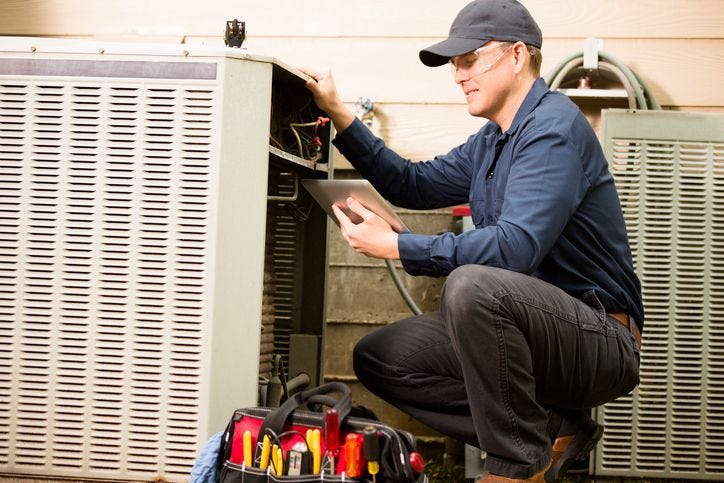
In the desert, cooling is not a luxury
In most of the country, a broken air conditioner in July is an uncomfortable inconvenience. In Phoenix, it is something closer to an emergency. When outdoor temperatures climb well past 110 degrees, the inside of a home without cooling can become genuinely dangerous within hours, especially for older adults, young children, pets, and anyone with a health condition. That reality changes how homeowners here should think about their AC. It is not an appliance you can afford to ignore until it dies; it is a piece of life-safety equipment that happens to also keep you comfortable.
Understanding how air conditioners fail in extreme heat, how to catch problems early, and when a repair makes sense versus a replacement is one of the more practical things a Phoenix homeowner can learn. The desert is uniquely hard on cooling systems, and the more you understand about why, the fewer surprises you face during the worst weeks of the year.
Why Arizona is so hard on air conditioners
An air conditioner does not create cold air out of nothing. It moves heat from inside your home to the outside, and the harder it has to work to do that, the more strain every component takes on. In a climate where outdoor temperatures routinely sit above 110 degrees for weeks, an AC system runs nearly continuously and pushes against a much larger temperature difference than the same unit would face in a milder region. That constant, high-load operation is why systems in Arizona tend to wear out faster than their rated lifespan suggests.
The desert adds other stresses too. Fine dust and dirt coat outdoor condenser coils and choke airflow, forcing the system to work harder to shed heat. Sun exposure bakes exterior components. And the sheer runtime means moving parts, capacitors, and motors accumulate wear quickly. None of this means Arizona systems are doomed to fail early, but it does mean they need attention that homeowners in cooler climates can get away with skipping.
The warning signs worth acting on
Air conditioners rarely fail without warning. They usually give signals for days or weeks before they quit entirely, and catching those signals is the difference between a scheduled repair and a 115-degree afternoon with no cooling. The signs worth paying attention to include air that is noticeably less cold than it used to be, a system that runs constantly without reaching the set temperature, weak airflow from the vents, unusual noises such as grinding or rattling, and higher-than-normal energy bills that suggest the system is straining.
Water pooling around the indoor unit, warm air blowing when the system is set to cool, and short cycling turning on and off rapidly are all worth investigating promptly. In the desert, a small issue in June becomes a full breakdown in July precisely because the system never gets a break. Acting on the early signal is almost always cheaper and less stressful than waiting for the failure.
Why the reflex to delay backfires here
It is human nature to put off a repair that is not yet an emergency, but in Phoenix that instinct works against you. A struggling system limps along in the milder spring, then fails during the first serious heat wave — exactly when every cooling company in the Valley is slammed and same-day help is hardest to get. The homeowner who addresses a weak system in April is in a far better position than the one who waits until the unit dies in July and joins a long queue for service during peak season.
This is one reason many Phoenix residents build a relationship with a local company before they are in crisis. Having a team you already trust one that knows your system means that when something does go wrong in the heat, you are not scrambling to vet a stranger while your home bakes. A family-owned local option like go4apes.com is the kind of resource worth identifying before the emergency rather than during it.
Maintenance is the cheapest cooling you can buy
The single most cost-effective thing a homeowner can do for their AC is regular maintenance, and it matters more in the desert than almost anywhere else. A seasonal tune-up before the cooling season catches small problems while they are still small: a weakening capacitor, a refrigerant level slightly low, a dirty coil restricting airflow, a worn contactor. Addressing these during a scheduled visit costs a fraction of an emergency repair and dramatically reduces the odds of a mid-summer breakdown.
Maintenance also protects efficiency. A well-tuned system moves heat more effectively, which means it runs less to reach the same temperature directly lowering the enormous summer energy bills that come with cooling a home in Arizona. Cleaning or replacing filters regularly, keeping the outdoor unit clear of debris and dust, and scheduling a professional check each year are simple habits that pay for themselves in both reliability and lower bills.
Repair or replace?
At some point every system reaches the question of whether to keep repairing it or replace it. There is no single rule, but a few factors guide the decision. Age matters: a system past the typical range for desert use, especially one needing frequent repairs, is often a better replacement candidate than a repair one. The cost of the repair relative to the value of the unit matters too pouring a large repair into an old, inefficient system rarely makes sense. And efficiency matters: a much newer system can cool the same home using noticeably less energy, which offsets part of the replacement cost over Arizona’s long cooling season.
A repair is usually the right call for a newer system with an isolated problem, or when the fix is minor and the unit is otherwise healthy. A replacement starts to make sense when repairs become a pattern, the system is old, or efficiency has degraded to the point that the energy savings of a new unit justify the investment. An honest assessment from a technician who explains the trade-offs rather than simply pushing the bigger sale is what a homeowner should look for.
Sizing and airflow: the hidden causes of poor cooling
Not every cooling complaint is a broken part. Sometimes a system struggles because it was never matched well to the home, or because airflow is being quietly strangled. An air conditioner that is undersized for a home simply cannot keep up during peak desert heat no matter how healthy it is, running constantly and never quite reaching the set temperature. One that is oversized cools in short bursts without properly removing humidity or running long enough to distribute air evenly. Both leave a homeowner frustrated with a system that is, technically, working.
Airflow problems are even more common and often mistaken for a failing unit. A clogged filter, closed or blocked vents, leaky ductwork losing cooled air into an attic, or a dirty evaporator coil all reduce the cool air reaching the rooms. The system runs and runs but the house never gets comfortable, and energy bills climb. Because these issues mimic a mechanical failure, they are worth ruling out before assuming the worst. A technician who checks sizing, ductwork, and airflow not just the obvious components can sometimes restore comfort without a major repair at all, which is exactly the kind of diagnosis that saves a homeowner money.
The bottom line for desert homeowners
Cooling in Phoenix deserves to be treated with the seriousness the climate demands. That means not ignoring the early warning signs, keeping up with seasonal maintenance, and knowing in advance who you will call if something fails during the heat. A working air conditioner here protects health and safety, not just comfort, and the small, proactive habits a spring tune-up, a clean filter, a prompt response to a warning sign are what keep it running through the summer. In a climate this unforgiving, the cost of being proactive is always lower than the cost of being caught without cooling.
메타데이터
- post_id
- 2cca6f59db5d
- slug
- why-ac-repair-in-phoenix-is-a-safety-issue-not-just-a-comfort-problem-2cca6f59db5d
- url
- https://medium.com/@apes_75055/why-ac-repair-in-phoenix-is-a-safety-issue-not-just-a-comfort-problem-2cca6f59db5d
- canonical_url
- https://medium.com/@apes_75055/why-ac-repair-in-phoenix-is-a-safety-issue-not-just-a-comfort-problem-2cca6f59db5d
- author_url
- https://medium.com/@apes_75055
- status
- ok
- fetched_at
- 2026-08-23 06:39:41