From Street Food to Fine Dining: How Culinary Tourism Is Changing the Way We Travel
Modern travelers want more than sightseeing. They want unforgettable food experiences that connect them with local culture, history, and…
From Street Food to Fine Dining: How Culinary Tourism Is Changing the Way We Travel
Modern travelers want more than sightseeing. They want unforgettable food experiences that connect them with local culture, history, and traditions.
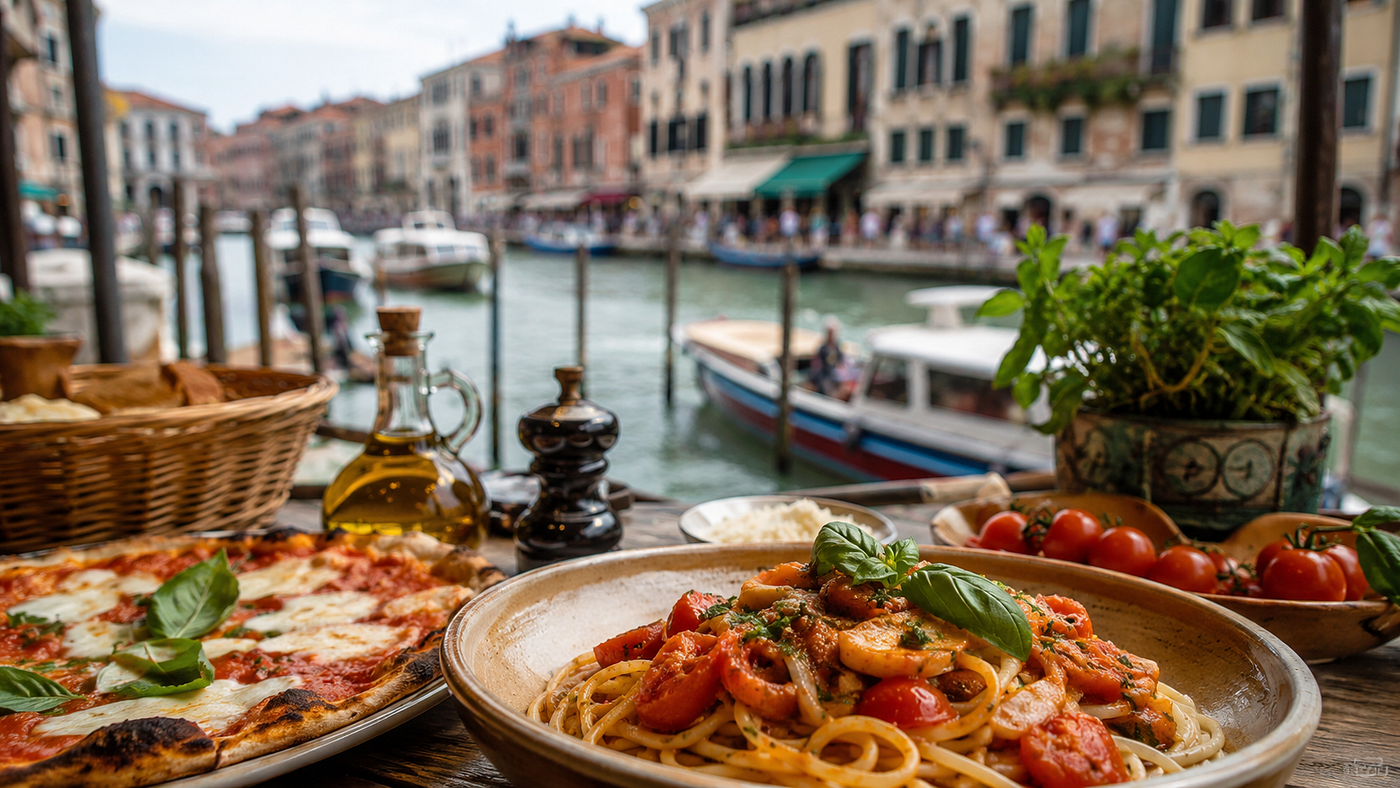
For many travellers today, food has ceased to be mere refuelling between sight-seeing expeditions; in many cases it’s the sole reason for the trip.
From the perfect dish of sushi in Japan to exciting Street Food tours in Thailand or artisanal pasta-making in Italy and sipping fine local wines in France, most travellers have come to plan their holidays around culinary destinations. The trend, from a niche market segment, now covers vast sections of travel including budget travelling and even those who may not necessarily be called ‘foodies’.
In this new and evolving travel ecosystem, Culinary Tourism has become one of the fastest-growing segments in the global tourism and travel industry.
A market powered by experience seekers As of 2025, the global culinary tourism market was estimated to be valued at USD1.25 trillion, with projected growth to over USD4.25 trillion by the end of 2034. The industry shows a compelling growth rate of over 14% annually. The market expansion rate positions culinary tourism among the most promising sectors within the wider travel industry.
In today’s age, most travellers tend to seek experiences rather than physical items. Henceforth, instead of purchasing souvenirs, many seek to collect memories in the form of diverse dining experiences. Travelers aspire to try local cuisines, visit Michelin-star restaurants and participate in hands-on food tours and workshops. Food has now been reduced to a medium through which one learns a culture and connects with locals on an entirely new level.
The advent of the Food Traveller There is a new breed of traveller, one whom we can aptly describe as a ‘food traveller’. These travellers are not interested in the traditional sights and sounds that lure most tourists. On the contrary, they have an almost insatiable urge to seek authentic culinary experiences by traveling to known destinations or even exploring unknown locales in pursuit of delectable meals and unique food journeys. For such travellers, the guiding question has transitioned from “What can I see?” to “What can I eat?”. Culinary tourism has significantly impacted and shaped how travel destinations market their offerings and how tour operators develop itineraries. In fact, the allure of local cuisine has turned into the ultimate selling point for many destinations across the world.
Social media’s impact on food tourism The boom of culinary tourism cannot be delinked from the widespread use of social media. Social platforms like Instagram, Tiktok, Youtube, and Pinterest have helped food gain a status of the new global language for exploration and discovery. A catchy reel on the best street food stalls in a foreign city or the perfect recipe video can go viral globally overnight. Thus, a large number of travelers plan their itinerary and destination by the food content they come across on their social feeds. Be it Korean barbecue, Japanese ramen, Indian curry or Italian pasta, visually enticing food content drives travel decisions and destination choices of people across the globe.
Asia-Pacific reigns supreme in culinary tourism Among the global regions, Asia-Pacific is undoubtedly at the helm of Culinary tourism. With more than 43% of the market revenue share, this growth is spearheaded by an extraordinary variety of food cultures and expanding domestic travel markets in many countries of the region. Countries such as Japan, Thailand, China, India, Vietnam, South Korea and Singapore have been actively leading culinary tourism. From fine dining experiences in Michelin restaurants to trying regional delicacies at local food markets or participating in traditional tea ceremonies, the Asia-Pacific region offers a comprehensive array of food tourism options. Furthermore, being a more affordable region, a diverse food culture makes the region the ultimate choice for domestic and international food lovers.
Domestic Culinary Tourism, A Growing Segment
In addition to the globally recognized international culinary journeys, Domestic Culinary Tourism has carved out a significant market share and currently represents the largest portion of the market. As a result of events such as the pandemic that limited international travel, many travelers are now focusing on exploring local restaurants, discovering regional food recipes, visiting local farm tours and learning about their regional culture through local food traditions. The growing interest in domestic culinary tourism can be largely attributed to the benefits like relatively lower travel costs, lesser planning, travel flexibility, promoting local businesses, and access to a more immersive experience in local culture. Many governments are also promoting regional culinary trails and events to encourage domestic food tourism.
Culinary tourism is blurring the lines with wellness travel The culinary tourism sector is currently undergoing a significant transformation, especially with the increasing correlation of Culinary Travel and Wellness Tourism. Travelers are increasingly opting for food-centric vacations that go beyond indulgence and align with the desire to understand nutrition, adopt healthy habits, and ensure ethical food choices. The emerging trends within this space include, farm-to-table initiatives, organic culinary tours, healthy eating retreats, Mediterranean Diet programs and Ayurvedic food retreats and workshops, Gut health focused travel, etc. Consumers are showing interest in the origin of their food and the impact it has on their overall health and well-being. Henceforth, Culinary Tourism is steadily being perceived as an extension of healthy living.
Technology transforming the food tourism landscape In this digital age, technology is undoubtedly taking over. Online Travel Agencies (OTAs) now feature detailed information and booking options for various food experiences worldwide, while AI-powered travel planners are beginning to offer hyper-personalized travel itineraries and food recommendations. Imagine planning a vacation with the aid of a travel chatbot that can accurately recommend vegan restaurants, local wine bars, popular street food locations, or even a cooking class based on your personal preferences. This is now becoming a reality.
Sustainability becoming a competitive differentiator
Today, most of the travellers are conscious and concerned about their environmental footprint. Many culinary tourists are looking to spend their money with companies that adhere to principles of sustainability — be it by sourcing local products and working closely with community businesses, or by committing to ethical farming and conservation practices. Many businesses now identify ‘sustainability’ as a competitive advantage in food and tourism services. This has led to a surge in ‘community based tourism’, ‘organic food trails’ and ‘local food sourcing’ with zero waste policies making it a winning trend for many destinations, especially with the millennials and Gen Z consumer base, for whom sustainability can be equally important as the food experience itself.
Challenges in the Industry
However, this flourishing industry faces several hurdles. Climatic change impacts are a genuine threat that affects production in some regions. Also, geopolitical instability and sudden policy changes may affect the inflow of tourists. Additionally, the prices associated with several premium culinary experiences can be a deterrent for many budget-conscious travellers. Nevertheless, these challenges are proving to be a catalyst for more innovation with tour operators focusing on adaptable travel styles and digital solutions.
The Road Ahead for Culinary Tourism
The trend for experience-centric travel is on the rise, and food is playing an indispensable role. Consumers now look for opportunities to experience destinations beyond their iconic landmarks, through their food. By 2034, industry leaders expect the culinary tourism industry to skyrocket to over USD4.25 trillion, reiterating its importance in the global travel landscape. For businesses, the opportunities seem limitless, and for us, the travel enthusiasts, the next big gastronomic adventure is just a reservation away.
Food: The Language of Travel, Final Thoughts
In essence, food has always transcended borders, serving as a universal language of connection and cultural exchange. Today, it is evolving into one of the strongest drivers of travel, inspiring people to seek deeper and more authentic experiences through local cuisine. This trend is evident not only worldwide but also in the growing u.s. culinary tourism market, where travelers are increasingly planning trips around food festivals, regional specialties, and immersive dining experiences. Whether it’s savoring street food in Bangkok, indulging in freshly made pasta in Rome, exploring ancient spice trails in India, or uncovering hidden culinary gems closer to home, food tourism offers a unique way to connect with people, traditions, and destinations.
As culinary tourism continues to evolve, access to reliable market data can help provide a deeper understanding of the trends shaping the industry. Additional insights are available at this resource
메타데이터
- post_id
- 2cfa9c65e65a
- slug
- from-street-food-to-fine-dining-how-culinary-tourism-is-changing-the-way-we-travel-2cfa9c65e65a
- url
- https://medium.com/@aj.jeswal44/from-street-food-to-fine-dining-how-culinary-tourism-is-changing-the-way-we-travel-2cfa9c65e65a
- canonical_url
- https://medium.com/@aj.jeswal44/from-street-food-to-fine-dining-how-culinary-tourism-is-changing-the-way-we-travel-2cfa9c65e65a
- author_url
- https://medium.com/@aj.jeswal44
- status
- ok
- fetched_at
- 2026-06-29 01:02:39