How Good Manufacturing Practices Support HACCP Certification
Introduction
How Good Manufacturing Practices Support HACCP Certification

Introduction
Good Manufacturing Practices (GMP) are the foundation of any effective food safety management system. Before a company can achieve HACCP certification, it must first ensure that basic hygiene and operational controls are properly implemented. GMP creates the working environment where HACCP principles can be successfully applied to control hazards and maintain consistent food safety standards.
In simple terms, GMP builds the discipline of clean, controlled production, while HACCP builds the structured system to identify and manage risks.
What Are Good Manufacturing Practices (GMP)?
Good Manufacturing Practices refer to a set of basic operational and hygiene requirements that ensure food is produced safely and consistently. These practices are a key part of manufacturing practices in the food industry.
GMP typically includes:
- Clean and hygienic production areas
- Proper employee hygiene and training
- Pest control systems
- Equipment maintenance and calibration
- Controlled storage and handling of raw materials
- Waste management procedures
These basic controls reduce contamination risks and ensure a stable environment for implementing food safety certification systems.
How GMP Supports HACCP Certification
To achieve **HACCP certification**, organizations must implement a structured system based on hazard analysis and critical control points. However, HACCP cannot function effectively without a strong GMP foundation.
Here’s how GMP supports HACCP:
1. Builds a Safe Operational Base
GMP ensures that basic hygiene and cleanliness are already in place. This allows HACCP to focus on identifying specific risks instead of correcting basic sanitation issues.
2. Strengthens HACCP Principles Implementation
The HACCP certification process relies on accurate monitoring, control, and documentation. GMP supports these principles by ensuring consistent processes and reducing variability in operations.
3. Improves Audit Readiness
During a food safety audit, auditors first check GMP compliance. If GMP standards are weak, it can negatively impact the overall food safety certification outcome, even if HACCP documentation is strong.
4. Supports HACCP Training Effectiveness
Effective HACCP certification training always includes GMP awareness as a core requirement. Employees trained in both systems are more capable of maintaining hygiene and following procedures correctly.
How GMP and HACCP Work Together in Food Safety Systems
GMP and HACCP are not separate systems — they work together as part of a complete food safety framework. GMP handles the basic preventive controls, while HACCP focuses on critical hazards and risk management.
When combined, they help organizations:
- Reduce contamination risks
- Improve product consistency
- Strengthen compliance with regulations
- Build customer trust in food safety systems
- Maintain long-term certification readiness
This integration is especially important for industries seeking food safety certification or operating in regulated markets.
HACCP Documentation Requirements for Certification
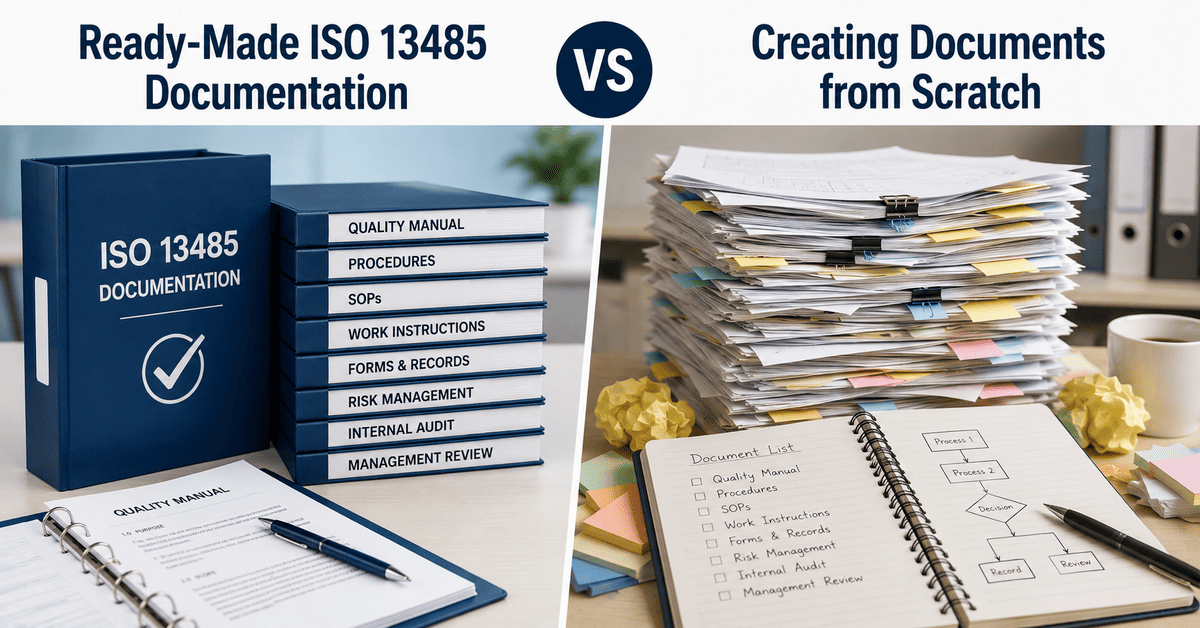
Proper documentation is essential for HACCP systems. It helps ensure traceability, consistency, and compliance during audits while supporting effective food safety management. Businesses often rely on structured manuals, procedures, SOPs, records, and checklists to maintain control over their processes and demonstrate compliance with certification requirements.
Organizations seeking ready-to-use **HACCP documents** can benefit from professionally developed documentation packages that simplify implementation, support audit preparation, and help maintain certification readiness.
Conclusion
Good Manufacturing Practices form the backbone of any successful HACCP system. Without GMP, implementing HACCP principles becomes ineffective and inconsistent. Together, GMP and HACCP create a strong framework for food safety training, operational control, and successful HACCP certification.
For any food business, focusing on GMP is not optional — it is the first and most important step toward achieving reliable and sustainable food safety compliance.
메타데이터
- post_id
- 2d0dab9e94ff
- slug
- how-good-manufacturing-practices-support-haccp-certification-2d0dab9e94ff
- url
- https://medium.com/@wcharles210/how-good-manufacturing-practices-support-haccp-certification-2d0dab9e94ff
- canonical_url
- https://medium.com/@wcharles210/how-good-manufacturing-practices-support-haccp-certification-2d0dab9e94ff
- author_url
- https://medium.com/@wcharles210
- status
- ok
- fetched_at
- 2026-06-24 04:09:36