How do additional copolymer and homopolymer fibres behave in concrete?
Here’s a breakdown of how additional copolymer and homopolymer fibers can influence the behavior of concrete:
How do additional copolymer and homopolymer fibres behave in concrete?
Here’s a breakdown of how additional copolymer and homopolymer fibers can influence the behavior of concrete:
General Benefits of Adding Fibers to Concrete:
Before diving into specifics, it’s important to understand the general benefits of adding fibers to concrete. Here are some key improvements:
- Improved Crack Resistance: Fibers bridge cracks in the concrete, preventing them from propagating and expanding. This leads to increased toughness and impact resistance.
- Reduced Spalling: Spalling refers to the chipping or flaking of concrete under stress. Fibers help distribute stresses more evenly, minimizing spalling.
- Enhanced Post-Cracking Performance: Even after cracking occurs, fibers can help maintain some level of structural integrity, improving the overall performance of the concrete.
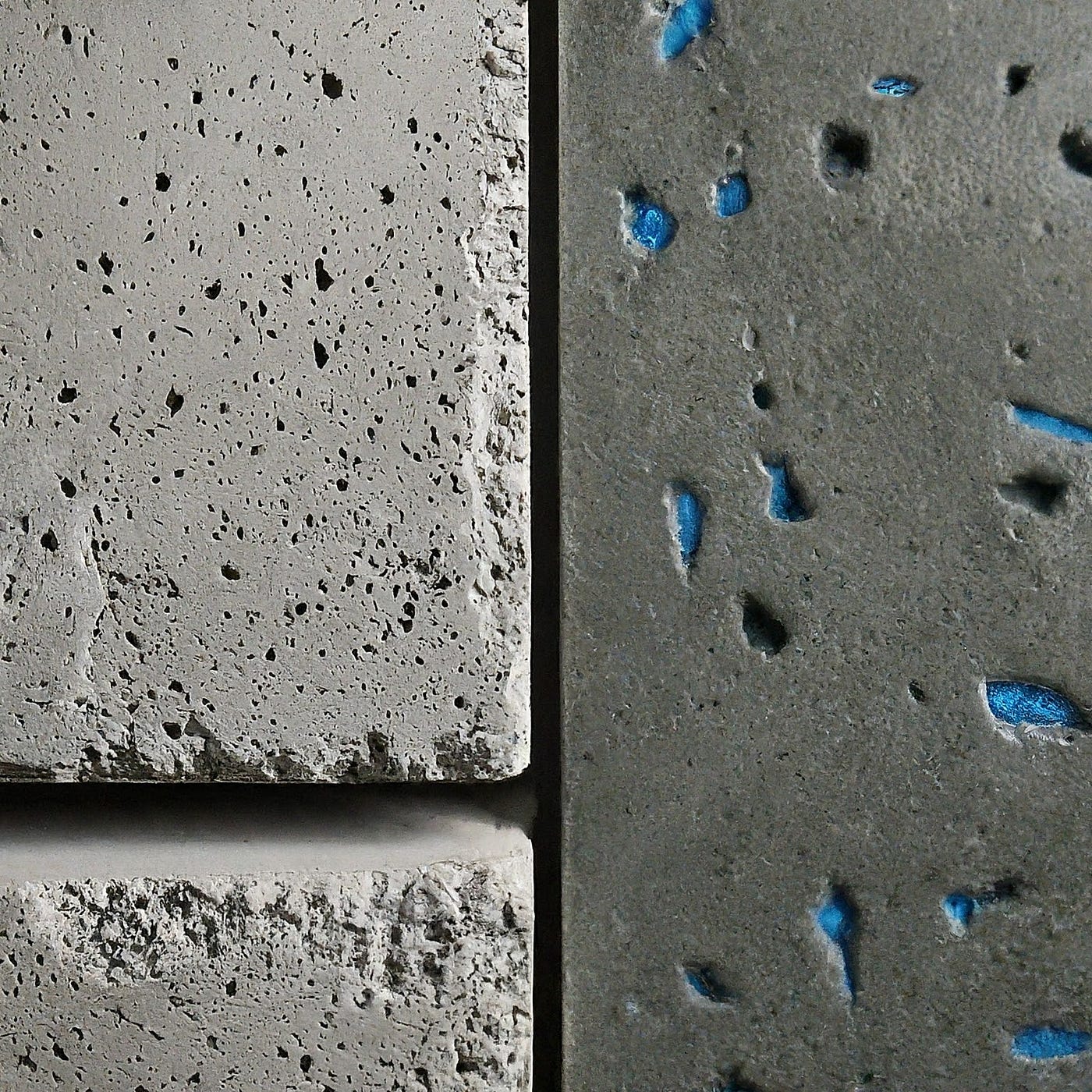
Impact of Copolymer vs. Homopolymer Fibers:
Now, let’s see how the type of fiber (copolymer vs. homopolymer) affects the behavior of concrete:
Copolymer Fibers:
- Composition: Copolymer fibers are formed by combining two or more different polymer types. This allows for tailoring properties to achieve specific desired effects.
- Advantages: Copolymer fibers can offer a wider range of properties compared to homopolymers. They can be engineered for superior tensile strength, higher bond strength with the concrete matrix, and better performance in harsh environments (e.g., alkali resistance).
- Applications: Copolymer fibers are often chosen for applications requiring high performance, such as shotcrete (sprayed concrete), tunnel linings, and industrial flooring.
Homopolymer Fibers:
- Composition: Homopolymer fibers consist of a single type of polymer.
- Advantages: Homopolymer fibers are generally less expensive than copolymers. They can be effective for applications where basic crack control and improved toughness are desired.
- Applications: Homopolymer fibers are commonly used in applications like slabs, pavements, and precast concrete elements.
Here’s a table summarizing the key points:

Additional Factors to Consider:
- Fiber Type: There are various types of fibers beyond copolymers and homopolymers, such as polypropylene, nylon, and steel fibers. Each type offers distinct advantages and disadvantages depending on the application.
- Fiber Length, Diameter, and Aspect Ratio: These parameters influence the effectiveness of the fibers in reinforcing the concrete.
- Dosage Rate: The amount of fiber added to the concrete mix significantly impacts its behavior. Too little might not provide enough reinforcement, while too much could lead to workability issues.
By carefully considering the type, properties, and dosage of fiber additions, engineers can achieve optimal performance and desired behavior in concrete for specific applications. read more
메타데이터
- post_id
- 2d0e20a95fee
- slug
- how-do-additional-copolymer-and-homopolymer-fibres-behave-in-concrete-2d0e20a95fee
- url
- https://medium.com/@SAMJADESBUILDINGCONSTRUCTION/how-do-additional-copolymer-and-homopolymer-fibres-behave-in-concrete-2d0e20a95fee
- canonical_url
- https://medium.com/@SAMJADESBUILDINGCONSTRUCTION/how-do-additional-copolymer-and-homopolymer-fibres-behave-in-concrete-2d0e20a95fee
- author_url
- https://medium.com/@SAMJADESBUILDINGCONSTRUCTION
- status
- ok
- fetched_at
- 2026-08-10 02:58:44