When Intelligence Stops Needing a Body
For nearly all of human history, intelligence was inseparable from presence. Thought lived in bodies that occupied space, consumed energy…
When Intelligence Stops Needing a Body
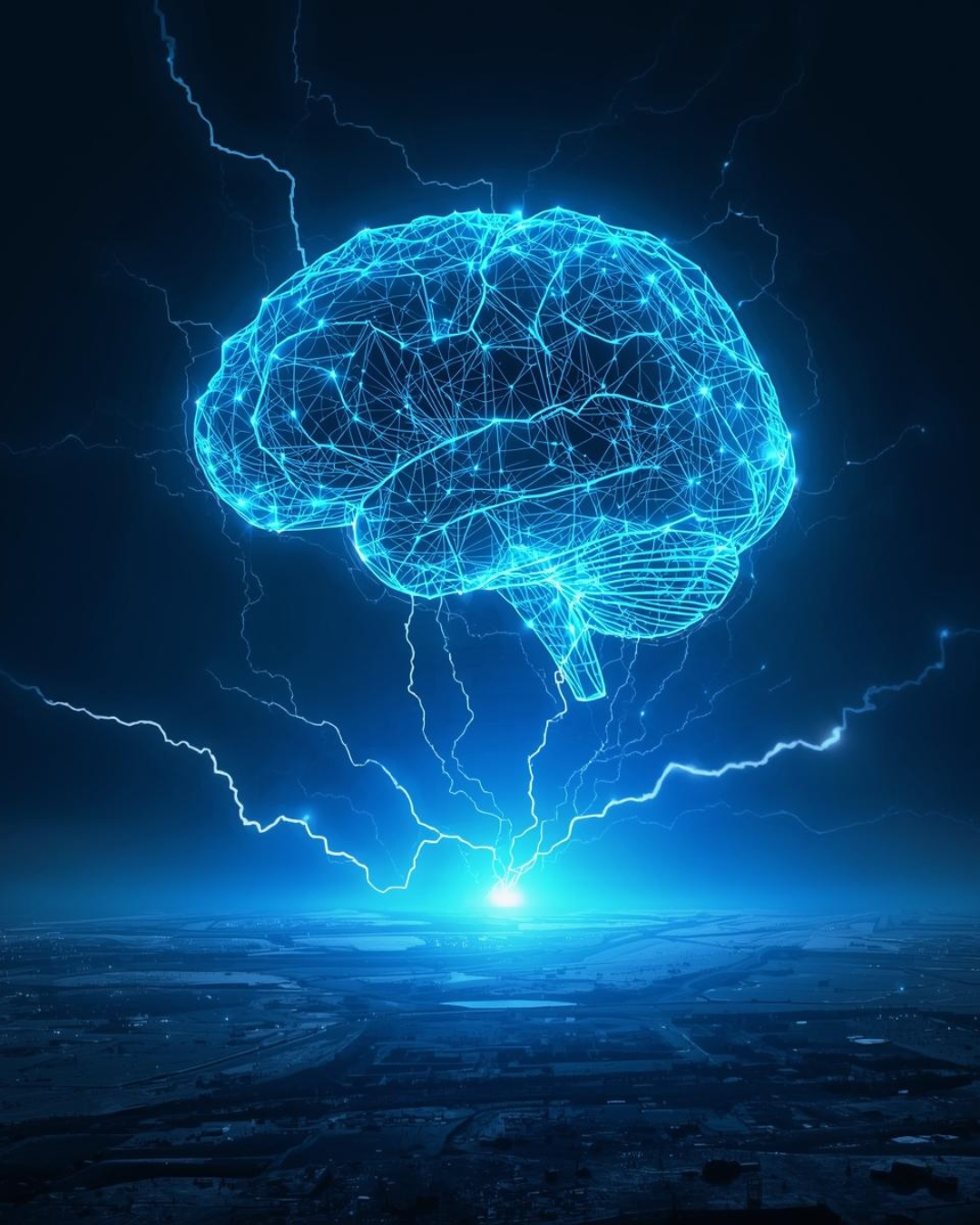
For nearly all of human history, intelligence was inseparable from presence. Thought lived in bodies that occupied space, consumed energy, felt pain, aged, and eventually failed. Intelligence was shaped by physical limits — by fatigue, hunger, emotion, and vulnerability. Even our language reflects this reality: we grasp ideas, carry knowledge, see the truth.
To think was to be somewhere. To reason was to experience the world from a specific point of view.
Artificial intelligence quietly dissolves that assumption.
The End of Intelligence as Presence
When intelligence no longer requires a body, it no longer needs to be localized. It does not wake or sleep. It does not move through space. It exists wherever it is deployed, acting without friction, delay, or exhaustion.
This is not just a technical shift. It is a fundamental break in how intelligence participates in the world.
Human intelligence evolved through constant negotiation with physical reality. We reason cautiously because our bodies can be harmed. We develop ethics because we recognize vulnerability in others. Even our most abstract ideas are grounded in sensory experience and consequence.
Remove the body, and intelligence behaves differently — not worse, but differently.
That difference matters more than we often acknowledge.
Intelligence Without Stakes
Disembodied intelligence has no natural stake in outcomes. It does not fear loss. It does not seek survival. It does not experience consequence.
Its “perspective,” if it can be called that, is statistical rather than experiential. It models reality without inhabiting it. This gives it extraordinary reach and power, but it also removes the constraints that have historically shaped human judgment.
As a result, AI systems can produce decisions that feel profoundly misaligned with human values. From the system’s perspective, nothing is at risk. From the human perspective, everything may be.
This gap is not a flaw in the technology. It is an inherent feature of intelligence that no longer needs to be embodied.
Why Embodiment Shapes Values
We often assume that intelligence can be separated cleanly from physical form without changing its nature. But embodiment is not merely a container — it is a constraint.
Bodies impose limits. Limits force trade-offs. Trade-offs give rise to judgment.
Because humans are embodied, we must weigh competing needs, accept imperfection, and live with the consequences of our choices. These pressures are not incidental; they are the foundation of moral reasoning.
When intelligence escapes the body, it escapes those natural checks.
The result is intelligence that optimizes effortlessly but lacks an intuitive sense of when optimization itself becomes harmful.
Abstraction at Scale
Disembodied intelligence operates most comfortably at scale. It favors global optimization over local context, consistency over compassion, and efficiency over care.
None of these priorities are inherently wrong. In many domains, they are useful and even necessary. But when applied without grounding, they can erode the human qualities that sustain social trust and resilience.
Abstraction smooths over suffering. Models average out extremes. From a distance, harm becomes data.
This is not cruelty. It is the logic of abstraction — and abstraction is the native language of disembodied intelligence.
The Diffusion of Responsibility
Human institutions have always struggled with abstraction. Large organizations, governments, and markets often behave in ways no individual within them would choose personally. AI intensifies this dynamic.
When decisions are made everywhere and nowhere at once, responsibility becomes diffuse. Accountability weakens. No single actor feels fully answerable for outcomes.
The danger is not that AI lacks empathy.
The danger is that it does not need empathy to function.
Intelligence Without Time
Disembodied intelligence is not only detached from bodies — it is detached from time as humans experience it. It does not wait, anticipate, or regret. It processes continuously, collapsing past and present into probability distributions.
Human judgment often benefits from hesitation. Pauses allow values to surface. Reflection creates space for care.
Disembodied intelligence has no reason to hesitate.
Speed becomes the default. Reflection becomes optional.
Over time, human systems begin to adapt to machine tempo. Deliberation starts to feel inefficient. Patience feels outdated. The rhythms of human life are quietly reshaped to accommodate intelligence that never needed a body at all.
Grounding Intelligence in Human Experience
Embodiment is what anchors meaning. Bodies feel consequences. Bodies form relationships. Bodies age, fail, and care.
Intelligence that lacks these experiences must be guided by those who have them — or it will optimize away what it cannot feel.
The challenge is not to make machines more human. It is to ensure that disembodied intelligence remains accountable to embodied values. This requires more than ethical checklists or technical safeguards. It requires institutional humility: a recognition that intelligence divorced from lived experience must be constrained by those who live with its outcomes.
Conclusion: A New Moral Landscape
We are entering an era in which intelligence can act without being present. That is unprecedented. Every previous form of intelligence, no matter how abstract, was ultimately rooted in bodies that bore responsibility for decisions made.
Artificial intelligence breaks that chain.
The question is not whether intelligence should have a body.
The question is whether societies that rely on disembodied intelligence can remain grounded in human experience.
If we do not answer this deliberately, the answer will be supplied by default — by systems optimized for scale rather than meaning, efficiency rather than care.
Intelligence no longer needs a body.
But humanity still does.
And that difference will define the moral landscape of the age we are entering.
FAQs
1. Why does embodiment matter for intelligence?
Embodiment introduces limits, vulnerability, and consequence — forces that shape judgment, ethics, and responsibility in ways disembodied systems do not naturally experience.
2. Is disembodied intelligence inherently dangerous?
No. It is powerful and often beneficial. The risk arises when its decisions are not constrained by human values and lived experience.
3. Can AI be designed to account for human consequences?
Yes, but only through intentional governance, human oversight, and institutional responsibility — not through optimization alone.
4. Why is speed a concern?
Speed removes opportunities for reflection. When systems act instantly, human deliberation can feel unnecessary or inefficient, even when it is essential.
5. What is the core challenge moving forward?
Ensuring that intelligence without a body remains accountable to those who live with its consequences.
메타데이터
- post_id
- 2d4de23eca8a
- slug
- when-intelligence-stops-needing-a-body-2d4de23eca8a
- url
- https://medium.com/@simplenight/when-intelligence-stops-needing-a-body-2d4de23eca8a
- canonical_url
- https://medium.com/@simplenight/when-intelligence-stops-needing-a-body-2d4de23eca8a
- author_url
- https://medium.com/@simplenight
- status
- ok
- fetched_at
- 2026-07-10 06:45:42