The History of Minangnese Food
Minangnese food is one of the most adored Indonesian dishes especially with their bold, aromatic rich in flavor. However, behind every…
The History of Minangnese Food
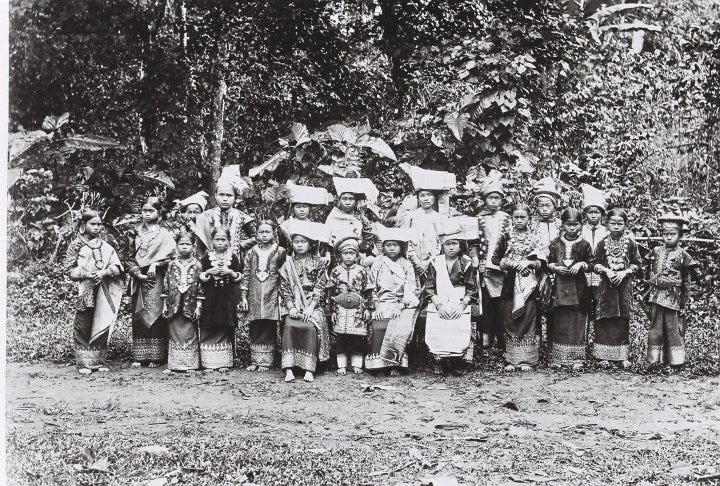
Sources : Pinterest
Minangnese food is one of the most adored Indonesian dishes especially with their bold, aromatic rich in flavor. However, behind every plate of rendang, every spoonful of gulai and every fiery sambal ijo there lies a history that is shaped by migration, trade, and cultural resilience, and also the famous philosophy in West Sumatra : Matrilineal. That has defined the Minangkabau people for centuries. The story of Minang cuisine is not just about the food, it is also about tradition, identity, and the way a community is using the flavor to show its heritage.
Origins in the Land of the Minangkabau
The start of Food in Minangkabau is started in the heart of West Sumatera, a region that is characterized by their volcanic soil, fertile highlands, and lush valleys. The Minangkabau people have long inhabited this landscape, cultivating rice, chillies, coconuts and spices that are built the foundations of their cuisine. The environment that shaped their cooking : Coconut milk is becoming their staple, chillies grow abundantly and spices like lemon grass, turmeric, and galangal are thriving there.
Centuries ago, the Minangkabau community built their culinary system based on what the land has provided them with. Minang cuisine is simple yet creative, boiled vegetables, grilled fish, and lightly spiced dishes. Yet, as time passed and contacts with outside traders increased, their cuisine underwent a dramatic changes.
Influences from India, Arabia, and China
Minangkabau cuisine is likely to be described as the spiciest food in Indonesia, and their richness of flavor can be traced back to their ancient trade routes. As we know, West Sumatra is once a bustling stopover for travelers that come from India, the Middle East, and China. This type of interactions are bringing them new flavors like : Cumin, coriander, cloves, cinnamon, and various spice techniques that are mixed with their local ingredients.
The Indian influences are the strongest since the concept of gulai ( A curry like dish) and the use of turmeric and coconut milk are reflecting the Indian culinary traditions. The minangkabau has adapted these foreign elements to their own tastes, which creating a flavor that is thicker, richer, and way more intense than Indian cuisine. Especially, as spices became the most important part in their culinary identity, Minang cuisine has developed more in the bold, spicy, and layered flavour as we know today.
The Matrilineal Foundation of Minang Food
Different from other ethnic groups in Indonesia, the Minangkabau tribe follows a matrilineal system, where property, family titles and cultural knowledge are passed down through women. This philosophy has not only shaped the family structures but also deeply influenced their culinary traditions in the region.
The Minangkabau women have been considered as the guardians of the heritage, including the recipes that are served from generation to generation. Their kitchen is not seen as a place of confinement, however it is seen as the sacred space where history is needed to kept alive through spices, techniques, and stories.
Minang Traditional foods such as rendang, gulai kuning, and sambal balado are often taught from mother to daughter, and not through written recipes but with instinct. “Add until it tastes right”, “Stir until it smells cooked”, and “cook until it turns darker” these types of phrases are passed down and are not measured. This intuitive style has become their type of cooking style and the reasons why Minang cuisine tastes so deep and personal.
Rendang: Minangkabau’s Culinary Ambassador
The history of Minangkabau cuisine would not be complete without mentioning rendang, an iconic dish named the ‘most delicious food in the world’ by CNN Travel. However, the origins of rendang are much older than most people imagine.
Minangkabau people historically needed a way to preserve meat during long journeys — especially during merantau, a tradition of leaving home to seek knowledge, trade, or opportunity. So they cooked beef in coconut milk and spices for hours until the sauce evaporated, leaving the meat browned, dark, and infused with intense flavour. This slow-cooking technique served as a natural preservative, allowing rendang to last for weeks without spoiling.
Once a practical preservation method, it has become a cultural icon, symbolising the resilience, patience, and identity of the Minangkabau people.
Merantau: The Migration That Spread Minang Cuisine Nationwide
Another characteristic of Minangkabau culture is merantau,the practice of individuals leaving their homeland to pursue opportunities elsewhere. This migration began centuries ago, driven by trade, education and ambition. As the Minangkabau people spread throughout the Indonesian archipelago, they brought their culinary heritage with them.
So began the rise of Rumah Makan Padang, or Padang restaurants.
By the 20th century, Padang restaurants could be found everywhere, from bustling Jakarta to small villages in Eastern Indonesia. Their iconic style of dining, featuring stacks of plates filled with dozens of dishes, became a national culinary symbol. Through these restaurants, Minang cuisine became one of the most widespread and recognised culinary cultures in Indonesia.
The Evolution of Minang Food Today
Nowadays, Minangkabau cuisine continues to evolve while remaining faithful to its cultural roots. Modern chefs reinterpret classic dishes, but the essence remains the same: strong spices, slow cooking, rich coconut flavours, and spicy sambal.
Even with the advent of globalization, Minangkabau cuisine has retained its identity remarkably well. Why? It’s simple — this culinary heritage is protected through family traditions, communal cooking, and a matrilineal system that prioritises cultural continuity.
Minang cuisine has also gained international recognition, with restaurants popping up in Malaysia, Singapore, Australia, and even Europe. Wherever it goes, it carries the spirit of its homeland: strength, togetherness, and resilience.
A History Kept Alive Through Flavor
The history of Minangkabau cuisine is a story of land, migration, heritage, and the timeless wisdom of women. Formed from volcanic soil, enriched by centuries of trade, and strengthened by a matrilineal philosophy that preserves tradition through taste.
With every bite of rendang, every spoonful of gulai, and every touch of sambal, a story is told — a story of ancestors, journeys, and the unwavering pride of the Minangkabau people.
Minang food is not just for eating.
It is remembered, carried, passed down, and shared.
And that is why its history endures — one dish at a time.
Author : Rania
메타데이터
- post_id
- 2d77dfec40f4
- slug
- the-history-of-minangnese-food-2d77dfec40f4
- url
- https://medium.com/@galsdo/the-history-of-minangnese-food-2d77dfec40f4
- canonical_url
- https://medium.com/@galsdo/the-history-of-minangnese-food-2d77dfec40f4
- author_url
- https://medium.com/@galsdo
- status
- ok
- fetched_at
- 2026-07-10 06:10:56