The Travel Booking Gap — What’s Needed to Close It
In Part 1, we uncovered a quiet but costly reality in the travel industry: bookings aren’t lost because travellers lose interest — they’re…
The Travel Booking Gap — What’s Needed to Close It

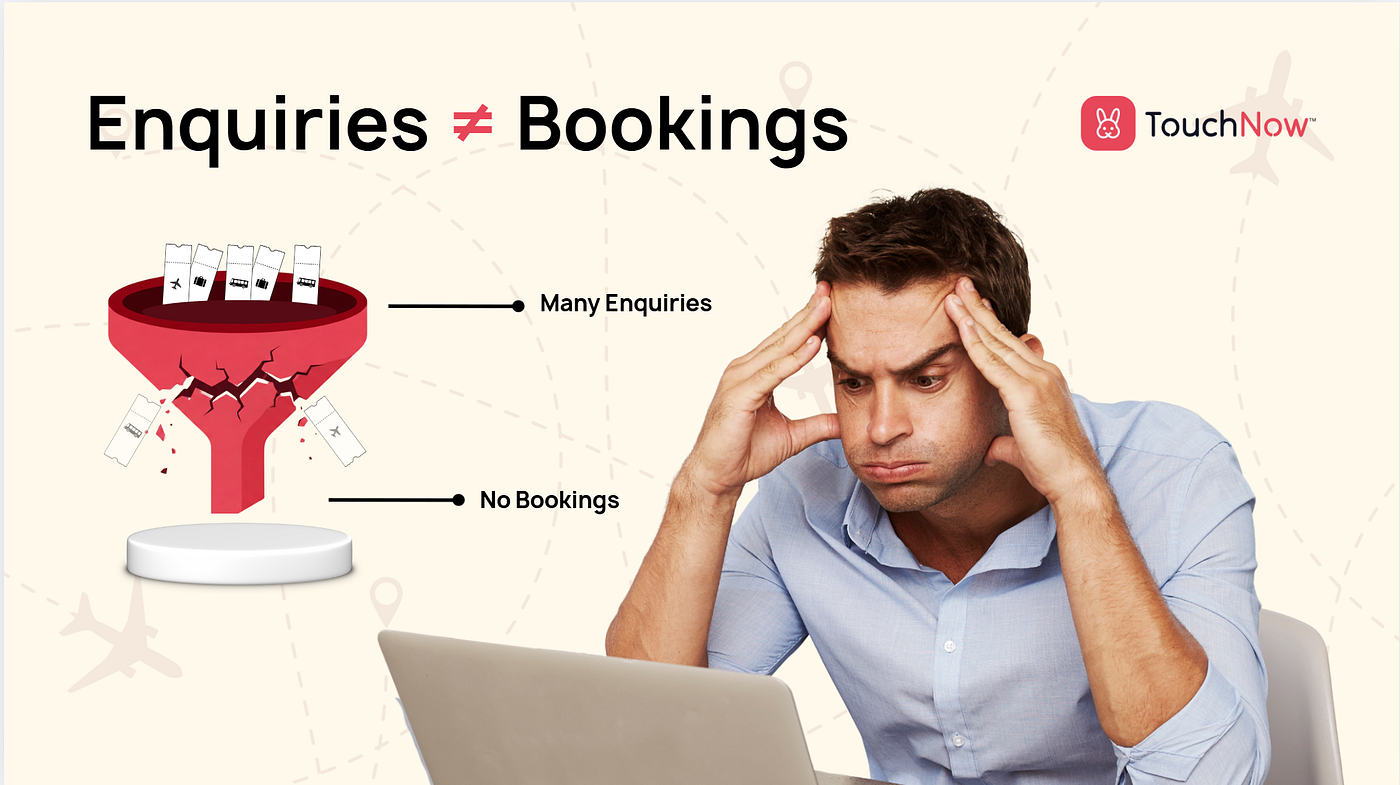
In Part 1, we uncovered a quiet but costly reality in the travel industry: bookings aren’t lost because travellers lose interest — they’re lost because travel companies respond too late. Enquiries arrive with genuine intent, but delayed responses, scattered conversations, and missed follow-ups quietly push travellers toward whoever responds faster.
The problem is now clear. The next question is simple: What needs to change to stop losing ready-to-book travellers?
Closing the booking gap does not require more leads. It requires strong response habits, better engagement continuity, and more consistent follow-through.
Here’s where travel agencies need to focus
- Respond at Traveller Speed: Today’s traveller moves quickly. They compare destinations, prices, and providers in minutes. A slow first response signals uncertainty, not service.
That’s why agencies need to ensure:
- Every enquiry is acknowledged promptly
- No message waits unnoticed
- Response consistency becomes routine, not exception
Speed builds trust early. And trust is what keeps a traveller in your conversation instead of someone else’s.
But speed alone isn’t enough. Once the conversation starts, it must continue smoothly without resets or repetition.
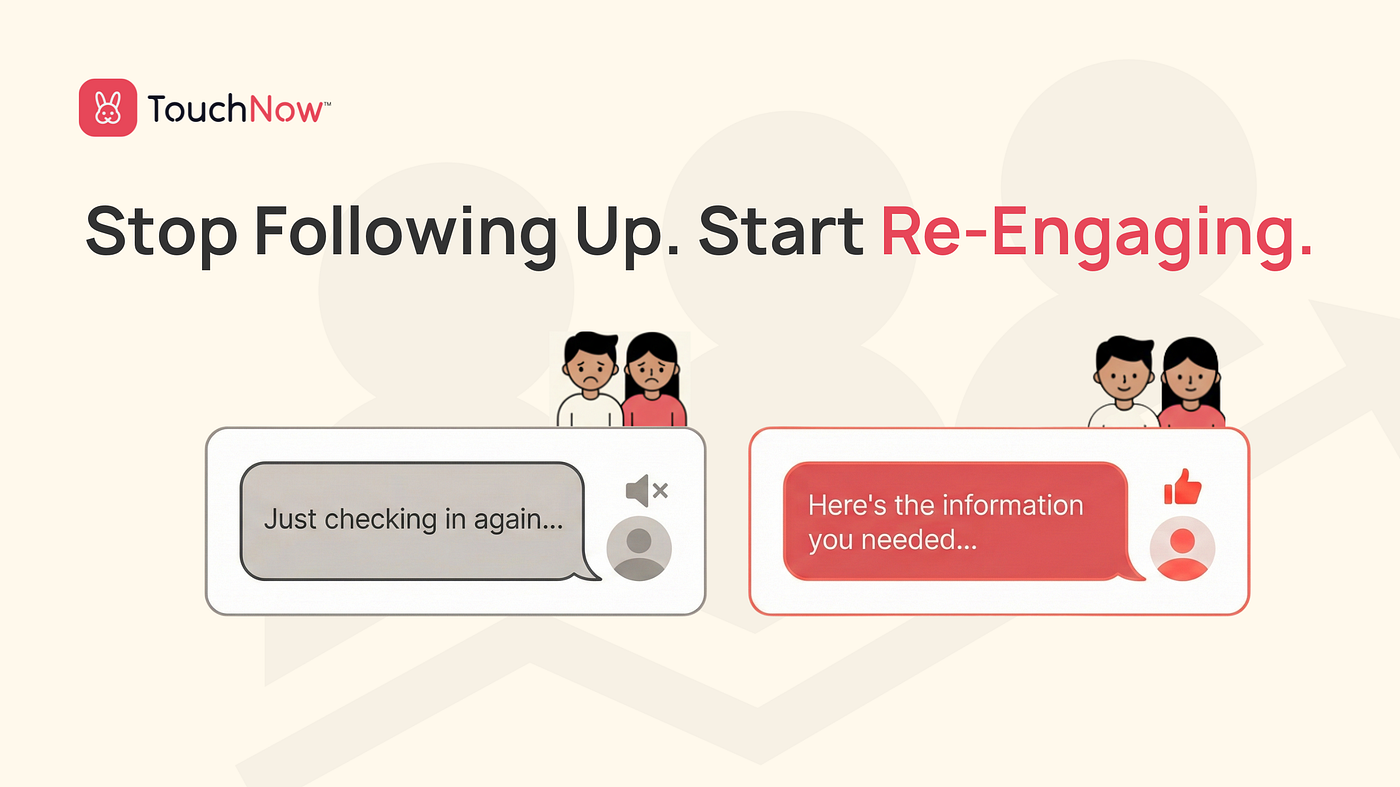
2. Keep Conversations Continuous, Not Fragmented: Travellers don’t think in channels. They simply want to feel understood. When conversations scatter across WhatsApp, email, and calls, context gets lost. Customers repeat details.
Momentum drops. Interest fades.
Agencies need to ensure:
- Each enquiry has a continuous conversation thread.
- Agents should pick up where discussions left off.
- Travellers feel remembered, not restarted.
Continuity keeps confidence high. And confidence keeps decisions moving forward.
Yet even with continuity, enquiries still stall if follow-ups rely on memory instead of structure.
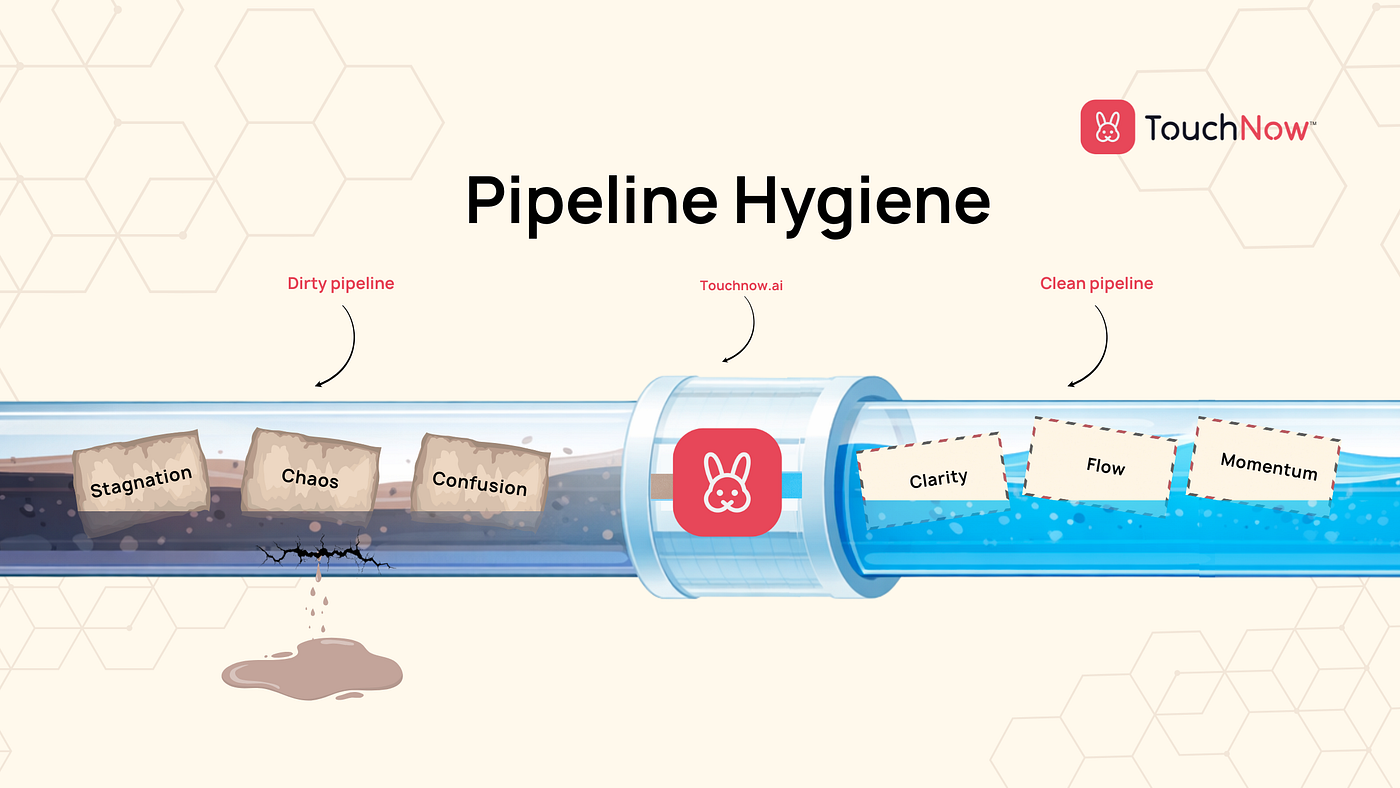
3. Travel Agencies Need Structured Follow-Up Systems: Most bookings don’t disappear suddenly. They fade slowly — one missed follow-up at a time.
That’s why agencies need:
- Clear follow-up routines.
- Visibility into pending customer conversations.
- Assurance that no enquiry is forgotten.
Structured engagement prevents silent drop-offs. It keeps the agency present without becoming pushy.
None of this works if agents spend more time managing tasks than serving travellers.
4. Let Travel Agents Focus on Selling: Too much of an agent’s day goes into searching old messages, remembering next steps, and organizing customer details — work that doesn’t close bookings.
Travel agencies need smart systems that quietly handle routine coordination in the background — keeping enquiries organised, conversations connected, and follow-ups on track. When repetitive tasks run smoothly, agents can focus on what truly matters: understanding travellers and guiding decisions.
Less admin. More meaningful conversations. Stronger bookings.
5. Visibility Into Enquiry-to-Booking Progress: Counting enquiries only shows demand. It doesn’t show conversion health. Agencies need visibility into:
- How quickly the customers receive responses.
- Whether conversations stay active
- Where engagement drops off
These signals reveal where the booking gap forms and where attention is required. What becomes visible can be improved. And what gets improved leads to more confirmed bookings.
And this isn’t just theory — industry research shows that faster, structured enquiry handling directly impacts revenue.
Proof That Engagement Protects Revenue
Industry research reinforces what modern travel agencies are already experiencing:
- Harvard Business Review found that responding within the first hour makes companies up to 7× more likely to qualify leads.
- HubSpot data shows delayed follow-ups can reduce conversion rates by up to 50%.
- McKinsey & Company notes that structured lead management improves sales productivity by 10–20% without adding headcount.
- Gartner highlights that conversational automation significantly improves response speed and engagement in service-led industries like travel.
Together, these findings point to one conclusion: faster, structured enquiry handling directly protects revenue.
Conclusion: From Understanding to Execution
The booking gap isn’t caused by low demand. It’s caused by what happens after demand arrives.
Fast responses, structured conversations, and clear visibility into engagement are now essential for travel agencies that want more confirmed bookings without increasing ad spend.
**TouchNow** is built to help travel agencies strengthen responsiveness, maintain conversation continuity, and keep engagement on track. It provides a unified operational layer that supports teams in turning more enquiries into confirmed bookings.
Join the TouchNow waitlist to build a conversion-focused future for your agency. Because in travel, the gap isn’t in demand. It’s in follow-through.
Growth in travel will belong to agencies that complete the journey — not just start it.
메타데이터
- post_id
- 2db1828c0a34
- slug
- the-travel-booking-gap-whats-needed-to-close-it-2db1828c0a34
- url
- https://medium.com/signals-conversions/the-travel-booking-gap-whats-needed-to-close-it-2db1828c0a34
- canonical_url
- https://medium.com/signals-conversions/the-travel-booking-gap-whats-needed-to-close-it-2db1828c0a34
- author_url
- https://medium.com/@blogs_28696
- status
- ok
- fetched_at
- 2026-06-14 11:28:49