Our sins of omission
On the quiet cost of what we choose not to say, do, or become
Our sins of omission
On the quiet cost of what we choose not to say, do, or become

Zooming in the things we choose to ignore
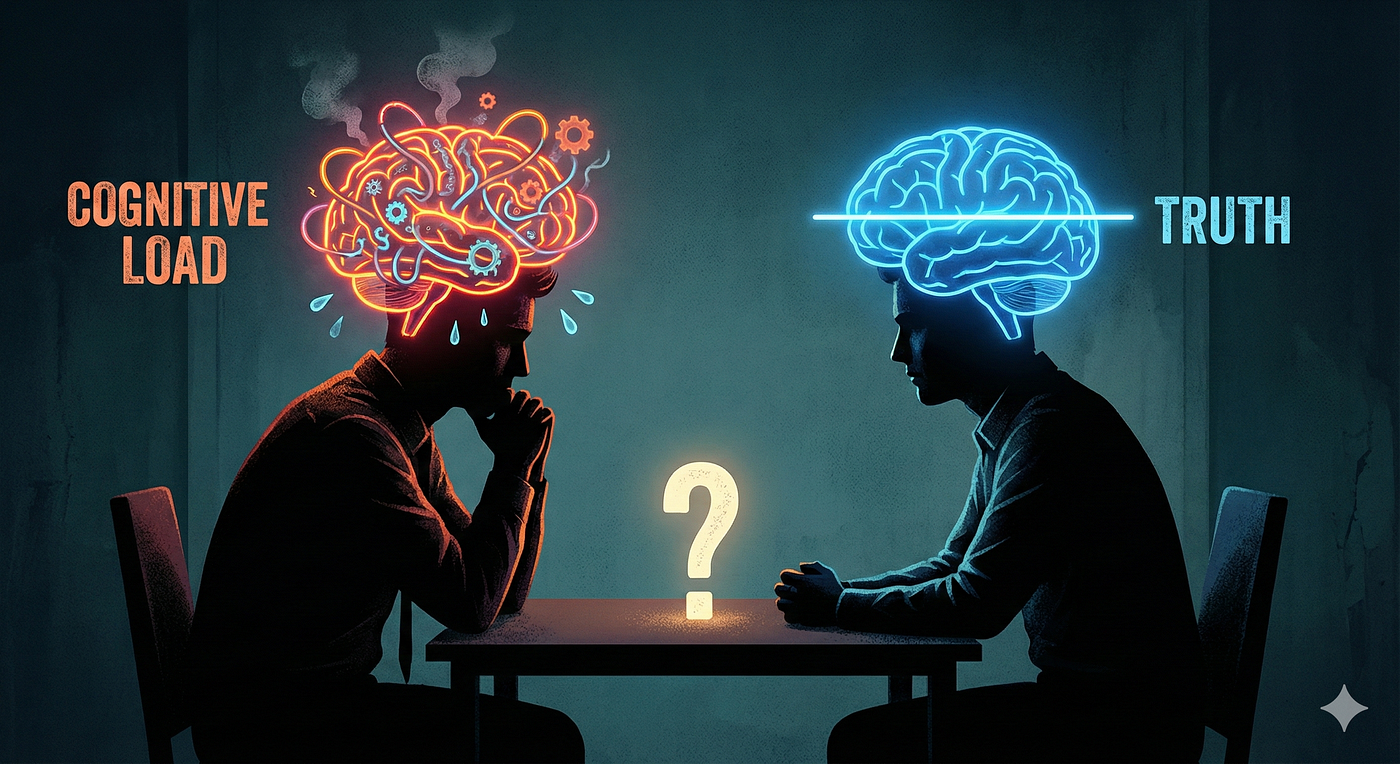
It’s easy to talk about the things we do. The mistakes we make, the lines we cross, the moments we’re not proud of. We have language for all of that. What we rarely talk about, honestly, is what we choose not to do. Omission.
Omission is a kind of commission in itself. But at least it leaves no trail. I didn’t know what to do. I hit a creative block. I was lost for words. I didn’t want to rock the boat. We’ve all used these, and they work, because omission is invisible. Nobody can point to the thing that wasn’t said, the action that wasn’t taken, the life that was quietly edited down before anyone could see it.
John Stuart Mill said it in 1867, and it hasn’t aged a day:
Bad men need nothing more to compass their ends than that good men should look on and do nothing.
Most of us are somewhere in that sentence.
I want to be fair. Sometimes wisdom genuinely demands silence. Knowing when not to speak is a real skill, and I don’t want to dismiss it. But we’re very good at using that truth to cover for something else. We dress up fear as discernment. We call it maturity when what we mean is that we didn’t want to deal with the consequences of showing up fully.
James put it plainly:
To him who knows to do good and does not do it, to him it is sin.
Neither a lapse nor a creative block. Sin. The same weight as the thing you did, the line you crossed, the harm you caused. The only question is whether you knew. Not whether you acted. Whether you knew. And most of us knew.
I travel quite a lot, so let me use my own example. It’s okay not to post about your life and your travels. Not everything needs an audience. But there’s a different version of that silence — the one that comes from wanting to appear a certain way, or from fear of what people might say, or from carefully managing how you’re perceived. That version isn’t wisdom. That’s omission as self-censorship.
And I’m genuinely not sure how it’s different from doing something out of peer pressure. One is caving to what people want you to do. The other is hiding what they might not approve of. The driver is the same. So is the cost.
You make enough of those small decisions, and one day you realize the person they added up to is a stranger to you. And the worst part is, nobody forced you there. You walked yourself in.
Your sins of omission will appear on no visible record. Nobody will raise them. But James wasn’t talking about those courts. He was talking about the one convened by knowledge alone, where silence was never the same as clean hands.
Say the thing. Do the thing. Live the thing. Not for them. Despite them. While you still can.
메타데이터
- post_id
- 2dbdf4bdc260
- slug
- our-sins-of-omission-2dbdf4bdc260
- url
- https://medium.com/@mlabwa/our-sins-of-omission-2dbdf4bdc260
- canonical_url
- https://medium.com/@mlabwa/our-sins-of-omission-2dbdf4bdc260
- author_url
- https://medium.com/@mlabwa
- status
- ok
- fetched_at
- 2026-06-11 15:16:29