The Regression Testing Habit That Changed How I Think About Shipping Code
I used to think deployment confidence was something senior developers just had. They would push code with a calm that felt almost casual…
The Regression Testing Habit That Changed How I Think About Shipping Code
I used to think deployment confidence was something senior developers just had. They would push code with a calm that felt almost casual. No hesitation before hitting merge. No checking Slack obsessively for twenty minutes after a deployment to see if anything broke. Just — ship, and move on.
I spent a long time assuming this was about experience. That at some point you just know your codebase well enough to ship without anxiety. What I eventually figured out is that the calm was not about knowing more. It was about trusting the right things.
The thing I was trusting- my regression test suite- was not trustworthy in the way I thought it was. And the habit I changed to fix that transformed how I think about shipping code entirely.

The Test Suite That Felt Solid
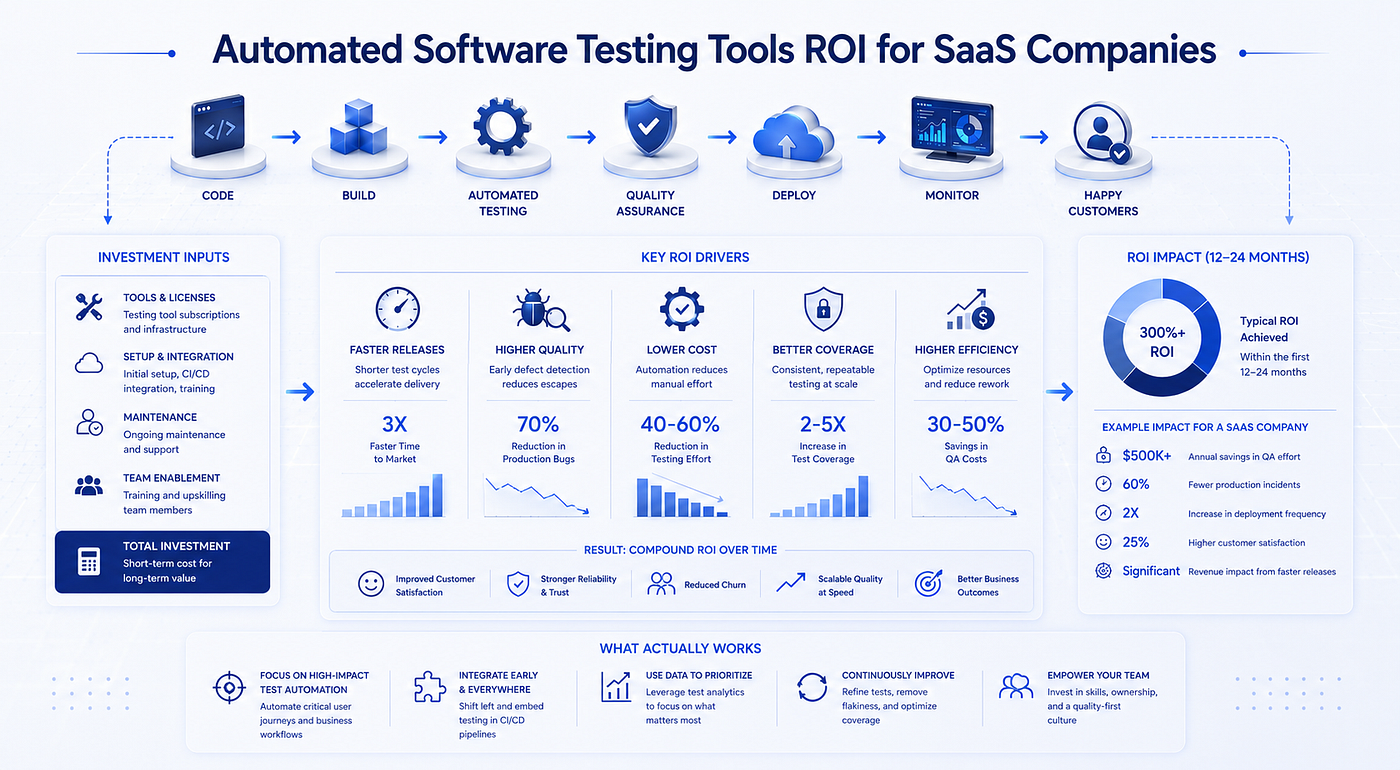
Three years ago I was working on a platform with about twelve services. We had a regression suite that covered the core user journeys, the main API endpoints, and most of the integration points between services. Coverage was around 68 percent. Not perfect, but solid.
We ran the suite before every deployment. It passed most of the time. When it failed, it usually caught something real. I felt good about it.
Then we had an incident that took me a long time to fully understand.
We deployed an update to our notification service on a Tuesday afternoon. The pipeline was green. The regression suite passed. We shipped and closed our laptops.
By Wednesday morning, a subset of users could not complete the checkout flow. The error was in the order service — a service we had not touched in the Tuesday deployment. The order service was calling the notification service and receiving a response shape it was not designed to handle. The notification service had changed how it structured its error responses in a previous deployment. The order service’s tests had not caught this because they were running against a mock that reflected the notification service’s behavior from six weeks earlier.
Six weeks. The mock was six weeks out of date, and nobody knew.
The regression suite passed because it tested everything it knew about. The problem was that what it knew about was six weeks behind reality.
The Habit I Had Without Realizing It
After that incident, I started paying attention to how our regression coverage actually worked. What I found was uncomfortable.
Every integration test we had was running against a manually maintained mock file. A developer had written those mocks when the integrations were first built. They specified how downstream services would respond — what fields they returned, what error shapes they used, what behavior they exhibited under edge conditions.
The mocks were accurate on the day they were written. Then the downstream services kept deploying. Response fields got added. Error handling got updated. API behaviors changed in small but consequential ways. Nobody updated the mocks because nobody knew they needed updating. There was no mechanism that connected a downstream service deployment to a prompt for updating the mocks in every service that depended on it.
I had been trusting a regression suite that was secretly running against a historical snapshot of the system. Not the current system. The system as it existed weeks or months ago. Tests passed because the snapshot was internally consistent- not because the actual integrations were working correctly.
This is the habit I did not know I had: I was writing regression tests and then assuming they stayed accurate. They did not. They decayed.
What I Changed
The realization that mock files decay changed how I think about the source of **regression testing** coverage.
The old approach was specification-based. I specified how services should behave and wrote tests against those specifications.
The problem I kept running into was simpler than it sounds. I was writing down what I thought services would do. But what I thought and what they actually did kept diverging- slowly, silently, without anyone noticing until something broke.
I started asking a different question. Instead of “what should this service return,” I started asking “what does this service actually return when real traffic hits it.” Those two questions sound similar. The answers are often very different, especially six months into a product that has been shipping weekly.
That reframe is what shifted the approach. Stop specifying. Start observing. Use what the system actually does as the baseline for what the tests should verify, not what I assumed it would do when I was writing the integration code at midnight on a Wednesday.
The specific implementation I work with now uses Keploy — an open-source API testing tool that captures real traffic from running services and generates regression test cases and dependency mocks from those actual interactions. When a downstream service changes its behavior, new traffic captures from the updated service automatically reflect that change. The mocks in my regression suite stay calibrated to current service behavior without requiring anyone to remember to update them after each downstream deployment.
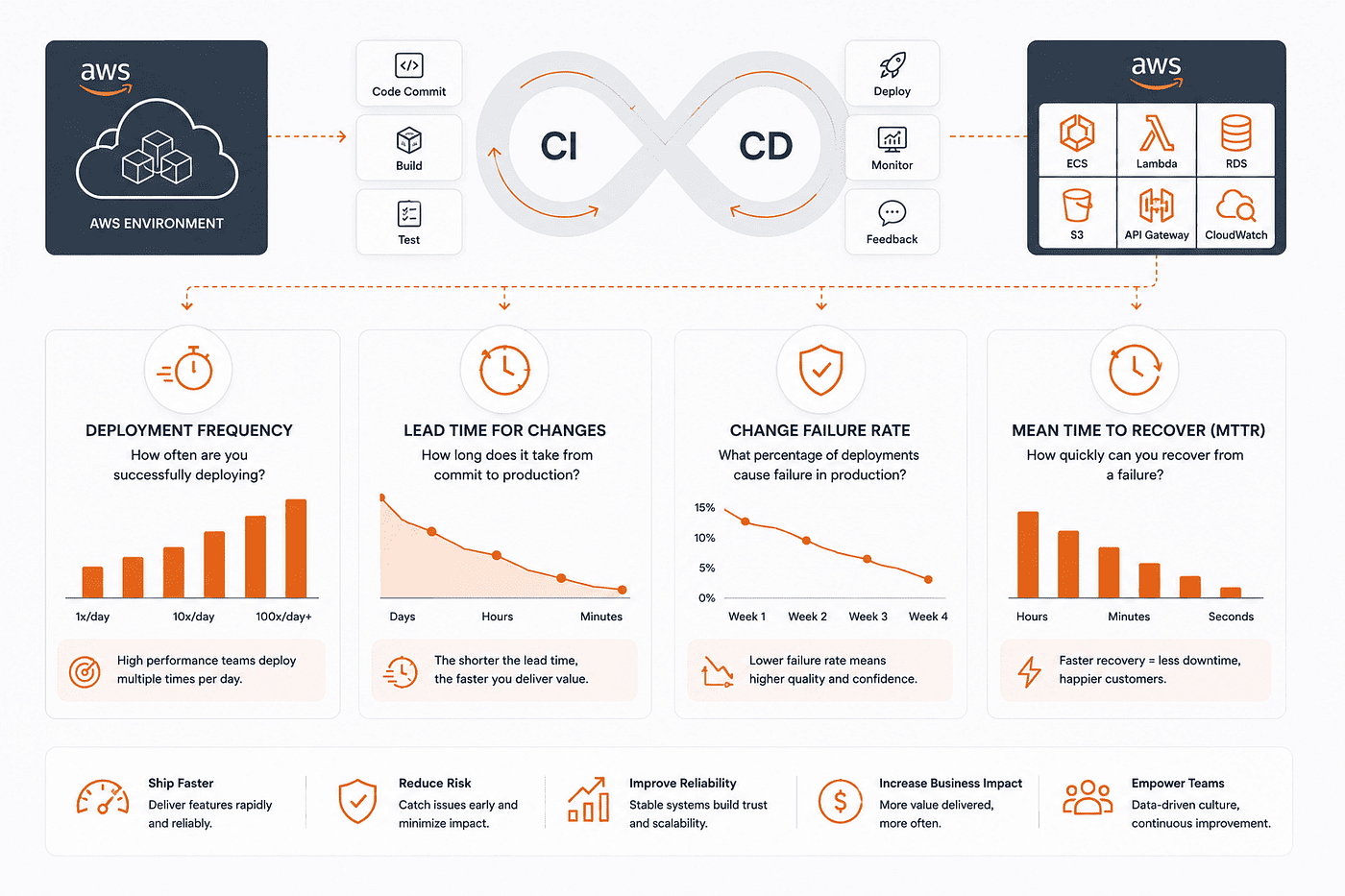
The shift sounds technical. The practical experience of it is simpler than that. When the regression suite passes now, I know it is passing against how the system currently works- not against how it worked six weeks ago. That distinction is what changed how shipping code feels.
What Deployment Confidence Actually Is
After making this change, I understood something about the calm senior developers had that I had been misreading.
It was not that they knew the codebase so well that nothing could surprise them. It was that they had built or inherited testing infrastructure they genuinely trusted. They knew what their regression suite was checking, and they knew it was checking current behavior. The confidence came from that knowledge, not from experience alone.
The anxiety I used to feel before deployments was not irrational. It was an accurate read of the situation. I had a regression suite that was partially checking a version of the system that no longer existed. Of course I was anxious. My tests were not telling me what I thought they were telling me.
When the coverage source changed, the anxiety changed with it. Not because deployments became risk-free- they never are- but because the risk became legible. I knew what my tests were validating. I could look at a deployment and make a real assessment of whether the relevant behaviors were covered rather than hoping that something I had not thought to check would not break.
That is the distinction between false confidence and genuine confidence. False confidence comes from green pipelines you have stopped questioning. Genuine confidence comes from understanding what those green pipelines are actually verifying.
The Habit Worth Building
If I were to pass one thing on to developers earlier in their careers than I was when I learned this, it is to interrogate your regression tests not just on whether they pass but on what they are actually checking.
Specifically, when did you last verify that your mock files reflect current downstream service behavior? Not when did you last update them, but when did you last confirm they are accurate? The difference between those two questions is where most regression testing confidence problems live.
The habit of keeping regression test coverage grounded in current system reality rather than historical assumptions is unglamorous. It does not show up in any metric that gets reported in planning meetings. Coverage percentages look the same whether the mocks are accurate or not.
But it is the habit that makes the difference between a deployment that feels like a coin flip and a deployment that feels like a considered decision. Between checking Slack obsessively for twenty minutes after a merge and being able to close your laptop and move on.
I did not learn this from a course or a book. I learned it from an incident that traced back to a six-week-old mock file. I would rather you learn it this way.
메타데이터
- post_id
- 2dc1bbc8a149
- slug
- the-regression-testing-habit-that-changed-how-i-think-about-shipping-code-2dc1bbc8a149
- url
- https://code.likeagirl.io/the-regression-testing-habit-that-changed-how-i-think-about-shipping-code-2dc1bbc8a149
- canonical_url
- https://code.likeagirl.io/the-regression-testing-habit-that-changed-how-i-think-about-shipping-code-2dc1bbc8a149
- author_url
- https://medium.com/@sancharini.panda
- status
- ok
- fetched_at
- 2026-07-11 17:23:42