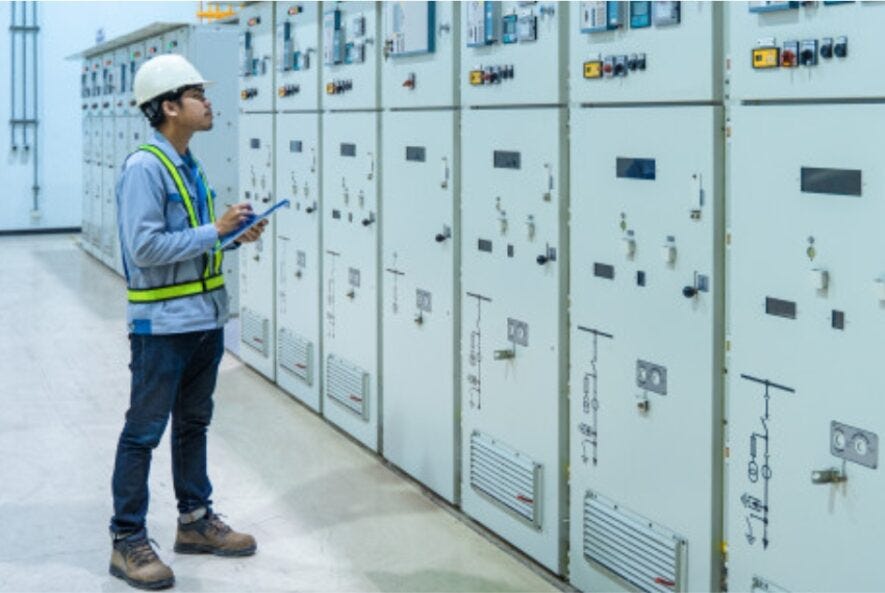
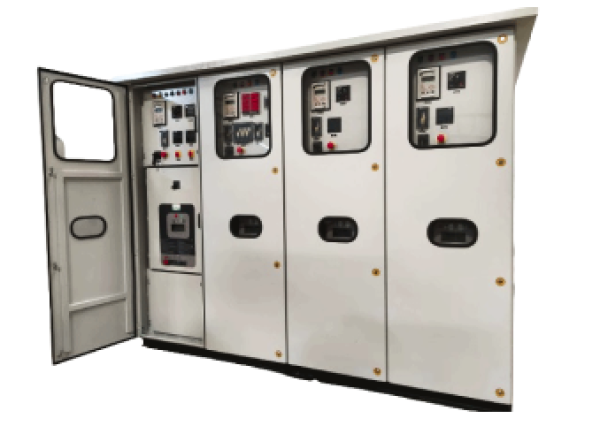
Understanding Meter Panels: The Backbone of Electrical Systems
In today’s modern world, electricity powers almost everything — from the lights in your home to the equipment in factories. At the heart…
Understanding Meter Panels: The Backbone of Electrical Systems
In today’s modern world, electricity powers almost everything — from the lights in your home to the equipment in factories. At the heart of managing and monitoring this electricity lies a crucial yet often overlooked component: the meter panel. Whether you’re a homeowner, electrician, or simply curious about how electricity flows through buildings, understanding meter panels is essential.
What is a Meter Panel?
A meter panel, also known as a meter board or meter box, is a centralized unit that houses the electric meter and often other important components like circuit breakers or fuses. Its primary role is to:
- Measure electricity usage (in kilowatt-hours or kWh)
- Distribute power safely throughout a property
- Protect circuits via fuses or breakers
- Allow utility companies to monitor and bill accurately
Key Components of a Meter Panel
- Electric Meter This is the device that tracks how much electricity you use. Modern smart meters can even communicate remotely with utility providers.
- Main Circuit Breaker Acts as a safety switch to cut off power in case of overloads or faults.
- Distribution Board Sends electricity to different parts of your building via smaller breakers or fuses.
- Neutral and Earth Bars These provide grounding to help prevent electrical shocks and damage.
Types of Meter Panels
Meter panels come in various configurations, depending on the size of the building, type of service, and regional regulations. Common types include:
- Single-phase meter panels (used in homes)
- Three-phase meter panels (used in commercial/industrial buildings)
- Prepaid meter panels
- Smart meter panels
Why Meter Panels Matter
- Safety: A properly installed panel protects your property and people from electrical faults.
- Efficiency: Smart panels can help monitor usage, detect high loads, and suggest ways to save power.
- Compliance: Electrical codes and utility regulations often require specific panel setups.
- Scalability: A well-designed panel allows future expansion, such as adding solar panels or EV chargers.
Tips for Homeowners
- Regular Inspections: Have a qualified electrician check your panel for wear, overheating, or outdated components.
- Upgrade When Needed: If your panel is over 20 years old or if you’re adding major appliances, consider an upgrade.
- Label Everything: Clearly mark which breakers control which areas — it makes troubleshooting much easier.
Contact https://synchroelectricals.com/
Final Thoughts
Though you might rarely think about it, your meter panel is the command center of your electrical system. Keeping it in good shape ensures not only efficient power usage but also the safety and reliability of your home or business.
If you’re planning renovations, installing solar power, or just want a safer setup, consulting an electrician about your meter panel is a smart move.
메타데이터
- post_id
- 2dde488cd6ce
- slug
- understanding-meter-panels-the-backbone-of-electrical-systems-2dde488cd6ce
- url
- https://medium.com/@manekd377/understanding-meter-panels-the-backbone-of-electrical-systems-2dde488cd6ce
- canonical_url
- https://medium.com/@manekd377/understanding-meter-panels-the-backbone-of-electrical-systems-2dde488cd6ce
- author_url
- https://medium.com/@manekd377
- status
- ok
- fetched_at
- 2026-07-11 22:21:18