How Refining Margins Influence Oil Markets
When people think about oil prices, they usually focus on crude oil itself. Headlines often discuss supply disruptions, OPEC decisions, or…
How Refining Margins Influence Oil Markets
When people think about oil prices, they usually focus on crude oil itself. Headlines often discuss supply disruptions, OPEC decisions, or changes in global demand. However, one of the most important factors in the energy market is something many traders overlook: refining margins.
Refining margins influence how much crude oil refineries want to process, which in turn affects demand for crude and the prices of refined products such as gasoline, diesel, and jet fuel.
Understanding refining margins provides a deeper view of how oil markets actually function.
What refining margins are
Refining margins represent the difference between the cost of crude oil and the value of the refined products produced from it.
In simple terms:
Refining Margin = Value of Refined Products − Cost of Crude Oil
If a refinery can buy crude oil for $70 per barrel and sell the resulting products for the equivalent of $90 per barrel, the refining margin is $20 per barrel before accounting for operating costs.
These margins are a key measure of refinery profitability.
Why refiners matter
Refineries sit in the middle of the oil supply chain.
The process typically looks like this:
• Crude oil is produced • Refineries purchase the crude • Crude is processed into fuels and other products • Products are sold to consumers and businesses
Because refiners are major buyers of crude oil, their profitability directly affects crude demand.
When refining margins are strong, refineries are encouraged to process more oil. When margins weaken, refinery activity may slow.
The crack spread
One of the most widely used indicators of refining margins is the crack spread.
The crack spread measures the difference between crude oil prices and the prices of refined products.
Traders often monitor: • Gasoline crack spreads • Diesel crack spreads • Heating oil crack spreads
A widening crack spread generally signals improving refinery profitability, while a narrowing spread suggests margins are under pressure.
How strong margins affect oil markets
When refining margins rise, refiners have a greater incentive to maximize production.
This often leads to: • Increased crude oil purchases • Higher refinery utilization rates • Stronger demand for crude • Potential support for crude oil prices
Strong margins can create a positive feedback loop where refiners consume more crude, tightening supply in the oil market.
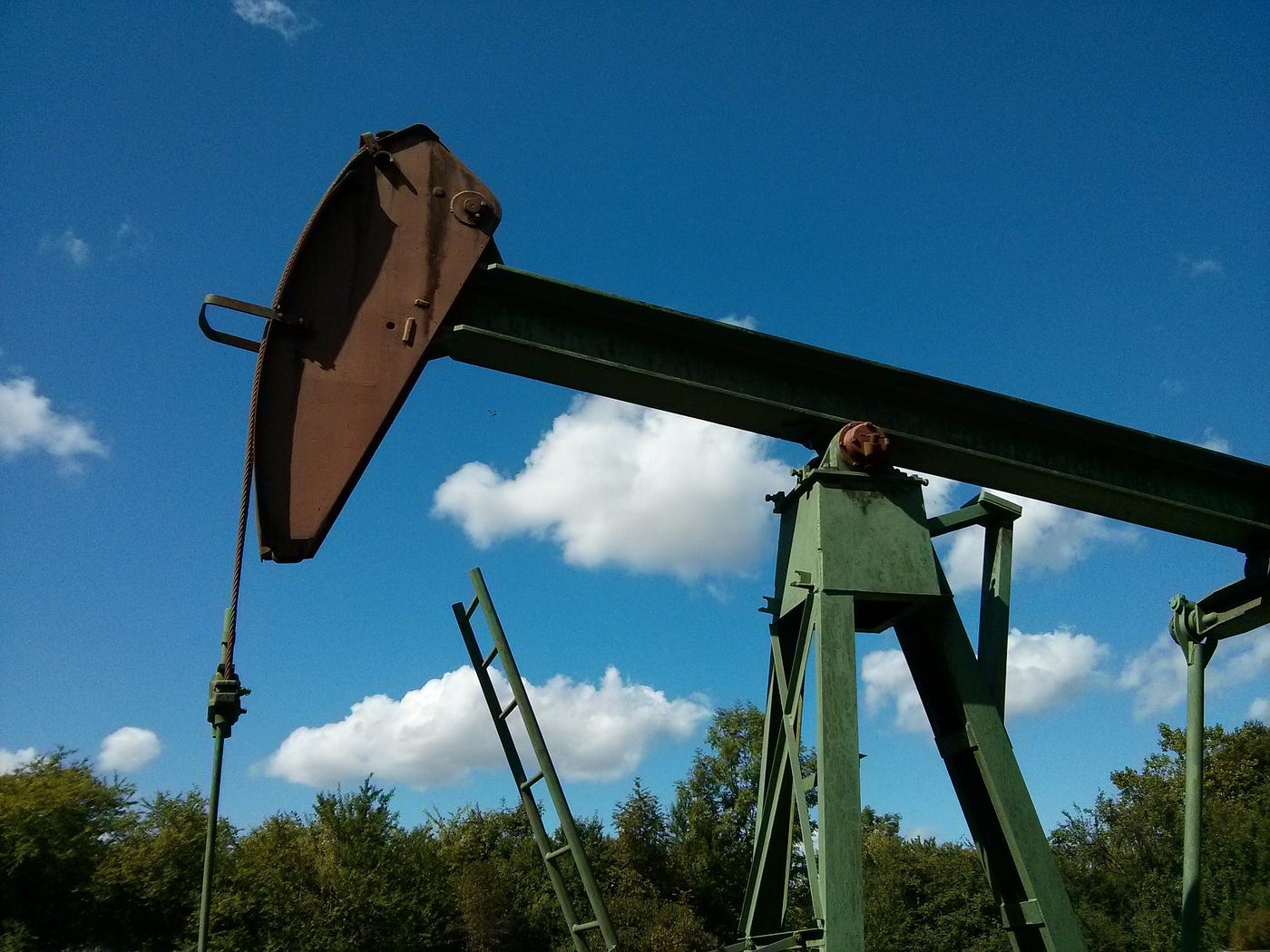
Source: Pixabay
How weak margins affect oil markets
When margins fall, refiners may reduce processing activity because producing fuel becomes less profitable.
This can result in: • Lower refinery runs • Reduced crude oil demand • Higher crude inventories • Pressure on oil prices
In extreme cases, refineries may temporarily shut down units or delay maintenance schedules to manage profitability.
Why diesel margins are closely watched
Not all refined products are equally important.
Diesel is often considered one of the most economically sensitive products because it is heavily used in: • Manufacturing • Construction • Agriculture • Freight transportation
Strong diesel margins can signal healthy industrial activity, while weak margins may indicate slowing economic demand.
For this reason, energy traders often pay close attention to diesel crack spreads.
Seasonal influences on refining margins
Refining margins frequently follow seasonal patterns.
Examples include:
• Gasoline demand typically increases during summer driving seasons • Heating fuel demand often rises during winter months • Maintenance periods can reduce refinery capacity temporarily
These seasonal shifts affect both product prices and refinery profitability.
Why refining margins sometimes matter more than crude prices
There are periods when crude oil prices remain relatively stable while refining margins move sharply.
For example: • Crude supply may be abundant • Gasoline demand may surge unexpectedly • Product prices rise faster than crude prices
In these situations, refining margins can become a more important market signal than the price of crude itself.
Many professional energy traders track product markets first and crude oil second.
What refining margins reveal about the market
Refining margins provide insight into: • Fuel demand trends • Refinery profitability • Product shortages or surpluses • Economic activity levels • Future crude oil demand
They help explain why crude prices sometimes move independently from broader economic headlines.
Final thoughts
Refining margins are one of the most important links between crude oil and the fuels consumers actually use. They determine refinery profitability, influence crude oil demand, and provide valuable clues about the health of energy markets.
For commodity traders, understanding refining margins offers a more complete picture of the oil market. While crude oil often gets the headlines, refining margins frequently reveal what is really happening beneath the surface.
메타데이터
- post_id
- 2e0db77946d8
- slug
- how-refining-margins-influence-oil-markets-2e0db77946d8
- url
- https://medium.com/@Go4Trades/how-refining-margins-influence-oil-markets-2e0db77946d8
- canonical_url
- https://medium.com/@Go4Trades/how-refining-margins-influence-oil-markets-2e0db77946d8
- author_url
- https://medium.com/@Go4Trades
- status
- ok
- fetched_at
- 2026-07-13 06:23:13