THE RISE OF LIGHT GAUGE STEEL IN EMERGING URBAN MARKETS
The construction industry is expanding rapidly beyond major metropolitan areas, with tier-2 and tier-3 cities becoming key centers of…
THE RISE OF LIGHT GAUGE STEEL IN EMERGING URBAN MARKETS

The construction industry is expanding rapidly beyond major metropolitan areas, with tier-2 and tier-3 cities becoming key centers of growth and development. As demand for residential, commercial, and industrial projects continues to rise, builders are under increasing pressure to complete projects faster, control costs, and maintain high-quality standards. In this changing environment, Light Gauge Steel (LGS) framing is emerging as a practical and innovative construction solution.
More than just an alternative building material, LGS is transforming the way projects are planned and executed in emerging markets. Its precision-engineered components, faster installation process, and reduced dependency on large skilled labor teams make it especially well-suited for regions facing workforce shortages and tight construction schedules. Developers, engineers, and project managers are increasingly recognizing the value of LGS in delivering durable, cost-effective structures without compromising quality.
As tier-2 and tier-3 cities continue to attract investment and infrastructure development, Light Gauge Steel offers a reliable path toward modern, efficient, and scalable construction. Its growing adoption reflects a broader shift toward smarter building practices that can meet the evolving needs of these rapidly developing markets.
Why Tier-2 and Tier-3 Cities Are Adopting New Construction Solutions
A New Wave of Urban Growth
As urban development expands beyond major metropolitan areas, smaller cities are experiencing a surge in infrastructure and housing demand. This rapid growth is creating a strong need for faster, smarter, and more efficient construction methods.
Tier-2 and tier-3 cities are emerging as key growth hubs across the country. Government-led development programs, smart city initiatives, and the expansion of businesses into regional markets are fueling significant construction activity. At the same time, builders face unique challenges that often make conventional construction methods less practical.
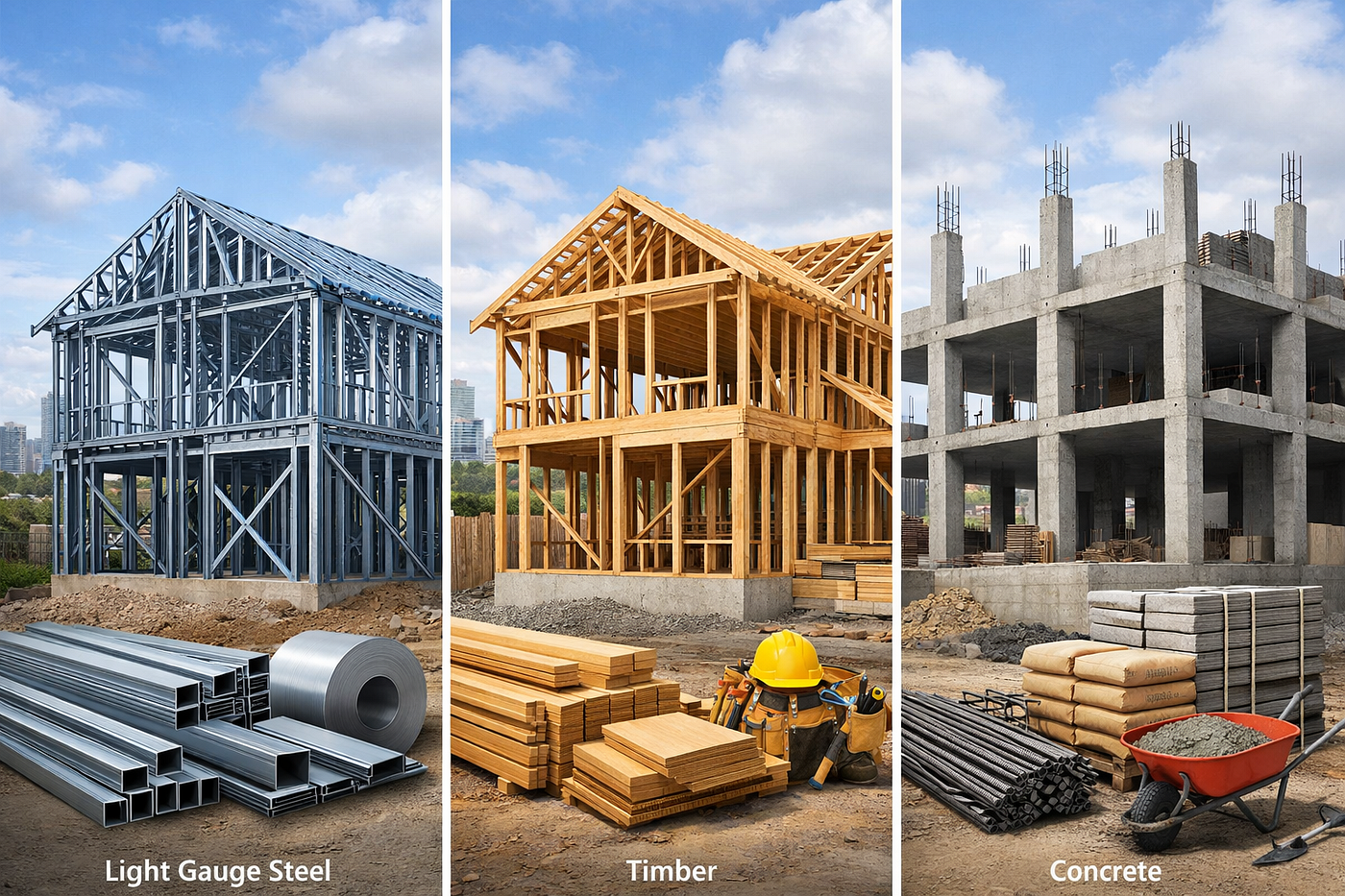
Finding skilled labor can be difficult, project deadlines are becoming shorter, and clients expect high-quality outcomes comparable to those in larger cities. Budget limitations and fluctuating material supply chains add further complexity. In this environment, light gauge steel is gaining attention as a reliable, cost-effective, and scalable construction solution.
Understanding Light Gauge Steel Framing
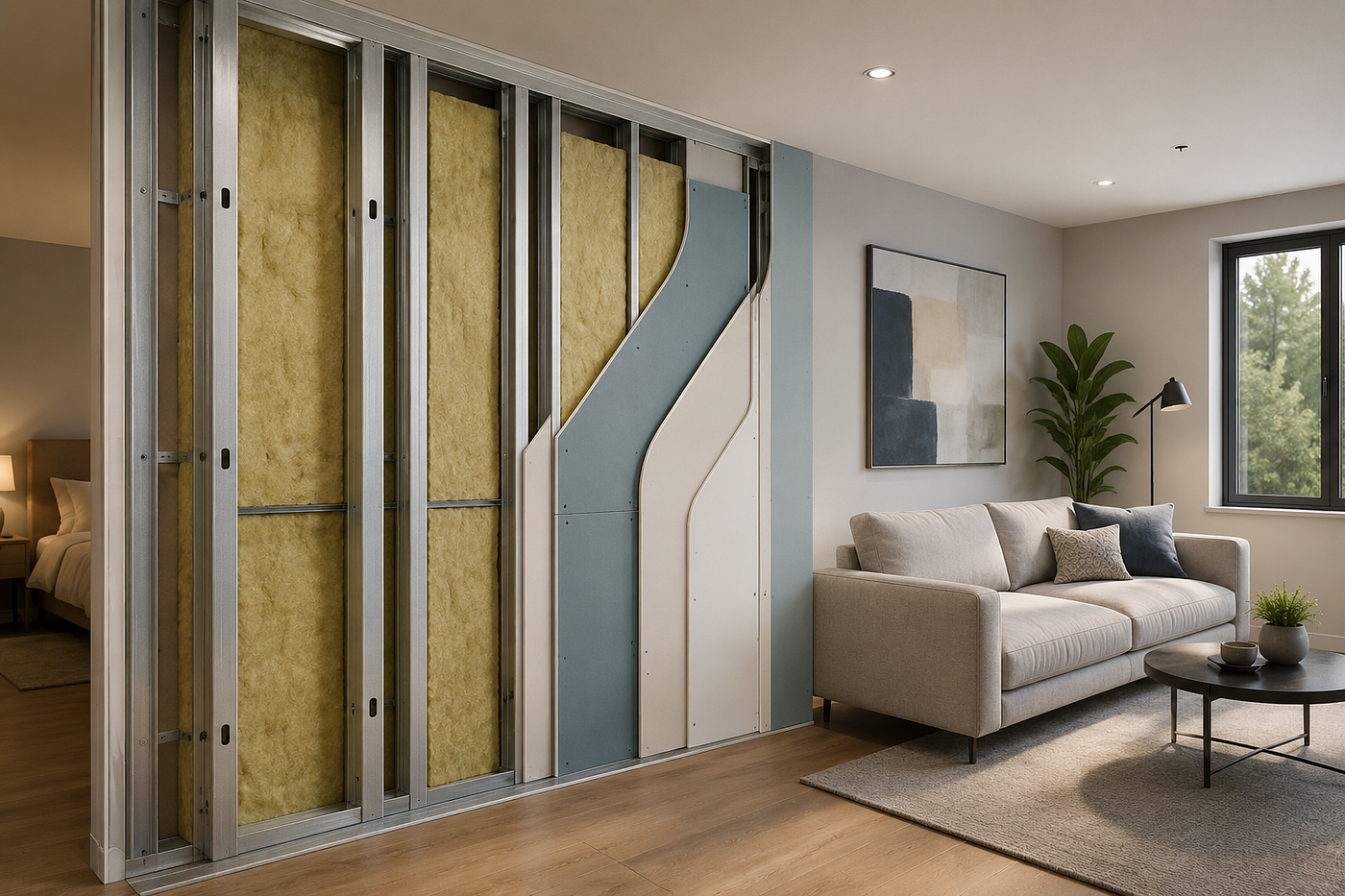
Light Gauge Steel (LGS) framing utilizes cold-formed steel sections, typically ranging from 18 to 25 gauge thickness, to create both structural and non-structural building frameworks. Unlike traditional hot-rolled steel, these components are manufactured through advanced roll-forming technology, producing lightweight, highly accurate members with exceptional strength, durability, and design flexibility.
Precision Manufacturing
Each steel component is produced to precise dimensions in a controlled factory environment, minimizing material waste, reducing on-site errors, and ensuring uniform quality throughout every stage of construction.
Faster Installation
Engineered for efficiency, LGS systems feature pre-designed connections and lightweight sections that simplify assembly. This allows smaller crews to work more productively, accelerating project timelines while lowering labor costs.
Flexible Design Solutions
Light gauge steel framing supports a wide range of construction projects, including residential developments, commercial spaces, industrial facilities, educational institutions, and multi-story buildings, offering architects and builders greater freedom in design and execution.
Why LGS Makes Sense for Emerging Markets
The advantages of Light Gauge Steel (LGS) go far beyond its structural performance. In tier-2 and tier-3 cities, these benefits create real business value by improving efficiency, reducing risks, and enhancing project outcomes.
Reduced Labor Dependency Pre-engineered LGS components are easy to assemble, allowing semi-skilled workers to become productive with minimal training. This helps overcome the persistent shortage of skilled labor that often delays traditional construction projects.
Faster Project Delivery LGS structures can be completed 30–40% faster than conventional construction. With less reliance on weather conditions and the ability to run multiple activities simultaneously, project timelines are significantly shortened.
Greater Cost Predictability Precision manufacturing minimizes material waste and reduces costly on-site errors. BIM-driven planning provides accurate quantity estimates, helping contractors maintain budget control and avoid unexpected expenses.
Consistent Quality Standards Factory-controlled production ensures superior dimensional accuracy, uniform quality, and reliable structural performance. This level of consistency is difficult to achieve with conventional, site-dependent construction methods.
The Digital Integration Advantage
One of the biggest strengths of Light Gauge Steel (LGS) construction is how seamlessly it connects with modern digital design and manufacturing processes. This integrated approach improves accuracy, reduces delays, and creates a more efficient workflow from concept to construction — especially in regions where traditional documentation practices may vary.
BIM-Powered Project Delivery
Building Information Modeling (BIM) creates a direct link between design and fabrication. Every steel component is digitally modeled with exact dimensions, connection details, and installation requirements before production begins, ensuring greater precision and consistency throughout the project.
Smarter Coordination, Fewer Errors
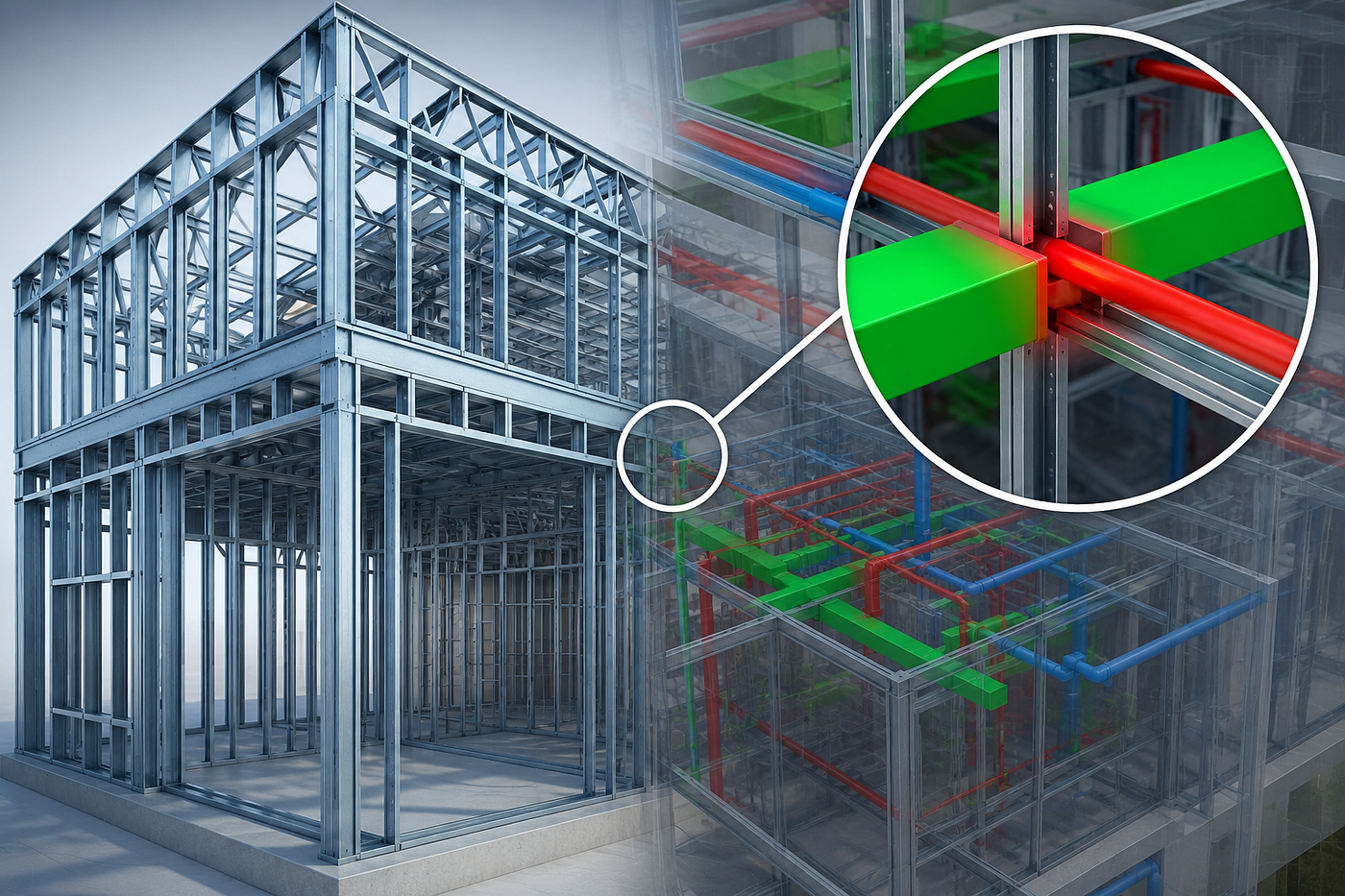
Digital coordination helps teams identify and resolve conflicts between structural, architectural, and MEP systems early in the design stage. By addressing issues before fabrication and installation, projects can avoid costly rework, minimize RFIs, and maintain smoother construction schedules.
Organizations such as Consac use advanced BIM workflows to develop detailed, data-rich models that support engineers, fabricators, and installation teams alike. These models improve collaboration and enable informed decision-making at every stage of the project lifecycle.
- Automated clash detection across multiple disciplines
- Coordinated shop drawings generated from integrated models
- Instant updates across project teams when design changes occur
- Material optimization through intelligent nesting and fabrication planning
Practical Considerations for Smooth LGS Adoption
Successfully adopting light gauge steel (LGS) requires careful planning and collaboration from the very beginning. Addressing these key factors early helps improve efficiency, reduce risks, and ensure a seamless construction process.
01. Early Engineering Collaboration
Engage structural engineers and fabrication specialists during the conceptual design stage. Early input helps optimize framing systems, connection details, and structural performance while avoiding costly revisions later.
02. Evaluate Local Partners
Review the capabilities of local fabricators, their quality assurance processes, production capacity, and delivery reliability. Choosing experienced partners with a strong track record is critical to achieving project goals.
03. Workforce Training
Provide teams with proper training on LGS installation methods, safety requirements, and quality control practices. Many manufacturers and fabricators offer training resources to support efficient project execution.
04. Verify Code Compliance
Confirm that designs comply with local building regulations and approval requirements. Engaging authorities and compliance experts early can help resolve questions related to cold-formed steel standards and prevent delays.
Real-World Application Scenarios
Residential Projects
Light Gauge Steel (LGS) is an excellent choice for multi-family housing developments. Standardized floor plans and repetitive layouts allow builders to streamline design, manufacturing, and installation, resulting in lower construction costs and faster project completion. Load-bearing steel.
walls can be erected quickly, while the non-combustible nature of steel may contribute to lower insurance expenses and improved safety.
Commercial & Industrial Projects
LGS is widely used in warehouses, retail spaces, and light industrial buildings where speed, flexibility, and structural efficiency are essential. It supports large open-span designs, handles substantial roof loads, and simplifies the integration of mechanical, electrical, and plumbing (MEP) systems. The adaptable framework also makes future expansions and modifications easier and more cost-effective.
Institutional & Hospitality Developments
Educational campuses, healthcare facilities, hotels, and hospitality projects increasingly rely on LGS systems for their speed and consistency. Faster construction schedules help reduce financing and holding costs, while precision-engineered components ensure uniform quality across multiple buildings. For developers working in emerging urban centers and growing regional markets, these advantages improve project viability, accelerate delivery timelines, and enhance overall return on investment.
The Road to Mainstream Adoption
Light gauge steel (LGS) framing presents a powerful opportunity for construction professionals across emerging markets. As tier-2 and tier-3 cities experience rapid growth, traditional building methods often struggle to keep pace with increasing demands for speed, quality, and consistency. Organizations that embrace LGS can deliver projects more efficiently while meeting the expectations of modern development.
Begin with Pilot Projects
Start with carefully selected projects to gain practical experience with LGS systems. Capture key insights, refine workflows, and build confidence across teams before expanding implementation on a larger scale.
Strengthen Digital Expertise
Invest in Building Information Modeling (BIM) and digital fabrication capabilities. These technologies help maximize the precision, efficiency, and productivity that make LGS construction a competitive advantage.
Develop Strategic Partnerships
Work closely with engineering consultants, fabricators, and technology providers who bring specialized knowledge and support. Strong partnerships can accelerate adoption and enhance project outcomes.
The future of construction in emerging markets belongs to organizations that embrace innovation and modern building practices. By combining light gauge steel with digital design and manufacturing technologies, project teams can achieve faster delivery, higher quality standards, and greater reliability in increasingly competitive environments.
메타데이터
- post_id
- 2e3bb449bd2c
- slug
- the-rise-of-light-gauge-steel-in-emerging-urban-markets-2e3bb449bd2c
- url
- https://medium.com/consights/the-rise-of-light-gauge-steel-in-emerging-urban-markets-2e3bb449bd2c
- canonical_url
- https://medium.com/consights/the-rise-of-light-gauge-steel-in-emerging-urban-markets-2e3bb449bd2c
- author_url
- https://medium.com/@srijanichatterjee21
- status
- ok
- fetched_at
- 2026-07-09 17:12:49