Sebaceous Cyst Ayurvedic Treatment: A Holistic Approach
Sebaceous cysts, benign lumps that form due to blocked sebaceous glands, can be uncomfortable and unsightly. In Ayurveda, these cysts are…
Sebaceous Cyst Ayurvedic Treatment: A Holistic Approach
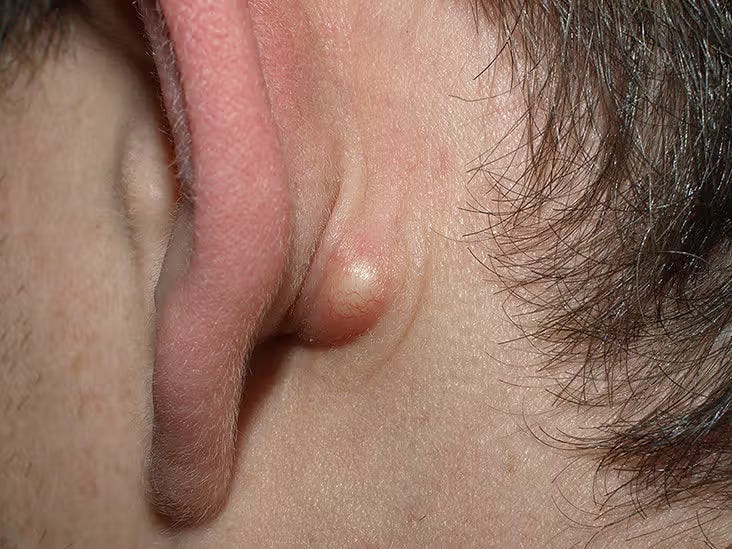
Sebaceous cysts, benign lumps that form due to blocked sebaceous glands, can be uncomfortable and unsightly. In Ayurveda, these cysts are viewed as a manifestation of imbalances in the doshas — primarily Kapha and Vata — and the accumulation of toxins (Ama) in the body. Ayurvedic treatment focuses on restoring doshic balance, detoxification, and promoting proper circulation to reduce the cyst and prevent recurrence.
Ayurvedic Perspective
From an Ayurvedic standpoint, sebaceous cysts are often considered a type of “Granthi” or localized obstruction caused by impaired metabolism and toxin buildup. Imbalances in Kapha can lead to excessive formation of oily substances, while Vata disturbances may contribute to irregular tissue formation. Correcting these imbalances through diet, lifestyle, and herbal therapies is central to the Ayurvedic approach.
Treatment Modalities
1. Internal Detoxification and Dosha Balancing
- Herbal Formulations:
- Triphala: Often used to support digestion and elimination, Triphala helps clear Ama and balance all three doshas.
- Guggulu (Commiphora mukul): Known for its anti-inflammatory and lipid-regulating properties, Guggulu can help reduce the size and discomfort associated with cysts.
- Dietary Adjustments:
- Kapha-Pacifying Diet: Emphasize light, warm, and easily digestible foods that avoid heavy, oily, and sugary items. Incorporate bitter, pungent, and astringent tastes to reduce Kapha.
- Hydration: Adequate water intake supports detoxification and proper metabolic function.
2. External Applications
- Herbal Poultices and Pastes:
- Turmeric (Haridra): With its potent anti-inflammatory and antiseptic properties, turmeric paste applied externally can help reduce inflammation and support healing.
- Neem: Known for its antimicrobial benefits, neem extracts or powders can be used as a paste to cleanse the affected area and prevent infection.
- Oil Therapies:
- Abhyanga (Therapeutic Massage): Regular massage with medicated oils (such as those infused with herbs like Ashwagandha or Bala) improves circulation, helps break down localized toxin buildup, and supports tissue repair.
3. Panchakarma and Detoxification
- Virechana (Purgation Therapy): In cases where there is significant Ama buildup, a controlled Virechana under professional supervision may be recommended to expel toxins and balance excess Kapha.
- Snehana (Oleation): Internal and external oleation therapies soften and mobilize the toxins, making them easier to eliminate from the body.
Lifestyle and Preventive Measures
- Regular Exercise: Engaging in regular physical activity supports metabolism and promotes the elimination of toxins.
- Stress Management: Practices such as yoga, meditation, and pranayama help balance Vata and Kapha doshas, reducing the likelihood of cyst formation.
- Hygiene: Keeping the affected area clean and dry can help prevent infections and promote healing.
FAQs
What causes sebaceous cysts from an Ayurvedic perspective?
Which herbs are commonly used in Ayurvedic treatment for sebaceous cysts?
Herbs like Triphala, Guggulu, Turmeric, and Neem are frequently recommended for their detoxifying, anti-inflammatory, and antimicrobial properties.
How does Panchakarma support treatment?
Panchakarma therapies, such as Virechana and Snehana, help eliminate toxins from the body, balance doshas, and improve overall metabolic function, which can reduce cyst formation.
Are dietary changes important in managing sebaceous cysts?
Yes, a Kapha-pacifying diet that avoids heavy, oily, and sugary foods while emphasizing light, easily digestible meals is crucial for maintaining balance and preventing cyst recurrence.
Can these treatments completely remove a sebaceous cyst?
References
- Lad, V. (1984). Ayurveda: The Science of Self-Healing. Lotus Press.
- Frawley, D. (1999). Ayurvedic Healing: A Comprehensive Guide. Lotus Press.
- Patwardhan, B., & Vaidya, A. D. B. (2010). “Integrative Approaches and Traditional Ayurveda.” Journal of Ayurveda and Integrative Medicine, 1(3), 135–137.
메타데이터
- post_id
- 2e7ec694837c
- slug
- sebaceous-cyst-ayurvedic-treatment-a-holistic-approach-2e7ec694837c
- url
- https://medium.com/@Dr.JakeArs/sebaceous-cyst-ayurvedic-treatment-a-holistic-approach-2e7ec694837c
- canonical_url
- https://medium.com/@Dr.JakeArs/sebaceous-cyst-ayurvedic-treatment-a-holistic-approach-2e7ec694837c
- author_url
- https://medium.com/@Dr.JakeArs
- status
- ok
- fetched_at
- 2026-06-15 20:49:13


