Microplastics in Your Home Dust: Six Simple Fixes That Make a Real Difference
Air pollution inside homes is much higher than outside because of synthetic fabrics — the good news is, there are steps you can take.
Microplastics in Your Home Dust: Six Simple Fixes That Make a Real Difference
Air pollution inside homes is much higher than outside because of synthetic fabrics — the good news is, there are steps you can take.
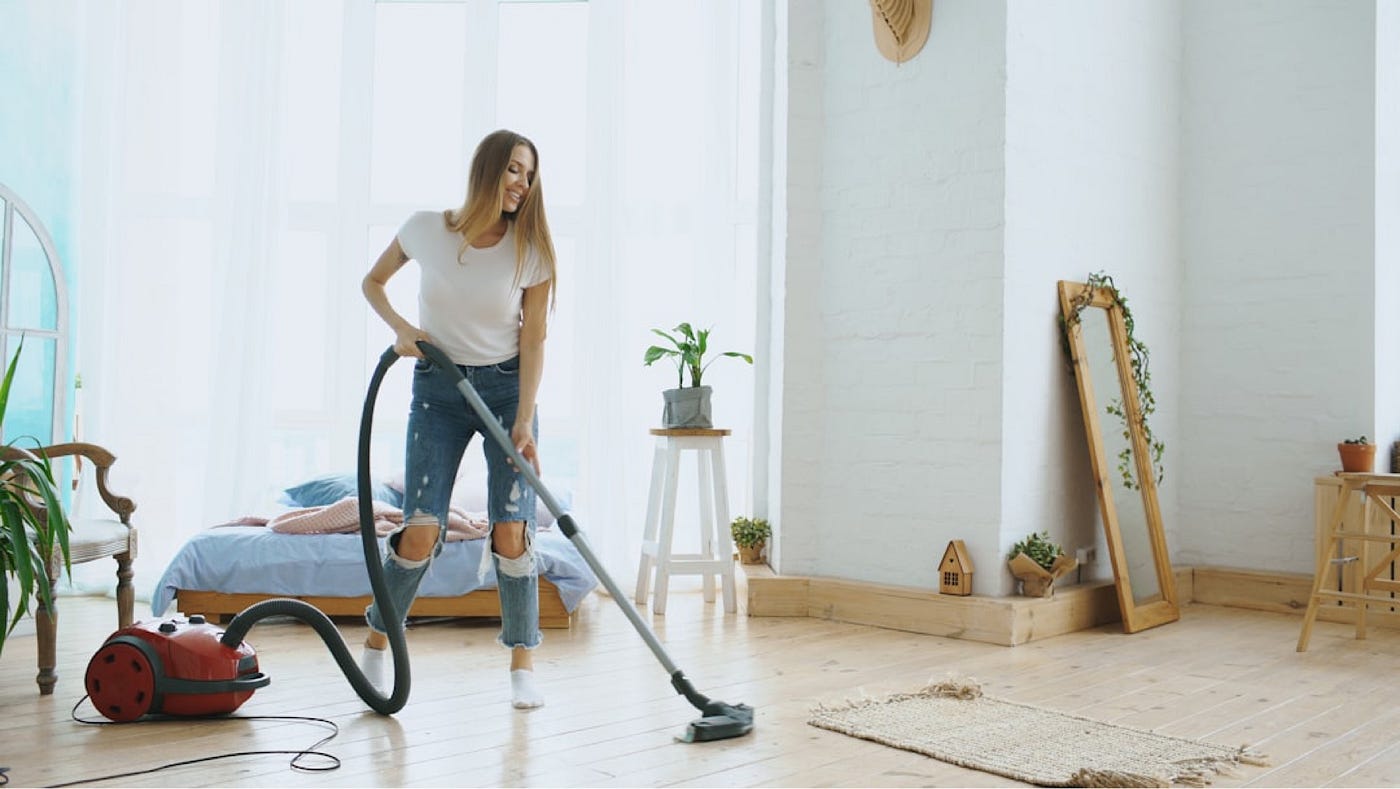
Photo by Vitaly Gariev on Unsplash
Every time I walked into my house, my nose started burning. After vacuuming the carpet for 10 minutes, I spent the next hour sneezing like I had inhaled pepper.
At some point, I started wondering: is this “dust”… or something else?
Perhaps the carpet isn’t truly beige, but rather a mix of 40% dust and mysterious particles.
What microplastics actually are (in simple terms)
If you look at the labels of everything in your house today, chances are at least some of them use plastic-made fabrics. I feel embarrassed to say that, for years, I thought microplastics only leached into food and water. But then I discovered that any home can be a plastic air container.
Your home may have higher levels of airborne microplastics than outdoor air, and we don’t notice this because we cannot see them.
Microplastics are tiny plastic fragments that break off from everyday materials. Inside homes, they come from things you already own: polyester clothing, synthetic bedding, carpets and rugs, and couches and cushions. Microplastics don’t stay locked inside those materials. They constantly escape.
Your house transforms into a low-budget indoor microplastics factory with decorative pillows.
Scientists have found that indoor air can contain significantly more microplastics than outdoor air. Some studies suggest levels inside homes may be sixty times higher than outside because synthetic fabrics, furniture, carpets, and household dust constantly shed tiny particles into the air.

Photo by Vitaly Gariev on Unsplash
The moment that really sent me spiraling was reading a study examining children’s bedrooms.
Researchers found high levels of harmful substances near the beds – including phthalates, chemicals commonly used in plastics. These compounds have been associated with reproductive and hormonal issues, including lower sperm counts and developmental problems. Researchers have already detected microplastics in human lungs, blood, and even brain tissue.
The good news? You don’t need to move into a cave and wear leaves. Nothing here is extreme. Here are small changes that reduced what I breathe daily.
Stop dry sweeping like you’re in a western movie
Sweeping with a dry broom launches dust and microplastics back into the air like you’re auditioning for a Desert Storm documentary. Dust doesn’t disappear. Dust lifts into the air and comes right back down, settling on furniture and fabrics, eventually ending up back on your floor.
Do this instead:
- Damp microfiber cloth cleaning: Adding a little water and soap helps the cloth grab onto the dust and trap it in the dirty water.
- High-efficiency particulate air (HEPA) vacuuming: Research shows HEPA filtration helps capture microscopic airborne particles—including many synthetic fibers that float in indoor air.
A study across 29 countries found that regular vacuuming lowered microplastic levels. True HEPA filters capture 99.97% of particles 0.3 microns or larger. Since most airborne microplastic particles range from 1 to 5,000 microns, a HEPA filter captures them with near-perfect efficiency.
Most vacuums have a primary bag or bin for heavy debris and a HEPA filter for finer particles. Always use the primary filter or bag to prevent clogging or damaging the HEPA fibers.
Open your windows daily: Your house needs therapy from microplastics
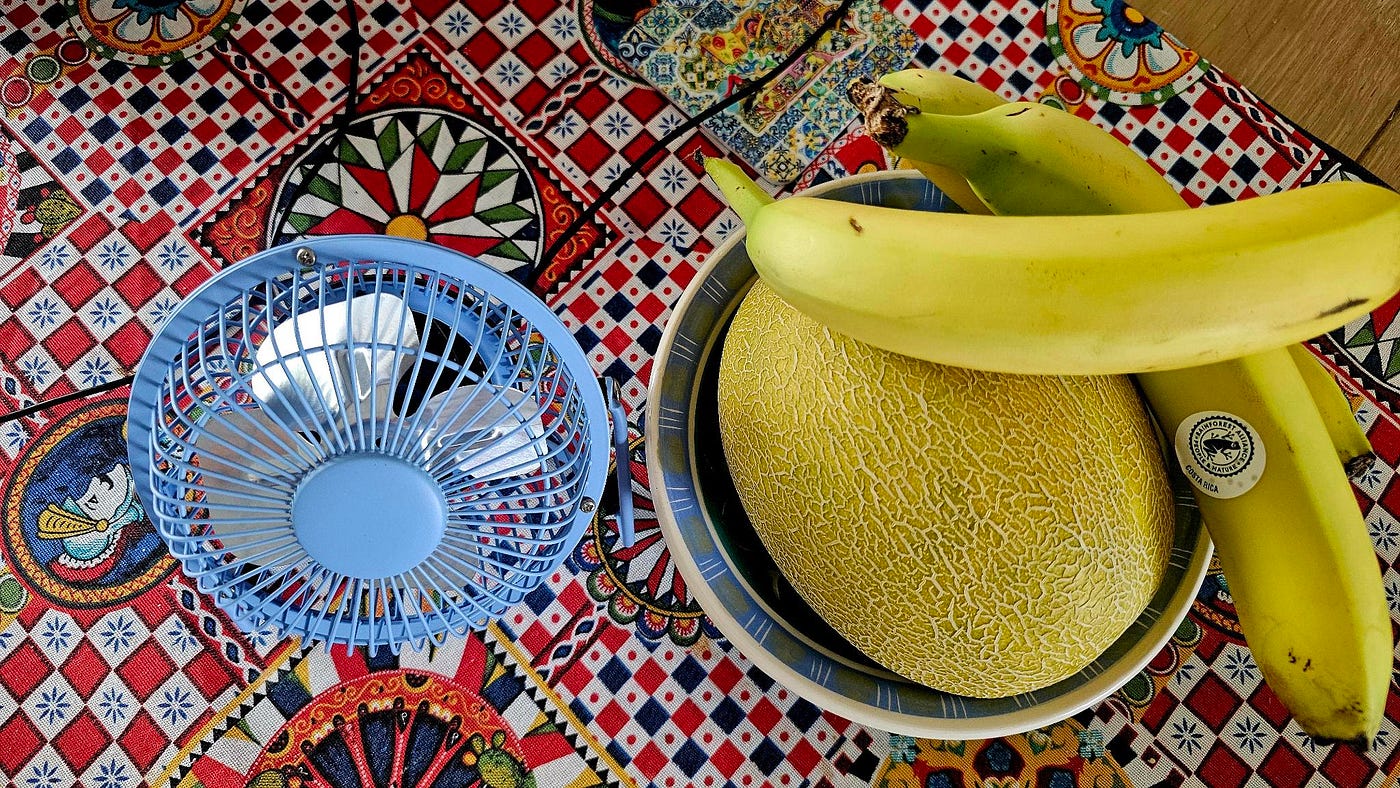
Indoor air traps pollutants. Without ventilation, microplastics and chemicals circulate endlessly like they’re stuck paying rent. Even opening windows for 15 – 30 minutes daily can reduce indoor airborne particle concentrations and improve air exchange.
Let that crisp air come in and do your natural specialty: breathe.
You and the kids need fresh air the way plants need sunlight – especially if you’re lucky enough to live near a forest or the sea, where the air comes pre-seasoned with “I made good life choices.”
A fresh home should smell like nature, not yesterday’s dust.

Photo by Laura Lauch on Unsplash
Your synthetic fabrics shed more microplastics than your dog sheds fur
Polyester fiber blankets, synthetic rugs, and fast-fashion fabrics release microfibers constantly – especially when rubbed or washed. If your couch sounds like a chip bag every time someone sits down, congratulations – you may be relaxing on petroleum-based fibers.
In contrast, natural fibers such as cotton, wool, linen, and bamboo don’t release plastic particles into our indoor environments.
Natural fabrics also age like fine wine. Cotton softens. Linen gains character. Wool stays cozy. Polyester, meanwhile, degrades into discomfort – somehow sweaty in summer and static-charged in winter. Imagine wrapping yourself in soft, breathable linen that supports rest and recovery.
Replacing synthetic fabrics with natural ones throughout the home is easier than most people think.
Start with the spaces you use every day. Swap polyester bed sheets for cotton or linen bedding to help regulate body temperature while you sleep. Replace microfiber blankets with wool throws, and choose duvet covers made from linen or organic cotton instead of synthetic blends.
In the living room, trade polyester cushion covers for cotton, linen, or wool alternatives, and opt for natural-fiber curtains that filter light while improving breathability.
Even small changes make a difference: cotton kitchen towels absorb better than synthetic ones, wool rugs are more durable than many plastic-based options. By gradually replacing worn-out synthetic items with cotton, linen, wool, hemp, or jute, you can create a healthier, more comfortable home filled with
I don’t know about you, but if I sleep on polyester sheets, I itch all night, even after taking all my magnesium supplements.
Change how you wash clothes
Did you know that washing and drying machines can create friction? This helps to loosen tiny plastic fibers from plastic-made fabrics, which end up in household dust.
Small fixes that help:
- Cold-water washing reduces thermal stress on synthetic fabrics
- Do not over-dry synthetic clothing; limiting unnecessary friction time helps reduce wear
- Empty and clean dryer filters after every cycle to reduce the buildup and release of synthetic microfibers
- Choose air-drying to minimize microfiber release indoors and reduce household exposure.
Too much heat, marathon drying cycles, a neglected old filter, and indoor drying can all increase the risk that your synthetic clothes will shed microplastics.
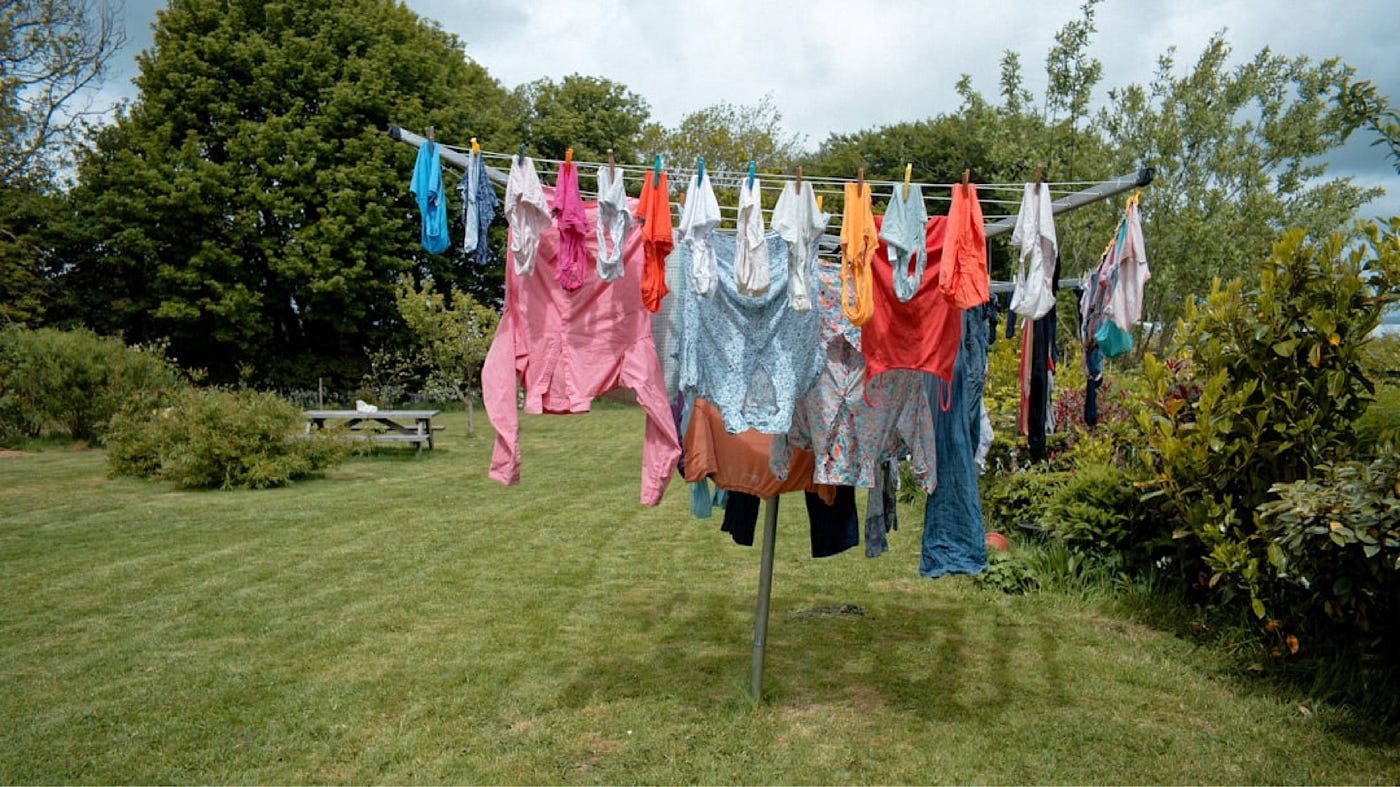
Photo by Marc Pell on Unsplash
Handmade home decor items are both artistic and protective
Many common household items are made from petroleum-based materials and plastics, which can gradually break down and release tiny plastic particles into the air and household dust. With every heat from the sunlight. With every friction.
Choosing natural, artist-made decorations and furniture is better for both the environment and human health.
Unlike factory-made items, no two handmade pieces are the same. For example, handcrafted ceramic vases can replace plastic decorative containers, while customizable solid wood or bamboo tables can last for decades and are repairable rather than disposable. Chairs made from wood, rattan, cane, or other plant-based materials bring nature into your house.
Replacing mass-produced home decorations with handmade pieces by artists adds authenticity to your home.
Handmade decorations made from natural materials, such as wood, clay, cotton, or stone, carry a unique story and reflect the artist’s creativity. Most importantly, buying from artists supports real people rather than huge corporations. Every handmade piece represents hours of skill, effort, and passion.
In the end, handmade natural decor makes homes warmer, more meaningful, and healthier.
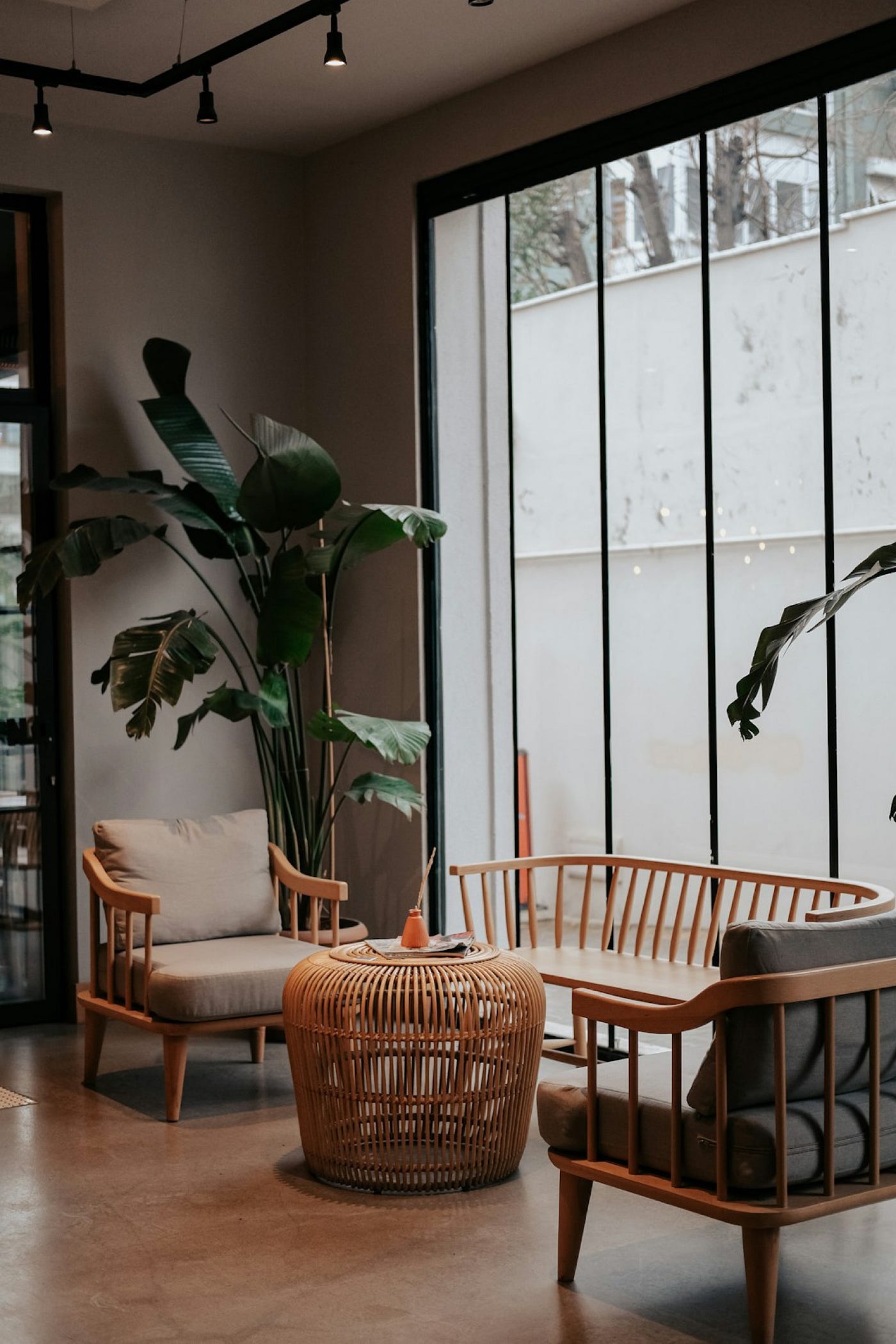
Photo by Esra Afşar on Unsplash
Scented products are fossil fuels disguised as serenity
Synthetic candles, heavily fragranced detergents, and many “self-care” products release a mix of volatile organic compounds, microplastics, and synthetic fragrances into the air. They are made from petroleum products and come with a promise.
Candles claim “mountain sunrise,” and laundry detergents fake smells like they were line-dried in a field attended by angels.
Over time, heat (from burning candles), agitation (from washing, rubbing, or pumping products), and simple wear break these materials down into microscopic fragments or help them detach as microplastic particles. Airborne or waterborne microplastics are released into your home while everything is “smelling like relaxation.”
To reduce this mismatch, switch to fragrance-free detergents, simple, locally made skincare products, and beeswax or soy candles instead of synthetic ones.
Microplastics in your home: You don’t need to move into a cave and wear leaves
You can’t eliminate microplastics from modern life. They’re already in the environment. But indoors is different because this is where exposure concentrates, particles recirculate, and time adds up. That combination matters more than most people realize.
Avoiding society entirely isn’t realistic unless your plan involves living in a remote forest and surviving on organic cucumbers you harvest from a panoramic rock.
Cleaner air doesn’t come from a single fix. What actually matters is shifting from perfection to reduction: making smarter, lower-exposure choices where they’re easy and sustainable. Awareness matters. Because the modern home – the place we think is safest – may actually be one of the biggest sources of the invisible pollutants we inhale daily.
And honestly, realizing your couch might be exfoliating itself into your lungs is a powerful motivation to clean more often.
Love your home. Love fresh air. Love nature.
With love ❤️
Hit subscribe if you’re ready for a chemist-nutritionist who serves science with a side of fun.
Disclaimer: The content of my stories reflects my professional insights and the results of scientific studies, but it’s for informational purposes only. This information does not constitute medical advice, diagnosis, or treatment. Always seek the advice of your personal physician for any questions you may have about your health.
메타데이터
- post_id
- 2e82b15f4ed3
- slug
- microplastics-in-your-home-dust-six-simple-fixes-that-make-a-real-difference-2e82b15f4ed3
- url
- https://medium.com/the-new-climate/microplastics-in-your-home-dust-six-simple-fixes-that-make-a-real-difference-2e82b15f4ed3
- canonical_url
- https://medium.com/the-new-climate/microplastics-in-your-home-dust-six-simple-fixes-that-make-a-real-difference-2e82b15f4ed3
- author_url
- https://medium.com/@leiladrouby
- status
- ok
- fetched_at
- 2026-06-28 04:42:08