What Bengali People Taught Me About Tolerance
No, I don’t hate Pakistani people.
What Bengali People Taught Me About Tolerance

Photo by Theodore Goutas on Unsplash
Growing up in the suburbs as a brown Muslim in the early 2000’s, it was rare to have more than a few, if any, Muslim kids in your class in elementary school. At least for me, it was. It was somewhat isolating to be the only one of your kind in a classroom that averaged around 25 kids. So every time another Muslim girl joined my class, I leapt at the opportunity to befriend her.
In third grade, I met Sarena*, the Bengali girl who would be my best friend for 14 years. She was sweet, bubbly, practical, and optimistic, while I was often the complete opposite. We got along like a house on fire and she was the (platonic) love of my life. Though life pushed us in different directions, I still hold a fondness for her that I’ve never been able to forget.
As a Pakistani living in America, I’ve always felt excluded from my Pakistani peers and still do; they make me feel like I am simultaneously too brown and too Americanized for them. They call me whitewashed for liking rock music, but will sneer at me for eating with my hands or trying to speak my native tongue. Meanwhile, my parents lament at my lack of Indo-Pak friends, and always made me feel like something was wrong with me for not getting along with our Desi community.
Except when it came to Bengali people. To this day, Bengali people are some of the kindest, warmest, and loving people I’ve ever met. My parents didn’t understand why I made friends with people who they considered their mortal enemies and I was too young to understand why they despised Bengali people, who have been nothing but (mostly) lovely to me.
Our cultures are quite similar; we’re both composed of majority of Muslims, we eat pretty much the same food (except that Bengalis tend to be more pescatarian than Pakistanis), and our fashion mirrors one another. And we were both colonized by the British empire. Plus, we have the most amazing desserts.
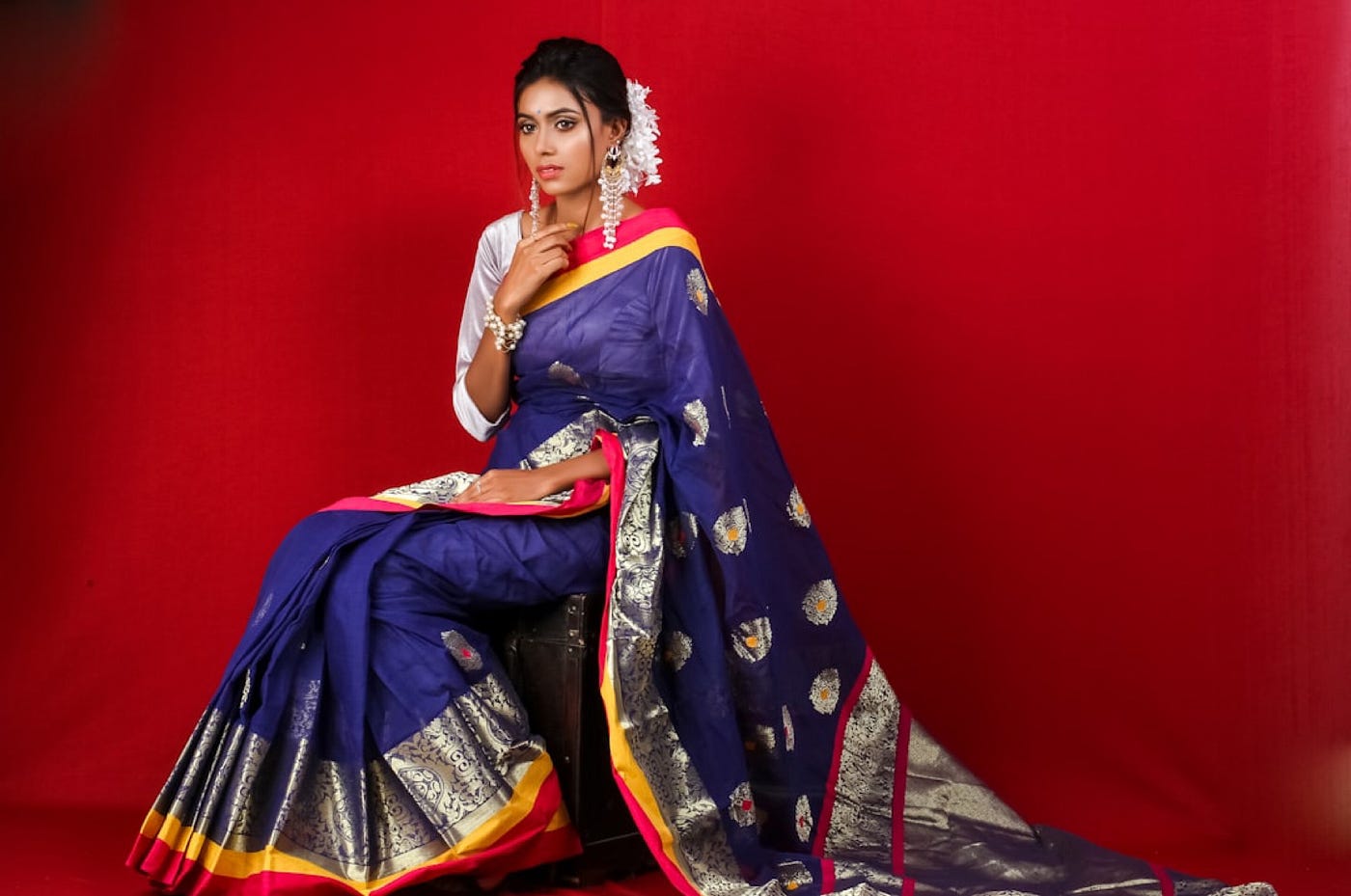
Photo by Bulbul Ahmed on Unsplash
Sarena’s parents would refer to me as their “Pakistani daughter” and never treated me differently for being Pakistani. Her mother cooked the best shrimp I’ve ever had and would speak to me in Urdu, while Sarena’s father and brother always joked with me in ways my own family never did, and tried teaching me Bangla. They’d send me home with vegetables from their home garden — chilis, squashes, mint, and tomatoes. They must’ve picked up on my rough home life and how utterly unloved and unwanted I often felt by my own family.
Among the Bengali community, I found kindness, compassion, and acceptance. I’ve never made friends so easily before. I even received marriage proposals from Bengali families, much to the dismay of my parents.

Photo by Syed Rifat Hossain on Unsplash
I’ve often wondered why Bengali people seemed so particularly kind to me, a Pakistani. In case you didn’t know, Pakistan committed genocide against Bangladesh (then known as East Pakistan) during Bangladesh’s fight for Liberation in 1971. Over three million Bengalis were massacred and many more were displaced and forced to flee to India. To this day, many Pakistanis are in denial of the atrocities committed against the people of Bangladesh and still hold animosity towards them.
Perhaps it was because I interacted with people who matured by putting their pasts and differences aside, who realized that by coming to America, us brown folks are pretty much all the same to Americans (ahem, white people).
No matter our religion, caste, or ethnicity.
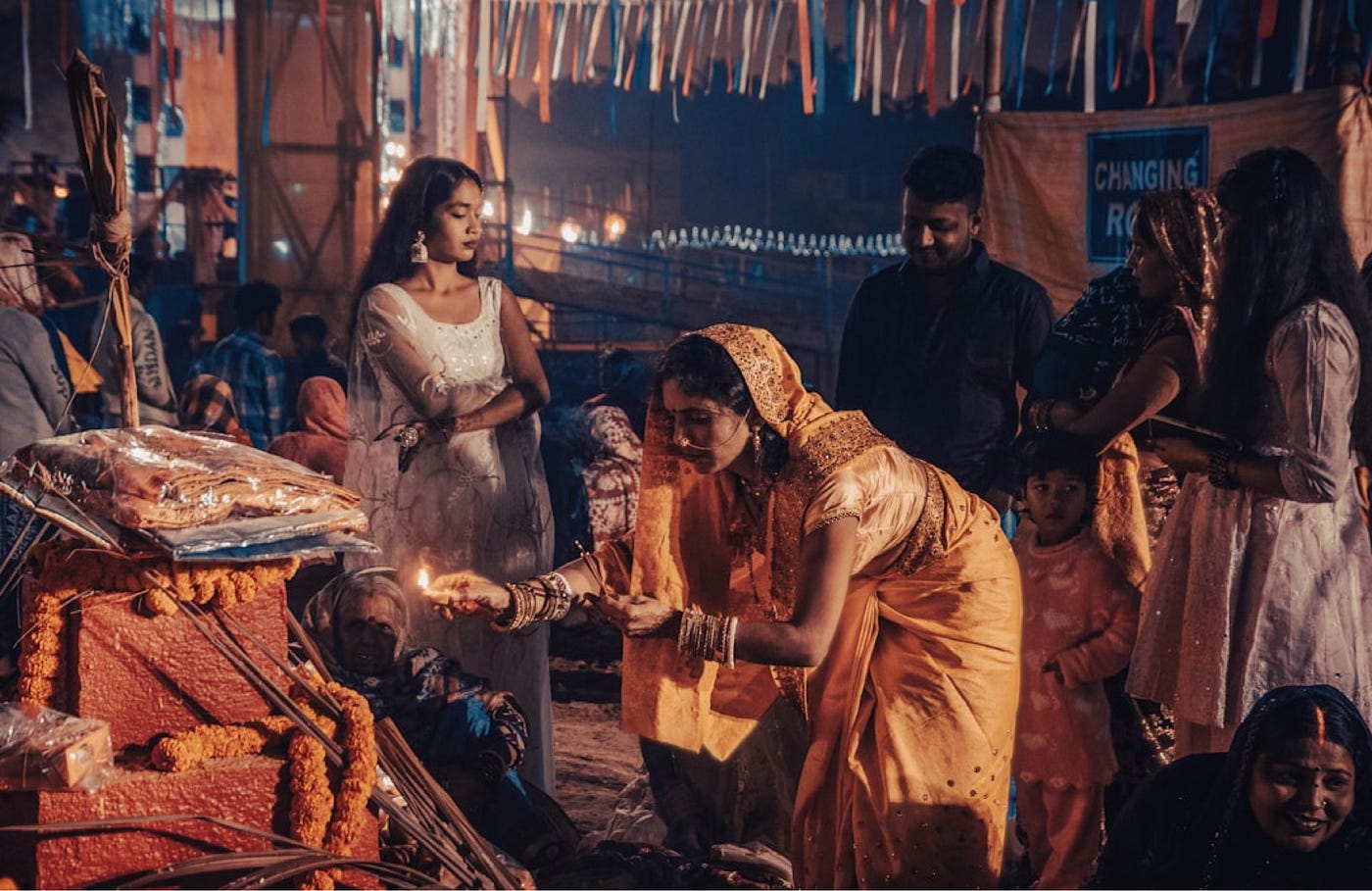
Photo by Uttarayan Saha on Unsplash
My Bengali friends and their parents had every reason to distrust me and treat me with suspicion (even though I personally have nothing to do with the war in 1971). My friends’ parents could’ve easily told their children to not make friends with me, if they wanted. In fact, the only reason Sarena’s parents allowed her to join me in Islamic school was because of her love for and friendship with me.
Altogether, they’ve taught me a valuable lesson about the beauty of tolerance and treating people as human instead of what nationality they are. They’ve taught me that nothing should get in the way of coexistence, especially when in a foreign country. We don’t move forward as a society by bringing others down, but by setting aside our differences and lifting one another up.
To this day, some of my greatest friendships, collaborations, and experiences have been with Nepalis, Indonesians, Palestinians, Somalis, Mexicans, and many more people from around the world.
Thanks for reading!
메타데이터
- post_id
- 2ec887bfc7a1
- slug
- what-bengali-people-taught-me-about-tolerance-2ec887bfc7a1
- url
- https://medium.com/@missyswhims/what-bengali-people-taught-me-about-tolerance-2ec887bfc7a1
- canonical_url
- https://medium.com/@missyswhims/what-bengali-people-taught-me-about-tolerance-2ec887bfc7a1
- author_url
- https://medium.com/@missyswhims
- status
- ok
- fetched_at
- 2026-07-11 21:35:25