Why Travelers Are Choosing Slower Vacations — and Never Going Back
For years, a successful vacation was often measured by numbers.
Why Travelers Are Choosing Slower Vacations — and Never Going Back
For years, a successful vacation was often measured by numbers.
How many places did you visit? How many attractions did you cover? How many photographs did you take? How much could you squeeze into three days?
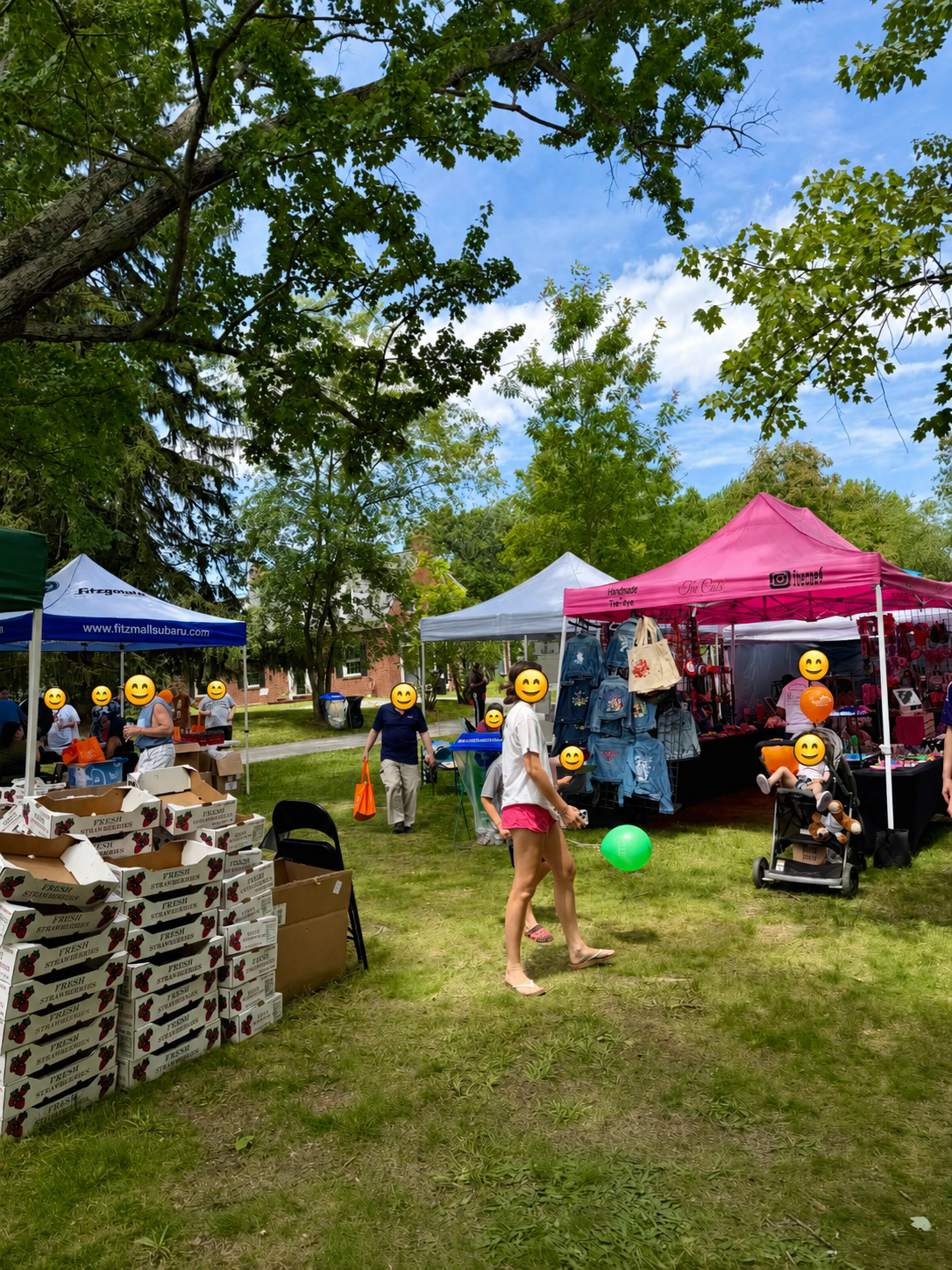
A typical holiday could easily become another schedule: wake up early, rush through breakfast, drive to the first attraction, take photographs, move to the next location, eat quickly, and repeat.
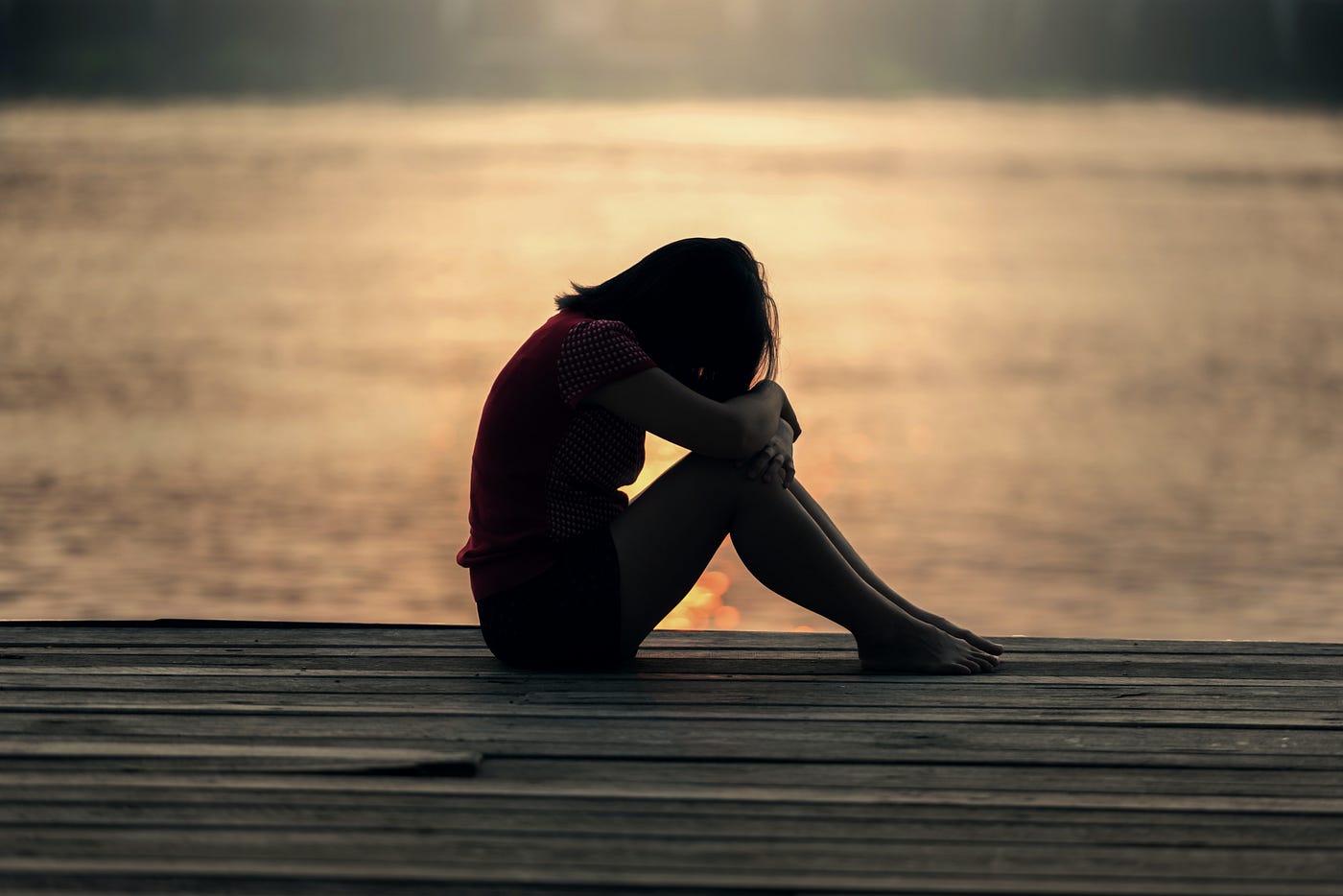
Then you return home needing a break from your break.
More travelers are beginning to question that approach. Instead of trying to see as much as possible, they are choosing to experience fewer places more deeply.
This is the idea behind slow travel.
And once you experience a destination without constantly watching the clock, traditional checklist tourism can feel surprisingly difficult to return to.
What Does “Slow Travel” Actually Mean?
Slow travel doesn’t necessarily mean taking a month-long holiday.
You can travel slowly over four days.
The difference is how you use those days.
Instead of trying to visit ten attractions, you might choose three or four experiences that genuinely interest you and leave room for everything else.
A long breakfast.
An unexpected conversation.
A walk without a destination.
A local meal that lasts longer than planned.
An afternoon when you decide not to go anywhere.
Slow travel is less about the length of a trip and more about removing the pressure to constantly accomplish something while traveling.
We Turned Vacations Into Checklists
Modern travel planning has made discovering destinations incredibly easy.
Search for almost any city or region and you’ll immediately find:
“20 Places You Must Visit”
“15 Things You Can’t Miss”
“The Ultimate 48-Hour Itinerary”
These guides can be useful. The problem begins when recommendations become obligations.
Suddenly, missing a famous viewpoint feels like you’ve somehow failed to complete your holiday.
So you wake up at 6 AM.
Drive an hour.
Wait in a queue.
Take the photograph.
Drive somewhere else.
By sunset, you’ve seen six attractions but barely remember how any of them felt.
Slow travel asks a different question:
What if you didn’t have to see everything?
Travelers Are Looking for Experiences, Not Just Attractions
Think about your most memorable trips.
You may remember the famous monument or waterfall.
But there’s a good chance you also remember something much smaller.
The roadside café you discovered accidentally.
The conversation you had with a local shopkeeper.
The rain that changed your afternoon plans.
The quiet morning outside your cottage.
The meal you didn’t recognize on the menu but ordered anyway.
Those moments are difficult to schedule.
And that’s exactly why they matter.
When every minute of a holiday is planned, there’s very little room for a destination to surprise you.
Where You Stay Is Becoming Part of the Journey
Slow travel is also changing how people think about accommodation.
Under traditional sightseeing-heavy travel, a hotel has one primary purpose: somewhere to sleep.
Leave at 7 AM. Return at 10 PM.
But when travelers slow down, accommodation becomes part of the experience.
That explains some of the appeal of plantation retreats, farm stays, heritage properties, mountain cottages and nature resorts.
Instead of asking only:
“How close is this hotel to the tourist attractions?”
travelers may also ask:
“Would I actually enjoy spending an afternoon here?”
That is a very different way to choose where you stay.
Nature Makes Slow Travel Feel Natural
Some destinations almost force you to slow down.
Coorg in Karnataka is a good example.
You can certainly create an aggressive sightseeing itinerary involving waterfalls, viewpoints, temples and other attractions.
But much of Coorg’s character exists between those places.
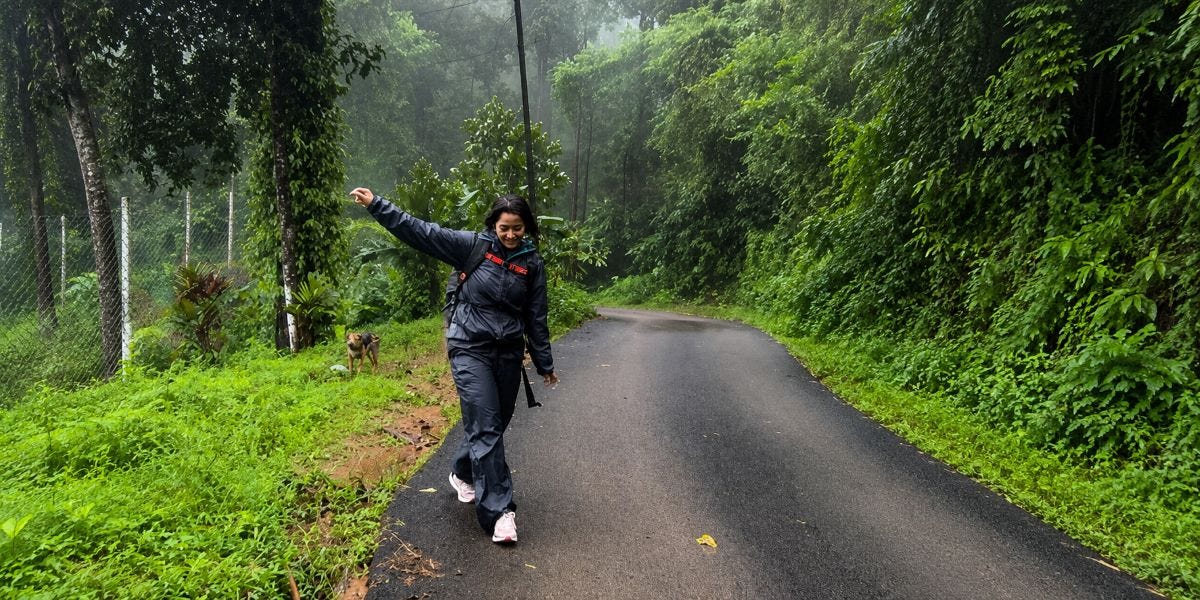
It’s in the winding roads.
The coffee plantations.
The rain moving through the trees.
The smell of wet earth during the monsoon.
The quietness of an early morning.
The cup of coffee you intended to finish in ten minutes but somehow spent an hour drinking.
Properties surrounded by these landscapes naturally complement slower trips.
For example, INIKA Resorts near Virajpet offers the kind of plantation environment where travelers don’t necessarily need to leave the property every few hours to feel connected with Coorg.
A plantation walk, a relaxed meal, time surrounded by greenery, or simply sitting outside can become part of the holiday.
And that illustrates something important about slow travel:
Sometimes doing less allows you to experience more of where you actually are.
Food Tastes Different When You’re Not Rushing
Food is another reason people become attached to slower travel.
On a tightly scheduled holiday, meals become logistical problems.
“Where can we eat quickly before the next attraction?”
Slow things down and the question changes.
“What do people actually eat here?”
That might mean trying Kodava cuisine in Coorg, spending an afternoon discovering regional dishes elsewhere, visiting a local market, or simply asking someone what they recommend.
Food becomes part of understanding the destination rather than fuel between sightseeing stops.
Slow Travel Can Also Mean Better Conversations
When you’re constantly moving, most interactions become transactional.
Ticket, please.
Taxi, please.
Coffee, please.
Bill, please.
Having more time creates space for actual conversations.
You can ask your plantation guide how coffee is grown.
You can ask a restaurant owner about a dish you’ve never tried.
You can talk to people working at your accommodation about places nearby that aren’t dominating social media.
These interactions can reveal a destination in ways that search results rarely do.
It Doesn’t Mean Doing Nothing
There’s a misconception that slow travel means sitting in a hammock for five days.
It can, if that’s what you enjoy.
But it can also involve trekking, cycling, plantation walks, photography, local sightseeing, food experiences and exploring nearby towns.
The difference is density.
Instead of:
8:00 — waterfall 10:00 — viewpoint 12:00 — temple 2:00 — plantation 4:00 — another viewpoint 6:00 — shopping
you might simply decide:
Today we’re exploring this part of the region.
That gives you freedom to stay somewhere longer because you like it.
It Can Make Short Holidays Feel Longer
This is one of the more interesting effects.
Packing more activities into a holiday doesn’t necessarily make the trip feel longer.
Sometimes the opposite happens.
Three heavily scheduled days can blur together.
But a morning plantation walk, an afternoon thunderstorm, a long dinner and an evening conversation can become four distinct memories from the same day.
When you’re paying attention rather than constantly moving, you notice more.
And perhaps that’s why slower vacations can feel surprisingly substantial even when they aren’t particularly long.
Slow Travel Isn’t for Everyone
There is nothing inherently wrong with fast travel.
If you’ve flown halfway around the world and may never return, wanting to see several major landmarks is perfectly reasonable.
Some people genuinely enjoy busy itineraries.
Others have limited vacation days and need to prioritize.
Slow travel shouldn’t become another set of rules telling people they’re traveling incorrectly.
It’s simply an alternative.
The useful question isn’t:
“Should everyone travel slowly?”
It’s:
“Would I enjoy this trip more if I stopped trying to fit everything into it?”
How to Try Slow Travel Without Changing Your Entire Vacation
You don’t need to redesign the way you travel completely.
On your next trip, try one simple experiment:
Leave half a day empty.
No attraction reservation.
No detailed route.
No list of things you need to accomplish.
Walk somewhere.
Have coffee.
Explore the area around your accommodation.
Ask someone local where they’d spend the afternoon.
Or simply stay where you are.
At first, doing nothing scheduled can feel strangely uncomfortable.
Then something interesting happens.
You start noticing where you actually are.
The Luxury of Having Nowhere Else to Be
Perhaps this is why slow travel is resonating with so many people.
Modern life is already optimized.
Calendars are full. Notifications arrive constantly. Work follows us onto our phones. Even leisure can become another productivity exercise.
A vacation doesn’t necessarily need the same treatment.
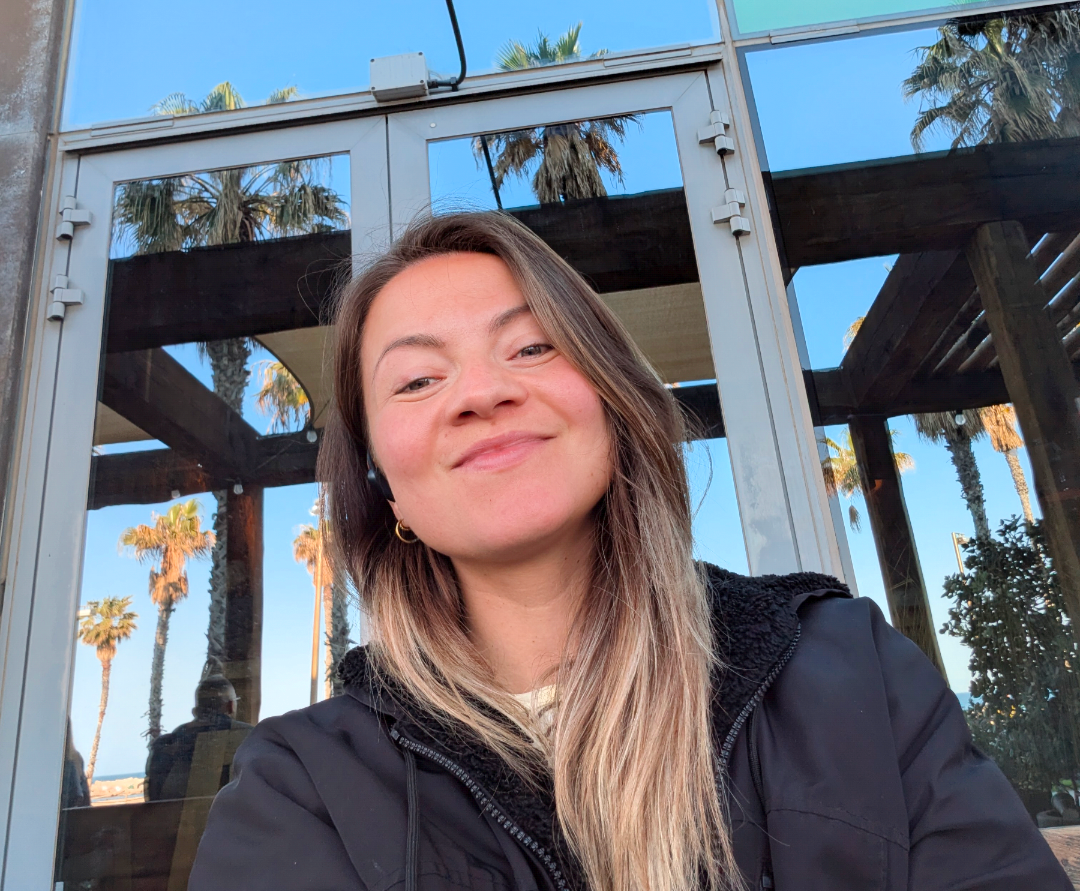
There is a particular kind of luxury in waking up and realizing you don’t have to be anywhere in 20 minutes.
You can finish your breakfast.
Take the longer road.
Stay at the waterfall a little longer.
Have another coffee.
Watch the rain.
Change your plans.
Or make none at all.
The best souvenirs from a trip aren’t always the photographs of everything you managed to see.
Sometimes they’re the moments that happened because you finally had enough time to notice them.
메타데이터
- post_id
- 2ee397b4958d
- slug
- why-travelers-are-choosing-slower-vacations-and-never-going-back-2ee397b4958d
- url
- https://medium.com/@inikaresorts/why-travelers-are-choosing-slower-vacations-and-never-going-back-2ee397b4958d
- canonical_url
- https://medium.com/@inikaresorts/why-travelers-are-choosing-slower-vacations-and-never-going-back-2ee397b4958d
- author_url
- https://medium.com/@inikaresorts
- status
- ok
- fetched_at
- 2026-08-04 10:03:31