From Molecules to energy : Understanding how Biomolecules drive metabolism
The Chemistry That Powers Life.
From Molecules to energy : Understanding how Biomolecules drive metabolism
The Chemistry That Powers Life.
Every second, inside your body, millions of chemical reactions are taking place quietly sustaining life. Whether you’re reading, breathing, or even sleeping, your cells are constantly working. At the heart of this invisible activity are biomolecules and the process known as metabolism.Let’s break this down in a simple and meaningful way.
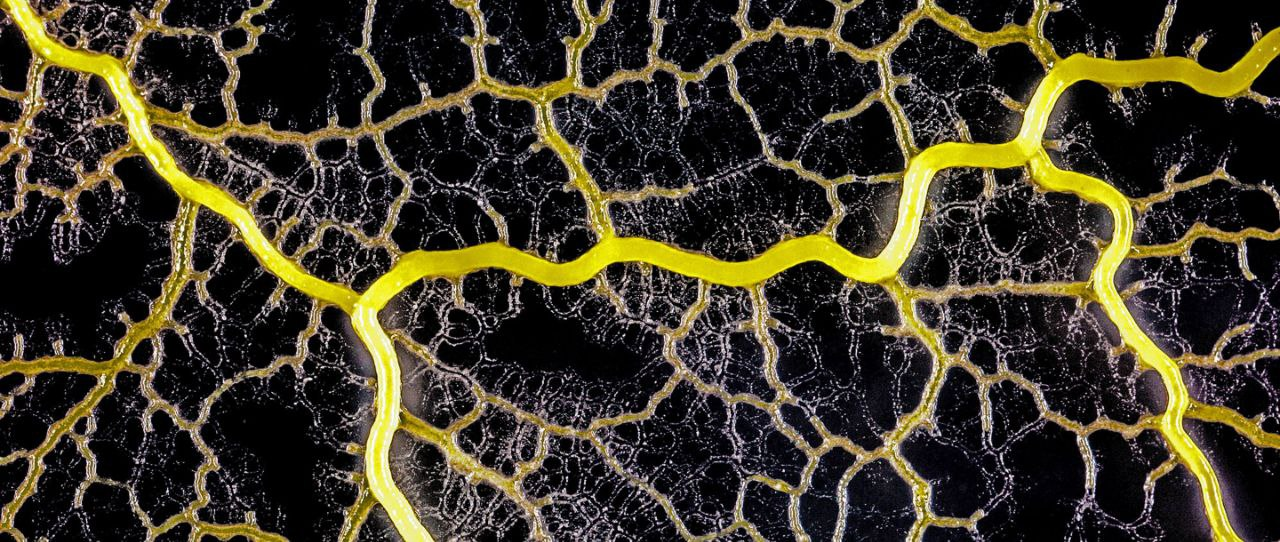
Imagine a city again but this time, not frozen.Roads are active ,Factories are producing ,Waste is being removed ,Energy is constantly used ..Nothing is still. Everything is moving, transforming, cycling. That constant movement… is metabolism.
So What Is Metabolism (Beyond Definitions)?Most textbooks say “Metabolism is all chemical reactions in the body.”That’s true — but incomplete. Here’s the deeper idea,
Metabolism is the continuous transformation of biomolecules to sustain life.
It includes Breaking molecules → to release energy, Building molecules → to create structure, Converting molecules → to adapt and respond
Two Opposite Forces That Keep You Alive,Metabolism is not one process — it’s a balance between two:
- Catabolism — Breaking Down
Breaking complex molecules → simpler ones, Releasing energy
Examples-Glucose → CO₂ + energy Fats → fatty acids → energy
- Anabolism — Building Up
Building complex molecules from simpler ones Using energy
Examples-Amino acids → proteins Nucleotides → DNA
The Balance That Defines Life: Life exists in the balance between breakdown and buildup. Too much breakdown leads to Loss, damage, starvation.Too much buildup leads to Imbalance, waste, dysfunction So Health is controlled equilibrium.
Biomolecules as Substrates in Metabolic Pathways
To really understand how metabolism works, you need to start with one key idea, every metabolic reaction begins with a biomolecule acting as a substrate. A substrate is simply the molecule upon which an enzyme acts.
In metabolism, substrates are usually carbohydrates, lipids, or proteins that enter specific biochemical pathways and are gradually transformed.
Metabolism doesn’t happen in a single step. Instead, it occurs through metabolic pathways a series of small, controlled reactions.
Each step,
Uses a specific enzyme Converts one molecule into another (called an intermediate) Moves toward a final product (like energy or a new biomolecule)
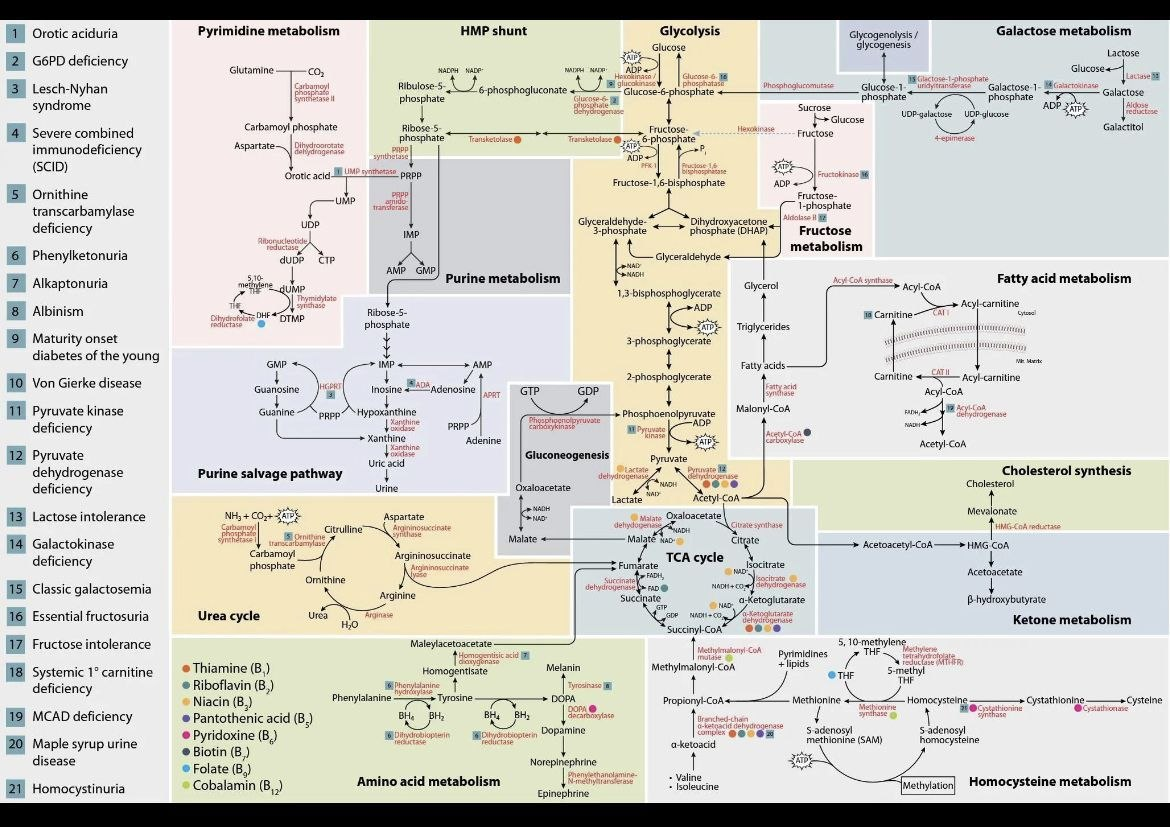
So, a biomolecule doesn’t just “get used” it is systematically broken down or modified step by step.
1. Carbohydrates as substrate Entering Metabolism
When you eat carbohydrates, they are broken down into glucose along the digestive system and glucose is observed from instestine in to cells for metobolism, which becomes a key substrate.This glucose enters a pathway called glycolysis.
Step 1:Pyruvate Oxidation(link reaction): Glucose (6-carbon molecule) enters the cell, It is acted upon by enzymes. It is split into two smaller molecules pyruvate(3c) transported in to mitochondrial matrix and converted in to Acetyl CoA(2c) releasing CO2 and producing one molecule of NADH per pyruvate.
Step 2: Krebs Cycle (Citric Acid Cycle/TCA cycle):Acetyl-CoA enters the citric acid cycle in the matrix, generating more NADH,FADH 2, and some ATP directly.
Step 3: Electron Transport Chain (ETC) & Oxidative Phosphorylation: The accumulated NADH and FADH 2 from the link reaction and Krebs cycle transport electrons to the inner mitochondrial membrane, driving ATP synthase to create the majority of cellular ATP (about 26–34 ATP per glucose).
Anaerobic Fate (Without Oxygen):If oxygen is absent, pyruvate stays in the cytoplasm and is converted to lactate (or ethanol/CO2) in yeast to regenerate (NAD+), allowing glycolysis to continue producing a net of 2 ATP.
In total, aerobic metabolism of pyruvate generated from glycolysis yields significantly higher ATP than anaerobic metabolism
Here, Substrate — Glucose, Pathway — Glycolysis, Outcome — Energy production.
Glucose is not converted in one jump it passes through multiple intermediates,Where each step carefully controlled.
2.Lipids as Substrates
Lipids are broken down into fatty acids in digestive system and Fatty acid is observed from instestine in to cells for metobolism , which serve as substrates in another pathway called β-oxidation.
Step1:Activation: Fatty acids are activated into fatty acyl-CoA in the cytosol and transported into the mitochondria, consuming 2 ATP molecules
Step2:beta -Oxidation Cycle: Inside the mitochondrial matrix, fatty acyl-CoA undergoes repeated cycles of beta -oxidation (dehydrogenation, hydration, oxidation, and cleavage).Products per cycle are Each cycle shortens the chain by two carbons, releasing one Acetyl-CoA, one NADH, and one FADH2.
Step3:Citric Acid Cycle (TCA/Krebs): Acetyl-CoA molecules produced from beta -oxidation enter the citric acid cycle, producing more NADH, FADH, and GTP (which converts to ATP).
Step4:Oxidative Phosphorylation (ETC):NADH and FADH2 from both beta- oxidation and the TCA cycle donate electrons to the Electron Transport Chain. This generates a proton gradient that drives ATP synthase to create large quantities of ATP.
ATP Yield Example(Palmitic Acid — 16 Carbons) 7 cycles of beta-oxidation produce 7 NADH+ FADH2 + 8 Acetyl-CoA. Total Output: 106 to 129 net ATP molecules, depending on calculated efficiency, making fatty acids an extremely dense energy source
Here, Substrate — fatty acids, Pathway —β-oxidation. , Outcome — Energy production.
Compared to glucose,Lipids produce more energy But require more steps and oxygen
3. Proteins as Substrates
Proteins are usually used as substrates only when needed (e.g., starvation or low carbohydrate availability).
Step1:Proteolysis: Dietary or cellular proteins are first broken down into individual amino acids by proteases in the stomach, intestine, and cells.
Step2: Deamination and Transamination: To be used for energy, the nitrogen-containing amino group NH2 must be removed. -Transamination: The amino group is typically transferred to alpha ketoglutarate, forming glutamate and a specific alpha-keto acid (the carbon skeleton). -Deamination: Glutamate is then converted into free ammonia NH3, which is toxic and converted into urea in the liver for excretion in urine. Step3: Entry into Central Metabolism: The remaining carbon skeletons (keto acids) enter the metabolic “highway” at different points based on their specific chemical structure -Pyruvate: Amino acids like alanine, glycine, and serine are converted to pyruvate, which can then be transformed into acetyl-CoA. -Acetyl-CoA: Ketogenic amino acids (e.g., leucine, lysine) are converted directly into acetyl-CoA. -TCA Cycle Intermediates: Others enter directly as intermediates like $\alpha$-ketoglutarate, succinyl-CoA, fumarate, or oxaloacetate. Step4: TCA Cycle and ETC: Once these skeletons enter the Citric Acid Cycle, they produce NADH and FADH2. Just like with fats, these cofactors go to the Electron Transport Chain (ETC) to drive the synthesis of ATP via oxidative phosphorylation.
Here, Substrate —amino acids , Pathway - deamination, Outcome —Metabolic Intermediates .
Energy Flow: From Biomolecules to ATP
Energy extraction doesn’t happen in one step. It occurs in stages, ensuring efficiency and control.
Stage 1: Breakdown of Biomolecules (Initial Catabolism): Different biomolecules enter metabolism at different points
Carbohydrates → Glucose → Glycolysis Lipids → Fatty acids → β-oxidation Proteins → Amino acids → Deamination → Intermediates
At this stage, Large molecules are broken into smaller ones, Small amounts of energy may be released, Key intermediates (like pyruvate or acetyl-CoA) are formed
Stage 2: Formation of High-Energy Intermediates
Most biomolecules are eventually converted into a central molecule Acetyl-CoA.This molecule enters a major metabolic hub Citric Acid Cycle (Krebs Cycle).Here Carbon compounds are oxidized, Energy is transferred to carrier molecules.
Stage 3: Electron Carriers Capture Energy
Instead of releasing energy all at once, metabolism stores it in electron carriers, NAD⁺ → NADH… FAD → FADH₂..These carriers hold high-energy electrons removed from biomolecules.Energy is now stored in a transferable form, not lost as heat.
Stage 4: ATP Production via Electron Transport Chain.
The high-energy electrons are passed through the electron transport chain (ETC) in mitochondria.(They are used on demand for ATP synthesis not immediately simply because they are produced)
What happens here,
Electrons move through a series of proteins Energy released is used to pump protons across a membrane This creates a gradient (stored energy) ATP is produced using this gradient
This process is called oxidative phosphorylation

Biomolecules like carbohydrates, lipids, and proteins contain chemical energy stored in their bonds. However, cells cannot use this energy directly. Instead, metabolism converts that stored energy into ATP, which can be used for Muscle contraction, Active transport across membranes, Biosynthesis (building new molecules), Nerve impulse transmission
So energy doesn’t just “release” — it flows through a controlled system.
*ATP stores energy in its high-energy phosphate bonds. When one of these bonds is broken, energy is released.*
ATP → ADP + phosphate + energy This released energy is immediately to power cellular work and released as heat. Where ADP and Phosphate is reused to make ATP

Not all biomolecules produce the same amount of ATP.
Carbohydrates- Quick and efficient energy source, Moderate ATP yield, Preferred by the body for immediate use
Lipids- Very high energy yield,Long-term energy storage,Used during fasting or prolonged exercise.Lipids produce more ATP because they have more reduced (energy-rich) bonds
Proteins- Lowest priority energy source, Used during starvation or extreme conditions, Require extra processing (deamination)
Controlled Release of Energy: A key feature of metabolism is that energy is released gradually, not explosively because it Prevents damage to cells, Maximizes ATP production, Allows regulation at each step. If all energy were released at once, it would be like a sudden explosion instead of controlled combustion.
Coupling of Reactions: Cells use a concept called energy coupling.Energy released from catabolic reactions, Is used to drive anabolic reactions.
Example, Breakdown of glucose → releases energy That energy → used to synthesize proteins or DNA
Efficiency of Energy Conversion: Not all energy from biomolecules becomes ATP. Some energy is lost as heat, This heat helps maintain body temperature. So metabolism also plays a role in thermoregulation.
This ensures no energy is wasted
So Catabolism Pathway include,
Biomolecules store energy in chemical bonds Metabolism converts this energy into ATP Energy flows through multi-step pathways Electron carriers (NADH, FADH₂) transport energy ATP is produced efficiently via the electron transport chain Different biomolecules provide different energy yields Energy release is controlled and coupled to cellular needs
Interconversion of Biomolecules
One of the most remarkable features of metabolism is its flexibility. Biomolecules are not locked into a single role your body can convert one type of biomolecule into another depending on energy needs, nutrient availability, and physiological conditions. This ability is known as interconversion of biomolecules, and it is what allows the body to maintain balance even when diet or energy demand changes.
Interconversion refers to the process by which Carbohydrates, lipids, and proteins are transformed into one another. This occurs through interconnected metabolic pathways. The body dynamically adjusts which molecules are produced or used
Instead of separate systems, metabolism functions like a highly connected network.
*Why Is Interconversion Important?:The body doesn’t always receive nutrients in the exact form it needs. Interconversion ensures that Excess nutrients are not wasted, Energy supply remains constant,Essential molecules are synthesized when required.*
It acts as a metabolic backup system
1. Conversion of Carbohydrates into Lipids (Lipogenesis)
When you consume more carbohydrates than your body needs for immediate energy Glucose is first stored as glycogen,Once glycogen stores are full, excess glucose is converted into fatty acids,These fatty acids are then stored as triglycerides (fat).
Glucose → Pyruvate → Acetyl-CoA Acetyl-CoA → Fatty acids → Lipids
This process is called lipogenesis it Provides long-term energy storage, Explains how excess sugar intake can lead to fat accumulation.
2. Conversion of Lipids into Energy and Other Molecules
Lipids are primarily used for energy production, but their components can also enter other pathways.
Breakdown process,
Triglycerides → Fatty acids + glycerol Fatty acids → Acetyl-CoA (via β-oxidation)
These products,
Enter the citric acid cycle for ATP production Can contribute to synthesis of other biomolecules
Lipids cannot be fully converted back into glucose in humans (with minor exceptions like glycerol)
3. Conversion of Proteins into Glucose (Gluconeogenesis)
When carbohydrate intake is low (e.g., fasting, starvation),Proteins are broken down into amino acids, Amino acids are converted into intermediates, These intermediates are used to produce glucose.
Gluconeogenesis (formation of new glucose),
Amino acids → Deamination (removal of amino group) Carbon skeleton → Converted into glucose
This ensures Continuous glucose supply for the brain and red blood cells
4. Conversion of Amino Acids into Lipids or Energy
Amino acids are highly versatile.Depending on the body’s needs, they can
Enter the citric acid cycle → produce ATP Be converted into fatty acids → stored as fat used to synthesize other proteins
This makes proteins a metabolic “last resort” fuel and a structural resource
5. Limited Conversion of Lipids into Carbohydrates
This is an important limitation, Fatty acids cannot be converted into glucose, Only the glycerol part of lipids can contribute to glucose formation Why?Because the conversion pathway from acetyl-CoA to glucose is not reversible in human metabolism.
The body cannot rely solely on fat to maintain blood glucose.This is why protein breakdown becomes necessary during starvation

Central Role of Metabolic Intermediates:Interconversion is possible because of shared intermediates, especially Pyruvate, Acetyl-CoA, Citric acid cycle intermediates. These molecules act as connecting points between pathways.
Physiological States and Interconversion
Interconversion changes depending on the body’s condition:
- After Eating (Fed State)- Excess glucose → stored or converted to fat, Protein synthesis increases
- Fasting-Glycogen → glucose, Fat → fatty acids (energy), Amino acids → glucose
- Starvation-Increased protein breakdown,High reliance on fat metabolism,Glucose reserved for essential tissue
Hormonal Regulation of Interconversion
The body carefully controls interconversion using hormones.
- Insulin (Fed State)-Promotes glucose uptake, Stimulates glycogen and fat synthesis, Encourages lipogenesis.
- Glucagon (Fasting State)- Stimulates glycogen breakdown, Promotes gluconeogenesis, Encourages fat breakdown
These hormones ensure the right conversion happens at the right time.
All these conversions show that metabolism is Interconnected, Adaptive, Efficient.

Role of Enzymes: The Catalysts of Metabolism
If metabolism is the network of reactions that sustains life, then enzymes are the driving force that makes those reactions possible. Without enzymes, most metabolic reactions would occur far too slowly or not at all under normal cellular conditions.
This section explores how enzymes connect biomolecules (structure) with metabolism (process) in a precise and highly regulated way.
Enzymes are biological catalysts, mostly made of proteins, that Speed up chemical reactions, Remain unchanged after the reaction, Are highly specific to their substrates
In simple terms enzymes make metabolic reactions fast, efficient, and controllable
Why Enzymes Are Essential for Metabolism?Every metabolic reaction involves breaking or forming chemical bonds. These reactions require an initial input of energy called activation energy.

Enzymes work by lowering activation energy, allowing reactions to occur, At normal body temperature (~37°C), At physiological pH, At speeds compatible with life. Without enzymes, metabolism would be too slow to sustain living cells.
How Enzymes Work: Step-by-Step Mechanism
Each enzyme has a specific region called the active site, where the reaction occurs.
-
Substrate binding- The biomolecule (substrate) binds to the enzyme’s active site
-
Enzyme–substrate complex formation- A temporary complex is formed
-
Catalysis (reaction occurs)- Bonds are broken or formed
-
Product release- The final product is released, and the enzyme is free again
Enzyme + Substrate → Enzyme–Substrate Complex → Enzyme + Product

Models of Enzyme Action
-
Lock-and-Key Model- The active site is rigid, Only a specific substrate fits exactly
-
Induced Fit Model- The active site is flexible, It changes shape to fit the substrate. More accurate model, explains Better binding, Efficient catalysis
Enzyme Specificity: Precision in Metabolism
Each substrate is recognized by a specific enzyme( Enzymes have an “active site” shaped for a particular substrate) Only the correct substrate fits .This ensures reactions happen in the correct sequence. Without this specificity Reactions would be random, Cells could not function properly
Example,An enzyme that acts on glucose will not act on fatty acids.This specificity ensures metabolism is Organized, Predictable, Efficient
Cofactors and Coenzymes: Helpers of Enzymes
Some enzymes require additional components to function Cofactors. Inorganic ions (e.g., Mg²⁺, Fe²⁺), Coenzymes- Organic molecules (often derived from vitamins) Example: NAD⁺, FAD. These assist in Electron transfer,Group transfer,Stabilizing reactions
Regulation of Enzyme Activity
The body must control enzyme activity to maintain balance (homeostasis).
-
Allosteric Regulation- Molecules bind to a site other than the active site. Changes enzyme shape and activity
-
Feedback Inhibition- End product of a pathway inhibits an earlier enzyme, Prevents overproduction
-
Covalent Modification- Enzymes are activated or deactivated by adding/removing chemical groups
-
Hormonal Control-Hormones regulate enzyme synthesis and activity Example, insulin and glucagon

Environmental Factors Affecting Enzymes-Enzymes function best under specific conditions,
- Temperature- Optimal around 37°C in humans, High temperatures → enzyme denaturation
- pH- Each enzyme has an optimal pH Example: digestive enzymes vary across the body
- Substrate Concentration- Increasing substrate increases reaction rate (up to a limit)
Enzyme Kinetics: Rate of Reaction-As substrate concentration increases the Reaction rate increases,Eventually reaches a maximum (Vmax). At this point All enzyme active sites are occupied.This explains why enzyme activity has a limit, even if substrate is abundant.
Integration: Enzymes as the Link Between Biomolecules and Metabolism
Enzymes connect everything: Biomolecules → act as substrates, Enzymes → process them,Metabolism → emerges from these reactions
Without enzymes: No controlled metabolism,No efficient energy production,No life.
Anabolism: The Constructive Side of Metabolism
Catabolism — breaks down, releases energy Anabolism — builds up, requires energy
Anabolism refers to the set of metabolic pathways that build complex molecules from simpler ones, using energy.
Anabolic reactions take Small molecules (monomers) and convert them into Large, complex biomolecules (polymers)These reactions are essential for Growth,Tissue repair,Cell division,Storage of energy
Anabolism is an energy-consuming process.The energy comes mainly from ATP……ATP=DP + Pi + energy.This energy is used to Form new chemical bonds, Drive unfavorable reactions,Assemble complex structures
Major Types of Anabolic Processes
- Protein Synthesis (Amino Acids toProteins): Amino acids are linked together by peptide bonds,Occurs in ribosomes,Directed by genetic information (DNA → RNA). Importance-Builds enzymes, hormones, structural proteins

2. Glycogenesis (Glucose to Glycogen):Excess glucose is stored as glycogen, Occurs mainly in liver and muscles. Purpose- Short-term energy storage, Maintains blood glucose balance
3. Lipogenesis (Fatty Acids to Lipids): Excess carbohydrates and proteins are converted into fats, Stored in adipose tissue. Purpose- Long-term energy storage, Insulation and protection
4. Nucleotide Synthesis (Building DNA & RNA): Simple molecules are assembled into nucleotides,Nucleotides form DNA and RNA. Essential for Cell division, Genetic information storage.
Anabolism does not work independently — it depends on catabolism.
Catabolism provides energy (ATP) Catabolism provides building blocks (intermediates) Anabolism uses both to build complex molecules
This creates a cycle of breakdown and synthesis
Regulation and Control of Metabolism

Metabolism is not just a set of chemical reactions it is a highly regulated system that adjusts continuously to the body’s needs. At any moment, your cells must decide Should energy be produced or stored? Should molecules be built or broken down? Which pathway should be active or inactive?
This precise coordination is achieved through multiple layers of metabolic regulation.If metabolic reactions were left uncontrolled Energy could be wasted, Essential molecules might be overproduced or depleted, Harmful imbalances could occur.
Regulation ensures efficiency, balance (homeostasis), and survival
Metabolism is controlled at several interconnected levels:
- Enzyme-level regulation (fast, immediate)
- Cellular-level regulation (pathway coordination)
- Hormonal regulation (whole-body control)
Each level works together to maintain stability.
1. Enzyme-Level Regulation (Immediate Control):Since enzymes drive metabolic reactions, controlling enzymes means controlling metabolism.
- Allosteric Regulation- Regulatory molecules bind to a site other than the active site, This changes the enzyme’s shape and activity.Effects- Can activate or inhibit the enzyme, Works quickly and reversibly.
- Feedback Inhibition-A classic and highly efficient mechanism. The end product of a metabolic pathway inhibits an earlier enzyme. Prevents Overproduction, Waste of energy and resources
- Covalent Modification-Enzymes can be turned on or off by adding or removing chemical groups (like phosphate).
Phosphorylation → often activates/inactivates enzymes Dephosphorylation → reverses the effect
This allows rapid and reversible control
2. Cellular-Level Regulation (Pathway Coordination)
Within a cell, multiple pathways are interconnected. Regulation ensures they don’t conflict.
- Compartmentalization-Different metabolic processes occur in specific parts of the cell.Cytoplasm → glycolysis, Mitochondria → citric acid cycle, oxidative phosphorylation.This separation Prevents interference, Increases efficiency
- Energy Status of the Cell-Cells monitor their energy levels using molecules like ATP (high energy), ADP and AMP (low energy indicators)
Low ATP → energy-producing pathways activated High ATP → energy production slows, storage pathways increase
- Substrate Availability-The presence or absence of biomolecules affects pathway activity, More substrate → increased reaction rate. Less substrate → pathway slows down
This provides a natural form of regulation
3. Hormonal Regulation (Whole-Body Control)
Hormones coordinate metabolism across different tissues and organs.
- Insulin (Fed State Hormone)-Released when blood glucose levels are high.Functions is to Promotes glucose uptake by cells,Stimulates glycogen synthesis (storage), Enhances fat synthesis (lipogenesis), Encourages protein synthesis
Overall effect is Energy storage and building
- Glucagon (Fasting State Hormone)-Released when blood glucose levels are low.Functions- Stimulates glycogen breakdown, Promotes gluconeogenesis (glucose production), Encourages fat breakdown (lipolysis)
Overall effect is Energy release and mobilization
- Other Hormones
Epinephrine (adrenaline) — rapid energy release during stress Cortisol — long-term stress response, increases glucose availability
These hormones allow the body to respond to changing conditions
Integration of Hormonal Control: Hormones often work in opposition to maintain balance, Insulin ↓ blood glucose. Glucagon ↑ blood glucose
This creates a dynamic equilibrium, not a fixed state
4. Regulation Through Gene Expression (Long-Term Control)
For longer-term adaptation, cells regulate Amount of enzymes produced, Controlled at the DNA → RNA → protein level
Example, High-fat diet → increased enzymes for fat metabolism High-carb diet → increased enzymes for carbohydrate metabolism
5. Physiological States and Metabolic Regulation
The body adjusts metabolism based on conditions,
Fed State (After Eating)-High glucose, Insulin active, Anabolism (building and storage) dominates
Fasting State- Low glucose, Glucagon active, Catabolism (breaking down) dominates
Starvation- Increased fat utilization,Protein breakdown for essential glucose, Metabolic adaptation to conserve energy
6. Coordination Between Organs
Different organs specialize in metabolic roles,
Liver -central regulator (glucose production/storage) Muscles -energy use and storage Adipose tissue -fat storage and release
Hormones coordinate these organs into a unified metabolic system
Metabolism is tightly regulated at multiple levels, Enzymes provide immediate control,Cells regulate pathways based on energy needs, Hormones coordinate metabolism across the body, Gene expression enables long-term adaptation, Regulation ensures balance, efficiency, and survival.
Metabolism in Plants: The Foundation of Life’s Energy Cycle
So far, we’ve focused on how humans and animals obtain and use energy. But plants follow a fundamentally different and incredibly important metabolic strategy. Unlike animals, plants are autotrophs, meaning they produce their own food rather than consuming it. Their metabolism forms the base of all food chains.
Photosynthesis: The Anabolic Core of Plant Metabolism

The most defining metabolic process in plants is photosynthesis, an anabolic pathway where simple inorganic molecules are converted into complex organic molecules using light energy.
Overall Reaction: 6CO2 + 6H2O + light — C6 H12 O6 + 6O2
1.here,
Carbon dioxide (CO₂) is taken from the air Water (H₂O) is absorbed from the soil Sunlight is captured by chlorophyll Glucose (C₆H₁₂O₆) is produced Oxygen (O₂) is released
This process Stores energy in chemical form (glucose), Acts as the primary source of biomolecules for almost all living organisms
2. Light Reactions and Carbon Fixation:Photosynthesis occurs in two major stages,
a. Light Reactions- Occur in chloroplasts, Light energy is converted into ATP and NADPH, Oxygen is released as a byproduct
b. Calvin Cycle (Carbon Fixation)- Uses ATP and NADPH, Converts CO₂ into glucose.
This shows, Plants perform energy capture first, then biosynthesis
3. Plant Respiration: Catabolism in Plants:Just like animals, plants also perform cellular respiration. Glucose produced in photosynthesis is broken down, ATP is generated for cellular activities
Photosynthesis -stores energy Respiration -releases energy
Plants both produce and use energy internally
4. Storage and Transport of Biomolecules in Plants
Plants manage biomolecules differently, Glucose stored as starch, Transported as sucrose through vascular tissues. This allows Energy distribution from leaves to roots, stems, and fruits
5. Unique Aspects of Plant Metabolism
Plant metabolism has some special characteristics, Can synthesize all essential biomolecules from simple inorganic substances, Produces secondary metabolites (alkaloids, pigments, oils),Adapts to environmental conditions (light, water, temperature)
These compounds also Protect plants, Contribute to medicines and nutrients for humans
Interdependence Between Plant and Animal Metabolism
Plant and animal metabolism are deeply interconnected:
Plants produce oxygen and glucose Animals consume them for energy Animals release carbon dioxide Plants use CO₂ for photosynthesis
This creates a biological cycle of matter and energy
Plants are not passive organisms they are biochemical powerhouses that convert sunlight into usable energy and biomolecules, sustaining nearly all life forms.
“While animals use energy, plants create it. Together, their metabolic processes form a continuous cycle that sustains life on Earth.”
Final Thoughts
Biomolecules and metabolism together form a beautifully coordinated system that powers life at every level.
Biomolecules provide the raw materials and structure, Metabolism transforms them into usable energy and complex molecules( Anabolism and catabolism maintain a dynamic balance), Enzymes ensure reactions are fast and precise, Regulatory systems fine-tune everything based on need
When you zoom out, metabolism is more than just chemistry it is a continuous flow of energy and matter, connecting Cells, Organs, Organisms, Even entire ecosystems (through plant metabolism)
From a single molecule of glucose to the complexity of life itself, everything is linked through metabolic processes.
메타데이터
- post_id
- 2ee5be45011e
- slug
- from-molecules-to-energy-understanding-how-biomolecules-drive-metabolism-2ee5be45011e
- url
- https://medium.com/@TheCuriousMind.com/from-molecules-to-energy-understanding-how-biomolecules-drive-metabolism-2ee5be45011e
- canonical_url
- https://medium.com/@TheCuriousMind.com/from-molecules-to-energy-understanding-how-biomolecules-drive-metabolism-2ee5be45011e
- author_url
- https://medium.com/@TheCuriousMind.com
- status
- ok
- fetched_at
- 2026-07-10 21:04:09