How Exactly Does AI Work for Patient Intake and Onboarding in Homecare
The homecare industry is experiencing a shift driven by advancements in artificial intelligence (AI).
How Exactly Does AI Work for Patient Intake and Onboarding in Homecare
The homecare industry is experiencing a shift driven by advancements in artificial intelligence (AI).
Traditionally reliant on manual processes, patient intake and onboarding are now benefiting from AI-driven technologies that enhance efficiency, accuracy, and patient satisfaction.
In this article, we’ll delve into how AI is being utilized in these critical areas, providing concrete examples and insights into the technology’s impact.
How AI Transforms Patient Intake
AI has influenced the patient intake process by automating and optimizing many of these tasks. Here’s a closer look at how AI works in different aspects of patient intake:
- Automated Data Collection and Entry
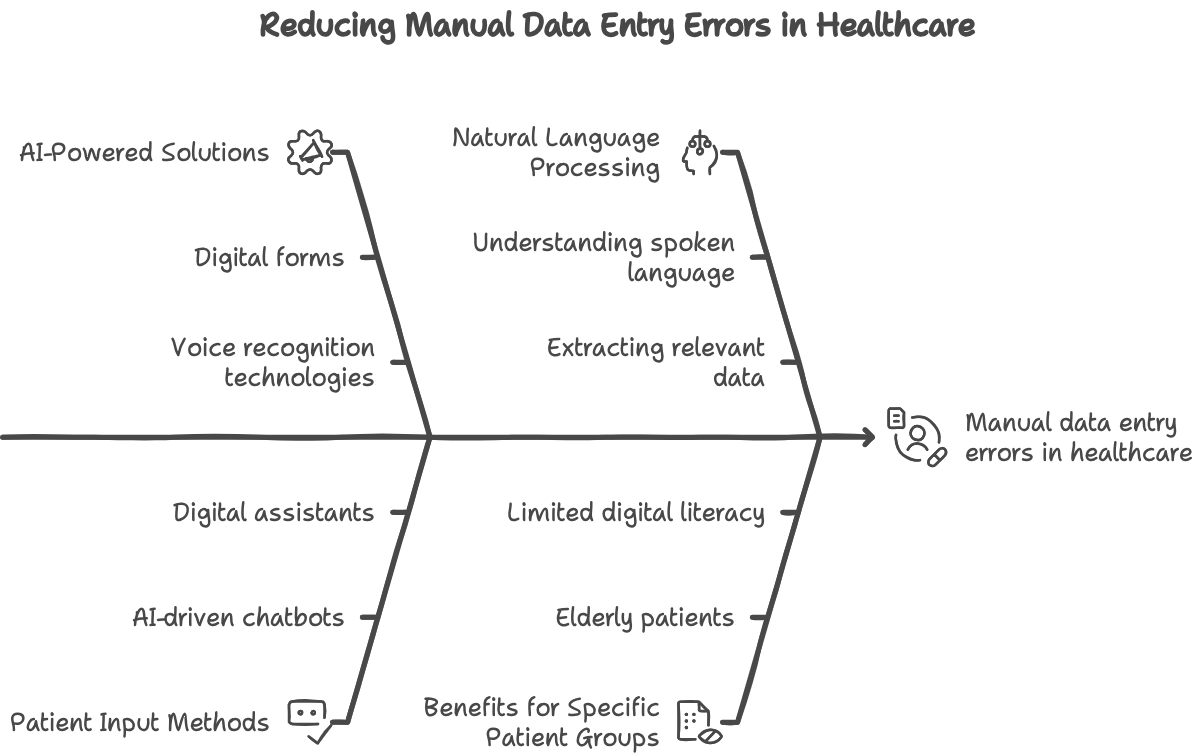
AI-powered solutions automate the collection and entry of patient data through digital forms and voice recognition technologies.
Patients or their caregivers input information through AI-driven chatbots or digital assistants, which then automatically populates the necessary fields in the electronic health records (EHR) system.
Source: Teqfocus
For example, natural language processing (NLP) algorithms enable AI systems to understand and process spoken language, allowing patients to provide information verbally.
Coming to Dreamforce 2024? Join Teqfocus for a Happy Hour with AI leaders from around the globe.
Limited Slots, kindly prebook
This is particularly beneficial for elderly patients or those with limited digital literacy. The AI can extract relevant data from the conversation and accurately input it into the system, reducing the likelihood of errors.
- Intelligent Data Verification
Once the data is collected, AI systems use machine learning algorithms to verify the accuracy of the information.

Source: Teqfocus
These algorithms can cross-reference the data against existing records, insurance databases, and other sources to ensure that all information is up-to-date and correct.
AI also flags inconsistencies or potential issues, such as discrepancies in insurance coverage or missing information, and prompt the user to correct them before moving forward.
This reduces the need for manual verification and speeds up the intake process.
- Predictive Analytics for Patient Assessment
One of the most significant advantages of AI in patient intake is its ability to perform predictive analytics. AI systems can analyze the data collected during intake to predict the patient’s care needs.
For example, machine learning models can assess risk factors, such as age, medical history, and current health status, to determine the likelihood of complications or the need for specialized care.
These predictive insights enable healthcare providers to create personalized care plans tailored to each patient’s unique needs. This not only improves the quality of care but also ensures that patients receive the appropriate level of support from the very beginning.
- Streamlined Documentation
AI-driven document processing systems can automate the generation of necessary documentation, such as consent forms, care plans, and insurance paperwork.
These systems use NLP and machine learning to extract relevant information from the patient’s data and automatically populate the required documents.
Additionally, AI can ensure that all documentation is completed accurately and in compliance with regulatory requirements, reducing the risk of errors and legal issues.
- Enhanced Communication and Coordination
AI can facilitate communication between patients, caregivers, and healthcare providers through automated messaging systems and scheduling tools.
For instance, AI-driven platforms can automatically schedule appointments, send reminders, and provide updates on the patient’s onboarding status.
Moreover, AI can help coordinate care by integrating with other systems used by different departments within a homecare agency. This ensures that all parties have access to the same information and can collaborate effectively to meet the patient’s needs.
Real-World Applications and Benefits
The implementation of AI in patient intake and onboarding has already shown promising results in the homecare industry. Here are some real-world examples and benefits:
- Reduced Administrative Burden
Homecare agencies that have adopted AI-driven intake systems report significant reductions in administrative workload. For instance, automated data entry and verification processes have decreased the time staff spend on paperwork by up to 70%. This allows caregivers and administrators to focus more on patient care rather than administrative tasks.
- Improved Patient Satisfaction
Patients benefit from a smoother, faster onboarding process. With AI handling the tedious aspects of intake, patients experience shorter wait times and fewer delays in receiving care. Additionally, AI-driven systems that allow for verbal input or digital form completion at the patient’s convenience enhance the overall patient experience.

Source: Teqfocus
- Increased Accuracy and Compliance
AI’s ability to automate data verification and document generation has led to higher accuracy rates in patient records and compliance with regulatory requirements. This minimizes the risk of errors that could lead to denied insurance claims or legal issues, ultimately protecting both the agency and the patient.
- Personalized Care Plans
By leveraging predictive analytics, homecare providers can develop more personalized and effective care plans. This not only improves patient outcomes but also increases the efficiency of care delivery, as resources are allocated based on the specific needs of each patient.
- Cost Savings
The automation of intake and onboarding processes through AI has led to cost savings for homecare agencies. With fewer manual processes and reduced administrative overhead, agencies can operate more efficiently and allocate resources more effectively, leading to overall cost reductions.
Challenges and Considerations
While the benefits of AI in patient intake and onboarding are clear, there are also challenges that homecare agencies must consider:
- Data Privacy and Security
The use of AI in handling sensitive patient information raises concerns about data privacy and security. Homecare agencies must ensure that their AI systems comply with regulations such as the Health Insurance Portability and Accountability Act (HIPAA) in the United States or the General Data Protection Regulation (GDPR) in Europe. Robust data encryption, access controls, and regular security audits are essential to protect patient data.
- Integration with Existing Systems
Integrating AI-driven intake systems with existing EHRs and other healthcare software can be complex. Agencies must work with AI vendors to ensure seamless integration, which may require custom development or extensive configuration. The success of AI implementation depends on the ability to integrate these technologies without disrupting existing workflows.
- Adoption and Training
Staff may be resistant to adopting new AI-driven systems, especially if they are accustomed to traditional processes. Training is crucial to ensure that all users understand how to use the new systems effectively. This may involve initial training sessions, ongoing support, and the development of user-friendly interfaces to ease the transition.
The Future of AI in Homecare Intake and Onboarding
The use of AI in patient intake and onboarding is still evolving, with new advancements expected to further enhance the process. Future developments may include:
- AI-Driven Virtual Assistants: More sophisticated AI-driven virtual assistants could guide patients through the entire intake process, answering questions and providing real-time support.
- Advanced Predictive Models: Continued improvement in predictive analytics could lead to even more accurate assessments of patient needs, allowing for proactive care interventions.
- Integration with Wearable Devices: AI systems may increasingly integrate with wearable devices, providing real-time health data that can inform the intake process and ongoing care planning.
Teqfocus, a Data & AI Company, will be showcasing its AI solutions for homecare at Dreamforce 2024. If you are attending, please prebook using the below for a 1:1 demo
For more on AI solutions for homecare, please read https://www.teqfocus.com/teqnextai/homecare/
메타데이터
- post_id
- 2f5a74367ea0
- slug
- how-exactly-does-ai-work-for-patient-intake-and-onboarding-in-homecare-2f5a74367ea0
- url
- https://medium.com/@askrohitpandi/how-exactly-does-ai-work-for-patient-intake-and-onboarding-in-homecare-2f5a74367ea0
- canonical_url
- https://medium.com/@askrohitpandi/how-exactly-does-ai-work-for-patient-intake-and-onboarding-in-homecare-2f5a74367ea0
- author_url
- https://medium.com/@askrohitpandi
- status
- ok
- fetched_at
- 2026-06-15 20:49:13




