Beyond the Green Checkmark: Engineering Resilience Through Advanced Load, Security, and Behavioral…
In the early stages of our Excel Generator project, we lived by a single metric: Code Coverage. We watched with pride as our unit test…
Beyond the Green Checkmark: Engineering Resilience Through Advanced Load, Security, and Behavioral Testing
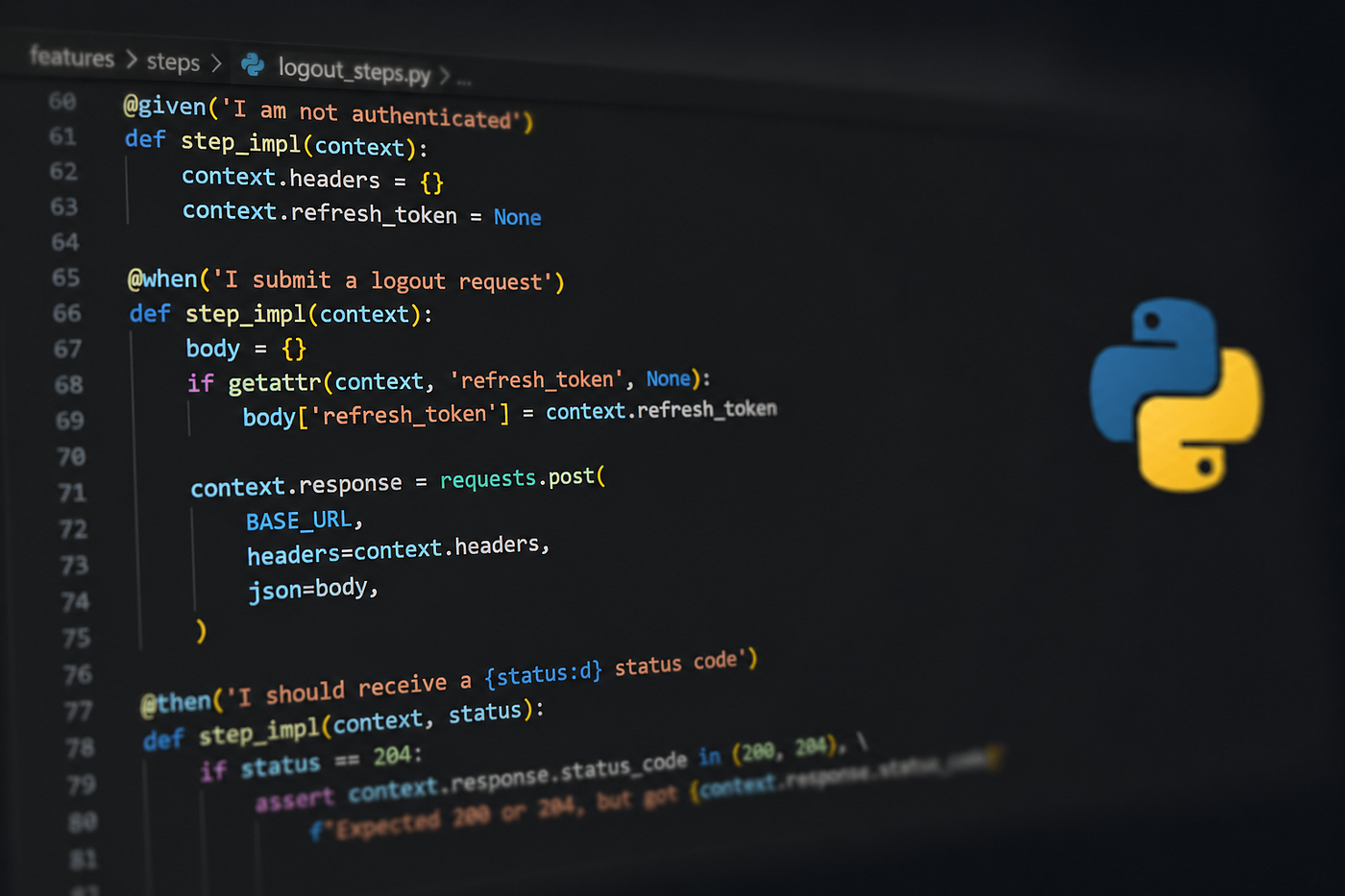
A snippet of my behavioral testing code
In the early stages of our Excel Generator project, we lived by a single metric: Code Coverage. We watched with pride as our unit test suites grew, eventually surpassing the 90% mark. Our CI/CD pipelines were a sea of green, and we felt a sense of “mission accomplished.”
However, as we prepared for a wider rollout, we were forced to confront a sobering reality: High coverage is often an illusion of quality, not a guarantee of it.
Unit tests verify logic in isolation. They don’t tell us how the system behaves when ten users register simultaneously. They don’t tell us if a malicious script can overwhelm our server. They don’t even guarantee that our application layer is correctly communicating with our database in a real-world session. To bridge this gap, we transitioned from basic verification to advanced Software Quality Assurance, utilizing Load Testing, Security Testing, and Behavior-Driven Development (BDD).
The Myth of “Pass” vs. the Reality of Performance
In contemporary software engineering, performance is no longer a “non-functional” requirement but a core quality attribute. According to the ISO/IEC 25010:2023 standard for system and software quality, “Performance Efficiency” is a critical pilar that must be validated through rigorous time-behavior and resource utilization testing.
Our previous testing phase completely ignored these Quality Attributes. To fix this, we integrated k6 into our workflow. We faced an immediate hurdle: our registration endpoint triggers a third-party email provider. Running a massive load test would exhaust our API quota in seconds.
The Strategy: Isolation & Validation Load
Then, I implemented an Isolation Testing strategy. By deliberately sending high volumes of invalid email payloads, I forced the Django REST Framework (DRF) serializer to process the load while stopping the request before it reached the external service. This allowed the program to measure the raw computational efficiency of our validation layer.
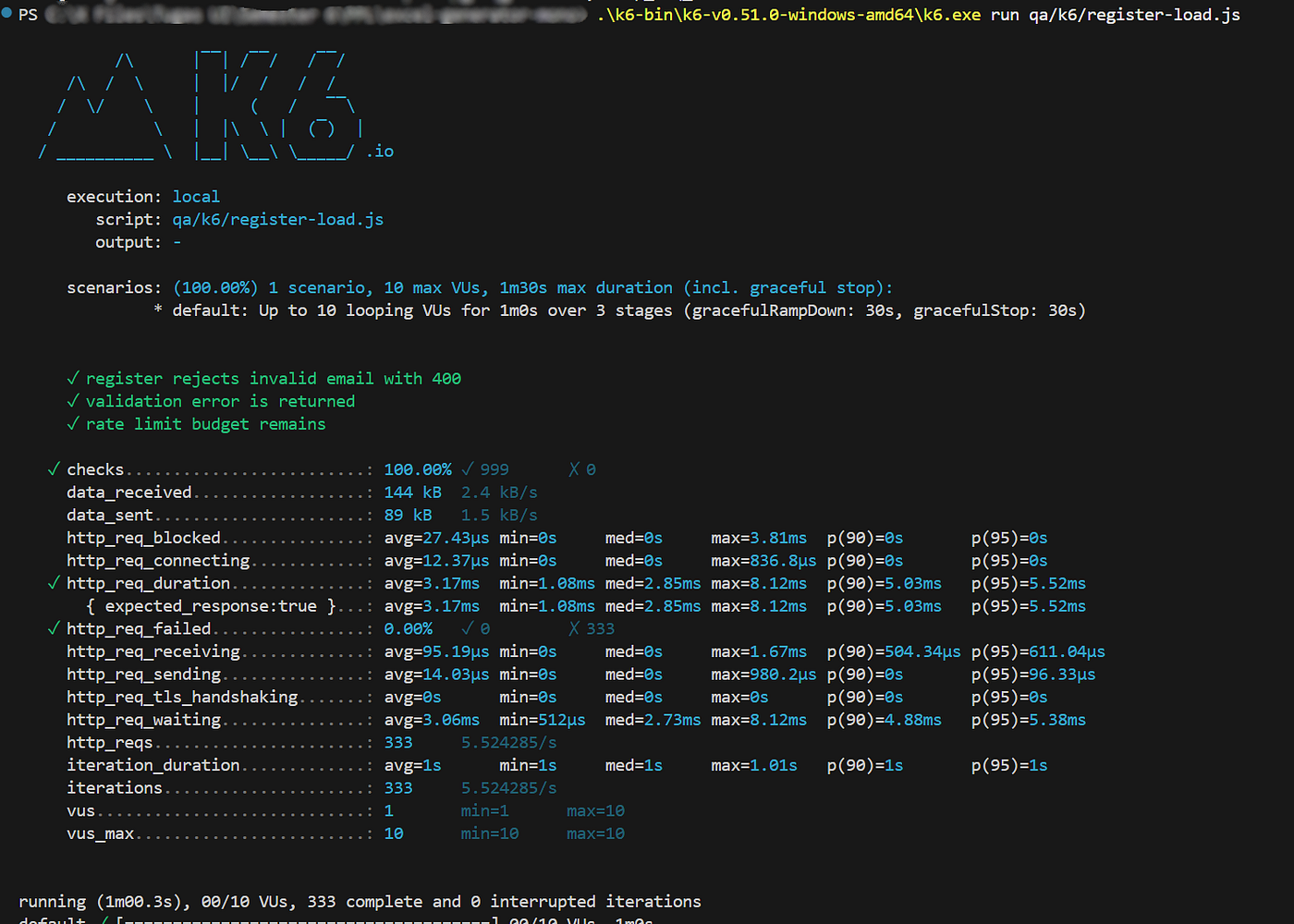
Performance as a requirement: k6 results demonstrating a 100% check pass rate and a p(95) latency of 5.52ms, significantly outperforming our 800ms threshold.

Running at the speed of light: Our serializer handling requests in under 6ms.
As shown in the data above, the system handled 333 iterations with a p(95) response time of 5.52ms. Per the Grafana k6 Documentation (2026), setting these thresholds allows us to automate the “Quality Gate,” ensuring that any future code change that degrades performance below these levels will automatically fail the build.
Security & Rate-Limit Enforcement
While our unit tests verified that a user could register, they didn’t verify that a user couldn’t abuse the registration system. The OWASP Web Security Testing Guide (WSTG) v4.2 (2020) identifies “Abuse of Functionality” as a high-risk vulnerability for authentication endpoints.
We had configured a rate-limit of 60 requests per minute, but configuration without verification is just a guess. We utilized k6 to simulate a “Burst Attack” from a single IP address.
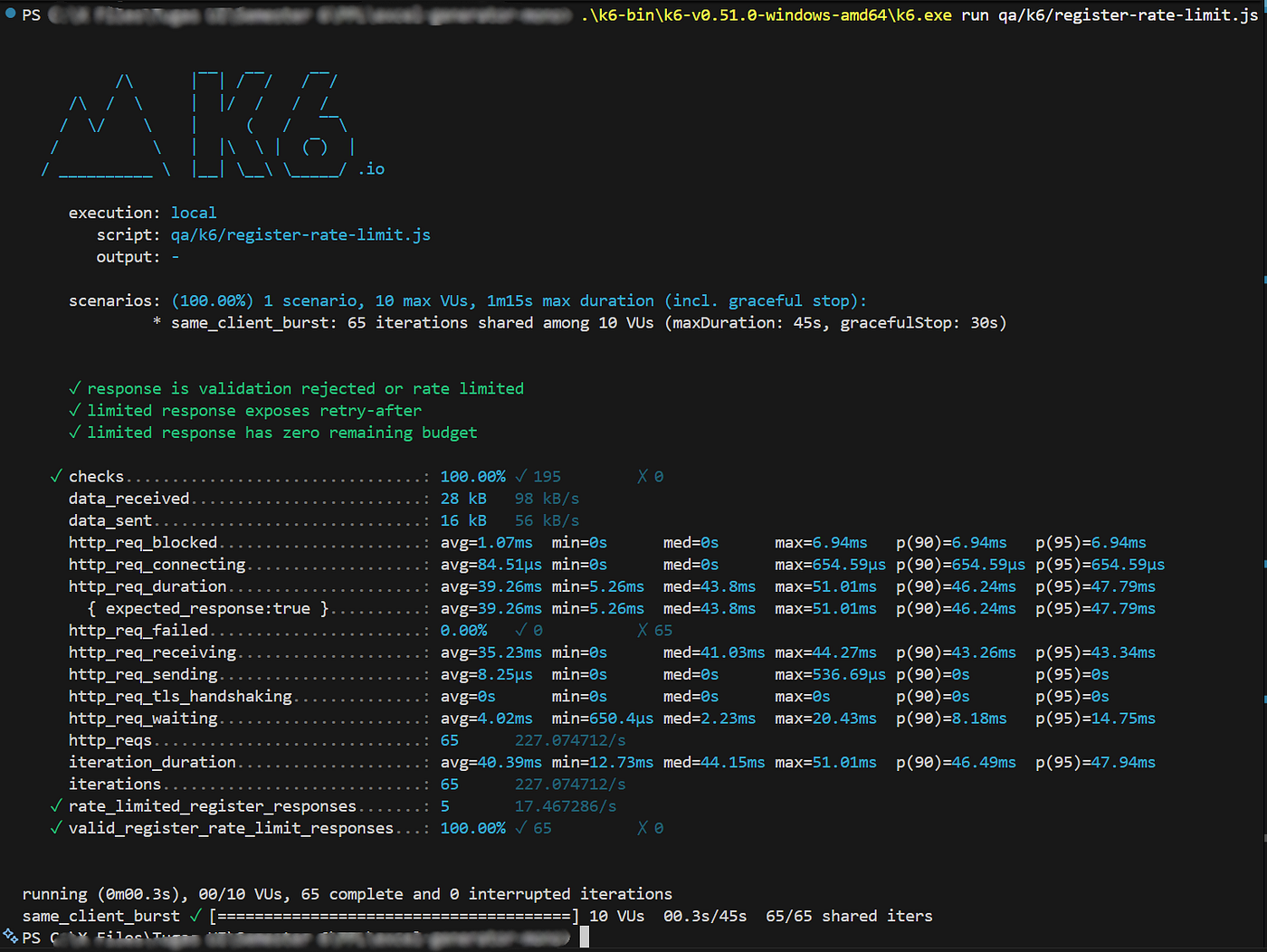
Proactive Defense: Terminal evidence showing the transition from HTTP 400 (Validation Error) to HTTP 429 (Too Many Requests) precisely after the 60th attempt.
The script then fired 65 rapid iterations. The first 60 requests returned 400 Bad Request (validation failures), but precisely on the 61st attempt, the system state shifted. The backend returned HTTP 429, complete with the Retry-After header. This empirical data proves our security middleware is actively enforcing protection against automated abuse at runtime.
Bridging the “Desynchronization Gap”
The final piece of our quality puzzle was Behavior-Driven Development (BDD). As noted by Smart (2023), BDD turns requirements into “Living Documentation” that bridges the gap between technical implementation and business expectations.
I chose to implement BDD for our Logout feature using Behave. This is where the testing reached its highest level of maturity , and that is by failing.
During the first BDD run, the successful logout scenario failed with a 401 Unauthorized error. Our unit tests had passed, but BDD—which interacts with the actual running server and database—revealed a critical flaw.
Well then, I discovered a desynchronization. Our Django Shell was creating users in the native auth_user table, while our API was configured to use a custom auth_users table. This was a classic "Environment Parity" issue that unit tests are notoriously blind to.

When the unit tests say ‘Yes’ but the database says ‘Who are you?
Then, I refactoring the BDD Given steps to utilize the specific custom model registry, I ensured the test user was created in the correct auth_users table with a verified status. This successful run validated that our logout endpoint correctly terminates sessions and rejects unauthorized access, meeting secure session management standards.
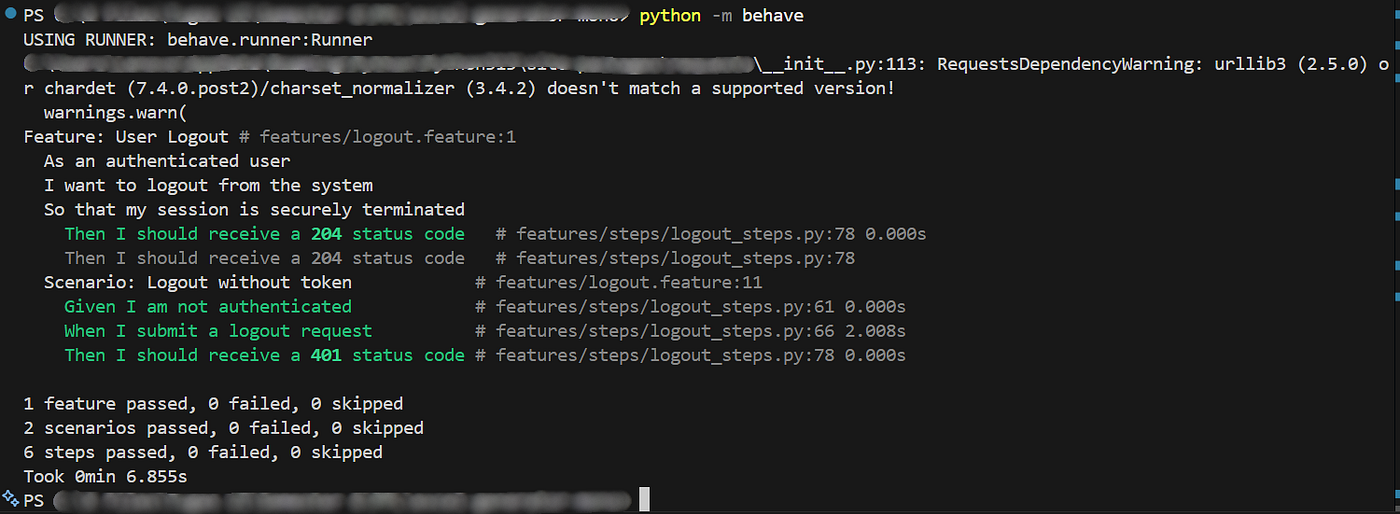
The Green Light: After synchronizing the database models, all 2 scenarios and 6 steps passed end-to-end.
SonarCloud and The CI/CD Pipeline
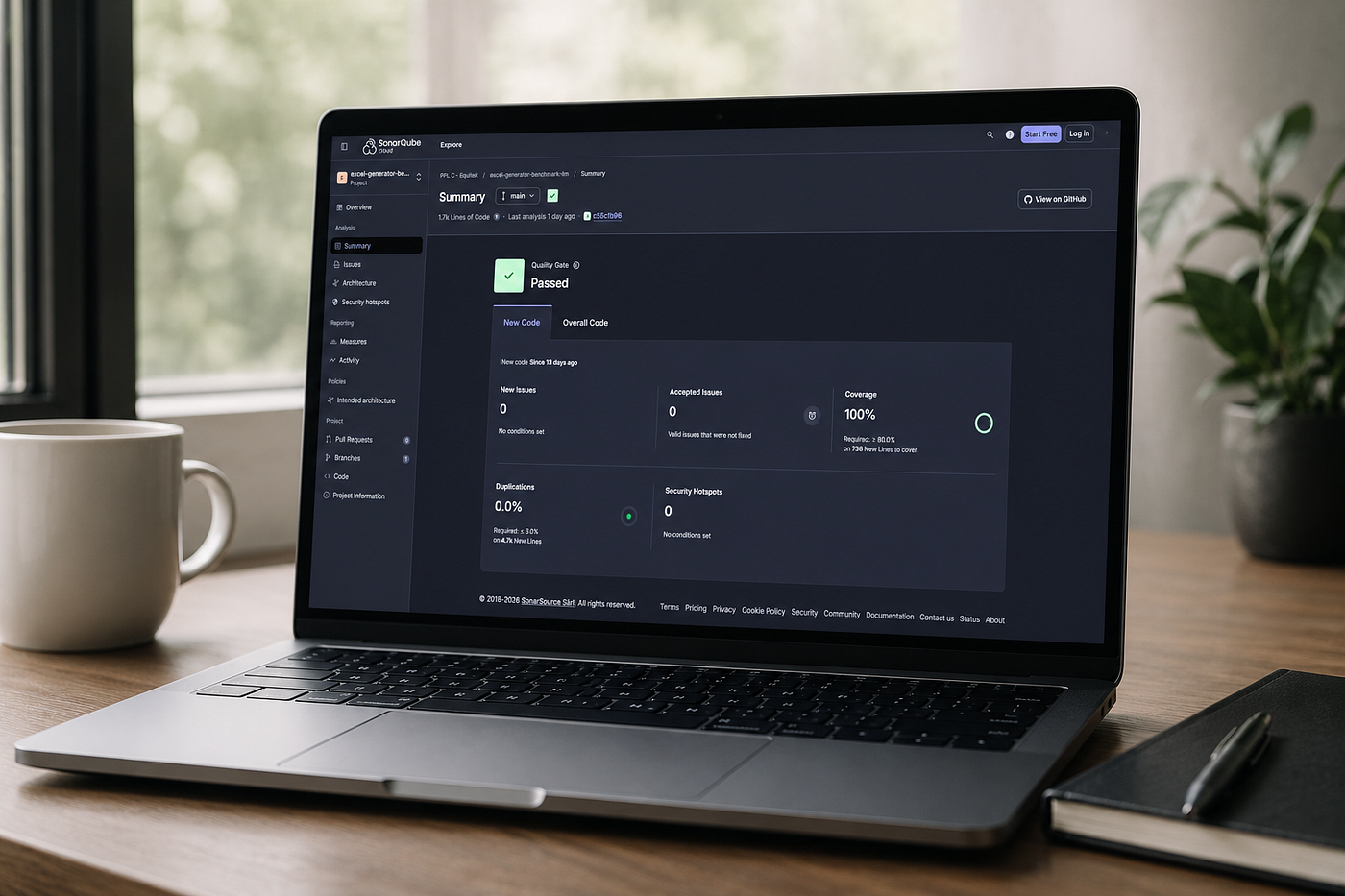
While dynamic testing (k6 and Behave) covers the system in motion, we maintained our high-quality standard using SonarCloud for static analysis. This aligns with IEEE Standard 730–2023, which dictates that quality assurance must be a continuous process throughout the lifecycle.
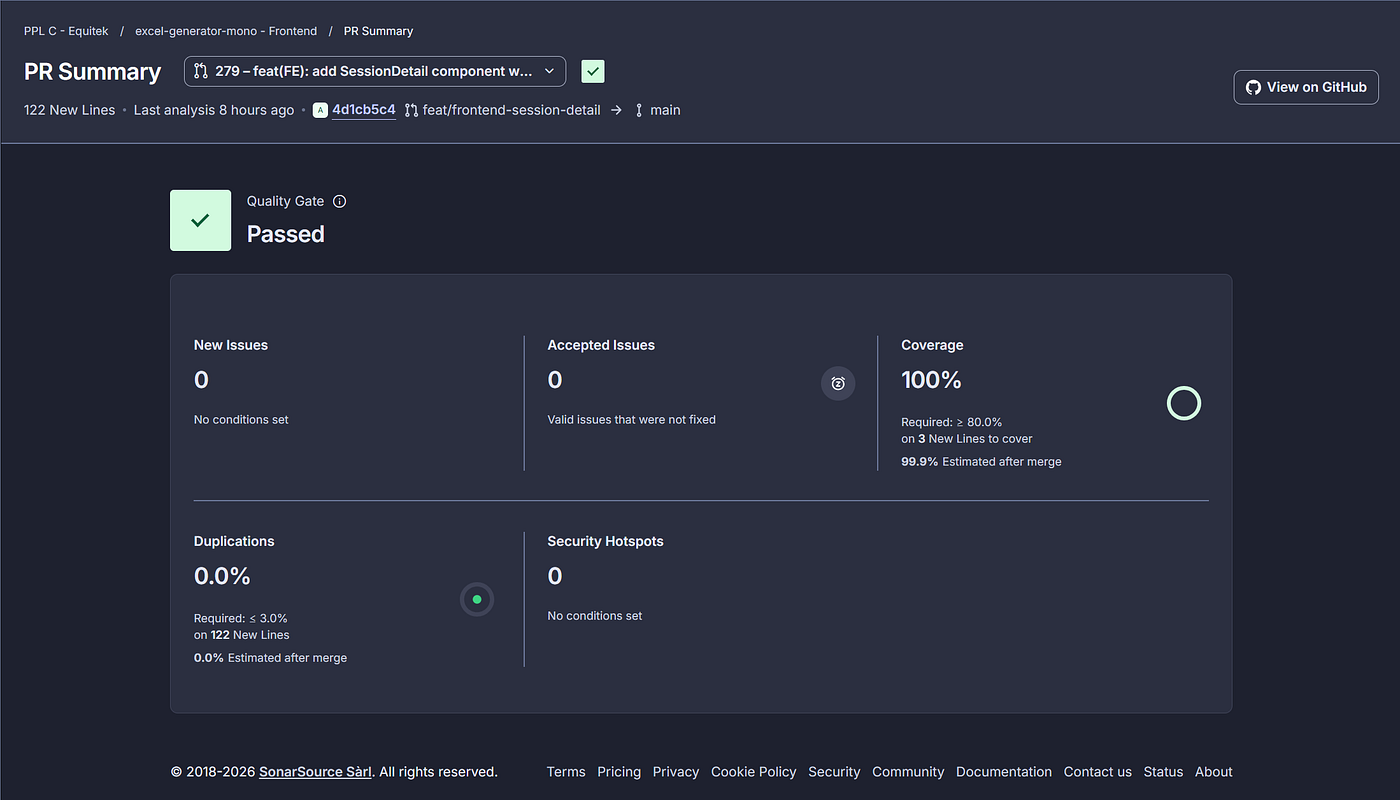
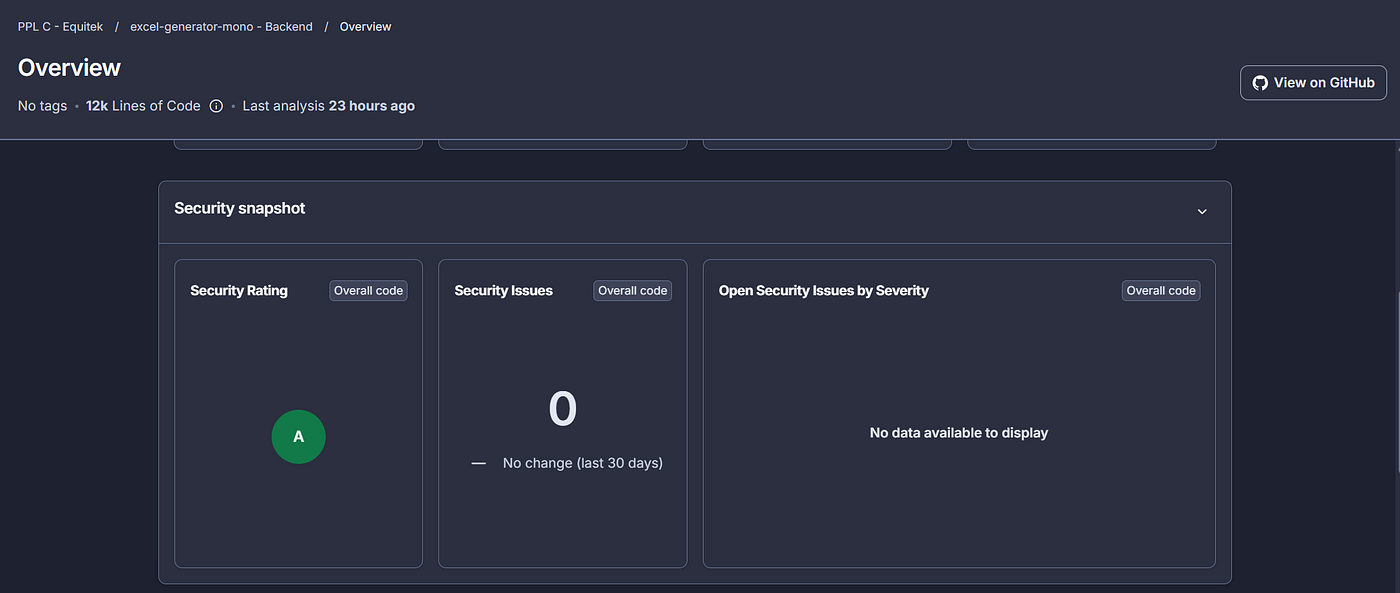
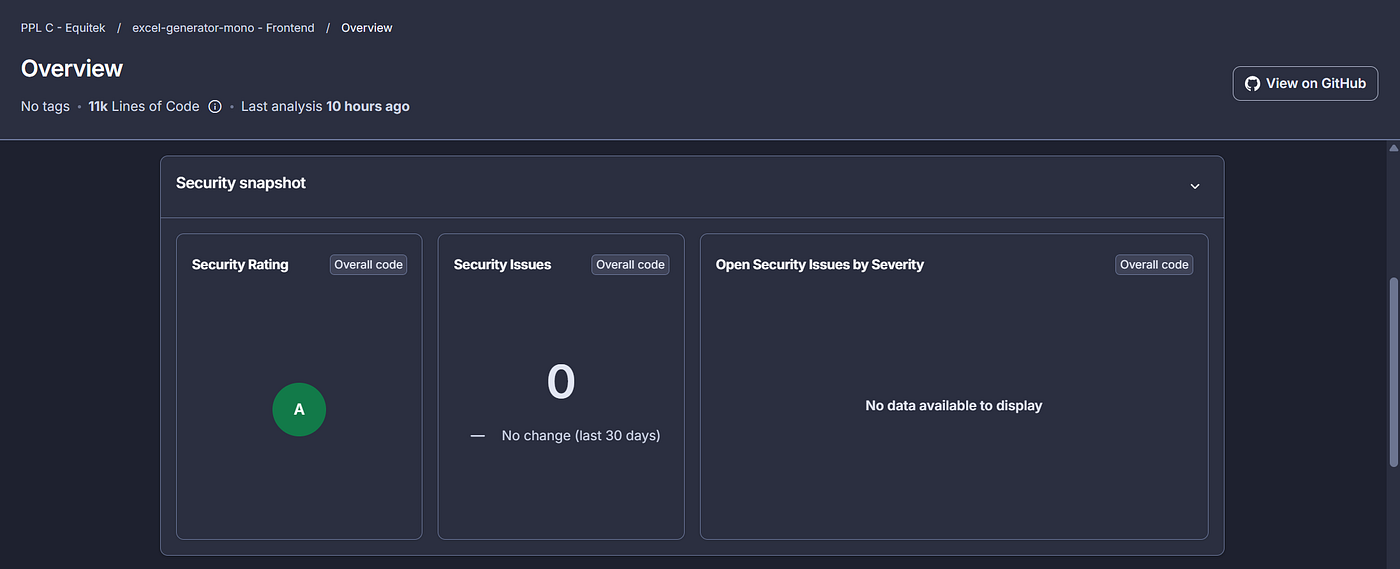
Static Analysis as a Guardrail: Ensuring every commit maintains zero critical vulnerabilities and high maintainability.
By integrating SonarCloud into our GitHub Actions pipeline, we ensure that every PR is automatically scanned for vulnerabilities (like vulnerable regex patterns or hardcoded secrets) before it ever reaches the runtime environment.
Lessons from the Quality Frontier
Transitioning from simple unit testing to an advanced suite was a transformative experience. By critiquing our previous reliance on isolated tests, we were able to identify and fix deep-seated infrastructure and security issues.
The benefits are now backed by concrete data:
- Reliability: We proved our system handles concurrent traffic with a 5.52ms p95 latency.
- Security: We confirmed our Rate-Limiting blocks abusers after exactly 60 attempts.
- Behavior: We validated that our Logout flow is secure, functional, and correctly integrated with our custom database schema.
In the world of high-stakes software development, quality isn’t about the absence of bugs, it’s about the presence of proof.

Load tested. Secured. BDD verified. Now I sleep
References
- Grafana k6 Documentation. (2026). Performance Testing and Automated Thresholds.
- IEEE. (2023). IEEE Standard for Software Quality Assurance Processes. IEEE Std 730–2023.
- ISO/IEC. (2023). ISO/IEC 25010:2023 Systems and software engineering — Systems and software Quality Requirements and Evaluation (SQuaRE).
- OWASP Foundation. (2020). Web Security Testing Guide (WSTG) v4.2.
- Smart, J. F. (2023). BDD in Action: Behavior-driven development for the whole software lifecycle. Manning Publications.
메타데이터
- post_id
- 2f724ef4e78a
- slug
- beyond-the-green-checkmark-engineering-resilience-through-advanced-load-security-and-behavioral-2f724ef4e78a
- url
- https://medium.com/@belvaghaniabhinaya551/beyond-the-green-checkmark-engineering-resilience-through-advanced-load-security-and-behavioral-2f724ef4e78a
- canonical_url
- https://medium.com/@belvaghaniabhinaya551/beyond-the-green-checkmark-engineering-resilience-through-advanced-load-security-and-behavioral-2f724ef4e78a
- author_url
- https://medium.com/@belvaghaniabhinaya551
- status
- ok
- fetched_at
- 2026-06-09 22:10:26