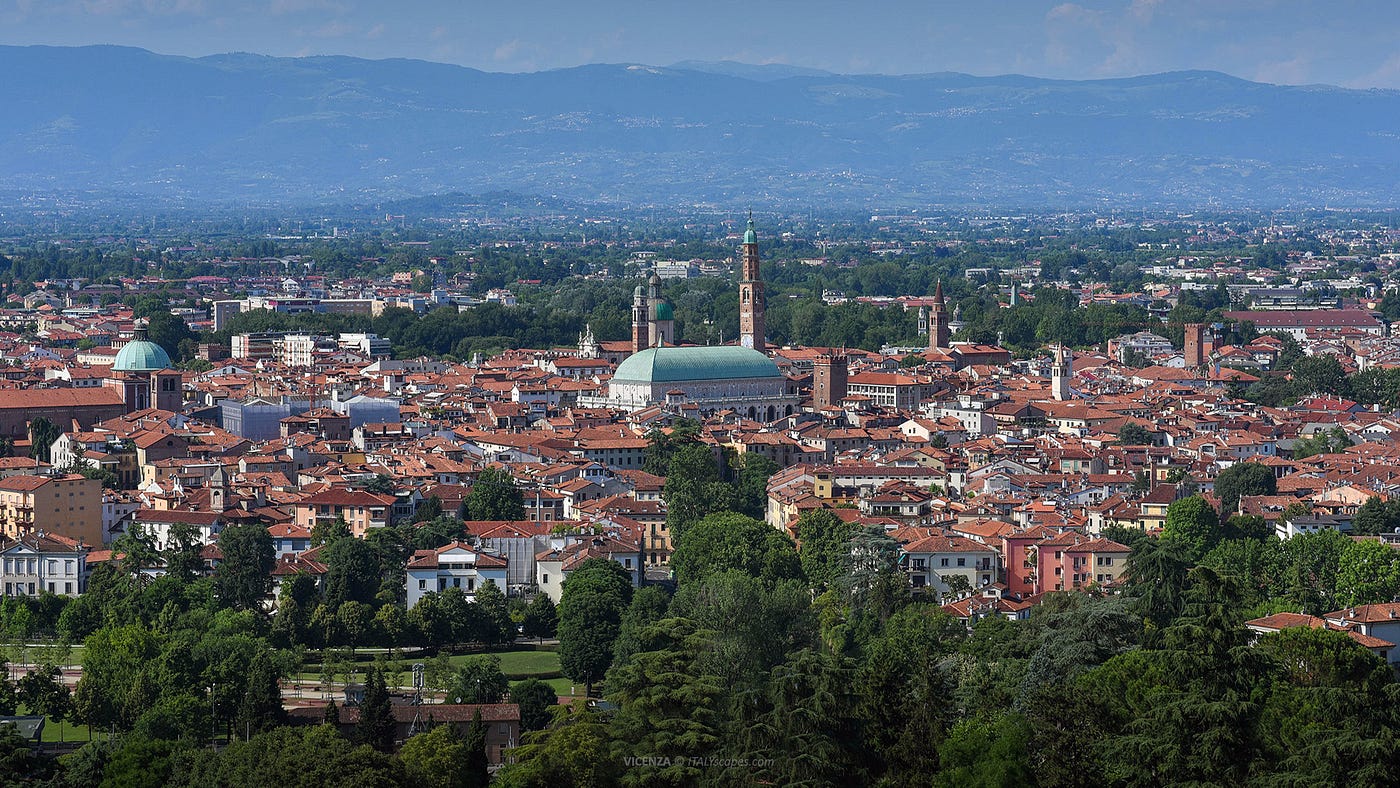
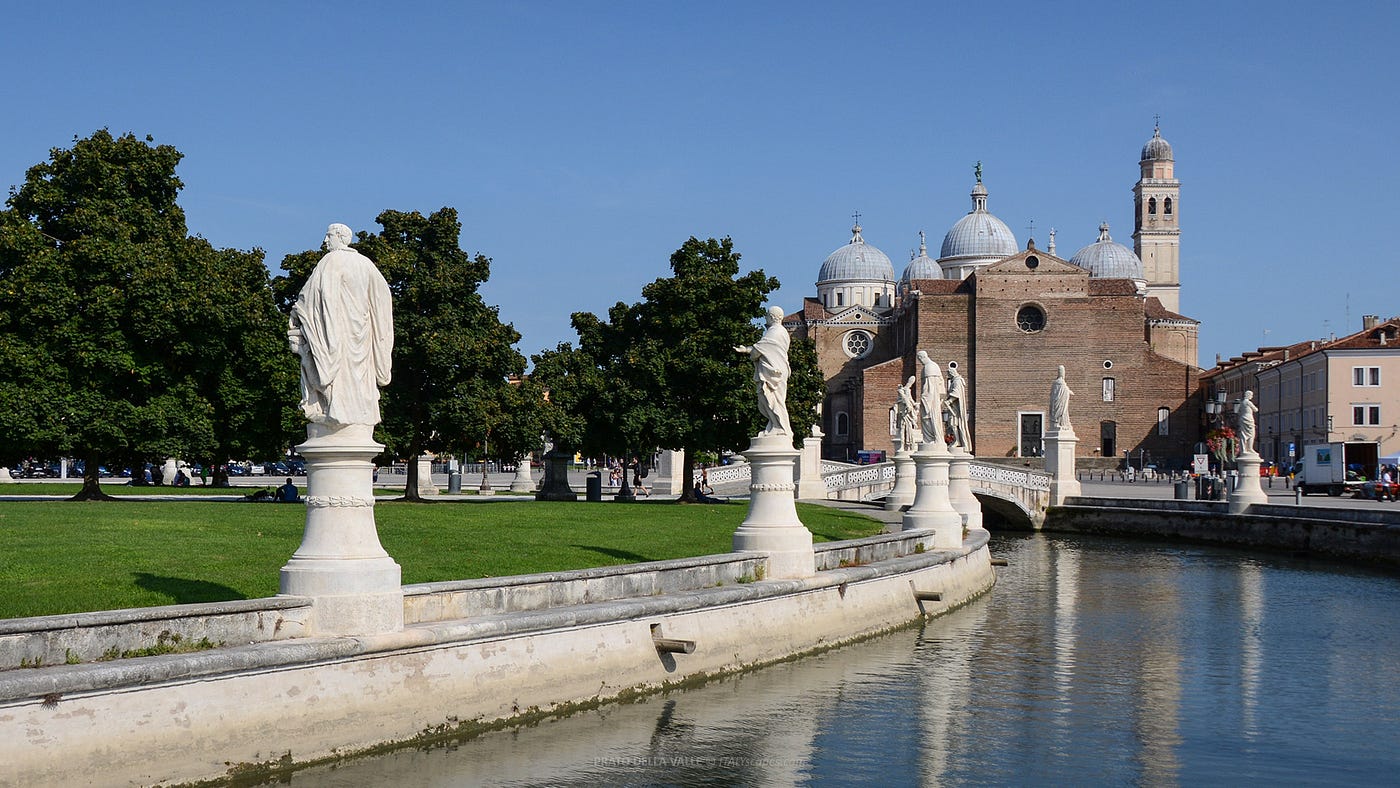
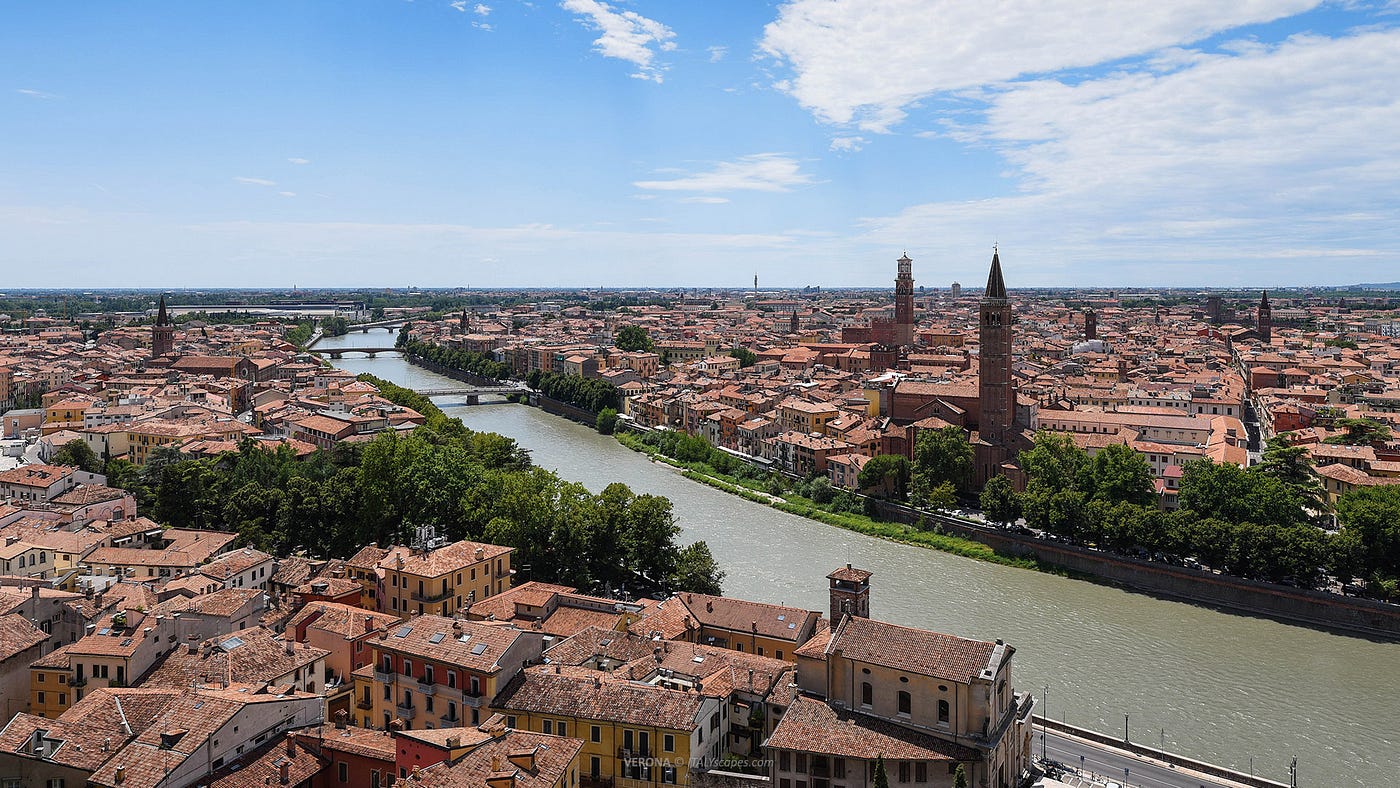
Treviso in One Day - Canals, Palaces, and Quiet Veneto Charm
Treviso is one of those Italian cities that can surprise visitors precisely because it does not try to compete with Venice. It is close…
Treviso in One Day - Canals, Palaces, and Quiet Veneto Charm
Treviso is one of those Italian cities that can surprise visitors precisely because it does not try to compete with Venice. It is close enough to Venice to work as an easy day trip, but different enough to feel like a separate discovery. Its charm comes from canals, medieval streets, painted façades, civic palaces, churches, markets, city walls, and a quieter rhythm of local life.
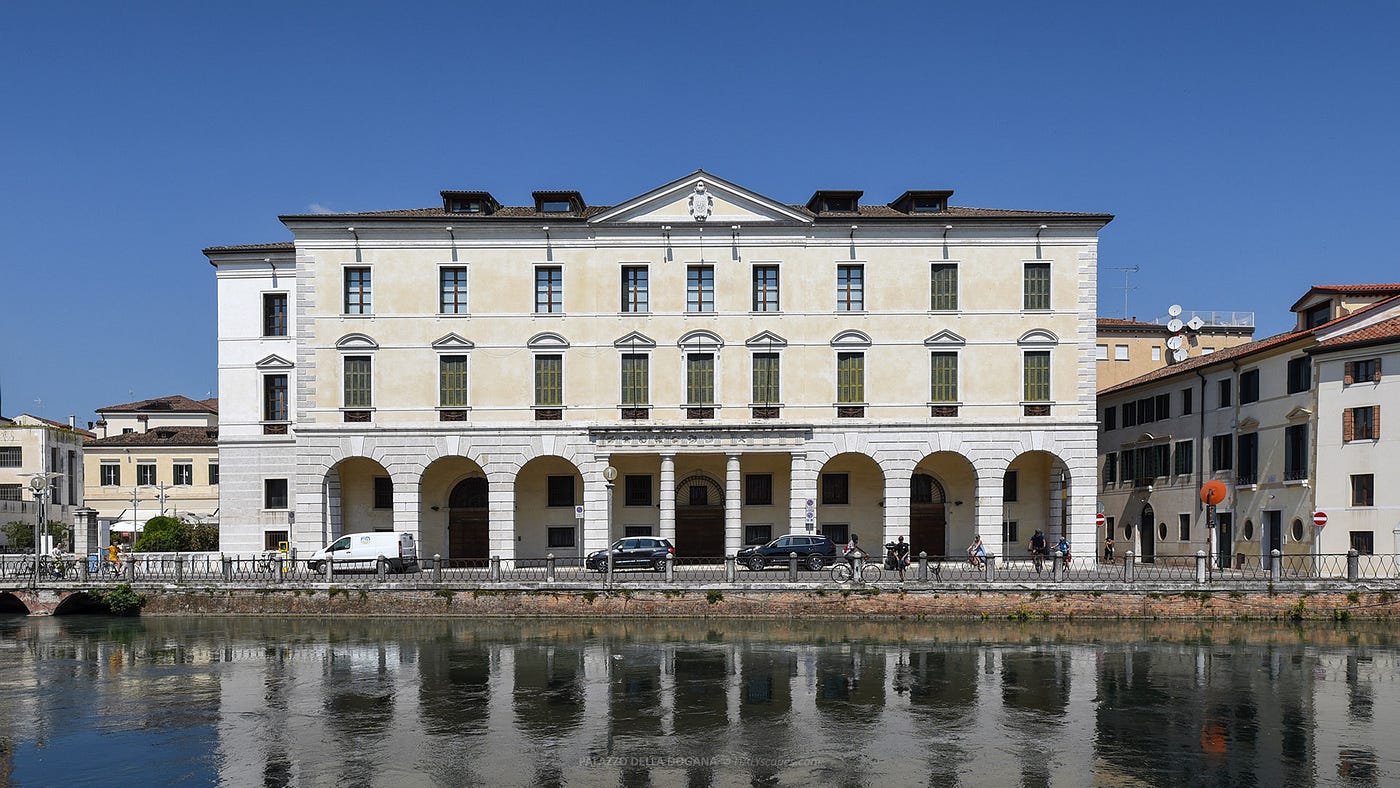
The city lies less than 40 kilometres from Venice, and the train journey from Venezia Santa Lucia to Treviso Centrale takes about 37 minutes. This makes it ideal for travelers who want to see another side of Veneto without committing to a long transfer. Treviso is compact, walkable, and rich enough to fill a full day without becoming exhausting.
The historic center is shaped by water. The Sile River, the Botteniga, the Cagnan canals, and smaller waterways pass through or around the old town. This gives Treviso a gentle canal atmosphere, but not in the same dramatic way as Venice. Here, water feels more intimate, practical, and connected with everyday life, markets, houses, and old urban functions.
A good visit can begin in Piazza dei Signori, the civic heart of Treviso. This square is elegant without being overwhelming. It is surrounded by arcades, cafés, historic buildings, and public architecture, making it a natural place to understand the city’s social and political identity. It feels lived-in, not staged only for tourism.
The most important building in the square is Palazzo dei Trecento, also known as Palazzo della Ragione. Built between the 12th and 13th centuries, it once hosted the assemblies of Treviso’s municipal institutions. Its name refers to the three hundred members of the city councils. The palace still preserves historic frescoes and visible traces of the 1944 bombing.
Near Palazzo dei Trecento stands Palazzo del Podestà, later modified and now used by the Prefecture. Behind it rises the Civic Tower, about 48 metres high. Together, these buildings make Piazza dei Signori the clearest expression of medieval and civic Treviso, a city that had its own institutions, ambitions, and architectural language.
From the square, Calmaggiore leads toward the Cathedral area. This narrow, arcaded street is one of the most important routes in the historic center. It follows the line of the ancient Roman cardo maximus, linking modern Treviso with older Tarvisium. Shops and arcades make it lively, while archaeological remains recall the city’s Roman layer.
Treviso’s charm becomes especially clear around Buranelli, one of its most picturesque canal areas. Narrow waterways, small bridges, old houses, and reflections create a quiet, almost hidden atmosphere. The Botteniga enters the city and divides into several branches, including the Cagnan Grande, Buranelli, and Roggia, which help define the center’s structure.
A short walk from Buranelli leads to Isola della Pescheria, one of Treviso’s most memorable places. This small island on the Cagnan Canal was formed by artificial islets and is traditionally connected with the fish market. In the morning, it has a practical commercial role; later in the day, it becomes a peaceful place for a pause near the water.
The Cathedral area adds a more religious and historical dimension to the visit. The Cathedral of San Pietro Apostolo, or Treviso Cathedral, is the main church of the city and the seat of the Diocese of Treviso. Its origins are traditionally linked to the early Christian period, while the present building is largely Neoclassical.
Inside the Cathedral, the Malchiostro Chapel preserves Titian’s Annunciation, dated 1520 after restoration research revealed the artist’s signature and date. The crypt holds the relics of San Liberale, patron saint of Treviso. Nearby, the Church of San Giovanni Battista serves as the Cathedral baptistery, completing the religious complex around Piazza del Duomo.
Treviso also has important medieval churches beyond the Cathedral. Tempio di San Nicolò, built by the Dominicans in the early 14th century, is the largest church in the city. Its adjoining convent preserves frescoes by Tomaso da Modena, including famous portraits of Dominican scholars, remarkable for their early depictions connected with eyeglasses and a magnifying lens.
The Church of San Francesco is another essential stop. Franciscans arrived in Treviso in the early 13th century, and the church was completed in 1270. Later affected by Napoleonic suppressions and military use, it reopened for worship in 1928. Inside are the tombs of Pietro Alighieri, Dante’s son, and Francesca Petrarca, Petrarch’s daughter.
For a deeper cultural visit, Museo Santa Caterina is the most important museum stop. It occupies a former monastic complex and brings together archaeology, medieval and Renaissance art, frescoes, and later collections. One of its great treasures is the Cycle of Saint Ursula by Tomaso da Modena, saved from the demolished church of Santa Margherita degli Eremitani.
Treviso also has a playful and unusual side, represented by Fontana delle Tette. This 16th-century fountain is shaped as a female figure and is connected with a local tradition from Venetian rule, when wine was said to flow from the fountain during the installation of a new podestà. The original is now preserved under the loggia of Palazzo dei Trecento.
Before leaving the center, the Renaissance walls help explain Treviso as a fortified city. Venice reinforced the defenses in 1509 during the War of the League of Cambrai, reorganizing the older medieval walls. The system reduced the main access points to three gates: Porta San Tomaso, Porta Santi Quaranta, and Porta Altinia.
Porta San Tomaso, built in 1518, is the most monumental of these gates. Decorated with Istrian stone and inspired by classical triumphal arches, it reflects Treviso’s period under Venetian rule. Even small details carry meaning, such as the statue above the gate, linked symbolically to the podestà Paolo Nani.
A day in Treviso should also include the Sile River, especially toward the end of the visit. After the denser streets and squares of the old town, the riverside gives the city a quieter, more open dimension. The Restera, a walking and cycling route along the Sile, offers a slower perspective on Treviso’s relationship with water.
Food completes the city’s identity. Treviso is strongly associated with radicchio, Prosecco from the wider area, and tiramisu traditions. A visit should leave space for coffee in Piazza dei Signori, a relaxed lunch in the historic center, or an aperitif near the canals. Treviso works best when it is not rushed.
In one day, Treviso reveals itself as much more than an airport city or a simple alternative to Venice. It has Roman origins, medieval palaces, Venetian fortifications, churches with important artworks, quiet canals, markets, local food, and a calm urban atmosphere. One day is enough to understand its appeal: no more, no less.
메타데이터
- post_id
- 2f7f428a885a
- slug
- treviso-in-one-day-canals-palaces-and-quiet-veneto-charm-2f7f428a885a
- url
- https://medium.com/@ovidiu.tutunaru/treviso-in-one-day-canals-palaces-and-quiet-veneto-charm-2f7f428a885a
- canonical_url
- https://medium.com/@ovidiu.tutunaru/treviso-in-one-day-canals-palaces-and-quiet-veneto-charm-2f7f428a885a
- author_url
- https://medium.com/@ovidiu.tutunaru
- status
- ok
- fetched_at
- 2026-07-15 10:52:00