Choosing the Best Turf Grass for Sledge Training: Factors That Matter
When it comes to sledge training, the surface you train on matters more than many people realise. Sled pushes and pulls put a lot of stress…
Choosing the Best Turf Grass for Sledge Training: Factors That Matter
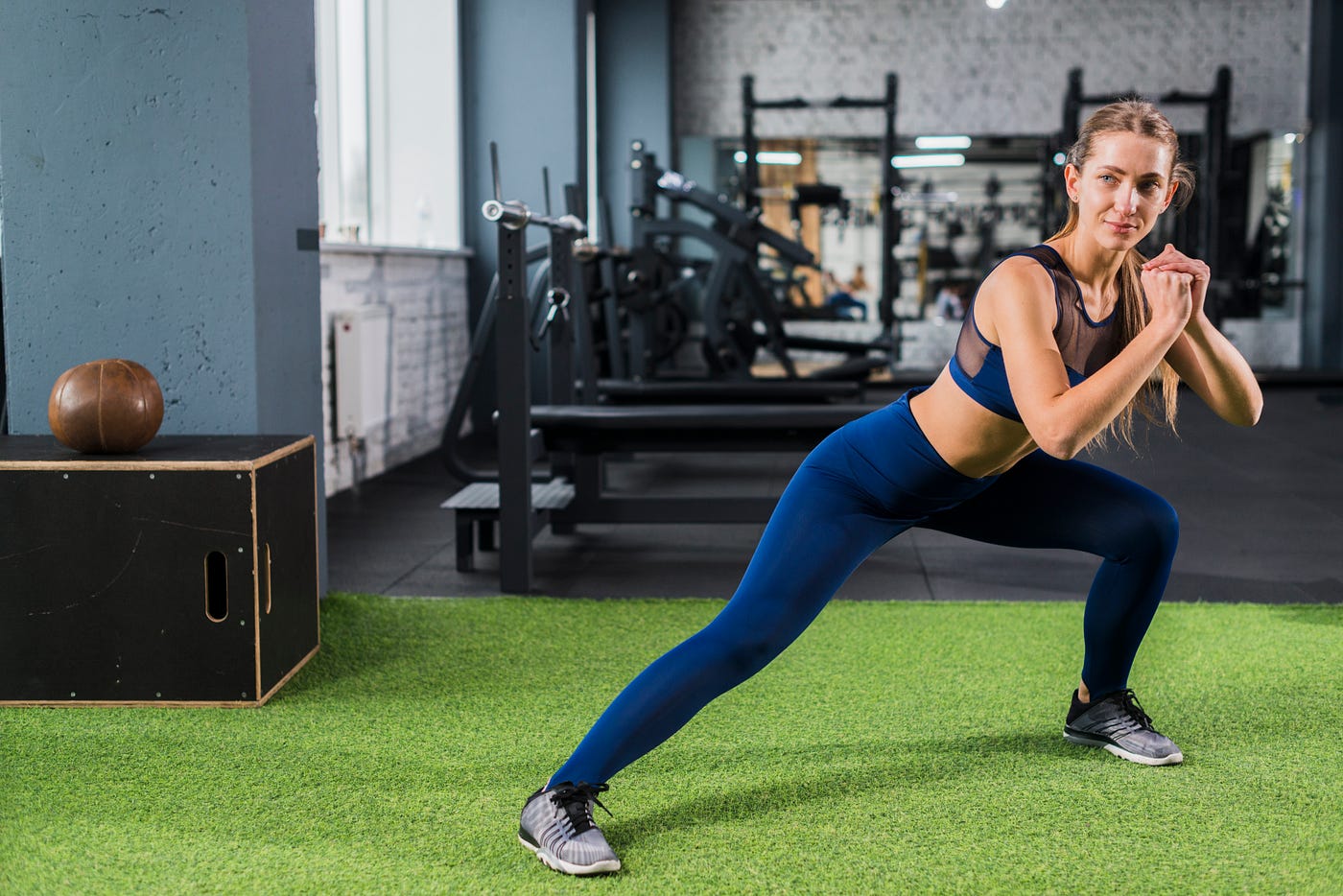
Turf Grass for Sledge
When it comes to sledge training, the surface you train on matters more than many people realise. Sled pushes and pulls put a lot of stress on the flooring because they involve heavy resistance, repeated movement, and strong force from the athlete. A normal gym floor may not be suitable for this type of training, as it can get damaged quickly or fail to provide the right grip.
This is where choosing the right turf grass for sledge training becomes important. A good turf surface allows athletes to perform sled workouts smoothly while supporting other activities like sprinting, agility drills, and functional training. However, not every turf is the same. There are several factors you should consider before installing one in a gym or training facility.
Understand the Purpose of the Turf
The first thing to consider is how the turf will be used. Sledge training requires a surface that can handle heavy loads and constant friction. If the turf is mainly for light exercises, almost any quality artificial turf may work, but sled pushes require a stronger and more durable option.
Fitness centres, sports performance facilities, and CrossFit-style gyms usually need turf designed specifically for intense workouts. It should support dragging equipment, quick movements, and repeated daily use without wearing out quickly.
Durability and Wear Resistance
Sledge training can be tough on flooring. The repeated pulling and pushing of weighted sleds creates friction between the sled and the turf surface. A low-quality turf may become flat, damaged, or uneven after regular use.
Look for turf made with strong synthetic fibres that can handle heavy traffic. High-quality artificial turf is designed to maintain its structure even after continuous workouts. This makes it a better long-term investment for busy fitness facilities.
Consider the Turf Thickness and Fibre Type
The thickness of the turf plays a role in its performance. For sled training, extremely soft or overly cushioned turf is usually not the best choice because it can create extra resistance and make pushing the sled more difficult.
A medium-pile turf with durable fibres is generally preferred for functional training areas. The surface should provide enough support for running and drills while still allowing sleds to move properly.
Proper Grip Without Too Much Resistance
A good training surface needs the right balance between grip and movement. If the turf is too slippery, athletes may struggle to maintain proper form while pushing the sled. On the other hand, if the surface creates too much resistance, it can affect training performance.
The ideal turf allows athletes to generate power while maintaining stability. This helps reduce unnecessary strain and makes workouts more effective.
Indoor or Outdoor Installation
Another important factor is where the turf will be installed. Indoor gym turf usually focuses on durability, shock absorption, and easy maintenance. Outdoor turf needs additional resistance against weather conditions like sunlight, rain, and temperature changes.
Before choosing turf, check whether the product is suitable for your specific environment. Using the wrong type can reduce its lifespan and performance.
Maintenance Requirements
One advantage of artificial turf is that it generally requires less maintenance compared to natural grass. However, it still needs regular cleaning to remove dust, sweat, and debris from workouts.
For gyms with high daily usage, selecting low-maintenance turf can save time and reduce long-term costs. Regular brushing and proper cleaning help maintain the appearance and performance of the surface.
Safety and Comfort for Athletes
Safety should always be a priority in any training area. A quality turf surface provides a stable platform for exercises and reduces the risk of slipping during movements.
Athletes often perform different exercises on the same turf area, including sprint drills, lunges, and agility movements. So the flooring should be comfortable enough for various activities while still being strong enough for sled workouts.
Installation Quality Matters
Even the best turf will not perform well if it is installed incorrectly. A poor installation can lead to uneven surfaces, loose areas, or problems with durability.
Professional installation helps ensure the turf stays secure and performs properly for years. The base preparation, adhesive selection, and joining of turf sections all affect the final result.
Final Thoughts
Choosing the right turf for sledge training requires looking beyond appearance. Durability, fibre quality, grip, maintenance, and installation all play an important role in finding the best option for your gym or training facility.
A well-selected turf grass for sledging can improve workout quality, protect the training area, and provide athletes with a reliable surface for intense exercises. Whether you are setting up a commercial gym, sports facility, or personal training space, investing in the right turf will help create a safer and more effective workout environment.
메타데이터
- post_id
- 2f8617df036c
- slug
- choosing-the-best-turf-grass-for-sledge-training-factors-that-matter-2f8617df036c
- url
- https://medium.com/@nikita.seo777/choosing-the-best-turf-grass-for-sledge-training-factors-that-matter-2f8617df036c
- canonical_url
- https://medium.com/@nikita.seo777/choosing-the-best-turf-grass-for-sledge-training-factors-that-matter-2f8617df036c
- author_url
- https://medium.com/@nikita.seo777
- status
- ok
- fetched_at
- 2026-08-11 22:32:59