Tengboche Monastery Nepal: What It’s Really Like to Visit
Where the Mountains Meet the Monks: My Morning at Tengboche
Tengboche Monastery Nepal: What It’s Really Like to Visit
Where the Mountains Meet the Monks: My Morning at Tengboche
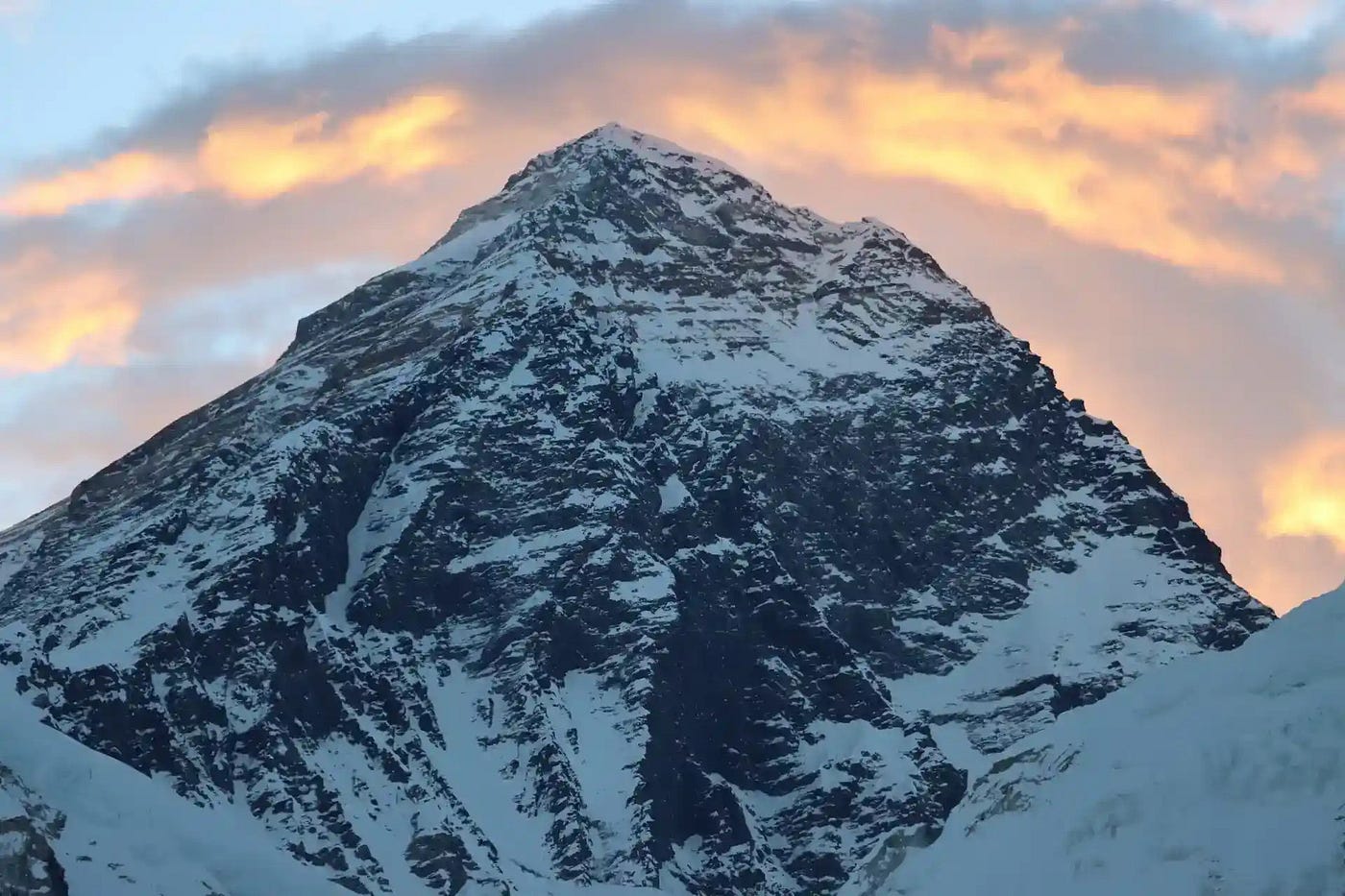
There is a moment on the way to Everest Base Camp when the trail stops feeling like a hike and starts feeling like a pilgrimage. For most trekkers that moment happens at **Tengboche Monastery,** a wooden Buddhist gompa sitting at roughly 3,860 meters with Everest, Lhotse, and Ama Dablam rising behind it like they were placed there on purpose.
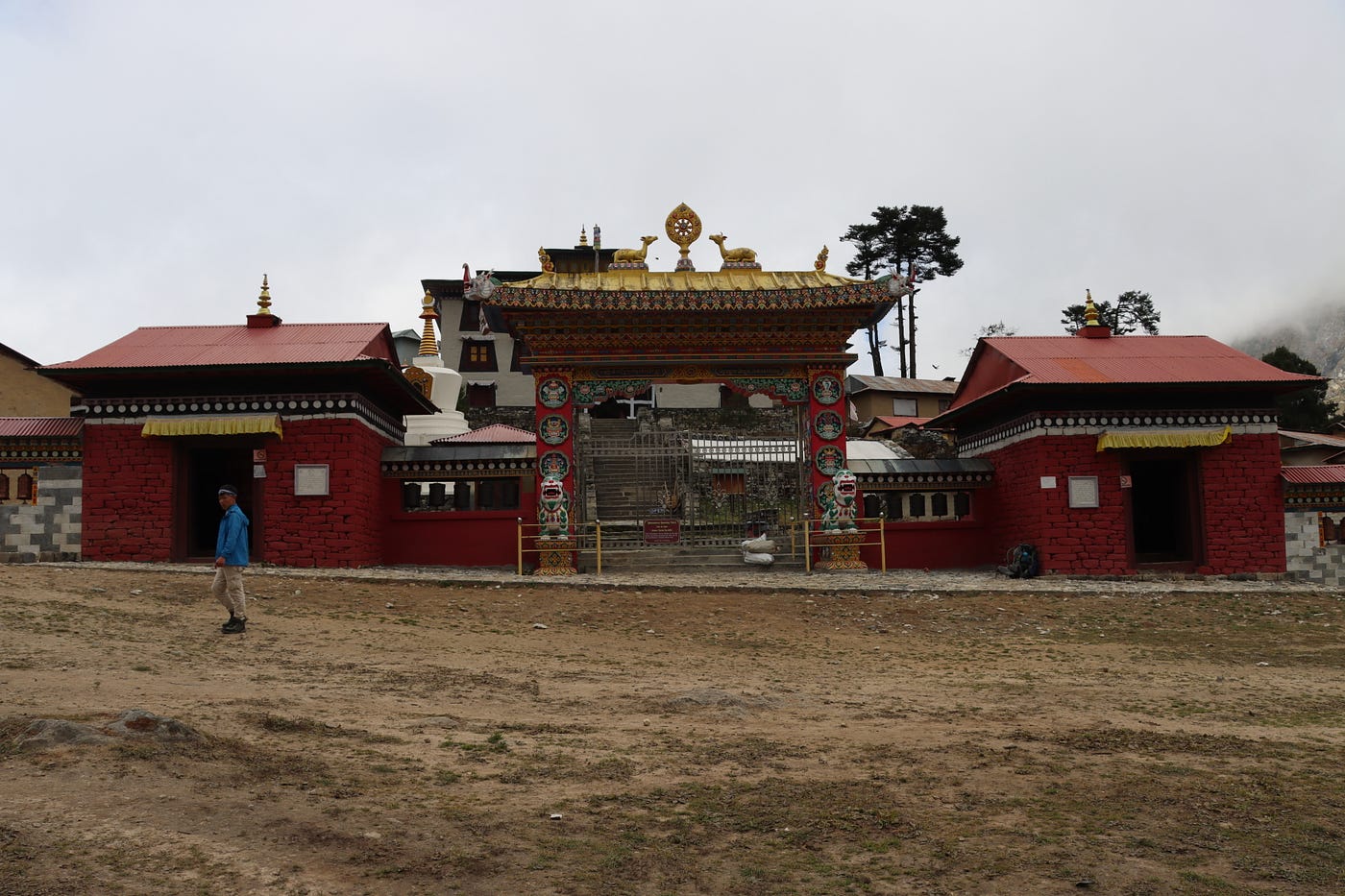
I remember rounding the final switchback into Tengboche village and seeing the monastery framed against Ama Dablam’s sharp ridge line. After hours of climbing through rhododendron forest, the open courtyard in front of the gompa felt almost theatrical, like the mountains had cleared a stage just for this building.
The Heart of Khumbu
Tengboche is the largest monastery in the Khumbu region, and to the Sherpa people it is known as Tengboche Gompa. Gompa is simply the Sherpa word for monastery, a sacred space for worship, teaching, and ritual, and this one has stood at the center of Khumbu spiritual life since Lama Gulu founded it in 1916, following the Nyingma school of Tibetan Buddhism.
Through the Gate
The entrance alone tells you something important is inside. A large ornate gate greets visitors, topped with a gold statue of two deer flanking the Wheel of Dharma, a symbol referencing Buddha’s first teaching at Deer Park in India. You will notice this same motif on monastery roofs across Nepal, but here it feels like an invitation rather than decoration. Beyond the gate, a long gently rising staircase leads you up, and walking those steps genuinely feels like approaching a palace rather than a place of worship.
Inside the Prayer Hall
Step inside the prayer hall and the atmosphere shifts completely. High ceilings, walls covered in detailed murals depicting Buddhist teachings, and images of Padmasambhava, revered as Guru Rinpoche among Sherpas and Tibetans. Incense hangs in the air, butter lamps flicker along the edges of the room, and the whole space holds a kind of stillness that is hard to describe until you have stood in it yourself.
The Museum and Library
There is more to discover beyond the main hall too. A small museum and library preserve rare Buddhist texts and cultural artifacts, and inside you can even see the footprint of Lama Sangwa Dorje, founder of Khumbu’s oldest monastery. Outside, prayer flags stretch between poles, stone stupas and chortens dot the courtyard, and the whole scene ties together into something quietly overwhelming.
A Living Cultural Hub
Tengboche is not only a stop for trekkers passing through. It remains the cultural and spiritual anchor for the Sherpa community, who visit regularly to pray and take part in rituals. The monastery hosts major celebrations including Losar, the Tibetan New Year, and the Mani Rimdu festival, a multi day event of masked dances and rituals usually held in October or November that draws pilgrims and trekkers from across the region.
The Forest Before the Rock
What struck me most is how the landscape itself seems to build toward this point. The forest around Tengboche, thick with pine, rhododendron, and juniper, is one of the last patches of real greenery before the trail climbs into the rocky, high altitude terrain further ahead. In a strange way, the monastery marks the boundary between the gentler lower valleys and the raw high mountain world still to come.
Rebuilt, Not Diminished
The building you see today is not the original structure. Fires and earthquakes have damaged it more than once over the decades, and each time it has been rebuilt, which somehow makes it feel even more resilient and sacred.
Why Tengboche Belongs on Your Itinerary
If you are planning the Everest Base Camp trek and wondering whether the detour to Tengboche is worth the extra effort, it is not really a detour at all. It sits directly on the main trail, and skipping it would mean missing one of the most meaningful stops of the entire journey. For anyone who wants the full route details, elevation notes, and trip planning information, Five K Treks has put together a complete guide to Tengboche Monastery worth reading before you go.
Some places on a trek are about the view. Tengboche is about the pause. Standing in that courtyard with prayer flags snapping in the wind and Everest quietly watching from behind the ridgeline, you understand why trekkers and pilgrims alike keep coming back.
메타데이터
- post_id
- 2f926f3e461a
- slug
- tengboche-monastery-nepal-what-its-really-like-to-visit-2f926f3e461a
- url
- https://medium.com/@5ktreks/tengboche-monastery-nepal-what-its-really-like-to-visit-2f926f3e461a
- canonical_url
- https://medium.com/@5ktreks/tengboche-monastery-nepal-what-its-really-like-to-visit-2f926f3e461a
- author_url
- https://medium.com/@5ktreks
- status
- ok
- fetched_at
- 2026-08-10 04:00:15