From Cup Noodles to Cup Bingsu: Rethinking What Consumers Value
How lower-commitment purchases are reshaping consumption in Korea
From Cup Noodles to Cup Bingsu: Rethinking What Consumers Value
How lower-commitment purchases are reshaping consumption in Korea
Sometimes the smallest purchasing decisions reveal the biggest changes in consumer behavior.
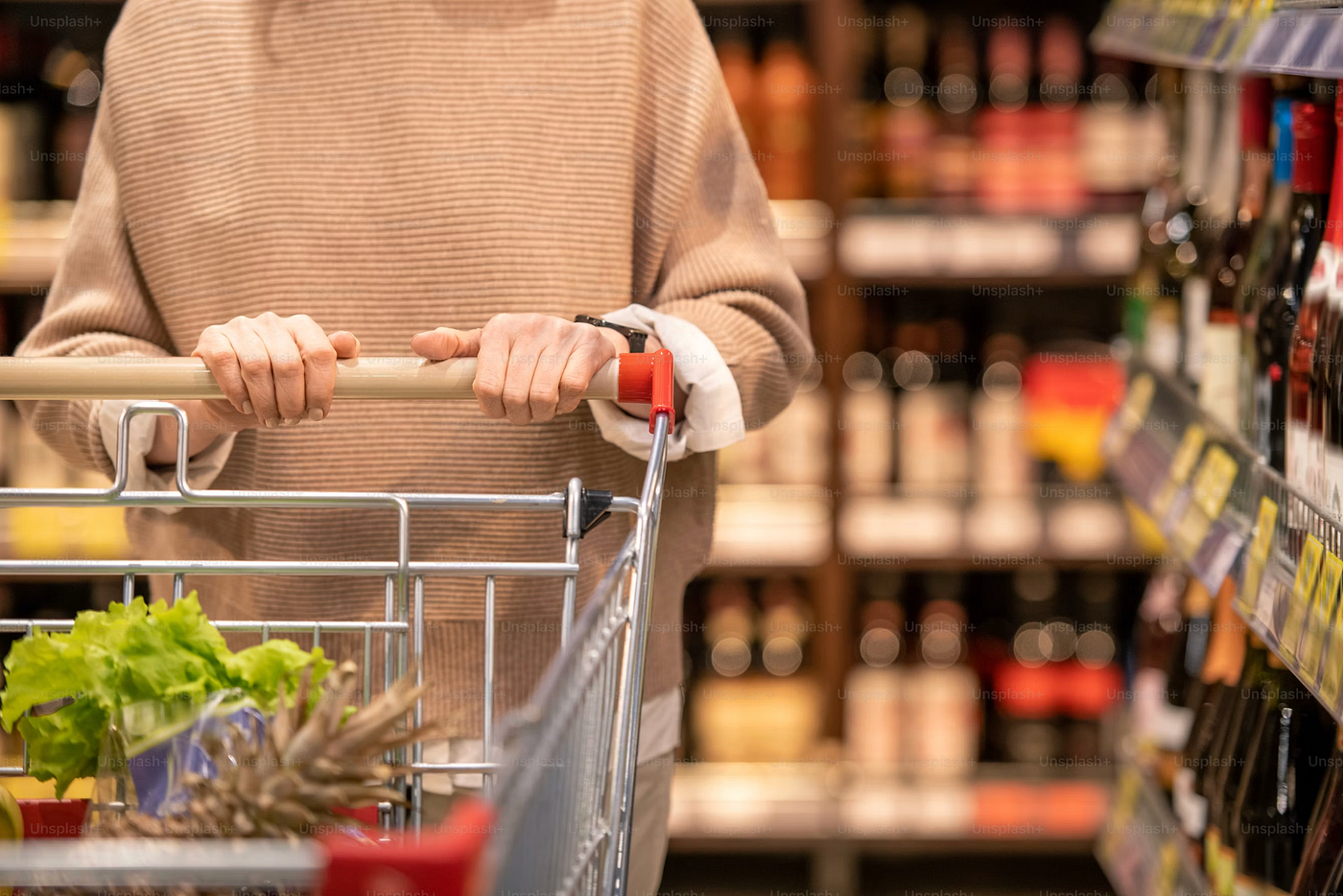
Photo from Unsplash
While working with a major player in the Korean instant noodle industry, I noticed that sales of single cup noodles were growing even in stores traditionally associated with stock-up shopping. The pattern seemed odd. After all, if consumers are already at a hypermarket, why not buy multipacks that offer better value for money?
What initially looked like a noodle trend increasingly appeared to reflect two broader shifts reshaping retail and consumption in Korea:
(1) the changing role of the hypermarket and (2) a new definition of value — one that prioritizes lower commitment over maximizing value per serving.
Shift #1: The Role of the Hypermarket Is Being Redefined
Historically, multipack noodles have performed strongly in hypermarkets, while cup noodles have gained greater traction in convenience stores. The distinction reflected the different roles these products played in consumers’ lives. Multipacks were associated with stock-up occasions and value for money, offering a lower cost per serving and fitting naturally into planned grocery trips. Cup noodles, on the other hand, were designed for convenience, portability, and immediate consumption.
For decades, hypermarkets were the destination for stock-up shopping. Consumers visited them for large, planned grocery trips, often purchasing products in bulk to maximize value.
Today, however, the role hypermarkets play in consumers’ lives is changing.
E-commerce has fundamentally altered how people shop.

Photo from Unsplash
Online platforms have made bulk purchasing and home delivery seamless, reducing the need to visit physical stores for stock-up missions. This does not mean consumers have stopped buying in bulk — it simply means that much of that behavior now happens online.
As a result, hypermarkets are increasingly serving different shopping occasions. Rather than functioning primarily as destinations for large, planned purchases…
Hypermarkets are becoming places for quick top-ups, immediate consumption needs, and smaller, lower-commitment purchases.
Viewed through this lens, purchasing a single cup noodle in a hypermarket no longer seems unusual. It is simply another expression of the changing role physical retail plays in consumers’ everyday lives.
Shift #2: Consumers Are Seeking Lower-Commitment Consumption
The second shift is even more interesting.
According to the Korean Ministry of Economy and Finance, consumer prices in April 2026 were 2.6% higher than a year earlier. In an inflationary environment, conventional wisdom would suggest that consumers should gravitate toward larger sizes and multipacks that offer better value per serving.
Yet consumers appear to be behaving differently.
As household budgets come under pressure, people are increasingly cautious about committing to purchases that require more upfront spending and carry a greater risk of waste.

Photo from Unsplash
Instead, consumers are placing greater value on products that satisfy an immediate need with minimal financial commitment.
A single cup noodle may cost more per serving than a multipack, but it requires only a small purchase today. It is inexpensive, convenient, and provides exactly what is needed in the moment.
Similar behavior appears to be emerging across other food and beverage categories. Traditionally sold as a large, shareable dessert, bingsu is now commonly available in single-serving cup formats, transforming what was once a group dessert into an everyday, individual indulgence. Other products traditionally associated with larger purchases — such as rice, pork belly, and watermelon — are also increasingly being offered in smaller portions.
What makes this trend particularly interesting is that it spans categories with very different consumption occasions. Whether it is a meal, a dessert, or a grocery staple…
Consumers appear to be optimizing less for cost efficiency and more for consumption efficiency.
Final Thoughts
What began as an observation in the instant noodle category increasingly appears to reflect two broader transformations occurring simultaneously.

Photo from Unsplash
First, the role of the hypermarket is evolving. As stock-up shopping moves online, physical stores are increasingly becoming spaces for immediate and occasion-based needs.
Second, consumers are redefining value. Rather than simply maximizing quantity or minimizing cost per serving, they are increasingly seeking products that require less commitment, create less waste, and fit their actual consumption needs.
As stock-up shopping moves online and physical retail becomes increasingly occasion-based, perhaps the new definition of value is not “more for less,” but simply “just enough.”
메타데이터
- post_id
- 2f9f8afcd55d
- slug
- from-cup-noodles-to-cup-bingsu-rethinking-what-consumers-value-2f9f8afcd55d
- url
- https://medium.com/@nancykoo/from-cup-noodles-to-cup-bingsu-rethinking-what-consumers-value-2f9f8afcd55d
- canonical_url
- https://medium.com/@nancykoo/from-cup-noodles-to-cup-bingsu-rethinking-what-consumers-value-2f9f8afcd55d
- author_url
- https://medium.com/@nancykoo
- status
- ok
- fetched_at
- 2026-06-23 19:38:28




