Mulled Wine.
The Chemistry of a winter classic.
Mulled Wine.
The Chemistry of a winter classic.
I wait all year for the Christmas markets just so I can have my first steaming mug of mulled wine. Or Vin Brulé, if you prefer the Italian version. Honestly, I couldn’t tell you what I enjoy more — wrapping my hands around the warm cup or inhaling that incredible wave of citrus and spice. Either way, as soon as Advent begins, you’ll find me hunting it down.

You can find recipes for mulled wine just about everywhere. Each family has their own twist, but most include a few key ingredients that give this drink its characteristic flavour and unforgettable aroma.
You won’t find exact proportions here — follow your own taste — but if you’re curious enough to stick with me, I’ll take you through the chemistry behind the recipe: why it tastes and smells the way it does.
Let’s start with the foundation — the heart of the drink in your cup.
The Wine
Wine is the body of the recipe. It holds everything together. Red wine, chemically speaking, is a mixture of many organic compounds, with ethanol being the most prominent. But it certainly doesn’t stop there.

Ethanol
Wine contains a wide range of flavour- and colour-giving molecules.
- Anthocyanins are responsible for the rich colour.
- Their interaction with flavonoids determines shades and tonal depth.
- That slight bitter note? Thank the flavan-3-ols.
- And the astringency? That’s due to larger organic molecules known as tannins.
There’s so much more to say about wine chemistry, but let’s save it for another cup — or another article.
Orange and Lemon
Citrus fruits are not optional — they’re essential. Their zest shapes the final character of the drink.
The peel of oranges contains many compounds: terpenes, tannins, saponins, and phenols. One compound in particular, d-limonene, plays a starring role in creating the signature citrus aroma.

d-limonene
In fact, limonene makes up about 98% of the essential oil extracted from citrus peel. Fruit acids also contribute to the final flavour bouquet:
- Citric acid gives the lemony aftertaste.
- Ascorbic acid (vitamin C) and malic acid (more abundant in apples) round it out with freshness and tartness.

Citric acid
Sugar
Most mulled wine recipes call for generous amounts of sugar.

Sucrose
The molecular structure of sucrose is largely responsible for its perceived sweetness. But did you know that sweetness can be explained through a model called the Sweetness Triangle Theory?

Sweetness Triangle
According to this theory, for a molecule to taste sweet, it must feature three key chemical regions positioned at specific distances:
- A group of atoms with a free hydrogen to form a hydrogen bond.
- A group with a free oxygen, also for hydrogen bonding.
- A non-polar region that cannot form hydrogen bonds.
If a molecule has this specific shape, it fits perfectly into the sweetness receptor on your tongue. In theory, the better the fit, the sweeter the taste.
Cloves
To me, cloves are non-negotiable. They define the spicy soul of mulled wine. The key player here is eugenol, one of the main components of clove essential oil.

But eugenol isn’t alone. Just like in perfume, it’s the mix that creates the magic:
- A bit of 2-heptanone adds fruity and spicy notes.
- Methyl salicylate gives that herbal freshness — almost like menthol or medicinal mint.
When I was a child, I once had a toothache and my mum gave me a whole clove to chew. I doubt she knew it had actual anaesthetic properties — but it worked, thanks to the eugenol.
Nutmeg
Ah, nutmeg. What a spice! The essential oil is packed with sabinene, which gives it that earthy, piney sharpness.

Sabinene
You’ll also find small amounts of phenolic ethers like:
- Safrole
- Myristicin
- Elemicin
A quick aside: at very high doses, myristicin can have hallucinogenic effects — but you’d need a lot of nutmeg to get there. If your head is spinning after the third mug of mulled wine, it’s probably the ethanol, not the nutmeg.
Cinnamon
And finally — cinnamon. My absolute favourite. I would put it on everything if I could: starters, mains, desserts, you name it (those who eat my cooking know this well). Mulled wine without cinnamon? Don’t even bother.
The main compound responsible for that unmistakable aroma is cinnamaldehyde.
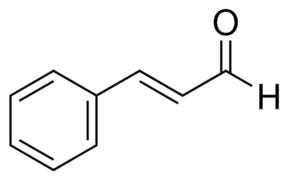
Cinnamaldehyde
Besides being delicious, cinnamon offers some impressive health benefits:
- Antioxidant
- Anti-inflammatory
- Heart-protective (may help lower cholesterol, triglycerides, and blood pressure)
- Improves insulin sensitivity
- May lower blood sugar, with an anti-diabetic effect
So go ahead — be generous. Whether you make it at home or buy it at the Christmas market, I hope it’s as good as the one I remember.
메타데이터
- post_id
- 2fa87bd5bf70
- slug
- mulled-wine-2fa87bd5bf70
- url
- https://medium.com/@The_Curious_Pharmacist/mulled-wine-2fa87bd5bf70
- canonical_url
- https://medium.com/@The_Curious_Pharmacist/mulled-wine-2fa87bd5bf70
- author_url
- https://medium.com/@The_Curious_Pharmacist
- status
- ok
- fetched_at
- 2026-06-09 15:37:30