Future of Smart Classrooms: Transforming the Way Students Learn
Technology is changing almost every aspect of modern life, and education is no exception. Classrooms are moving beyond traditional…
Future of Smart Classrooms: Transforming the Way Students Learn
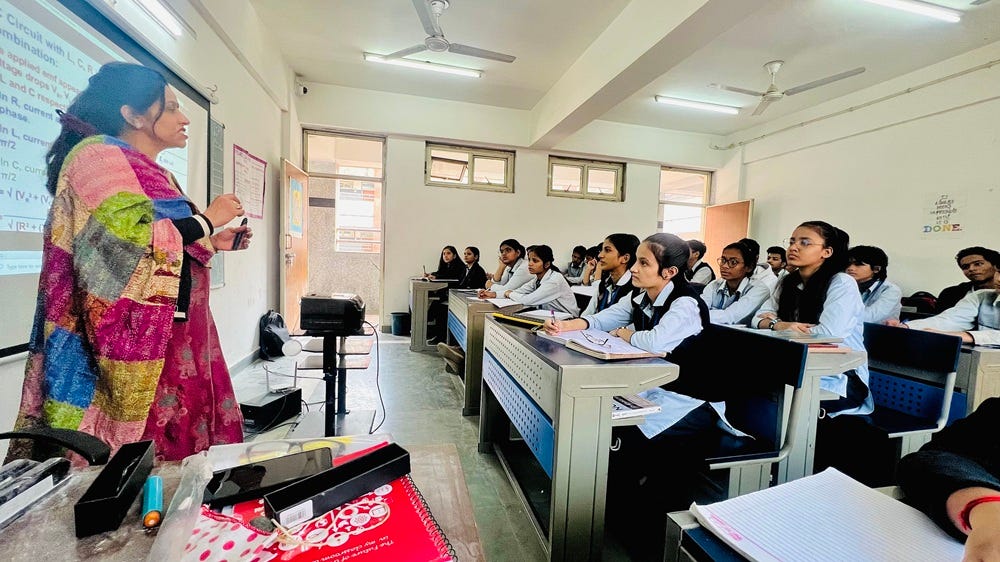
Technology is changing almost every aspect of modern life, and education is no exception. Classrooms are moving beyond traditional blackboards and textbooks toward connected, interactive, and technology-enabled learning environments. The future of smart classrooms focuses on using digital technologies to make education more engaging, personalized, collaborative, and accessible for students and teachers.
What Are Smart Classrooms?
A smart classroom is a technology-enabled learning environment that uses digital tools to enhance classroom teaching. Interactive displays, digital boards, multimedia content, learning management systems, cloud-based platforms, and educational applications can all be part of a smart classroom ecosystem.
These technologies allow teachers to present lessons using videos, animations, simulations, and interactive activities. Students can participate more actively and explore concepts through visual and experiential learning.
AI Will Shape the Future of Smart Classrooms
Artificial Intelligence is expected to play an important role in the next generation of smart classrooms. AI-powered education platforms can analyze student performance, identify learning gaps, and recommend suitable learning resources.
Personalized learning can help students progress according to their individual needs. At the same time, teachers can use AI-generated insights to understand classroom performance and provide targeted academic support.
AI can also assist with routine activities such as assessment, feedback, and performance analysis, allowing teachers to dedicate more time to mentoring and meaningful interaction with students.
Interactive Learning Experiences
The future classroom will be increasingly interactive. Digital boards and interactive displays can replace static teaching methods with multimedia-rich lessons.
Teachers can use animations, educational videos, virtual demonstrations, quizzes, and simulations to explain difficult concepts. Students can participate directly in activities, collaborate with classmates, and receive immediate feedback.
This approach can make lessons more engaging while supporting different learning styles.
Hybrid and Connected Classrooms
Smart classroom technology also enables schools to combine physical and online learning. Hybrid classrooms allow students to participate in lessons remotely while teachers continue teaching students in the physical classroom.
Cloud-based platforms and Learning Management Systems provide access to learning materials, assignments, assessments, and other resources beyond school hours. This creates greater flexibility and supports continuous learning.
Empowering Teachers
Technology should support teachers rather than replace them. Future smart classrooms will provide educators with tools for lesson planning, digital content delivery, assessment, classroom management, and student performance tracking.
However, effective implementation requires continuous teacher training. Educators need the confidence and skills to integrate technology into their teaching methods and use digital tools effectively.
Benefits for Students and Schools
Smart classrooms can provide several benefits, including:
- Greater student engagement and participation
- Personalized and adaptive learning experiences
- Access to diverse digital learning resources
- Improved collaboration between students and teachers
- Real-time assessment and performance insights
- Flexible support for hybrid learning
- Development of digital and future-ready skills
For schools, connected technologies can also improve academic monitoring and support data-driven decision-making.
The Future of Education Technology
Emerging technologies such as Artificial Intelligence, Augmented Reality, Virtual Reality, cloud computing, and learning analytics are likely to further transform smart classrooms. These technologies can create immersive learning experiences and provide deeper insights into student progress.
The goal, however, should not simply be to add more technology to classrooms. Successful smart education requires a balanced combination of technology, effective pedagogy, trained teachers, and student-centered learning.
Conclusion
The future of smart classrooms is about creating more intelligent, interactive, and flexible learning environments. By combining AI, digital content, interactive technology, and connected education platforms, schools can provide students with richer learning experiences while empowering teachers with better tools.
As educational technology continues to evolve, smart classrooms will become an important part of building innovative and future-ready schools that prepare students for an increasingly digital world.
메타데이터
- post_id
- 2ff355a60bba
- slug
- future-of-smart-classrooms-transforming-the-way-students-learn-2ff355a60bba
- url
- https://medium.com/@schoolnetindia.1/future-of-smart-classrooms-transforming-the-way-students-learn-2ff355a60bba
- canonical_url
- https://medium.com/@schoolnetindia.1/future-of-smart-classrooms-transforming-the-way-students-learn-2ff355a60bba
- author_url
- https://medium.com/@schoolnetindia.1
- status
- ok
- fetched_at
- 2026-09-08 10:59:00






