How Psilocybin Rewires the Human Brain: A Breakthrough That Changes Everything We Know About…
Executive Summary
How Psilocybin Rewires the Human Brain: A Breakthrough That Changes Everything We Know About Consciousness, Trauma, and Identity
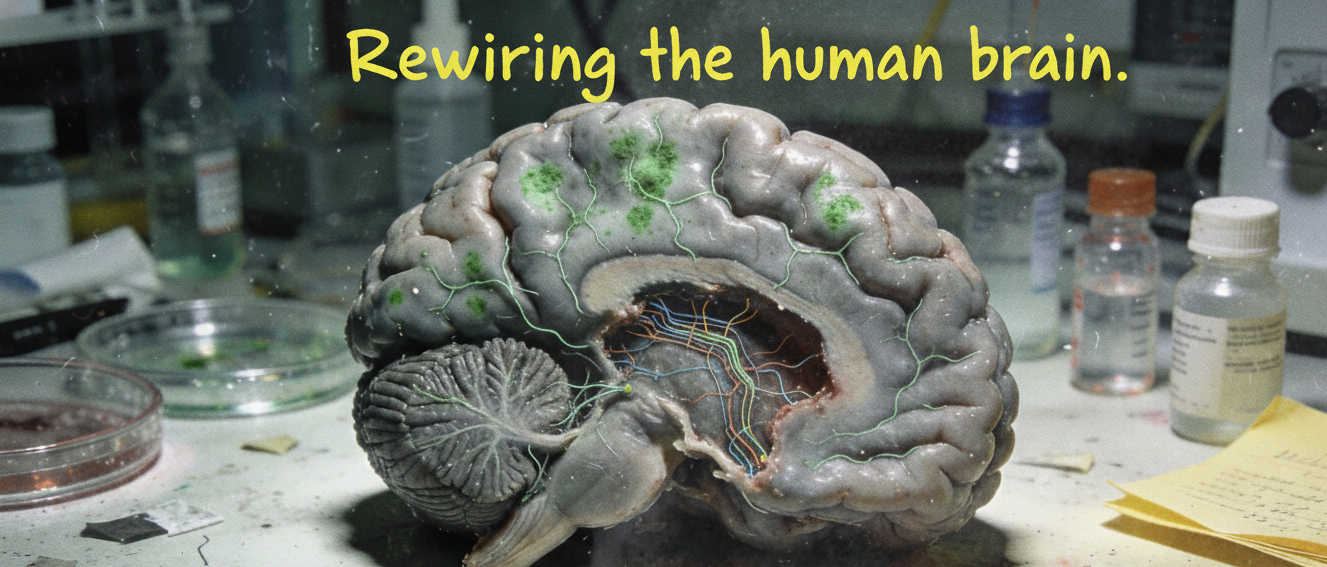
Executive Summary
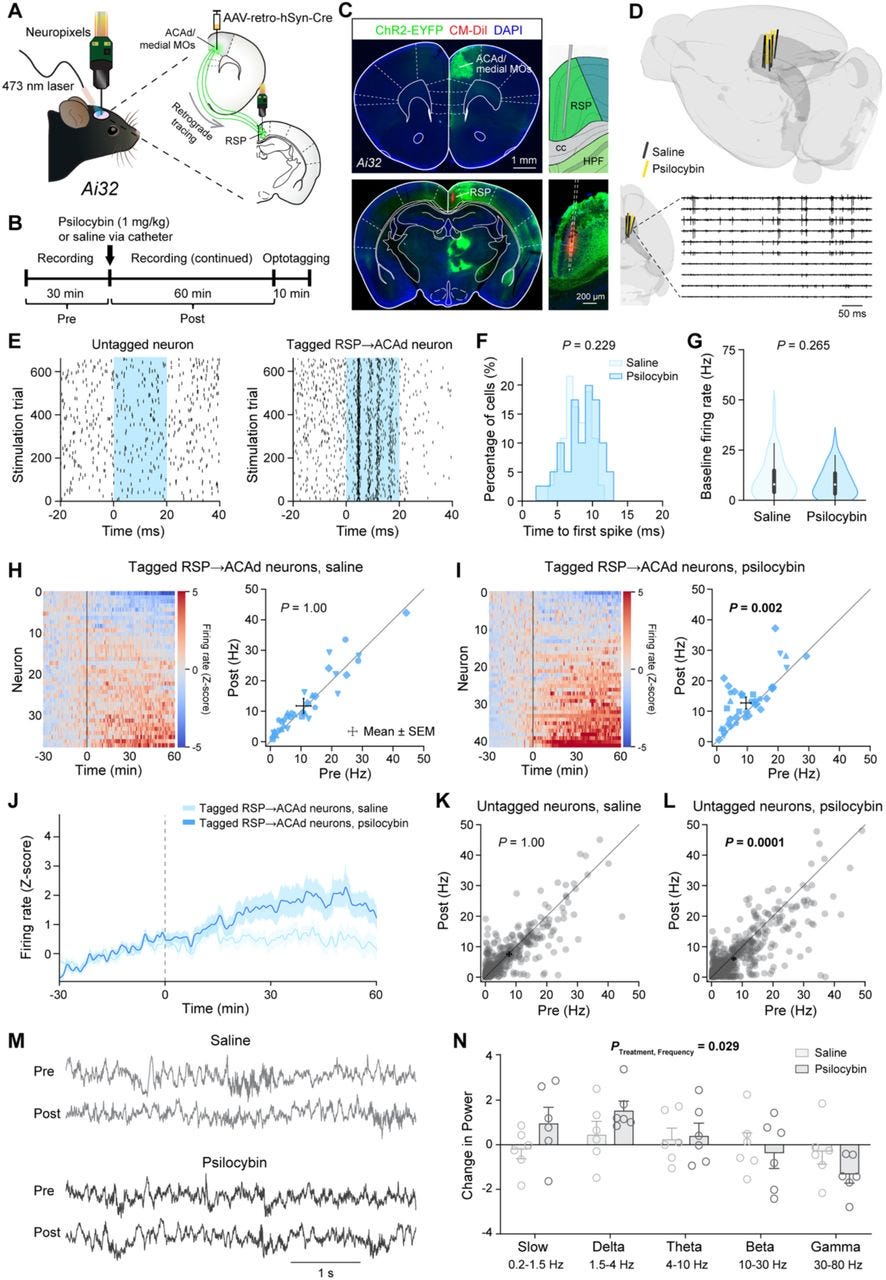
On December 5, 2025, neuroscientist Alex Kwan and colleagues at Cornell University, the Allen Institute for Brain Science, and the Chinese University of Hong Kong published findings in *Cell* that represent a watershed moment in consciousness research.
Using a genetically engineered rabies virus as a neural tracer, they created the first complete map of how psilocybin physically rewires brain circuitry — not just that it changes the brain, but exactly which circuits change, by how much, and whether that rewiring is controllable.
The results are paradigm-shifting: psilocybin strengthens sensory and perception circuits while weakening self-referential, rumination, and threat-detection circuits — a pattern so organized and consistent it suggests profound reliability.
Most remarkably, the researchers proved that this rewiring is activity-dependent: only neurons that fire during the psychedelic experience undergo restructuring, making neural plasticity potentially programmable.
This discovery opens unprecedented therapeutic possibilities for depression, PTSD, and trauma — but simultaneously raises unprecedented ethical concerns about consciousness manipulation and identity restructuring.
The Methodology: Weaponizing Rabies to See the Invisible
The technical achievement underpinning this research deserves emphasis: the researchers transformed rabies — the deadliest pathogen on Earth — into a precision neuroscience instrument.
Rabies naturally spreads backward through the nervous system, jumping synapse-to-synapse in a lethal cascade. Kwan’s team engineered a version that could only traverse a single synapse, deleted the gene enabling lethal replication, and tagged it with green fluorescent protein.
The result: a virus that creates a glowing trail marking which neurons connect to which other neurons.
The 21-Day Experimental Protocol
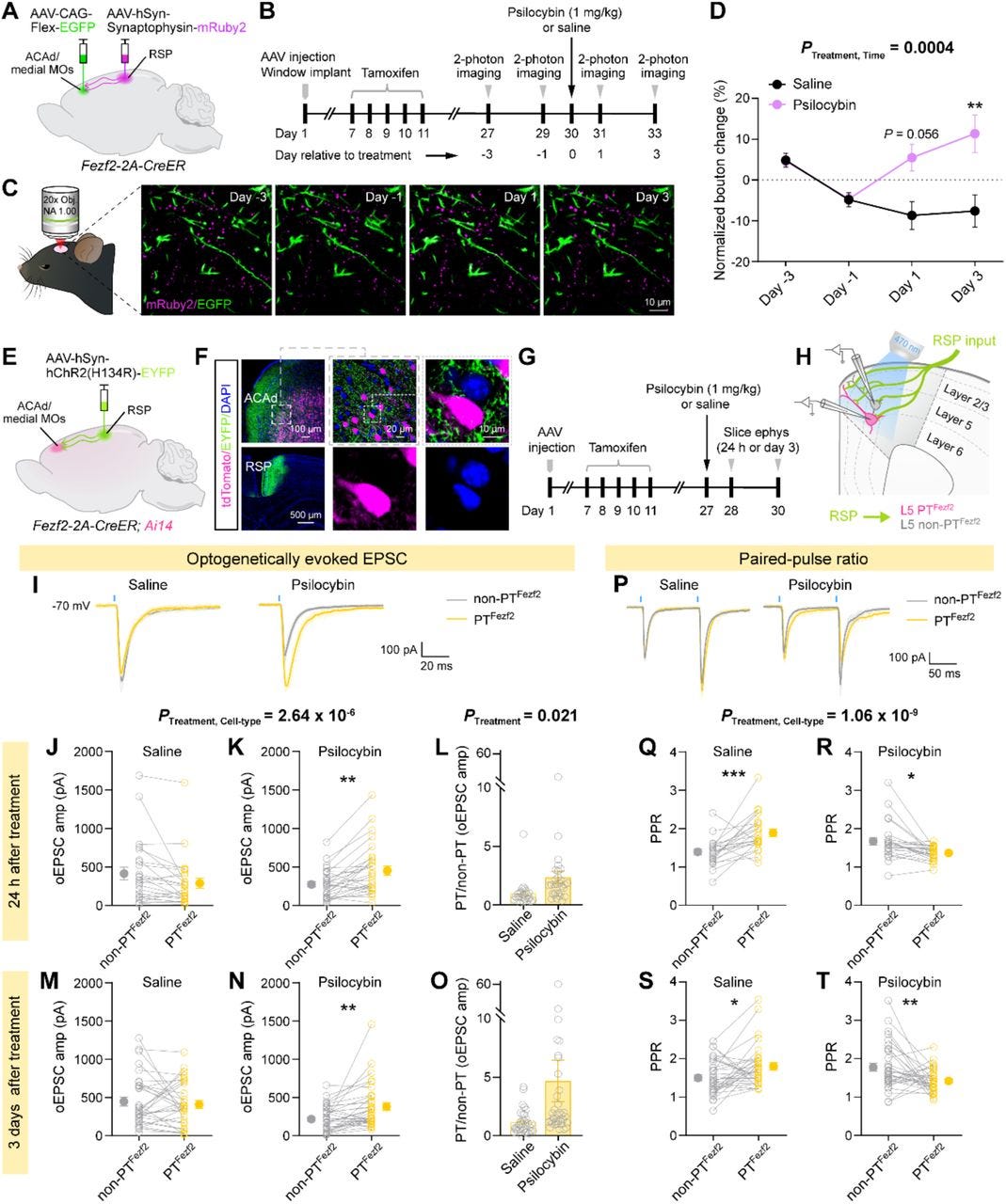
- Day 1: Helper AAV virus injected into the medial frontal cortex to prime specific neurons
- Day 14: Psilocybin (1 mg/kg — therapeutically equivalent to human dosing) or saline administered
- Day 16: Engineered rabies virus injected into the same brain region
- Day 21: Brains harvested and prepared for light-sheet microscopy, creating millions of ultra-thin optical slices
The imaging phase involved scanning over 500,000 neural inputs per brain across 316 distinct brain regions — the first complete connectome showing psychedelic-induced rewiring.
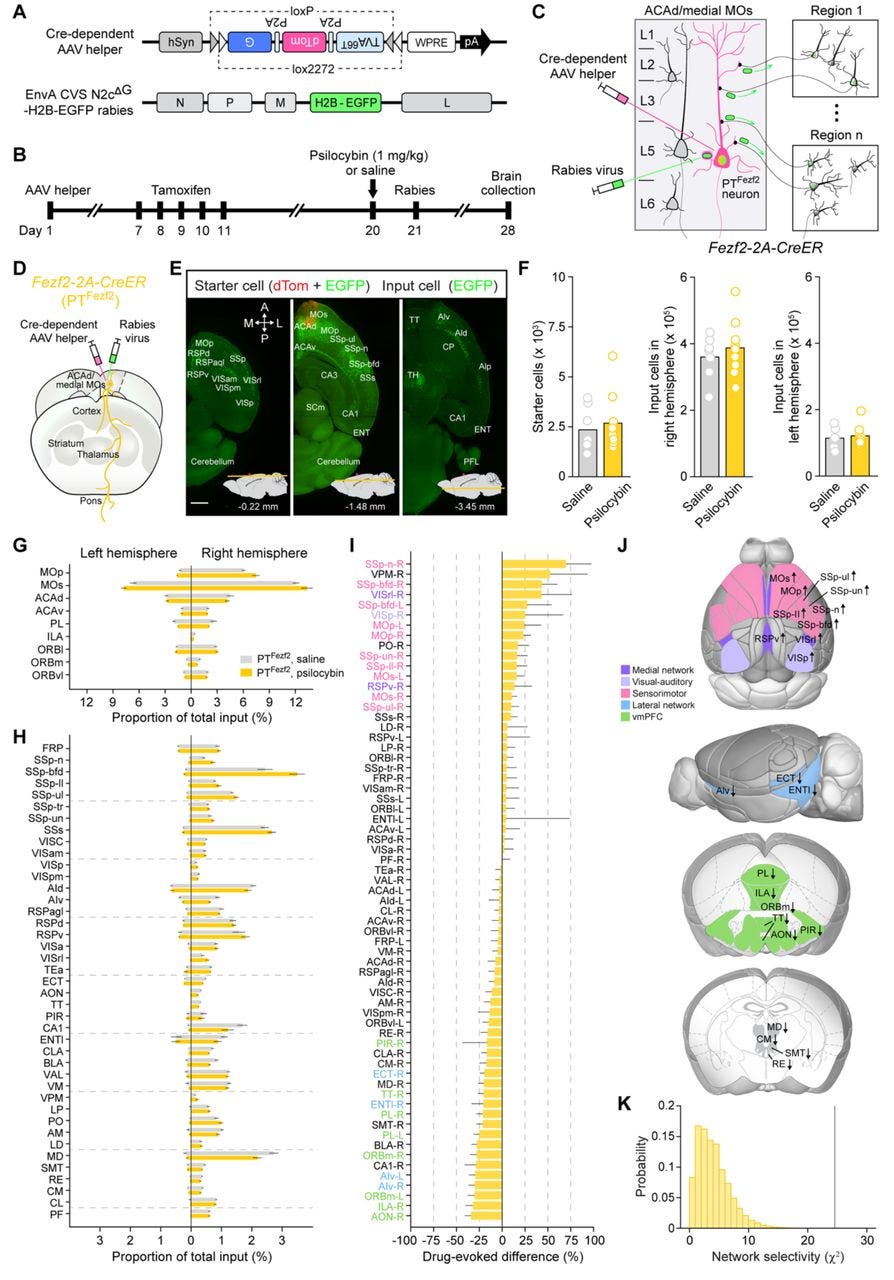
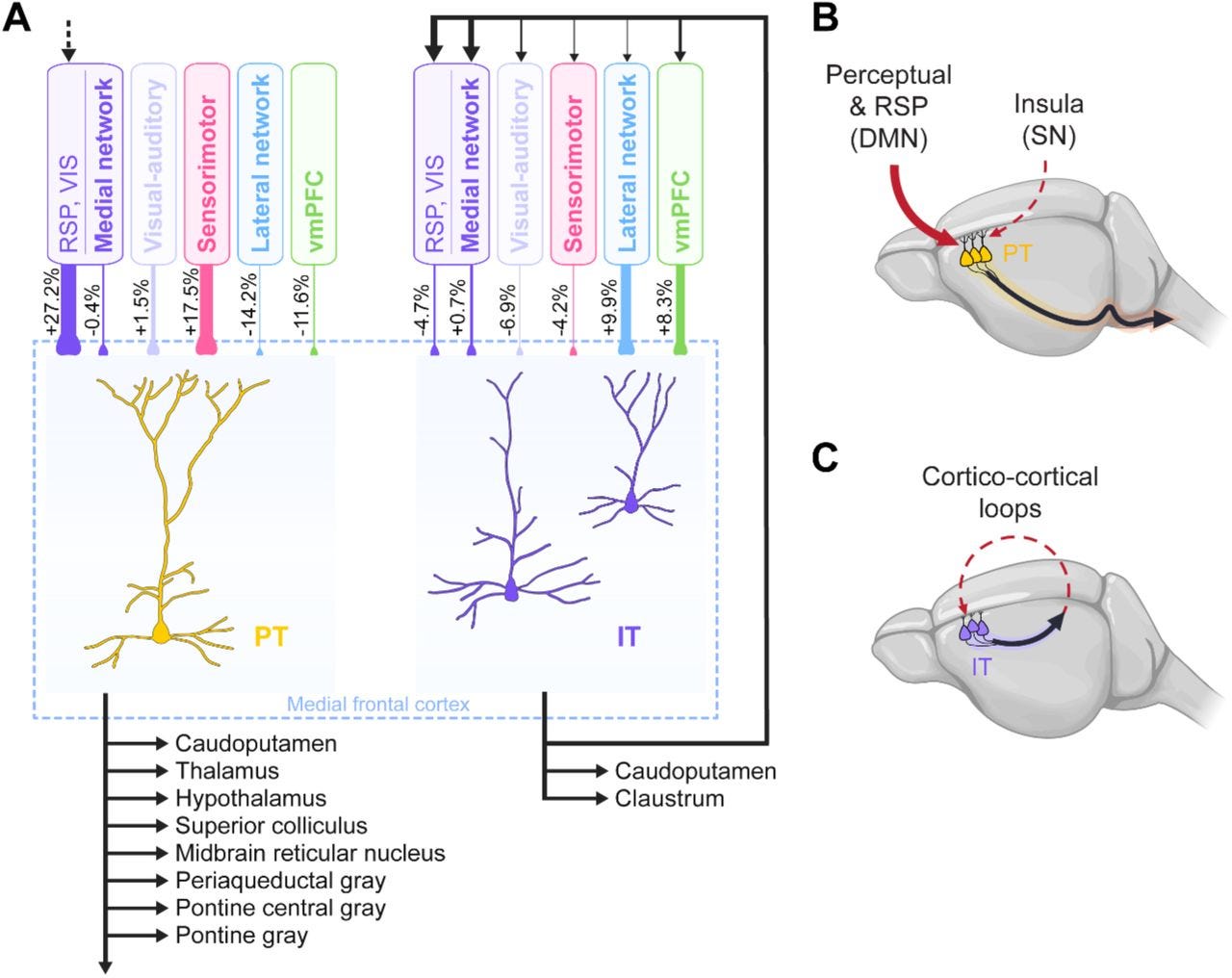
Psilocybin’s Network-Specific Rewiring
What Changed: The Network-Specific Restructuring
The findings contradicted initial expectations of random rewiring. Instead, researchers discovered a statistically improbable pattern of organization.
Circuits That Strengthened
Sensory and perceptual pathways increased connectivity:
- Primary visual cortex (vision)
- Primary somatosensory cortex (touch and body awareness)
- Motor cortex (action and movement)
- Retrosplenial cortex (spatial memory)
This explains why the world feels more vivid and saturated on psilocybin — the brain literally wires itself to process external sensory information more intensely. The connection between perception and action is tightened.
Circuits That Weakened
Self-referential and rumination pathways decreased connectivity:
- Infralimbic cortex (fear responses)
- Insula (anxiety and threat detection)
- Hippocampus (memory consolidation)
- Amygdala (emotional processing)
- Orbital frontal cortex (rumination and expectation)
These findings align perfectly with human neuroimaging studies showing that psilocybin reduces default mode network connectivity — the brain region implicated in depression and rumination.
By weakening these circuits, psilocybin temporarily quiets the “engine of depression” — the self-referential loops that maintain depressive and anxious states.
The Paradigm-Shifting Discovery: Rewiring Is Programmable
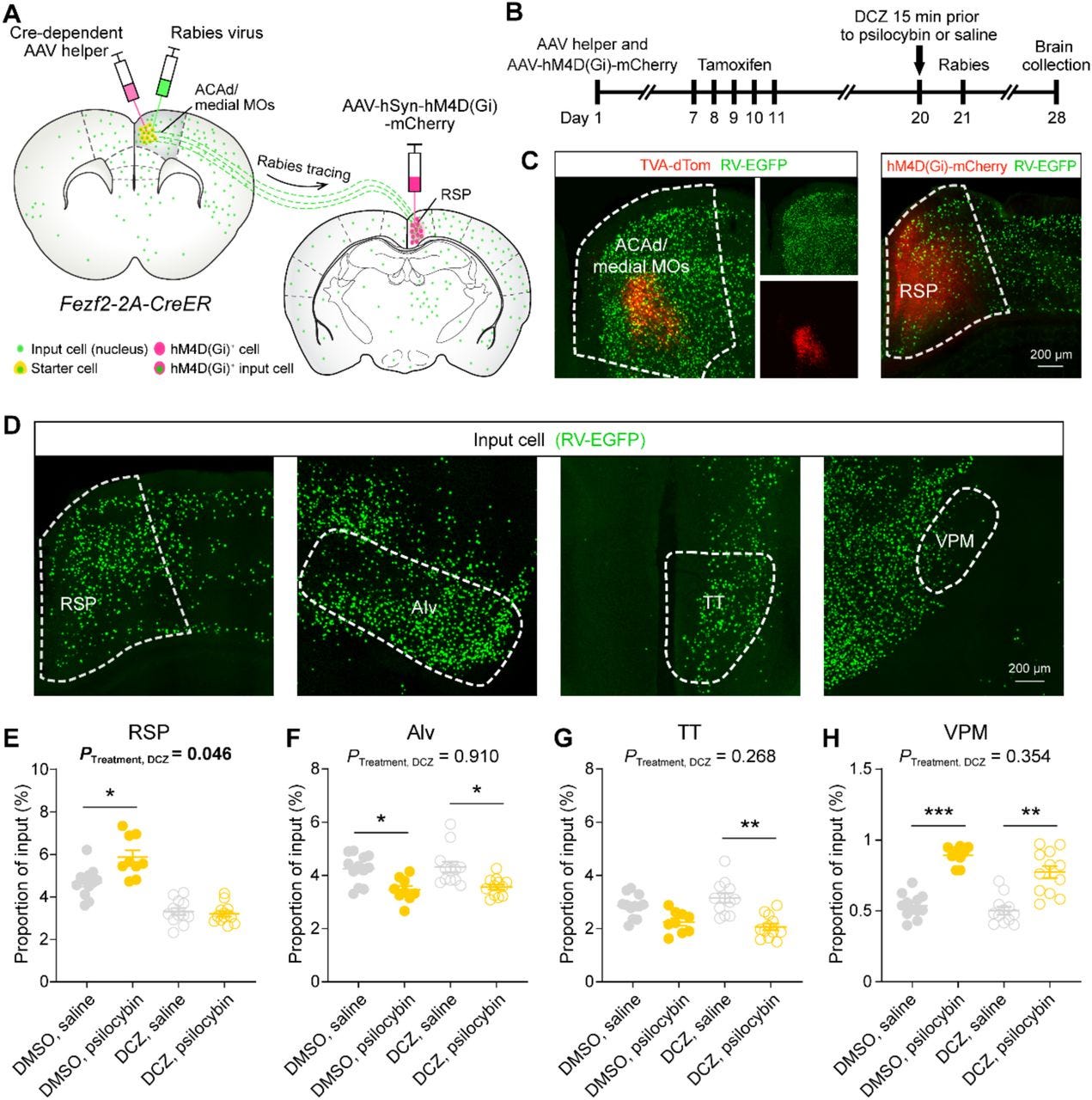
The most significant finding emerged from a proof-of-concept experiment that demonstrates activity-dependent plasticity.
The researchers chemogenetically silenced a single brain region (the retrosplenial cortex) during psilocybin administration. The result: the silenced region did not rewire, but all other active regions underwent their normal restructuring.
This reveals a fundamental principle: only neurons that fire during the psychedelic experience get restructured. Inactive neurons remain unchanged.
In other words, “you become what you pay attention to” during the psychedelic state. The circuits that are active get the new synaptic infrastructure; the circuits that are quiet remain architecturally unchanged.
The Implications Are Extraordinary
- Neural rewiring is not random — it’s activity-dependent: The brain’s plasticity during psilocybin follows neural activity patterns, not some inherent drug mechanism
- Rewiring is potentially steerable: If attention determines which circuits get restructured, then guiding attention during a psychedelic session could theoretically direct plasticity toward therapeutic circuits
- Context is neuroscience-critical: What you do, perceive, think about, and attend to during a psilocybin experience directly determines which neural patterns will be permanently rewired
Therapeutic Implications: From Depression to Identity Reconstruction
The mechanistic understanding opens concrete therapeutic possibilities:
For Depression
The weakening of rumination circuits (orbital frontal cortex, default mode network) combined with reduced fear and anxiety processing provides the neural basis for psilocybin’s remarkable efficacy in treatment-resistant depression.
Clinical trials show single-dose psilocybin-assisted therapy producing remission in 50–70% of patients with major depression — far exceeding traditional antidepressants.
For PTSD and Trauma
The weakening of threat-detection (insula, amygdala) and fear-processing circuits while strengthening sensory and motor circuits could facilitate what trauma therapists call the “window of tolerance” — allowing trauma survivors to experience external stimuli without the fear-cascade that normally triggers re-traumatization.
For Therapeutic Guidance
Understanding that rewiring is activity-dependent suggests that therapists could potentially:
- Guide visual stimuli during psilocybin to strengthen visual processing and perceptual flexibility
- Direct attention toward new self-models or identity possibilities while old self-referential circuitry is offline
- Use music, somatic work, or guided visualization to shape which circuits get strengthened
- Potentially combine psilocybin with transcranial magnetic stimulation (TMS) to amplify rewiring of therapeutic circuits
The Kwan study provides, for the first time, a precise neural mechanism explaining why single-dose psychedelic-assisted therapy can produce lasting personality and value changes — changes that persist months or years after the acute drug effect wears off.
Ethical Concerns: The Double-Edged Sword of Consciousness Engineering
The same mechanistic understanding that enables therapeutic healing also illuminates potential for manipulation. This is where the research becomes ethically vertiginous.
If whoever controls attention during a psychedelic window determines which neural circuits get restructured, then whoever controls attention controls what gets strengthened, what gets weakened, and which version of identity emerges.
Documented Risks
- Unwanted personality changes: Patients report shifts in spirituality, belief systems, and core values that weren’t therapeutic goals — atheists becoming spiritual, religious people losing faith
- Identity instability: Some patients report disorienting questions about “who they are” after experiencing profound value shifts
- Trauma re-exposure: Patients occasionally relive or construct memories of trauma during psychedelic experiences, sometimes with therapeutic support insufficient to process
- Lasting effects beyond clinical scope: While beneficial for depression, personality restructuring could be distressing if it conflicts with a person’s prior values or relationships
Hypothetical Risks
Given the Kwan findings, these scenarios become neurologically plausible:
- In institutional contexts (corporations, cults, authoritarian regimes), guided psilocybin experiences could become extraordinarily effective identity-restructuring tools
- Commercial entities could theoretically use psychedelics with carefully curated narratives to reshape consumer values or identity alignment with brands
- The line between therapeutic guidance and manipulation becomes microscopically thin when identity itself is being restructured
The research doesn’t prove these scenarios are happening. But it proves, for the first time, that they’re neurologically feasible. Consciousness may be engineerable.
Limitations and Bridge to Human Application
Critical caveat: This study was conducted in mice.
While mouse brains share fundamental organizational principles with human brains, mice lack the prefrontal cortex complexity, linguistic capacity, self-awareness, and reflective consciousness that characterize human experience.
The mechanisms Kwan identified are likely conserved in humans — threat detection, memory processing, and sensory integration exist across mammalian species. But the complexity, integration, and behavioral expression will be dramatically different.
Human neuroimaging evidence supports translation of the core findings: psilocybin reduces default mode network connectivity in humans, increases sensory network integration, and these changes correlate with therapeutic improvement.
But direct synaptic mapping at single-synapse resolution (like Kwan achieved in mice) is not yet possible in living humans.
Duration question: The study documented rewiring persisting at least one week in mice. Whether the specific synaptic changes also persist for the months or years that clinical improvements last in humans remains unknown.
What This Means for the Future of Consciousness
The Kwan study represents a threshold. For the first time, neuroscience can watch consciousness restructure itself in the act, at cellular resolution, in response to a specific intervention.
We’re no longer limited to neuroimaging (which shows which regions activate) or behavior (which shows what changed) — we can now see how it changes, mechanistically.
This opens cascading research directions:
- Can psilocybin therapy be optimized using activity-dependent rewiring principles?
- Can we identify which patients will respond best based on their baseline brain connectivity?
- What happens if psilocybin is combined with TMS or other interventions during the plasticity window?
- Can these mechanisms prevent maladaptive restructuring in vulnerable populations?
- Does understanding neural plasticity change how we conceptualize consciousness itself — as something continuous and fixed, or as a dynamic system being perpetually reconstructed?
The Central Tension
The Kwan research illuminates both extraordinary healing potential and genuine risk.
- In ethical, consensual contexts with informed patients who understand the scope of potential change — healing
- In exploitative or coercive contexts where autonomy is compromised — unprecedented tools for consciousness manipulation
The science doesn’t choose between these endpoints. It simply reveals what’s possible. What humanity does with this knowledge is a question for ethics, governance, and individual conscience.
Sources
Cell journal, Alex Kwan Lab (Cornell), Allen Institute, and related psilocybin research.
*Max Petrusenko works remotely in the software development industry and travels the world to stay in touch with the latest trends. His Cryptobase newsletter provides insightful actions that thoughtful people need to take in this fast and chaotic environment. He is also researching topics of spirituality and mysticism and brings them to the mainstream. Join people who follow him on Medium, Twitter, and Substack.*
Read next → Claude Code: The AI Developer’s Secret Weapon
메타데이터
- post_id
- 30ae4f586c74
- slug
- how-psilocybin-rewires-the-human-brain-a-breakthrough-that-changes-everything-we-know-about-30ae4f586c74
- url
- https://medium.com/@max.petrusenko/how-psilocybin-rewires-the-human-brain-a-breakthrough-that-changes-everything-we-know-about-30ae4f586c74
- canonical_url
- https://medium.com/@max.petrusenko/how-psilocybin-rewires-the-human-brain-a-breakthrough-that-changes-everything-we-know-about-30ae4f586c74
- author_url
- https://medium.com/@max.petrusenko
- status
- ok
- fetched_at
- 2026-06-09 15:37:30