GitHub’s June 1 Change Makes AI Review Billable Twice
GitHub’s April 27 pricing change took effect June 1, pairing AI Credits with Actions minutes when private-repo reviews run.
Default Spend
GitHub’s June 1 Change Makes AI Review Billable Twice
GitHub’s April 27 pricing change took effect June 1, pairing AI Credits with Actions minutes when private-repo reviews run.
Share free access to this member-only story with a friend: Read it free here.
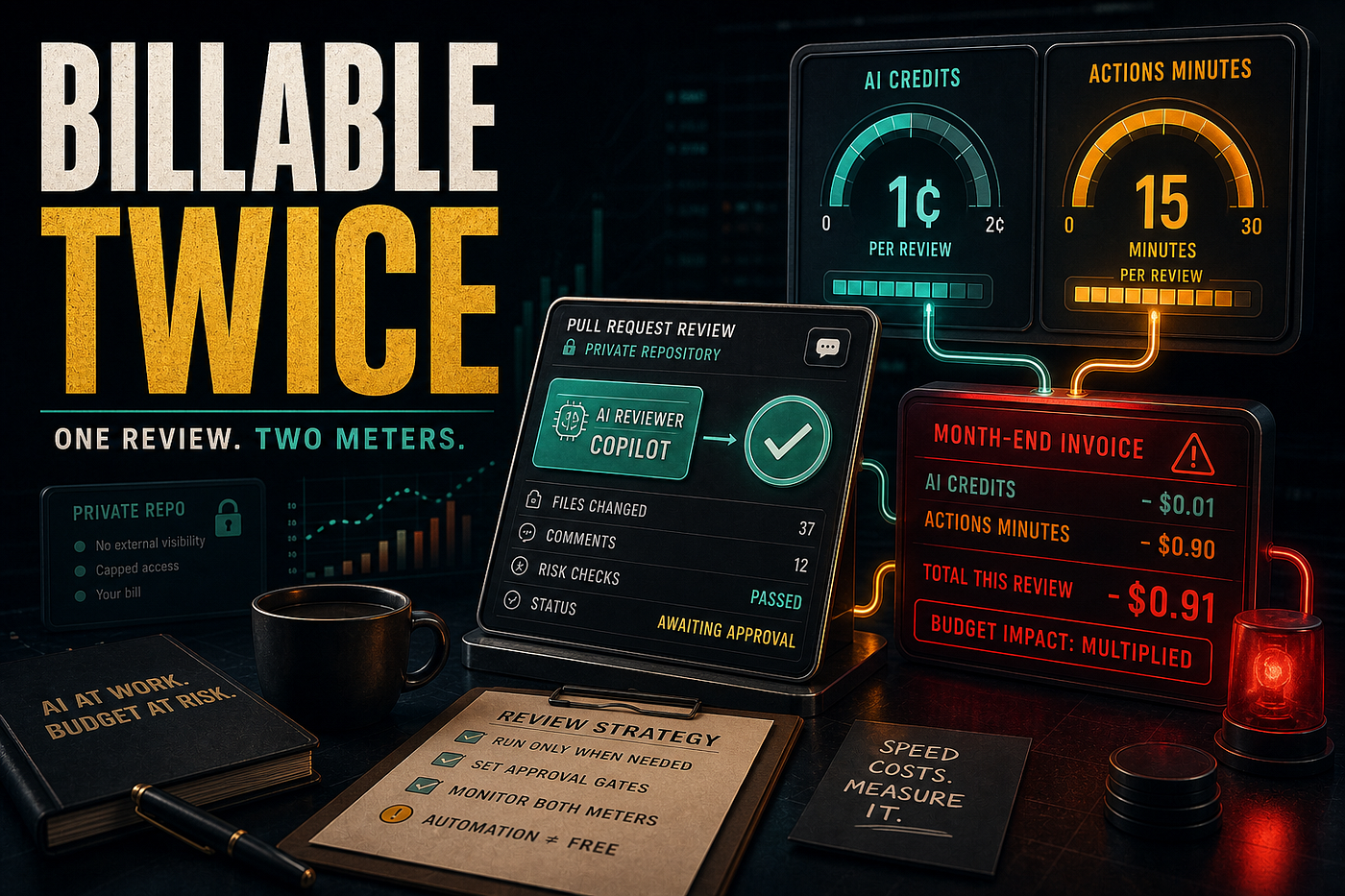
GitHub’s June 1 Change Makes AI Review Billable Twice. Image created by the author with diffusion-synthesis and Python post-processing.
GitHub added Copilot to the pull request reviewer dropdown, and since June 1, 2026, that little menu can hit two bills before a founder opens the month-end statement.
On a private repository, the wrong default turns a normal review habit into a meter: GitHub AI Credits tick down, GitHub Actions minutes get spent, and the charge can land on people who never clicked the button. This is not another vague complaint that AI costs money. GitHub laid out the billing change in Mario Rodriguez’s April 27, 2026 post, GitHub Copilot is moving to usage-based billing: premium request units would become AI Credits on June 1, and Copilot code review would also use GitHub Actions minutes. GitHub’s June 1 changelog then marked usage-based billing live for Copilot plans and repeated that code review consumes Actions minutes in addition to AI Credits.
The dropdown grew a cash drawer.
For founders, CTOs, and engineering owners using Copilot review on private repos, the real question is when it should run, who pays for the meter, and which pull requests still need a human gate before automated comments spend through the budget.
The Review Button Changed Shape
GitHub’s April 27 post is written as a pricing update, but it is really a change in operating physics. Under the old premium request unit model, teams could develop a rough instinct for “big” and “small” Copilot asks. On June 1, the unit shifted to tokens.
Input tokens, output tokens, and cached tokens now roll into AI Credits, with GitHub’s docs defining 1 AI Credit as $0.01.
That sounds clean until code review enters the room. A pull request review is not a tiny chat prompt. It needs diff context, repository context, model calls, and enough reasoning to leave comments that don’t embarrass the machine in front of humans.
GitHub’s models-and-pricing page says Copilot code review is an exception to visible model choice: the model is selected automatically and not disclosed, so per-token costs can vary by review.
That is the first meter. The second one sits beside it. The same GitHub page says each code review is billed in two ways: token use becomes AI Credits, while the agentic infrastructure behind the review consumes Actions minutes.
The cost path is split at the source. A reviewer menu now behaves less like a shortcut and more like a tiny cloud job with commentary privileges.
The practical move is simple: stop judging Copilot review by comment quality alone. Track it by PR class. A config typo, a README edit, and a cross-service auth change don’t deserve the same automated spend.

Figure 2. Proof of market timing: The cited source, June 1 changelog, gives the article the product change and date readers can verify. Source: GitHub
The first is a speed bump. The third is a cash register with a security badge.
The Second Meter Lives in Actions
The sharpest part of the change is attribution. GitHub’s pricing docs say Actions minutes for Copilot review are attributed to the repository, and from there to the enterprise or cost center when applicable. AI Credits are charged to the person who requests the review, or to the author when a policy triggers it automatically.
If neither person has a Copilot seat, the usage falls back to the enterprise or cost center.
That’s where the prisoner’s dilemma starts. Every team wants faster feedback on its pull requests. Nobody wants to be the person who says, “Actually, slow down the review button because finance hasn’t seen the runner bill.” So the cost spreads into a shared pool, and the rational team-level move becomes the irrational company-level habit.
The Actions side is not symbolic. GitHub’s Actions billing docs say private repositories consume plan minutes for GitHub-hosted runners, then bill overages at standard Actions rates. The same page lists 3,000 included Actions minutes for GitHub Team and 50,000 for GitHub Enterprise Cloud, with baseline hosted Linux runner minutes at $0.006.
Those numbers won’t scare a scaled enterprise. They will sneak past a startup because the first few reviews feel close to free.
That is how habits form in cloud software. A button looks harmless. A default spreads.
A cost center becomes a shared pond. By the time the bill is weird enough to raise eyebrows, the team has already trained itself to expect machine feedback on every branch and every push.
GitHub even gives admins a forensic breadcrumb. In Actions metrics, filter for copilot-pull-request-reviewer; in billing reports, the path appears as dynamic/agents/copilot-pull-request-reviewer. That is the line to pull before the spend becomes folklore.

Figure 3. Proof of operating detail: The cited source, 1 AI Credit as $0.01, gives the article the implementation surface teams must design around. Source: GitHub
If you run private repos, somebody should look at that filter this week.
Automatic Review Changes Incentives
Manual Copilot review has a human moment built into it. Someone opens the Reviewers menu and chooses Copilot. That click is a tiny pause, and pauses are useful.
They force a question: does this pull request deserve machine review right now?
Automatic review removes the pause. GitHub’s automatic review docs show how a repository or organization ruleset can request Copilot review for targeted branches or repositories. The options can also include new pushes and draft pull requests.
That sounds like quality moving left. It can also mean spend moving into every messy draft, rebased branch, and nervous force-push before a human even knows the work is shaped.
The product promise is not fake. Early feedback can catch simple mistakes before a senior reviewer spends attention on them. GitHub’s own code review docs say Copilot usually takes less than 30 seconds on GitHub.com, leaves comments, and can offer suggested changes.
It also does not approve, request changes, count toward required approvals, or block merging. That matters. Copilot can speed the room up, but it does not carry the legal, security, or architectural responsibility of the room.
Founders should separate reviews into three buckets. Low-risk churn can use manual review or cheap rules. Medium-risk product changes can run automatic review with caps.
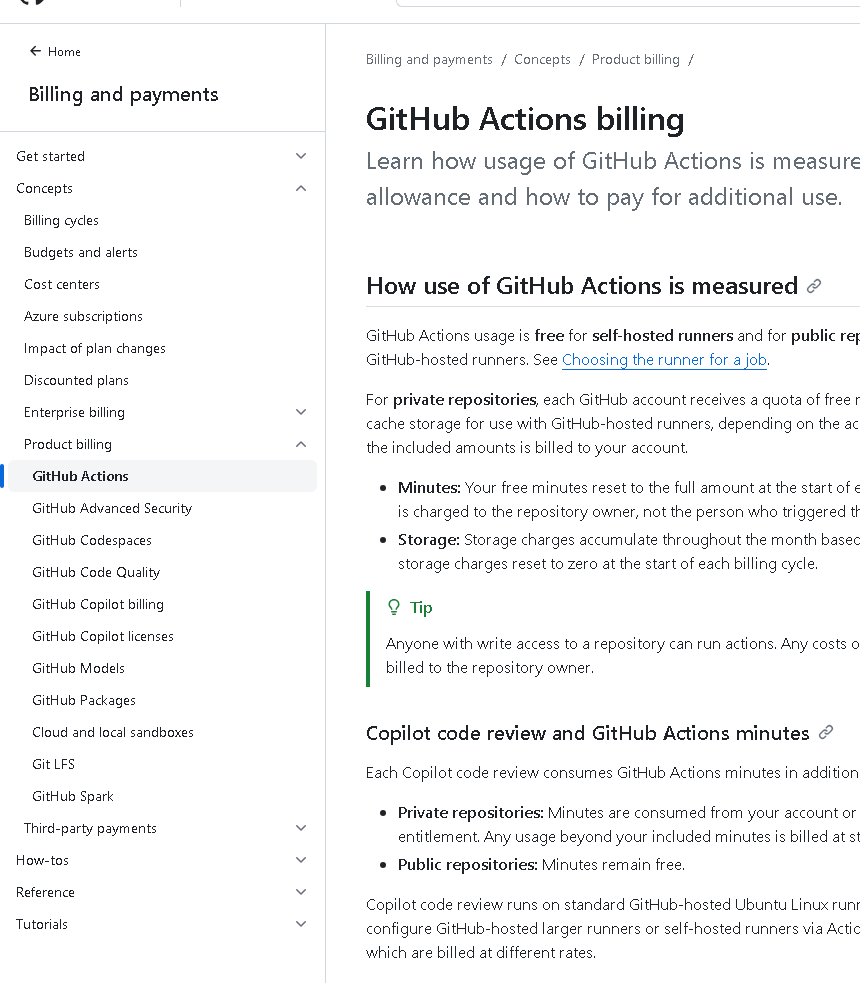
Figure 4. Proof of operating detail: The cited source, Actions billing docs, gives the article the implementation surface teams must design around. Source: GitHub
High-risk work such as auth, billing, data deletion, permissions, encryption, deployment code, and cross-service migrations still needs human gating before automation creates false comfort. The point is not to worship human review. Human review misses things too.
The point is to make accountability land on the person who can actually carry it.
GitHub’s review effort setting makes the same lesson visible. Low effort is the default. Medium effort is in public preview, aimed at deeper analysis of complex logic, security-sensitive code, and cross-service changes.
GitHub says Medium reviews use more Actions minutes and AI Credits. There it is, nicely dressed: better review costs more because it does more work.
Put the Control Plane Before the Habit
The budget page is less glamorous than the review dropdown, which is why it matters. GitHub’s budget docs say Copilot usage can be governed at user, cost center, and enterprise levels. User-level budgets are the hard stop.
Cost-center and enterprise budgets cap metered charges after the shared pool is exhausted, and they only hard-stop when “Stop usage when budget limit is reached” is enabled.
Read that twice if you own the P&L. A cap that tracks spend without stopping usage is not a guardrail. It is a weather report.
For Copilot Business and Enterprise, the pool also changes the game. GitHub’s organization billing docs list 1,900 AI Credits per Business user per month and 3,900 per Enterprise user after the promotional period. Existing customers get higher monthly amounts from June 1 through September 1, 2026: 3,000 for Business and 7,000 for Enterprise.
That grace period is useful, but it can train the wrong muscle. Teams build habits during promotional months and discover the true unit economics after the cushion disappears.
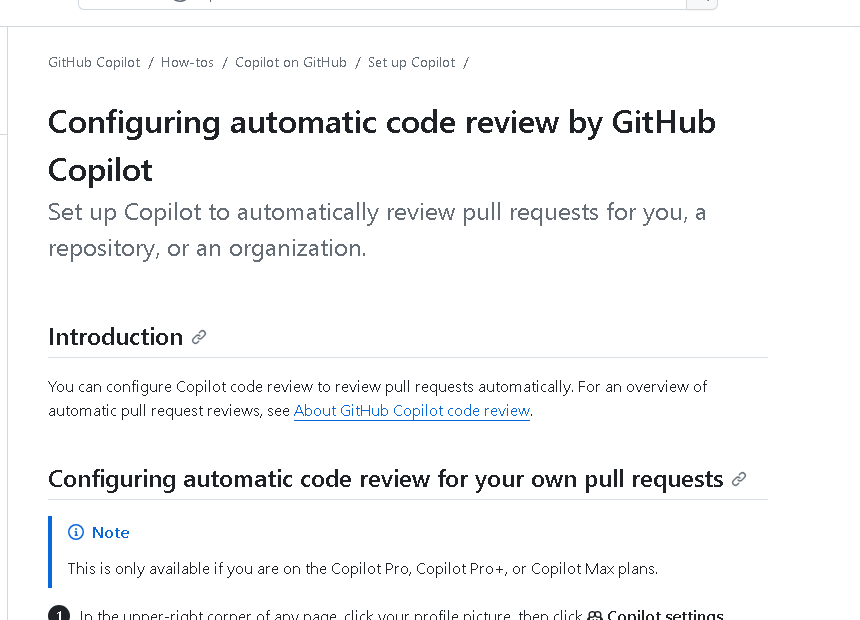
Figure 5. Proof of operating detail: The cited source, automatic review docs, gives the article the implementation surface teams must design around. Source: GitHub
The sane control plane is not elaborate. Start with three visible moves and keep them boring enough to survive a busy sprint.
-
Set a universal user-level AI Credit budget first, then grant higher individual limits to people doing approved agent-heavy work.
-
Scope automatic Copilot review by repository pattern and branch risk, not by optimism. Drafts and new pushes should earn their way in.
-
Review
copilot-pull-request-reviewerActions usage beside AI Credit usage every week until the baseline is boring.
That last word matters. Boring is the goal. A founder should be able to glance at the review bill and understand the shape: how many reviews ran, which repos triggered them, which people or policies requested them, and which classes of PR produced useful comments.
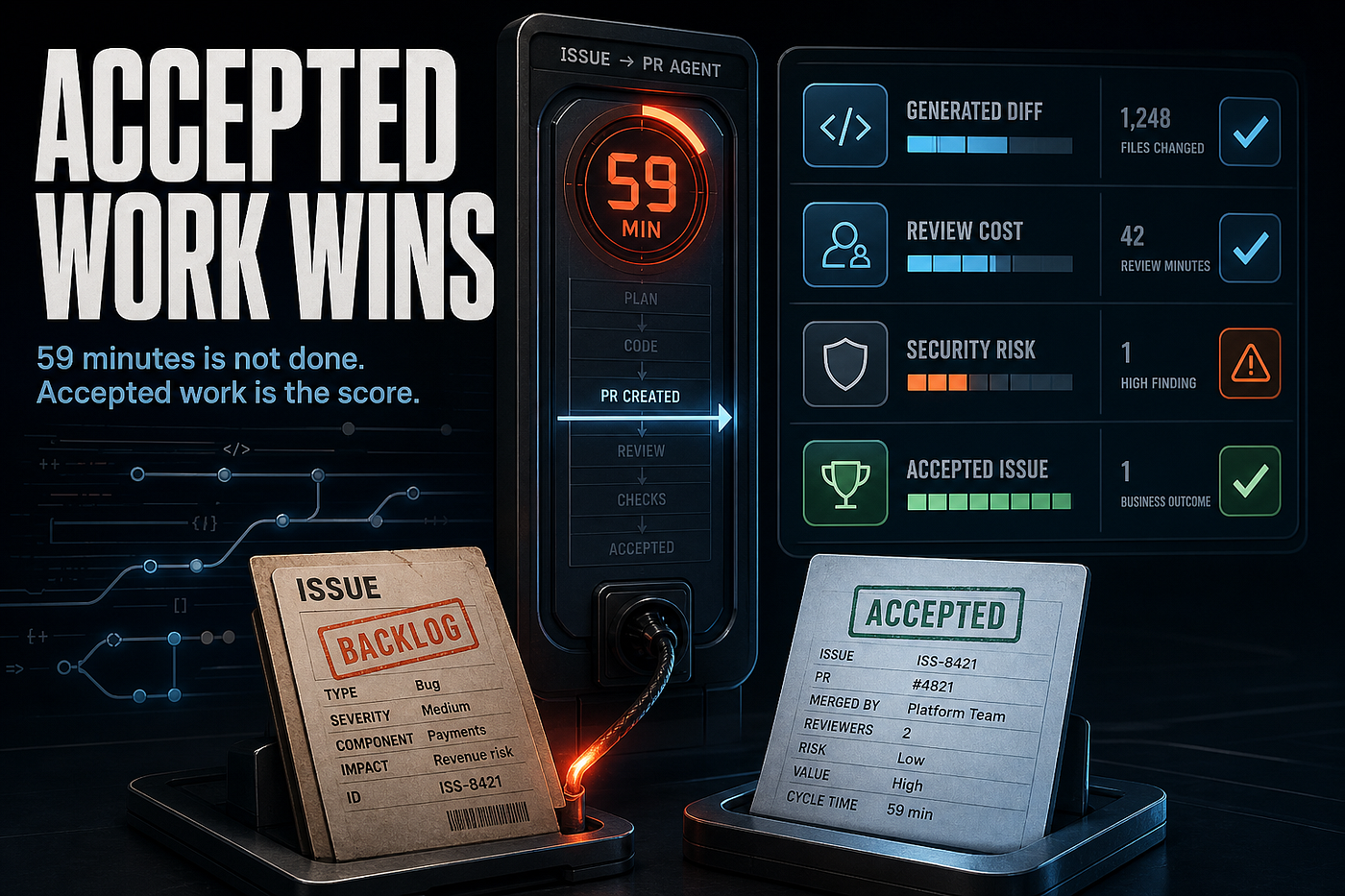
Another useful companion metric is accepted work. If the review comment never changes the diff, it belongs in the entertainment budget, not the engineering budget.
The strategic error is treating AI code review as a moral referendum. It is not. It is a priced reviewer with narrow authority, useful speed, and uneven liability.
The winning move is to make the meter visible before the ritual becomes sacred.
GitHub’s April 27 post did not kill Copilot review. It made the trade visible. On private repositories after June 1, 2026, the review button is no longer just a promise of faster feedback; it is an operating decision that spends AI Credits, consumes Actions minutes, and tests whether the team knows which pull requests deserve automation before the bill does.
The button can still save time, but only if somebody owns the meter before it owns the habit. Thanks to the builders keeping that line clear.
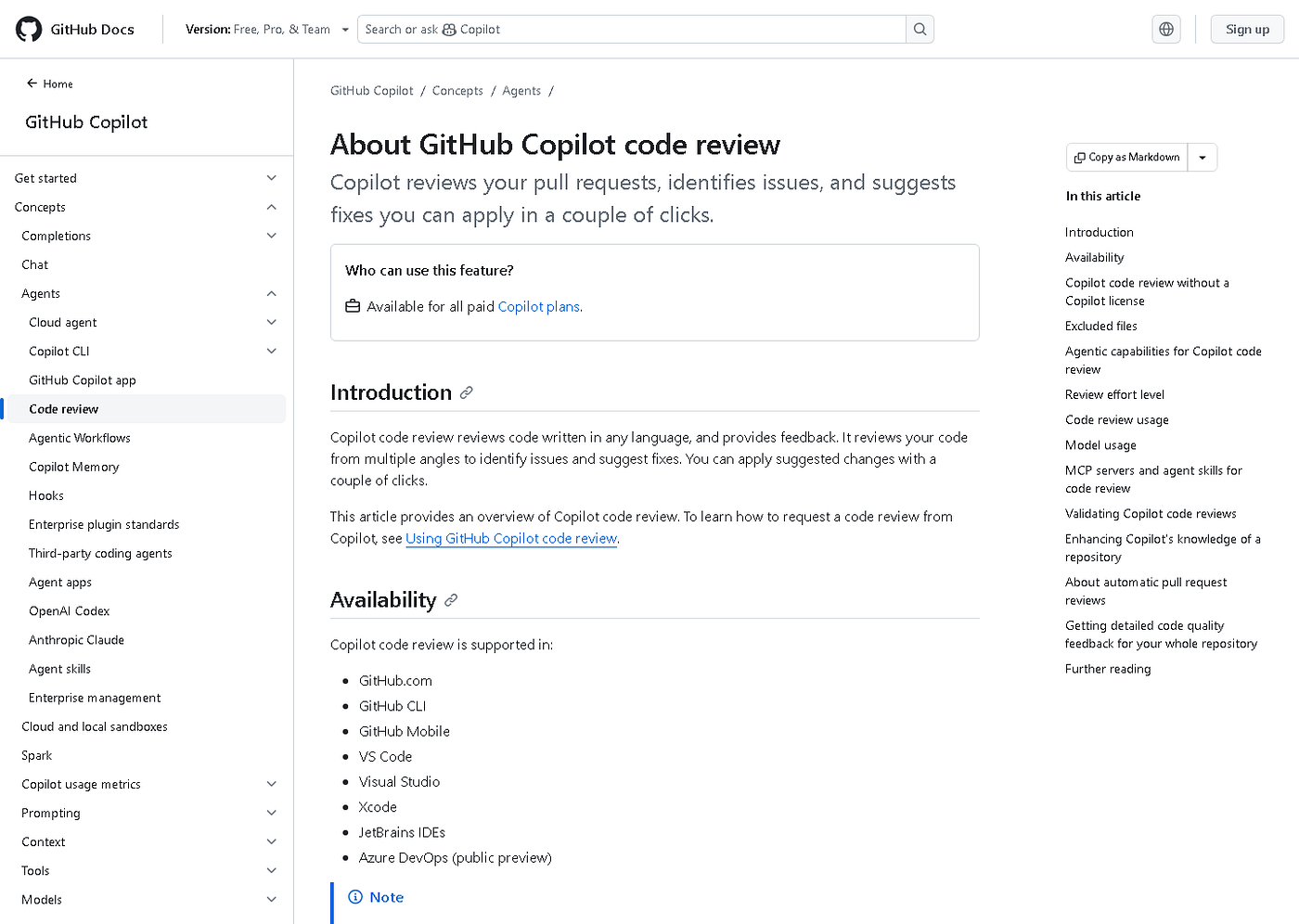
Figure 6. Proof of operating detail: The cited source, code review docs, gives the article the implementation surface teams must design around. Source: GitHub
Related reading
메타데이터
- post_id
- 30dda2d27a89
- slug
- githubs-june-1-change-makes-ai-review-billable-twice-30dda2d27a89
- url
- https://medium.com/kairi-ai/githubs-june-1-change-makes-ai-review-billable-twice-30dda2d27a89
- canonical_url
- https://medium.com/kairi-ai/githubs-june-1-change-makes-ai-review-billable-twice-30dda2d27a89
- author_url
- https://medium.com/@james.kuhman
- status
- ok
- fetched_at
- 2026-07-09 15:12:33