Understanding Durum Wheat and Semolina: A Comprehensive Guide
Durum wheat and semolina are staples in many kitchens around the world, yet their unique qualities and uses are often misunderstood. Durum…
Understanding Durum Wheat and Semolina: A Comprehensive Guide
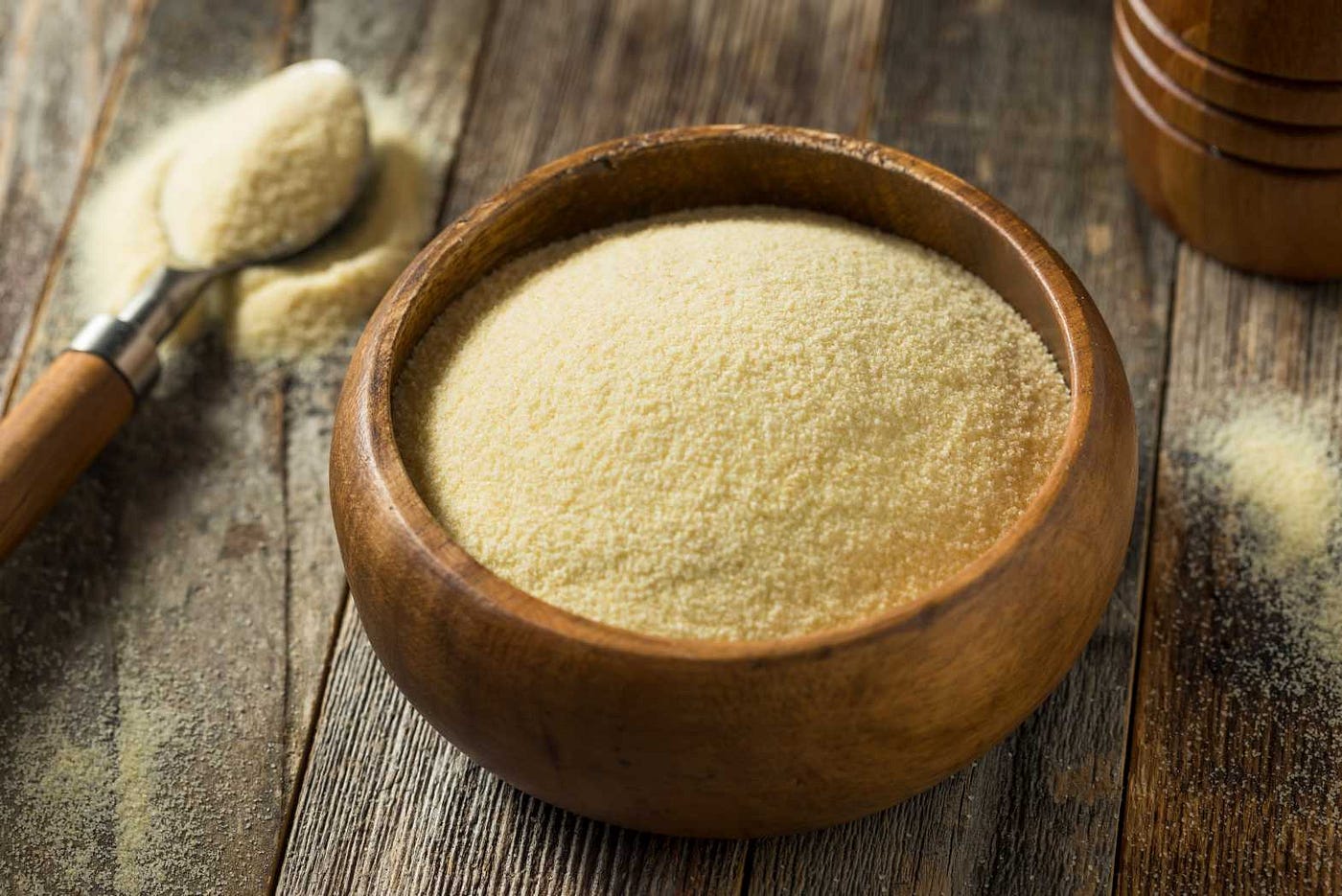
Durum wheat and semolina are staples in many kitchens around the world, yet their unique qualities and uses are often misunderstood. Durum wheat, a hard variety of wheat, is prized for its high protein content and distinctive texture, making it ideal for pasta production. Durum wheat flour, which is finely ground from durum wheat, shares many of these benefits and is used in making pasta, bread, and pizza dough. Semolina, derived from the coarse grinding of durum wheat, is a versatile ingredient found in a variety of dishes, from savoury pasta to sweet puddings. In this guide, we will delve into the characteristics, benefits, and culinary applications of durum wheat, durum wheat flour, and semolina, providing a clear understanding of these essential ingredients.
What is Durum Wheat?
Origins and History
Durum wheat, known scientifically as Triticum durum, has a rich history that traces back to ancient civilisations. Archaeological evidence suggests that durum wheat was first cultivated in the Fertile Crescent, a region in the Middle East that spans parts of modern-day Iraq, Syria, Lebanon, Israel, and Jordan. This area is often referred to as the cradle of civilisation due to its early development of agriculture. Over the centuries, the cultivation and use of durum wheat spread across Europe and North Africa, becoming a staple ingredient in Mediterranean cuisine. Durum wheat’s hard texture and high protein content made it particularly suitable for pasta and bread-making, which led to its prominence in Italian and North African culinary traditions. Today, it remains a vital crop globally, appreciated for its versatility and nutritional benefits.
Unique Characteristics
Durum wheat stands out from other wheat varieties due to its hard texture and high protein content. The wheat’s hardness results from its dense kernel, which is more resistant to milling. This makes it ideal for producing semolina, a coarse flour with a gritty texture, often used in pasta production. The high protein content in durum wheat, typically around 12–15%, contributes to the elasticity and firmness of pasta, ensuring it maintains its shape and texture during cooking. Additionally, durum wheat has a yellow-amber hue, which imparts a golden colour to pasta and other products made from it. This distinctive colour, combined with its robust flavour, makes durum wheat a preferred choice for many culinary applications. Compared to common wheat, durum wheat has a higher protein content and a lower glycemic index, making it a healthier option for pasta and other dishes. The grain’s resilience and nutritional profile also make it a valuable crop for farmers, particularly in arid and semi-arid regions where it thrives.
Durum Wheat in Agriculture
Durum wheat plays a significant role in agriculture, particularly in regions with challenging growing conditions. It is predominantly cultivated in areas with a Mediterranean climate, characterised by hot, dry summers and mild, wet winters. Countries such as Italy, Canada, and the United States are among the leading producers of durum wheat. Its ability to thrive in semi-arid conditions makes it a resilient crop, capable of yielding substantial harvests even in low-rainfall environments. This resilience is partly due to the wheat’s deep root system, which allows it to access water and nutrients from deeper soil layers. Additionally, durum wheat’s relatively short growing season makes it an attractive option for farmers seeking to maximise productivity. The crop’s high market value, driven by its demand in the pasta and bread-making industries, further incentivises its cultivation. Sustainable farming practices, such as crop rotation and reduced tillage, are increasingly adopted to maintain soil health and ensure long-term viability.
Semolina Flour: The Basics
Definition and Types of Durum Wheat Semolina
Semolina is a coarse flour made from durum wheat, known for its distinct yellow colour and granular texture. It is produced by milling the endosperm of durum wheat grains, separating it from the bran and germ. This process results in a gritty, coarse product that is ideal for various culinary uses. There are different types of semolina, each suited to specific applications. The most common variety is coarse semolina, often used in pasta making due to its ability to form a firm, resilient dough. Fine semolina, ground to a finer consistency, is frequently used in baking and to make porridge-like dishes. Additionally, there is a type known as “semolina flour,” which is even finer and used in delicate pastries and desserts. Fine flour, made from durum wheat, is another type of semolina used in bread-making to create flavorful and textured bread with a desirable color. The versatility of semolina extends beyond savoury dishes, finding its way into sweet treats such as puddings, cakes, and even traditional Mediterranean desserts like basbousa and halva.
Production Process
The production of semolina begins with the careful selection of high-quality durum wheat. The wheat grains are first cleaned to remove impurities such as stones, dirt, and other foreign materials. Next, the cleaned grains undergo tempering, where they are moistened to toughen the bran and facilitate the separation of the endosperm. Once tempered, the grains are passed through a series of rollers that gradually break them down into smaller pieces. During this milling process, the endosperm is separated from the bran and germ. The resulting product is then sifted to isolate the coarse granules of semolina from the finer flour and other by-products. These coarse granules are further purified and sorted according to size, ensuring a consistent texture and quality. The final product is then packaged and distributed for use in various culinary applications, from pasta making to baking and beyond.
Nutritional Value
Semolina is not only versatile in the kitchen but also a nutritious addition to various dishes. It is rich in protein, with around 13 grams of protein per 100 grams, making it an excellent ingredient for those looking to increase their protein intake. Semolina is also a good source of dietary fibre, which aids in digestion and helps maintain a healthy digestive system. Additionally, it contains essential vitamins and minerals such as B vitamins (particularly folate and thiamine), iron, magnesium, and zinc. These nutrients play crucial roles in energy production, red blood cell formation, and overall metabolic health. Eating semolina provides high carbohydrates and is suitable for individuals with high uric acid levels, hypertension, or high blood cholesterol levels due to its purine-free quality and low sodium content. Semolina’s low glycaemic index means it releases energy slowly, helping to maintain stable blood sugar levels and providing sustained energy throughout the day. However, it is worth noting that semolina is not suitable for those with gluten intolerance or coeliac disease, as it contains gluten.
Uses of Durum Wheat and Semolina
Culinary Applications of Durum Wheat Pasta
Durum wheat and semolina are celebrated for their wide range of culinary applications. The most well-known use of durum wheat is in pasta production, where its high protein content and gluten strength ensure that the pasta retains its shape and firm texture during cooking. Semolina, derived from durum wheat, is equally versatile. It is commonly used in making couscous, a staple in North African cuisine, and gnocchi, an Italian favourite. In baking, semolina adds a unique texture to bread and pastries. It is also a key ingredient in certain types of cakes and puddings, particularly in Mediterranean and Middle Eastern desserts like basbousa and halva. Additionally, semolina can be used as a thickening agent in soups and stews or as a coating for frying, providing a crispy exterior to dishes such as fish and chicken.
Durum flour is often used in bread recipes to enhance the color, crispness, and flavor of the bread. The versatility of durum wheat and semolina makes them indispensable in kitchens around the world. Durum wheat pasta is not only popular for its firm texture but also for its health benefits, including higher lutein content, richness in protein, high fiber content, richness in iron, high folate content, and low glycemic index.
Industrial Uses
Beyond their culinary applications, durum wheat and semolina also play a role in various industrial uses. One of the primary industrial applications is in the production of semolina flour, which is used in the manufacture of pasta, couscous, and other grain-based products. Additionally, durum wheat is utilised in the production of alcohol, particularly in brewing and distilling. The starch content in durum wheat can be fermented to produce ethanol, a key ingredient in alcoholic beverages like beer and spirits. Semolina is also used in the paper industry as a filler and coating material, improving the quality and texture of paper products. In animal feed, the by-products of durum wheat milling, such as bran and germ, are valuable for their nutritional content, providing protein and fibre to livestock. These diverse industrial uses of durum wheat and semolina highlight their economic importance and versatility beyond the kitchen.
Traditional Recipes
Durum wheat and semolina are integral to many traditional recipes around the world. In Italy, durum wheat is synonymous with pasta, forming the backbone of iconic dishes such as spaghetti, fettuccine, and lasagne. Semolina, on the other hand, features prominently in both savoury and sweet recipes. In North Africa, semolina is used to make couscous, often served with stewed meats and vegetables. Middle Eastern cuisine showcases semolina in sweet dishes like basbousa, a moist cake soaked in syrup, and halva, a dense, sweet confection. In India, semolina (locally known as ‘suji’ or ‘rava’) is used in making upma, a savoury porridge, and rava kesari, a sweet treat flavoured with saffron and nuts. Traditional recipes using whole wheat, like whole wheat bread and pasta, are also rich in fiber, B vitamins, iron, copper, zinc, and magnesium, offering similar nutritional benefits to those made with durum wheat. These traditional recipes not only highlight the versatility of durum wheat and semolina but also reflect the rich culinary heritage of the regions where they are cherished.
Health Benefits and Considerations
Nutritional Benefits
Durum wheat and semolina are packed with essential nutrients that offer several health benefits. High in protein, they support muscle growth and repair, making them an excellent choice for those looking to maintain or build muscle mass. The dietary fibre in semolina aids in digestion, promoting regular bowel movements and helping to prevent constipation. Additionally, durum wheat and semolina are rich in B vitamins, including folate and thiamine, which are crucial for energy production and maintaining a healthy nervous system. Minerals such as iron, magnesium, and zinc found in these ingredients also contribute to overall health, supporting functions like oxygen transport, bone health, and immune system strength. With their low glycaemic index, durum wheat and semolina provide a slow and steady release of energy, helping to maintain stable blood sugar levels. Durum wheat pasta, in particular, is noted for its high lutein content, which supports eye health, and its richness in protein and iron. These nutritional benefits make them a valuable addition to a balanced diet.
Dietary Considerations
While durum wheat and semolina offer numerous nutritional benefits, they are not suitable for everyone. Both ingredients contain gluten, a protein that can cause adverse reactions in individuals with coeliac disease or gluten sensitivity. For those affected, consuming gluten can lead to symptoms such as abdominal pain, bloating, and fatigue. As a result, these individuals must avoid products made with durum wheat and semolina. Additionally, while semolina has a relatively low glycaemic index, it is still a carbohydrate-rich food. People managing their carbohydrate intake, such as those with diabetes, should monitor their portion sizes to maintain balanced blood sugar levels. It is also important to consider that semolina can be calorie-dense, so incorporating it into a balanced diet is key to preventing excessive calorie consumption. Consulting with a healthcare provider or nutritionist can help individuals make informed dietary choices that align with their health needs and goals.
Potential Allergens
Durum wheat and semolina are common allergens, primarily due to their gluten content. Individuals with coeliac disease or non-coeliac gluten sensitivity must avoid these ingredients to prevent adverse health effects. Symptoms of gluten intolerance can range from digestive issues, such as bloating and diarrhoea, to more severe reactions like joint pain and skin rashes. Additionally, some people may have a wheat allergy, which is different from gluten sensitivity. Wheat allergy can trigger immune responses that include hives, nasal congestion, and even anaphylaxis in severe cases. It is crucial for those with a wheat allergy to avoid all wheat-based products, including those made from durum wheat and semolina. Food labels should be carefully read to identify potential allergens, and cross-contamination should be considered in environments where wheat products are processed. For those with dietary restrictions, gluten-free alternatives such as rice, quinoa, and corn-based products can serve as suitable substitutes.
Buying and Storing Durum Wheat and Semolina
How to Select Quality
Selecting high-quality durum wheat and semolina involves paying attention to several key factors. Firstly, check for a bright, yellow-amber colour, which indicates freshness and proper milling. Avoid products with a dull or greyish hue, as these may be old or improperly stored. The texture should be consistent, with coarse semolina having a gritty feel and fine semolina being uniformly smooth. When purchasing packaged products, ensure the packaging is intact and free from any signs of damage or moisture, which can lead to contamination. Reading labels is also essential; look for products that specify 100% durum wheat or semolina to ensure purity. Organic and non-GMO certifications can also be indicators of higher quality. If buying in bulk, choose suppliers with a high turnover rate to ensure freshness. Proper selection not only enhances the flavour and texture of your dishes but also maximises the nutritional benefits of these ingredients.
Proper Storage Methods
Proper storage is crucial to maintaining the freshness and quality of durum wheat and semolina. Store these ingredients in airtight containers to protect them from moisture, pests, and contaminants. Glass jars, plastic containers, or resealable bags work well for this purpose. Keep the containers in a cool, dry place, away from direct sunlight, as heat and light can degrade the quality and nutritional value over time. If you purchase semolina in bulk, consider dividing it into smaller portions to minimise exposure to air each time you open the container. For longer-term storage, refrigeration or freezing can extend the shelf life significantly. Ensure that the containers are tightly sealed to prevent condensation. When stored properly, semolina and durum wheat can last up to a year in the pantry and even longer if refrigerated or frozen. Regularly check for any signs of spoilage, such as off smells or visible mould, to ensure safe consumption.
Shelf Life and Freshness
The shelf life of durum wheat and semolina depends on storage conditions and packaging. Generally, when stored in a cool, dry place and in an airtight container, durum wheat and semolina can maintain their quality for up to a year. Properly stored in the pantry, semolina retains its freshness for 6 to 12 months. For prolonged storage, refrigeration or freezing can extend their shelf life significantly. In the refrigerator, these ingredients can last up to 18 months, while in the freezer, they can remain fresh for over two years. Always check for signs of spoilage before use, such as unusual odours, discoloration, or the presence of pests. Maintaining freshness also involves minimising exposure to air, moisture, and fluctuating temperatures. Regularly rotating your stock and using older products first can help ensure you always have fresh durum wheat and semolina on hand for your culinary needs.
메타데이터
- post_id
- 313fe0fcbc8e
- slug
- understanding-durum-wheat-and-semolina-a-comprehensive-guide-313fe0fcbc8e
- url
- https://medium.com/@jannika/understanding-durum-wheat-and-semolina-a-comprehensive-guide-313fe0fcbc8e
- canonical_url
- https://medium.com/@jannika/understanding-durum-wheat-and-semolina-a-comprehensive-guide-313fe0fcbc8e
- author_url
- https://medium.com/@jannika
- status
- ok
- fetched_at
- 2026-06-27 18:41:08



