Modi’s Next Global Challenge: Turning Soft Power into Strategic Power
As geopolitical competition intensifies and traditional sources of influence lose credibility, India is uniquely positioned to offer an…
Modi’s Next Global Challenge: Turning Soft Power into Strategic Power
As geopolitical competition intensifies and traditional sources of influence lose credibility, India is uniquely positioned to offer an alternative model of global leadership. Building on the worldwide appeal of yoga, Prime Minister Narendra Modi’s government now faces a larger opportunity: transforming India’s vast reservoir of talent, innovation, and civilizational confidence into a lasting pillar of international influence.
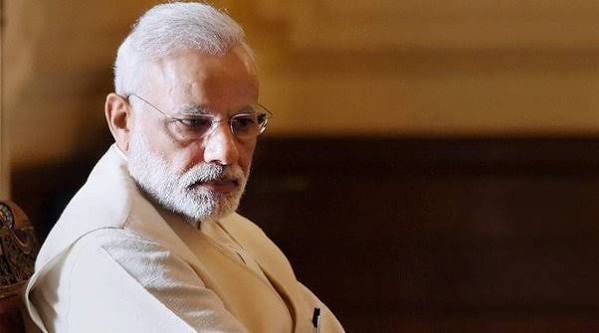
Each year on June 21, the International Day of Yoga offers a vivid demonstration of India’s growing global influence. What began as a proposal by Prime Minister Narendra Modi at the United Nations in 2014 rapidly became one of the most widely supported diplomatic initiatives in recent history, endorsed by 175 member states. More than a celebration of wellness, Yoga Day has evolved into a symbol of India’s ability to shape global conversations through attraction rather than coercion.
That achievement matters. In an era defined by strategic rivalry, economic nationalism, and increasingly transactional diplomacy, soft power has become an indispensable component of statecraft. The late political scientist Joseph Nye, who coined the term, argued that nations succeed not only through military and economic strength but also through their capacity to inspire and persuade. By that measure, yoga represents one of the most successful exercises in soft power of the twenty-first century.
Yet India’s ambitions should not stop there.
The country’s next phase of global influence will depend less on cultural symbolism alone and more on its ability to institutionalize what might be called “talent diplomacy” — the strategic deployment of its human capital, both at home and across the world.
A Changing Global Landscape
The international environment has become markedly less hospitable to traditional forms of soft power. Great-power competition has intensified, economic tools are increasingly weaponized, and geopolitical narratives are often shaped by those willing to project power most aggressively.
Against this backdrop, India offers a distinctive alternative. Unlike many modern nation-states, India draws strength from a civilizational tradition that spans millennia. Its worldview, encapsulated by the idea of Vasudhaiva Kutumbakam — the world as one family — continues to resonate in a period marked by conflict and fragmentation.
Under Modi’s leadership, India has sought to translate these civilizational assets into contemporary influence. Initiatives such as the country’s Digital Public Infrastructure have demonstrated how India can export practical solutions alongside philosophical ideas. The next challenge is to broaden this model beyond governance and technology into leadership, innovation, science, culture, sports, and business.
The Diaspora Dividend
Few countries possess a diaspora as accomplished or as strategically placed as India’s. Indian-origin executives lead some of the world’s most influential corporations. Indian researchers occupy senior positions in leading laboratories and universities. Indian entrepreneurs continue to shape technological innovation across continents.
For decades, these achievements have generated pride within India. The question now is whether they can be harnessed more systematically to advance India’s broader national objectives.
Celebrating Indian success abroad is important. Converting that success into long-term engagement with India is even more important. The future of Indian influence will depend not only on emotional connections to the homeland but also on deeper commitments to investment, institution-building, mentorship, and innovation.
Remittances remain valuable, but they are not a substitute for strategic engagement. India’s most successful global citizens have an opportunity to contribute to the development of globally competitive Indian firms, research ecosystems, and technological capabilities. Such efforts would strengthen both India’s economy and its international standing.
Building a New Brand of India
The country’s soft-power strategy must also evolve beyond cultural representation. Indian civilization has long produced figures whose appeal transcends national boundaries. Swami Vivekananda’s message of confidence, pluralism, and spiritual depth remains strikingly relevant to contemporary audiences searching for alternatives to ideological polarization.
Today’s challenge is to translate those values into modern forms of influence.
South Korea’s success in exporting culture through entertainment demonstrates how creativity can become a strategic asset. India possesses similar potential. Its film industry, music, digital creators, and storytellers command vast audiences. The country’s cultural output increasingly enjoys global reach, helped by digital platforms that erase traditional geographic barriers.
The emergence of artists such as Diljit Dosanjh on the global stage reflects this trend. But isolated successes are not enough. India must build institutions capable of consistently producing cultural influence at scale.
Talent as Strategy
Sport offers another example. India’s aspiration to host the Olympic Games reflects a growing confidence in its place on the world stage. Meanwhile, the Indian Premier League has already transformed cricket from a regional sport into a global entertainment product.
The emergence of young stars such as Vaibhav Sooryavanshi illustrates the broader point. Human talent is one of India’s most abundant strategic resources. Harnessing that resource requires systems that identify, develop, and project excellence across multiple sectors.
This is where India’s next soft-power revolution may emerge. Rather than relying solely on historical prestige or cultural heritage, India can build a model centered on talent, innovation, and achievement. Such a strategy would align naturally with the country’s demographic strengths and economic ambitions.
From Episodic Success to Institutional Power
The central challenge is moving from isolated moments of success to durable institutions. Individual achievements generate headlines; institutions generate influence.
India enters this period from a position of growing strength. Its economy is expanding, its diplomatic profile is rising, and its technological capabilities are increasingly recognized. Under Modi, the country has demonstrated a capacity to convert national confidence into international visibility.
The next stage will require converting visibility into enduring influence.
Joseph Nye often argued that the most successful nations combine hard power and soft power into what he called “smart power.” India is exceptionally well placed to do exactly that. Its civilizational heritage provides legitimacy. Its democratic system provides credibility. Its technological achievements provide relevance. And its global talent network provides reach.
As the international order undergoes profound change, India’s greatest strategic asset may not be any single policy, institution, or technology. It may be its ability to connect ancient cultural confidence with modern human capital. If New Delhi can successfully combine those strengths, India’s rise will be measured not merely by economic growth or military capability, but by its capacity to shape the ideas, aspirations, and institutions of the twenty-first century.
Saurav Dutt is a TIME magazine featured Author and Global Affairs Commentator. He is the author of the political biography of Narendra Modi — Modi and Me: A Political, Cultural, and Religious Reawakening- and Balance of Power: US-India Ties in the Epoch of Trump and Modi, which is being reissued in Summer 2026 under the title Trump and Modi: US-India Ties in the Epoch of Trump and Modi.
메타데이터
- post_id
- 31bbb35c406d
- slug
- modis-next-global-challenge-turning-soft-power-into-strategic-power-31bbb35c406d
- url
- https://medium.com/@sauravdutt/modis-next-global-challenge-turning-soft-power-into-strategic-power-31bbb35c406d
- canonical_url
- https://medium.com/@sauravdutt/modis-next-global-challenge-turning-soft-power-into-strategic-power-31bbb35c406d
- author_url
- https://medium.com/@sauravdutt
- status
- ok
- fetched_at
- 2026-06-24 11:06:28