Trenchless Drain Pipelining: When to Choose it Over Traditional Excavation
When underground pipelines start to have problems, decision-makers have two choices. They can either get repairs using conventional digging…
Trenchless Drain Pipelining: When to Choose it Over Traditional Excavation
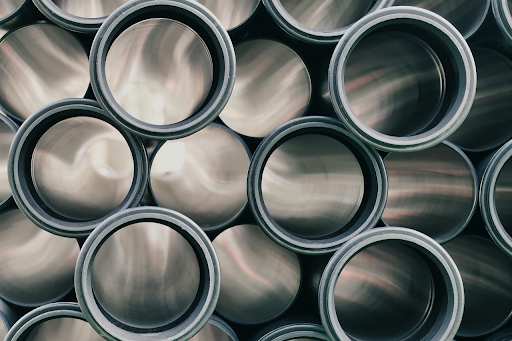
Photo by Kranich17 on Pixabay
When underground pipelines start to have problems, decision-makers have two choices. They can either get repairs using conventional digging methods or adopt modern solutions like trenchless drain pipelining. While traditional excavation has been used for decades, it can be disruptive, time-consuming, and costly. Trenchless methods offer a minimally invasive alternative that restores pipeline integrity without the need for extensive digging.
Understanding when to choose trenchless methods over excavation helps teams avoid unnecessary downtime, reduce project costs, and extend the life of existing infrastructure. Below are the key things to consider that often make trenchless pipelining the smarter choice.
When Surface Disruption Is Not an Option
Traditional excavation requires digging long, open trenches to expose damaged pipe sections. This can disrupt traffic, interrupt business operations, remove landscaping, and result in significant restoration costs.
Trenchless drain pipelining eliminates the need to dig along the entire pipe length. Instead, crews create small entry points and rehabilitate the pipe from within, allowing work to proceed without tearing up:
- Roadways
- Parking lots
- Parking garages
- Sidewalks
- Industrial yards
- Facilities with limited access
For sites where surface disruption is either impractical or extremely expensive, trenchless solutions are often the preferred method.
When Timelines Are Tight
Excavation requires heavy equipment, large crews, and considerable time to dig, repair, backfill, and restore the surface. This can lead to extended project timelines. Trenchless pipelining significantly shortens the repair process because it focuses on internal rehabilitation rather than physical replacement.
The workflow typically involves:
- Cleaning and inspecting the pipeline
- Installing a resin-saturated liner
- Curing the liner to create a seamless new pipe inside the old one
Many projects can be completed in a fraction of the time required for excavation, making trenchless solutions ideal for facilities or operations that cannot afford prolonged downtime.
When Structural Pipe Integrity Can Be Preserved
Pipelines do not always need to be fully replaced. In many cases, the existing structure remains intact, but its interior has deteriorated due to corrosion, cracking, or infiltration. Trenchless methods reinforce the existing pipe instead of removing it entirely.
Benefits include:
- Creating a new, durable interior surface
- Preventing leaks and root intrusion
- Extending the life of the pipeline
- Maintaining flow capacity with minimal diameter reduction
This approach avoids the high cost of replacing functional pipe structures and reduces the environmental impact associated with excavation and disposal of old materials.
When Access Is Limited
In industrial, municipal, or commercial environments, pipelines often run beneath buildings, machinery, storage areas, or other infrastructure. Excavating these areas may require shutting down operations, relocating equipment, or demolishing surfaces.
Trenchless pipelining allows repairs to be completed without moving heavy assets or disturbing structures. As long as technicians can access the entry points, the entire length of the pipe can be rehabilitated internally.
This makes trenchless methods especially effective for:
- Industrial process lines
- Stormwater and sewer mains
- Commercial complexes
- Utility corridors
- Institutional properties
Final Thoughts
Deciding between traditional excavation and trenchless drain pipelining depends on the condition of the pipe, the demands of the site, and the importance of minimizing disruption. When access is restricted, downtime must be limited, or surface restoration costs would be excessive, trenchless methods offer a reliable, efficient, and long-lasting alternative. By evaluating the environment and the goals of the project, teams can choose the solution that delivers the best solution for their needs.
메타데이터
- post_id
- 31c8dabded7f
- slug
- trenchless-drain-pipelining-when-to-choose-it-over-traditional-excavation-31c8dabded7f
- url
- https://medium.com/@helloquillmarketing/trenchless-drain-pipelining-when-to-choose-it-over-traditional-excavation-31c8dabded7f
- canonical_url
- https://medium.com/@helloquillmarketing/trenchless-drain-pipelining-when-to-choose-it-over-traditional-excavation-31c8dabded7f
- author_url
- https://medium.com/@helloquillmarketing
- status
- ok
- fetched_at
- 2026-06-17 10:21:25