Etsy vs Payhip in 2026: The Best Platform for Beginners Selling Digital Products Online
Trying to decide between Etsy and Payhip in 2026? Discover the pros, cons, fees, traffic potential, and best strategies for beginners…
Etsy vs Payhip in 2026: The Best Platform for Beginners Selling Digital Products Online
Trying to decide between Etsy and Payhip in 2026? Discover the pros, cons, fees, traffic potential, and best strategies for beginners selling digital products online.
Starting an online digital product business in 2026 has become easier than ever before. With platforms designed specifically for creators, almost anyone can now sell planners, e-books, templates, printables, online guides, and digital downloads from anywhere in the world. Yet despite the growing opportunities, one major question continues to confuse beginners:
Should you start selling on Etsy or Payhip?
At first glance, the two platforms may seem similar because both allow creators to sell digital products online. However, the reality is very different. Each platform offers a unique experience, different advantages, and completely different growth opportunities for beginners.
Choosing the wrong platform can slow your growth, reduce your profits, and make online selling feel frustrating. On the other hand, choosing the right platform can help you build momentum faster and increase your chances of making consistent online income.
In 2026, the debate between Etsy and Payhip has become more important than ever because digital competition is rising rapidly. Thousands of new sellers are entering the creator economy every month, and understanding how these platforms work can give beginners a major advantage.
Understanding the Core Difference Between Etsy and Payhip
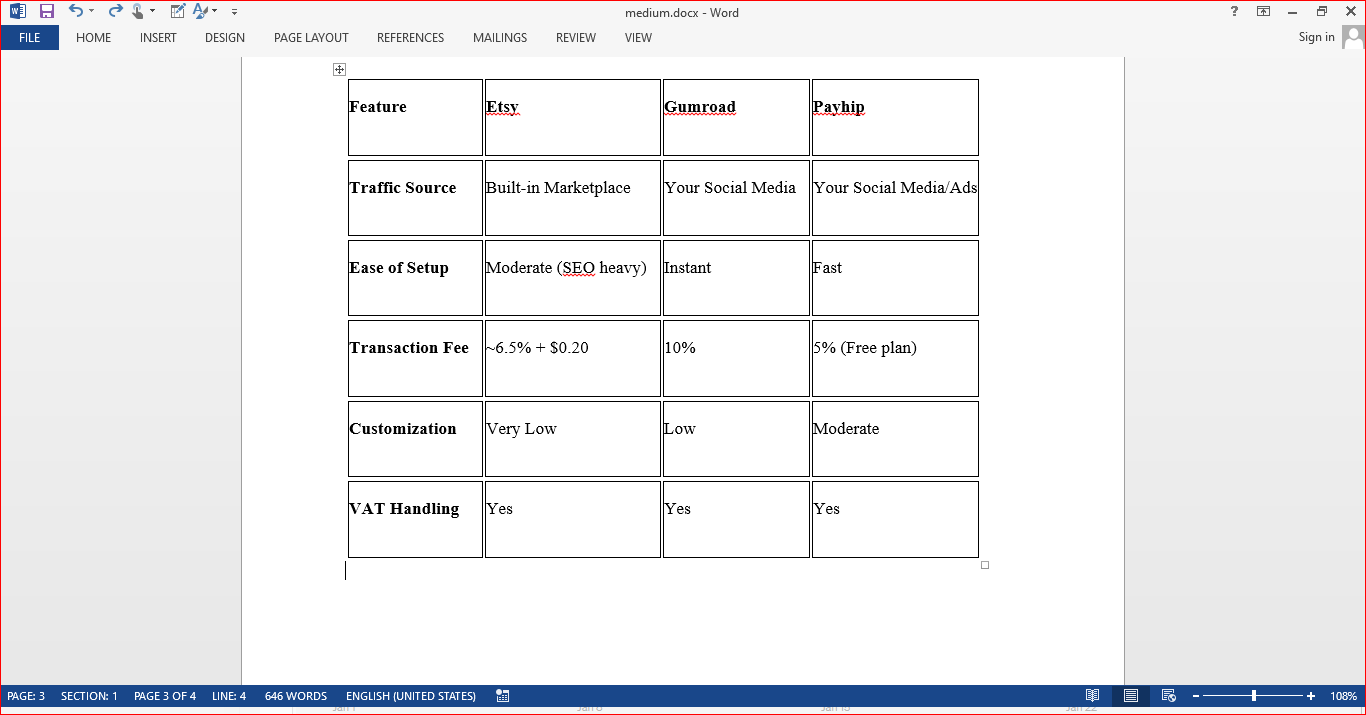
The biggest difference between Etsy and Payhip lies in how customers find your products. Etsy operates as a marketplace. This means millions of buyers already visit the platform daily searching for products to purchase. When you upload your digital product, Etsy may automatically show it to potential customers through its search engine and recommendations.
This is one of the main reasons Etsy remains extremely attractive for beginners. You do not need a large audience or social media following to begin getting traffic. If your titles, keywords, thumbnails, and product descriptions are optimized properly, your listings can appear in search results almost immediately.
Payhip works differently. Instead of functioning as a large public marketplace, it allows creators to build their own independent online stores. This gives sellers greater control over branding, customer relationships, pricing, and marketing strategies. However, unlike Etsy, Payhip does not provide significant built-in traffic. Sellers are usually responsible for bringing their own visitors through platforms like Pinterest, Instagram, TikTok, LinkedIn, YouTube, blogs, or email marketing.
For many beginners, this difference alone determines which platform feels easier in the beginning stages.
Why Etsy Still Attracts So Many Beginners in 2026
Etsy continues to dominate the beginner digital product space because of one powerful advantage: visibility.
Many first time sellers struggle with getting people to see their products online. Etsy solves part of this problem by already having millions of active buyers searching for planners, templates, journals, business tools, educational materials, and printable resources every day.
This built-in audience allows new creators to start testing products without spending heavily on advertising. A student selling study templates or a creator selling printable planners can potentially receive traffic even with a brand new account.
Another reason Etsy remains popular is simplicity. The setup process is relatively straightforward, and beginners can quickly upload products, create listings, and start selling within a short period of time.
In recent years, Etsy has also benefited from the growing demand for niche digital products. Buyers are no longer just searching for generic planners. Instead, they want highly targeted solutions such as ADHD planners, student productivity kits, budgeting spreadsheets, faith journals, wedding templates, and business trackers.
This shift creates opportunities for creative sellers who understand specific customer needs.
However, Etsy’s popularity has also created intense competition. Thousands of sellers now use AI tools and design software to create digital products rapidly. As a result, standing out in 2026 requires stronger branding, better product images, effective SEO, and more specialized products.
For some creators, Etsy can eventually feel crowded and restrictive due to fees, marketplace rules, and limited control over customer relationships.
Why Payhip Is Quietly Becoming a Favorite Among Creators
While Etsy focuses heavily on marketplace discovery, Payhip focuses more on ownership and independence.
This is why many creators eventually transition toward platforms like Payhip after gaining experience online. One major advantage of Payhip is the level of control sellers have over their businesses. Creators can customize their storefronts, build email lists, create discount campaigns, offer memberships, bundle products, and establish direct relationships with customers.
For digital entrepreneurs interested in long-term brand building, this flexibility becomes extremely valuable.
Payhip is especially attractive for creators selling educational content, e-books, online guides, premium templates, digital courses, coaching materials, and downloadable business resources. These types of products often rely heavily on trust, authority, and audience relationships rather than marketplace traffic alone.
Another important advantage is branding. On Etsy, buyers primarily remember Etsy itself. On Payhip, customers are more likely to remember the creator’s brand directly. This can help sellers build loyal communities and repeat customers over time.
In 2026, many successful digital entrepreneurs are prioritizing ownership because they understand the risks of depending entirely on one marketplace. Algorithm changes, account restrictions, increasing competition, and fee adjustments can affect marketplace sellers unexpectedly.
Platforms like Payhip reduce some of these risks by giving creators more independence.
The Reality Most Beginners Do Not Expect
Many beginners believe choosing the right platform automatically guarantees sales. Unfortunately, this is not true.
The platform matters, but the product matters even more. A poorly designed product with weak branding and no clear target audience will struggle on both Etsy and Payhip. Meanwhile, a valuable product that solves a specific problem can perform well almost anywhere.
One major trend dominating 2026 is the rise of niche focused digital products. Generic products are becoming harder to sell because customers now expect specialized solutions tailored to their exact needs.
Creators who succeed today often focus on highly targeted products such as relocation guides, student thesis bundles, church resources, productivity systems, AI business templates, wellness journals, and educational planners.
The more specific the problem you solve, the easier it becomes to attract the right audience.
Which Platform Should Beginners Choose in 2026?
For beginners with no audience, Etsy often provides the easiest starting point because of its built in traffic and search visibility. It allows creators to test products quickly and learn how digital selling works without needing advanced marketing skills.
However, for creators interested in building a long term brand and maintaining greater business control, Payhip offers stronger flexibility and ownership opportunities.
In reality, many experienced sellers now combine both platforms strategically. They use Etsy to attract new customers while directing loyal buyers toward Payhip for premium products, bundles, email subscriptions, and exclusive offers.
This hybrid strategy allows creators to benefit from Etsy’s traffic while still building an independent business outside marketplace limitations.
Conclusion
The digital product industry in 2026 continues to grow rapidly, creating opportunities for students, freelancers, entrepreneurs, and content creators around the world. Both Etsy and Payhip offer powerful ways to start selling online, but they serve different purposes and different types of creators.
Etsy is ideal for visibility and beginner discovery, while Payhip is stronger for branding, ownership, and long term business growth.
Ultimately, success will depend less on the platform you choose and more on your consistency, product quality, niche selection, and willingness to keep learning.
The creators succeeding online today are not always the most experienced or the most talented. Often, they are simply the ones who started early, stayed consistent, and continued improving their products over time.
메타데이터
- post_id
- 31dcc49d7efd
- slug
- etsy-vs-payhip-in-2026-the-best-platform-for-beginners-selling-digital-products-online-31dcc49d7efd
- url
- https://medium.com/@proacademia/etsy-vs-payhip-in-2026-the-best-platform-for-beginners-selling-digital-products-online-31dcc49d7efd
- canonical_url
- https://medium.com/@proacademia/etsy-vs-payhip-in-2026-the-best-platform-for-beginners-selling-digital-products-online-31dcc49d7efd
- author_url
- https://medium.com/@proacademia
- status
- ok
- fetched_at
- 2026-07-13 06:23:13