Is Kivy Dead? The Rise of a New Python UI Framework Era
For over a decade, Kivy has been a go-to framework for Python developers seeking to build cross-platform applications, especially for…
Is Kivy Dead? The Rise of a New Python UI Framework Era
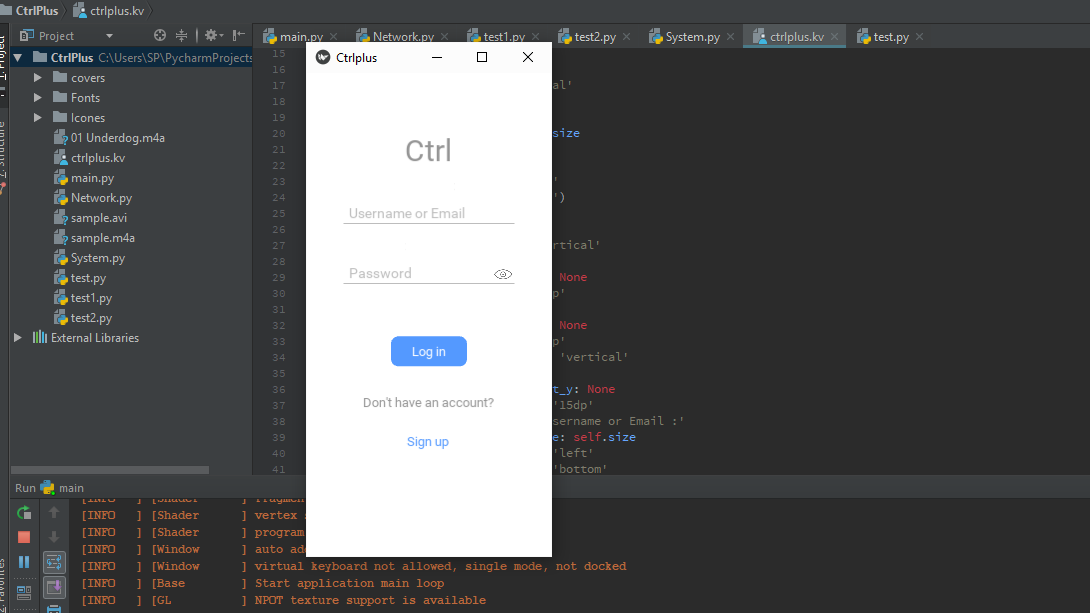
For over a decade, Kivy has been a go-to framework for Python developers seeking to build cross-platform applications, especially for mobile and touchscreen devices. Its promise of “write once, run anywhere” and its MIT license made it a darling of open-source enthusiasts. But as the Python ecosystem evolves, whispers of “Kivy is dead” have grown louder. Is this true? Let’s dissect Kivy’s current state and explore the frameworks reshaping Python’s UI landscape.
Kivy’s Legacy and Challenges
Kivy revolutionized Python GUI development by enabling apps to run on Android, iOS, Windows, macOS, and Linux with a single codebase. Its GPU acceleration, multitouch support, and Kv language for declarative UI design earned it a loyal following. However, several factors have led to its perceived decline:
- Native Look and Feel: Kivy’s widgets don’t mimic native OS components, resulting in apps that feel out of place on desktops. While KivyMD (Material Design add-on) tried to bridge this gap, it still lags behind frameworks like PySide6 or wxPython, which use platform-native widgets.
- Limited Ecosystem: Kivy’s third-party library support is sparse compared to Qt-based frameworks. Developers often struggle to integrate advanced features like 3D animations or web technologies.
- Performance and Stability: Though Kivy is optimized with Cython, complex projects face instability and debugging hurdles. The lack of corporate backing (unlike Qt or PySide) slows bug fixes and feature updates.
- Shift in Developer Preferences: With mobile-first frameworks like Flutter dominating cross-platform development, Python developers now prioritize desktop-centric or high-performance tools.
Kivy isn’t dead — it still powers niche applications, especially in education and prototyping. But its limitations have paved the way for a new generation of Python UI frameworks.
The New Era of Python UI Frameworks
The Python GUI ecosystem in 2025 is richer than ever, with tools catering to diverse needs — from enterprise-grade apps to GPU-accelerated dashboards. Here are the frontrunners:
1. PySide6: The Qt Powerhouse
PySide6 (Qt for Python) has emerged as the gold standard for commercial applications. Its LGPL license allows unrestricted use in proprietary software, and its integration with Qt Designer simplifies UI prototyping. Features like data-driven widgets, multimedia support, and native styling make it ideal for professional tools like IDEs, data analyzers, and multimedia apps.
Why adopt PySide6?
- Seamless cross-platform performance with native aesthetics.
- Extensive documentation and corporate backing from The Qt Company.
- Support for both Qt Widgets (desktop) and QML (mobile/embedded).
2. Dear PyGui: The GPU-Accelerated Contender
Dear PyGui targets developers building real-time applications, such as game editors or data dashboards. Unlike traditional frameworks, it leverages GPU rendering for buttery-smooth interfaces and supports immediate-mode GUIs, where UI elements are redrawn every frame. Its minimalist design and Pythonic API appeal to those prioritizing performance over native looks.
Why adopt Dear PyGui?
- Ideal for high-FPS applications (e.g., simulations, IoT dashboards).
- Lightweight and easy to integrate with machine learning pipelines.
- Modern, customizable themes out of the box.
3. Tkinter: The Timeless Workhorse
Tkinter remains Python’s default GUI library, bundled with every installation. While criticized for its outdated visuals, recent updates have added modern widgets and theming options. It’s perfect for quick prototypes, internal tools, or educational projects where simplicity trumps polish.
Why adopt Tkinter?
- Zero setup required — just import and code.
- Growing community contributions (e.g., ttkbootstrap for modern styling).
- Ideal for lightweight, single-platform apps.
4. wxPython: The Native Experience
wxPython shines for desktop apps requiring OS-native aesthetics. By wrapping platform-specific widgets (Cocoa on macOS, Win32 on Windows), it delivers seamless integration with the host OS. Use cases include scientific tools, enterprise software, and utilities where consistency with native apps matters.
Why adopt wxPython?
- Mature and stable with decades of development.
- Rich widget library (grids, tree views, advanced layouts).
- Strong performance for data-heavy applications.
5. Flet: The Dark Horse
Though not covered in the search results, Flet (released in 2023) deserves mention. It lets developers build Flutter-like UIs in Python, blending Kivy’s cross-platform vision with modern design practices. Its reactive programming model and hot reload feature are winning over mobile and web developers.
The Verdict: Kivy’s Niche in 2025
Kivy isn’t obsolete — it still excels in specific scenarios:
- Rapid prototyping for touchscreen apps.
- Educational projects where Python purity matters.
- Custom UIs (e.g., kiosks, Raspberry Pi interfaces) that don’t need native styling.
However, the rise of PySide6, Dear PyGui, and others signals a shift toward specialization. Developers now choose frameworks based on use case rather than one-size-fits-all solutions.
Conclusion
The “death” of Kivy is overstated, but its reign as Python’s UI king is over. The new era celebrates diversity: PySide6 for enterprise apps, Dear PyGui for real-time rendering, wxPython for native desktops, and Tkinter for simplicity. As Python continues to dominate AI and data science, its GUI tools will evolve further — blurring the lines between desktop, web, and mobile.
For developers, the message is clear: choose the right tool for the job. Kivy’s legacy lives on, but the future belongs to frameworks that prioritize performance, aesthetics, and modern workflows.
메타데이터
- post_id
- 31fba8ccf06b
- slug
- is-kivy-dead-the-rise-of-a-new-python-ui-framework-era-31fba8ccf06b
- url
- https://medium.com/@haddiebakrie/is-kivy-dead-the-rise-of-a-new-python-ui-framework-era-31fba8ccf06b
- canonical_url
- https://medium.com/@haddiebakrie/is-kivy-dead-the-rise-of-a-new-python-ui-framework-era-31fba8ccf06b
- author_url
- https://medium.com/@haddiebakrie
- status
- ok
- fetched_at
- 2026-07-20 23:28:45